Indonesia & South Korea 2025
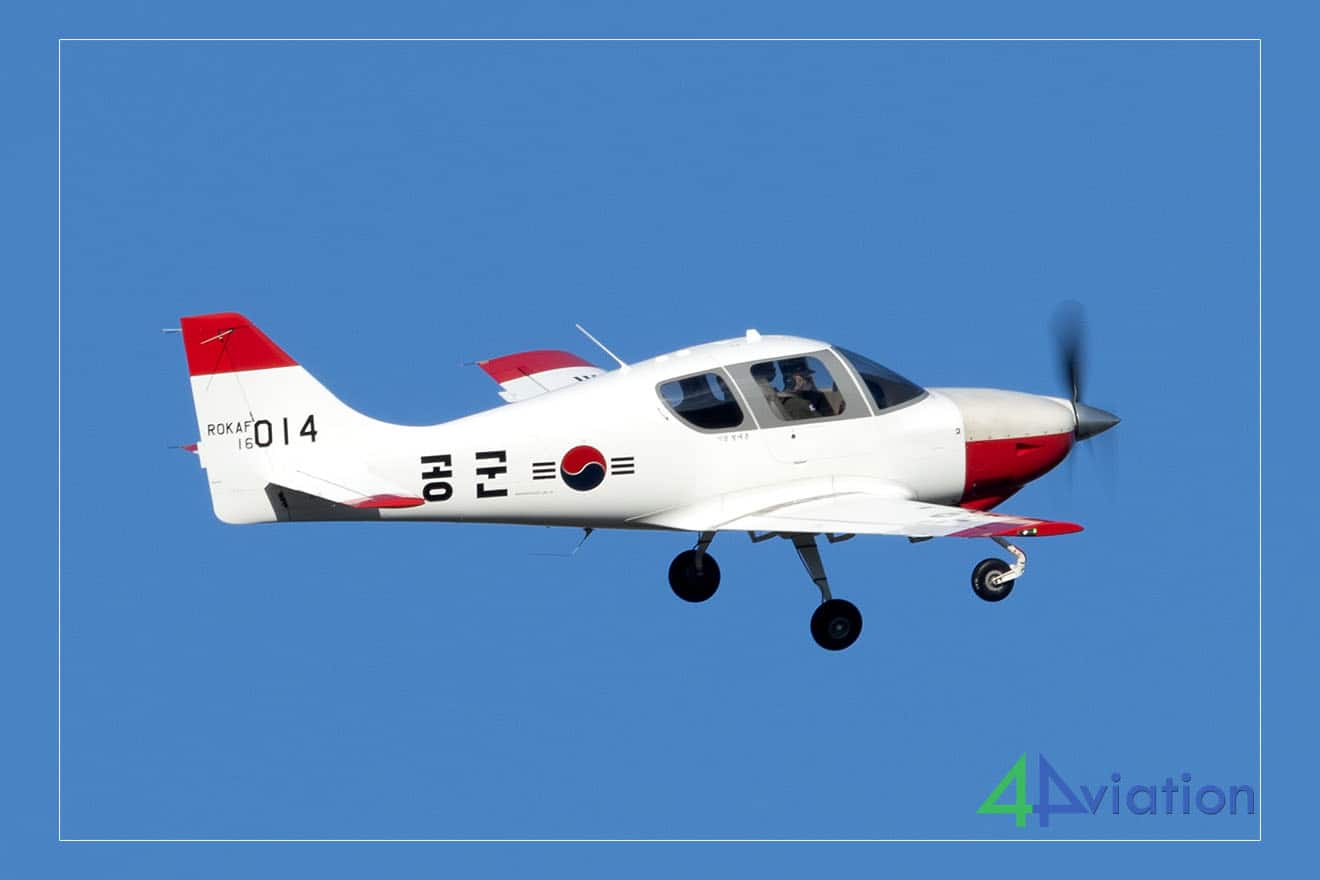
In 2024, a small group of aviation enthusiasts contacted 4Aviation to inquire about a tour to South Korea that would include the large number of preserved aircraft. After careful consultation, a two-week tour was put together, culminating in the Seoul International Aerospace and Defense Exhibition (ADEX). At the end of 2024, the Indonesian Armed Forces held a large parade over Jakarta in honor of the 79th National Armed Forces Day. Later in 2025, it was announced that the 80th anniversary would also be celebrated, which would serve as a perfect prelude to the South Korea portion of the tour. Some of the group were interested, and so it was scheduled. The group has since returned safely and looks back on a fantastic tour that included visiting numerous wrecks and relics in both countries, from early morning until late afternoon. We weren’t so lucky with operational flying in South Korea.
Keep informed
Chances are that we will return to Indonesia and/or South Korea for a comparable tour. If you want to be informed if we have details about this, please click the button to send us a message.
Around noon on Wednesday, 1 October 2025, four participants gathered at Schiphol Airport for a nearly 10-hour nonstop flight to Jakarta. This marked the start of an intensive aviation tour lasting almost 19 days. We landed early in the morning of Thursday, 2 October. After immigration and collecting our luggage—always a relief—we quickly met our local contact who handed over the rental car. After a short explanation about toll roads and the card system, we were on our way.
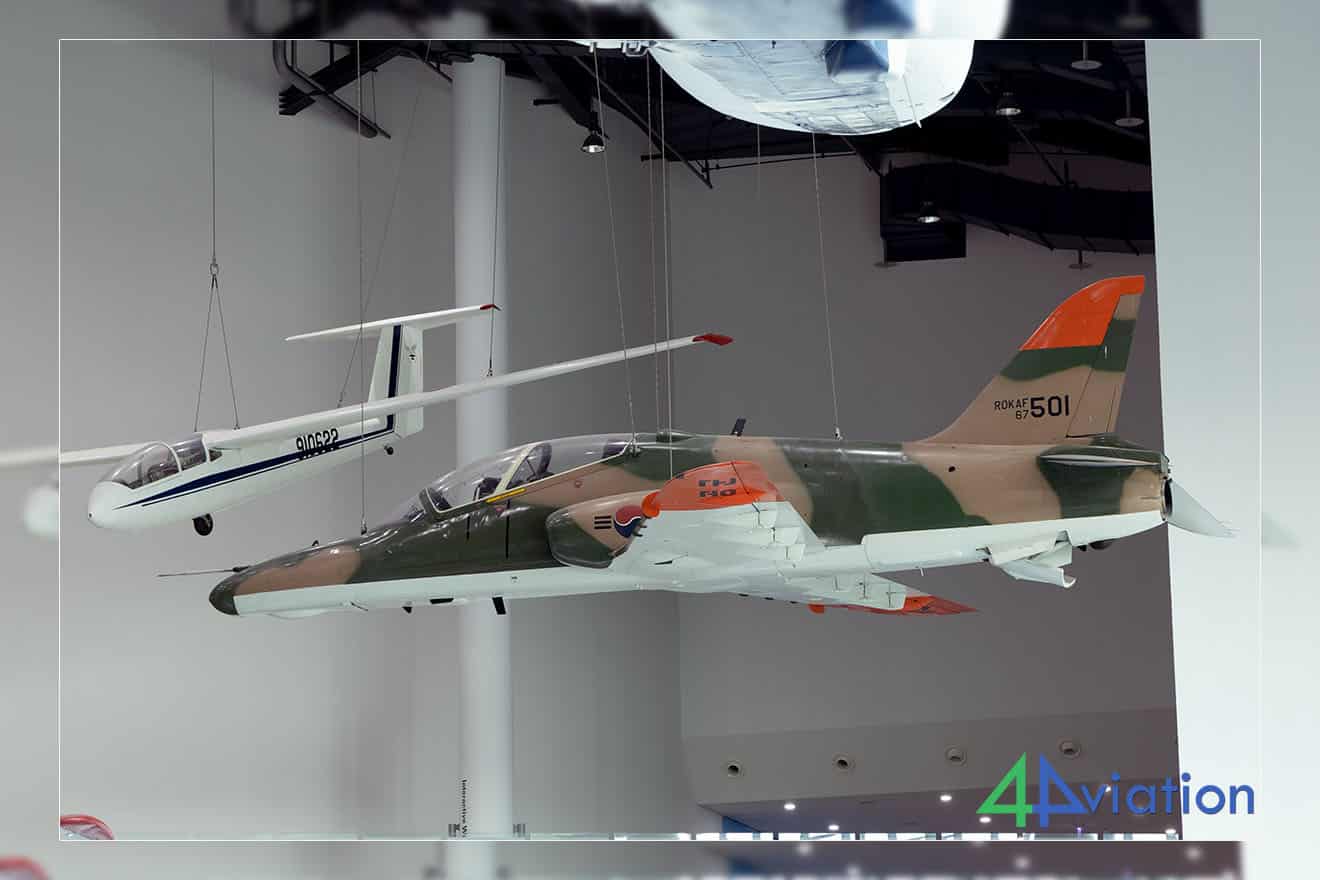
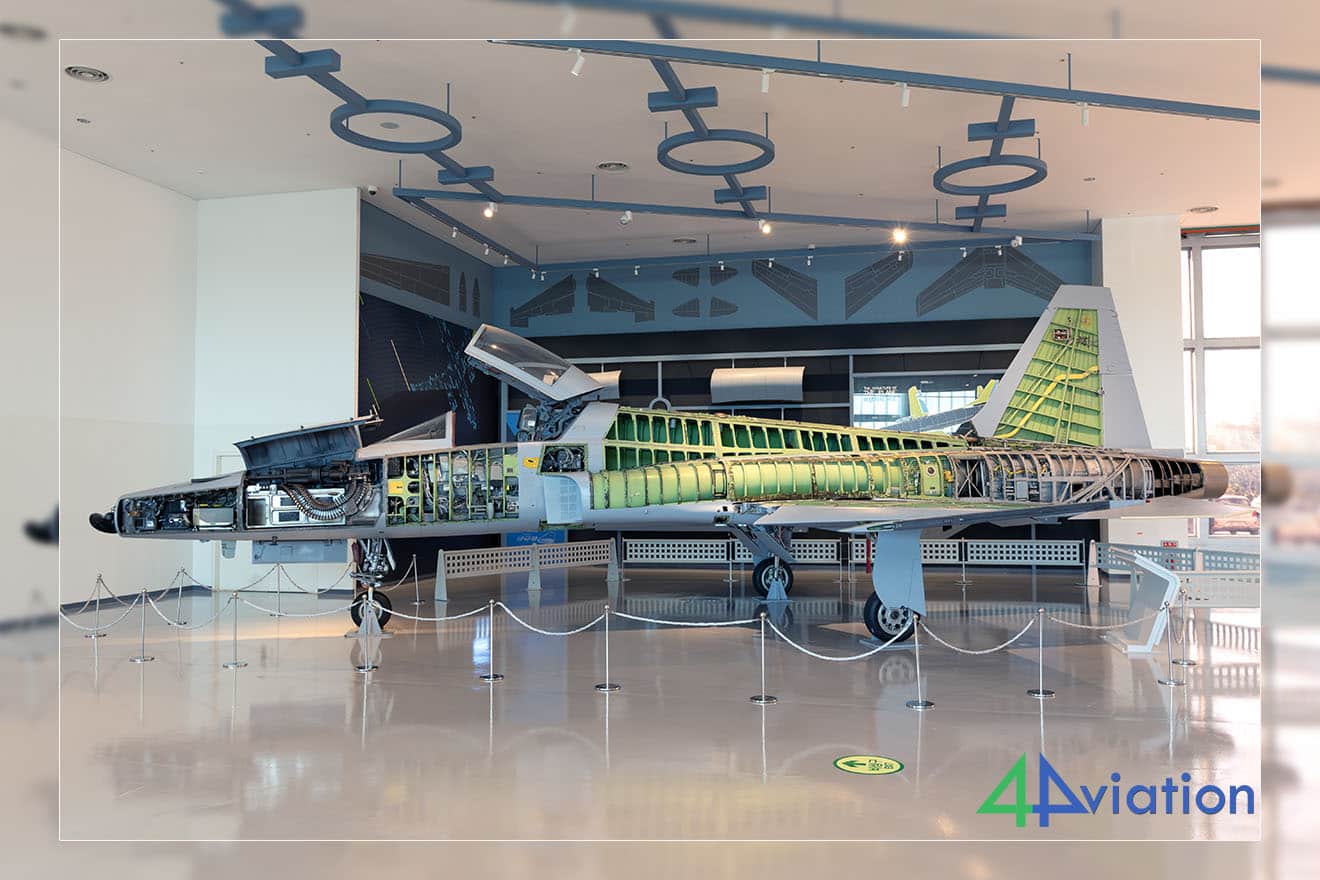
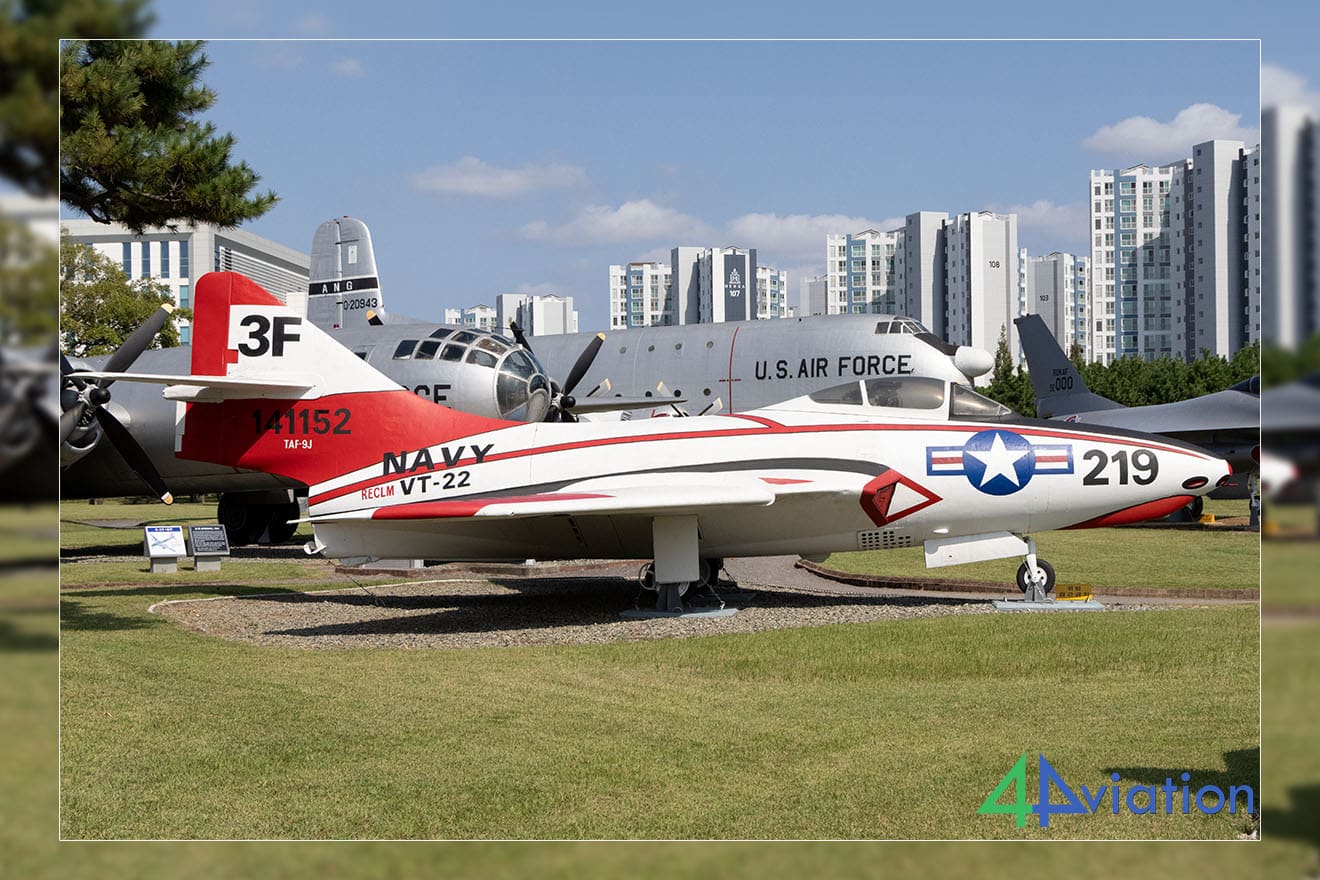
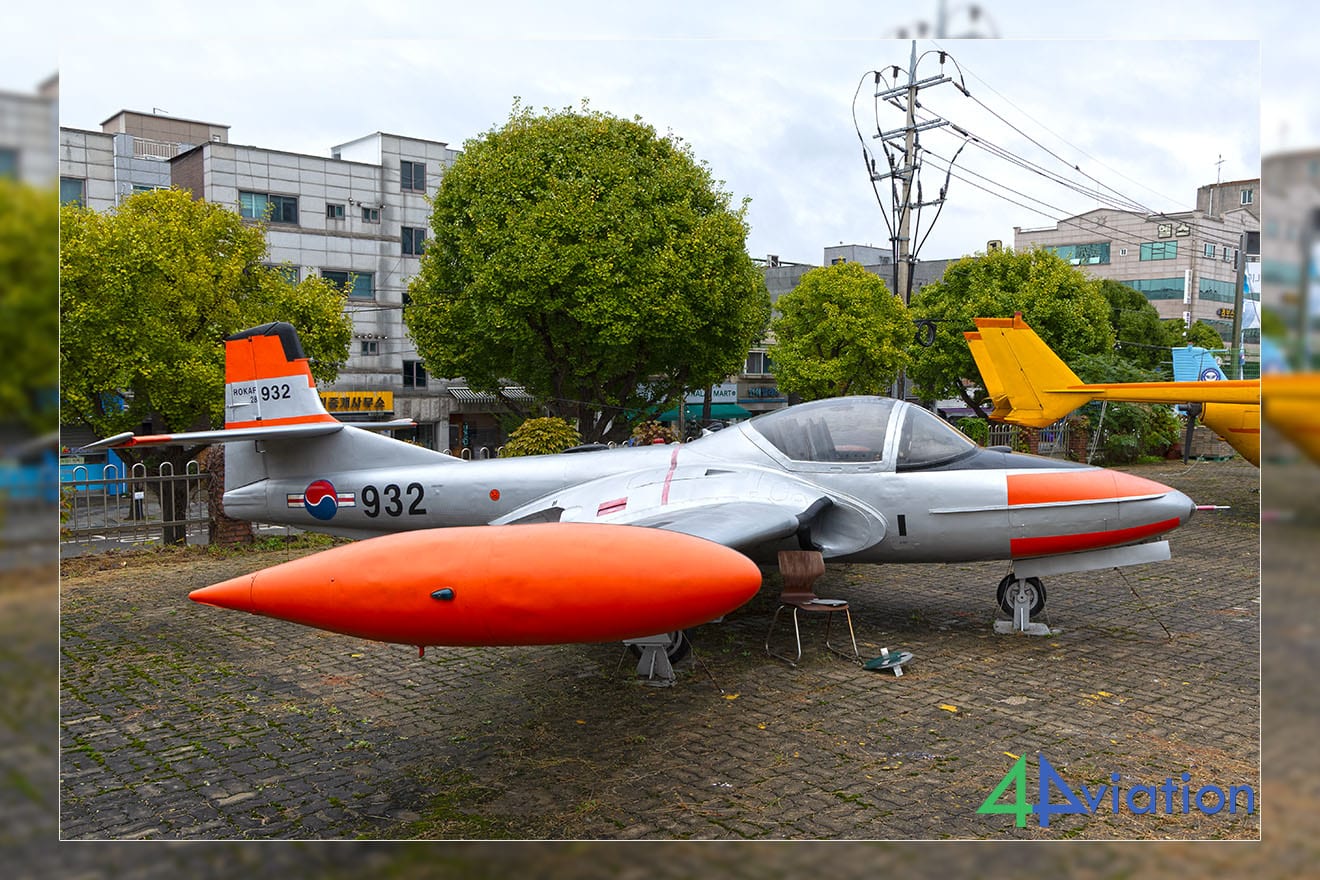
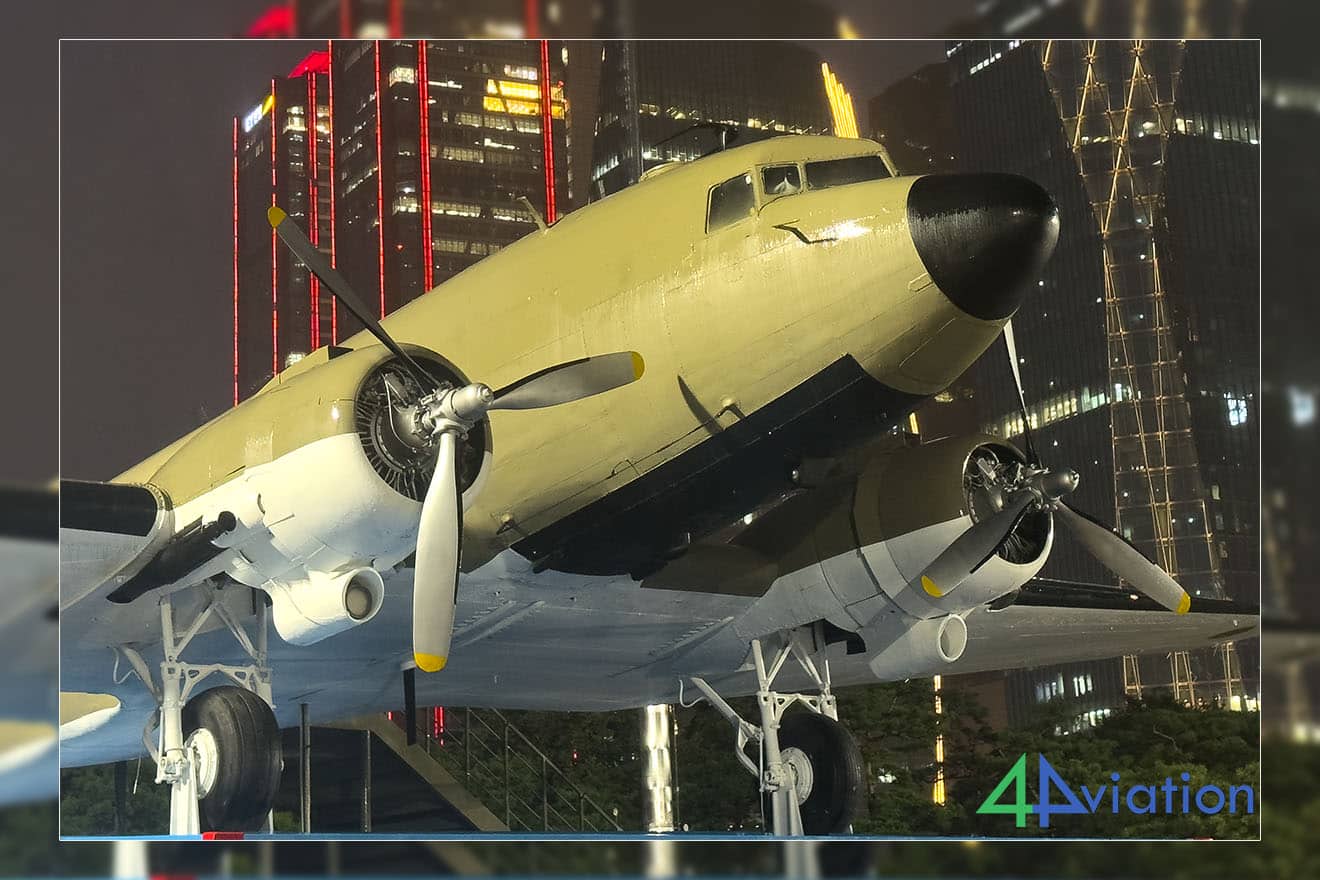
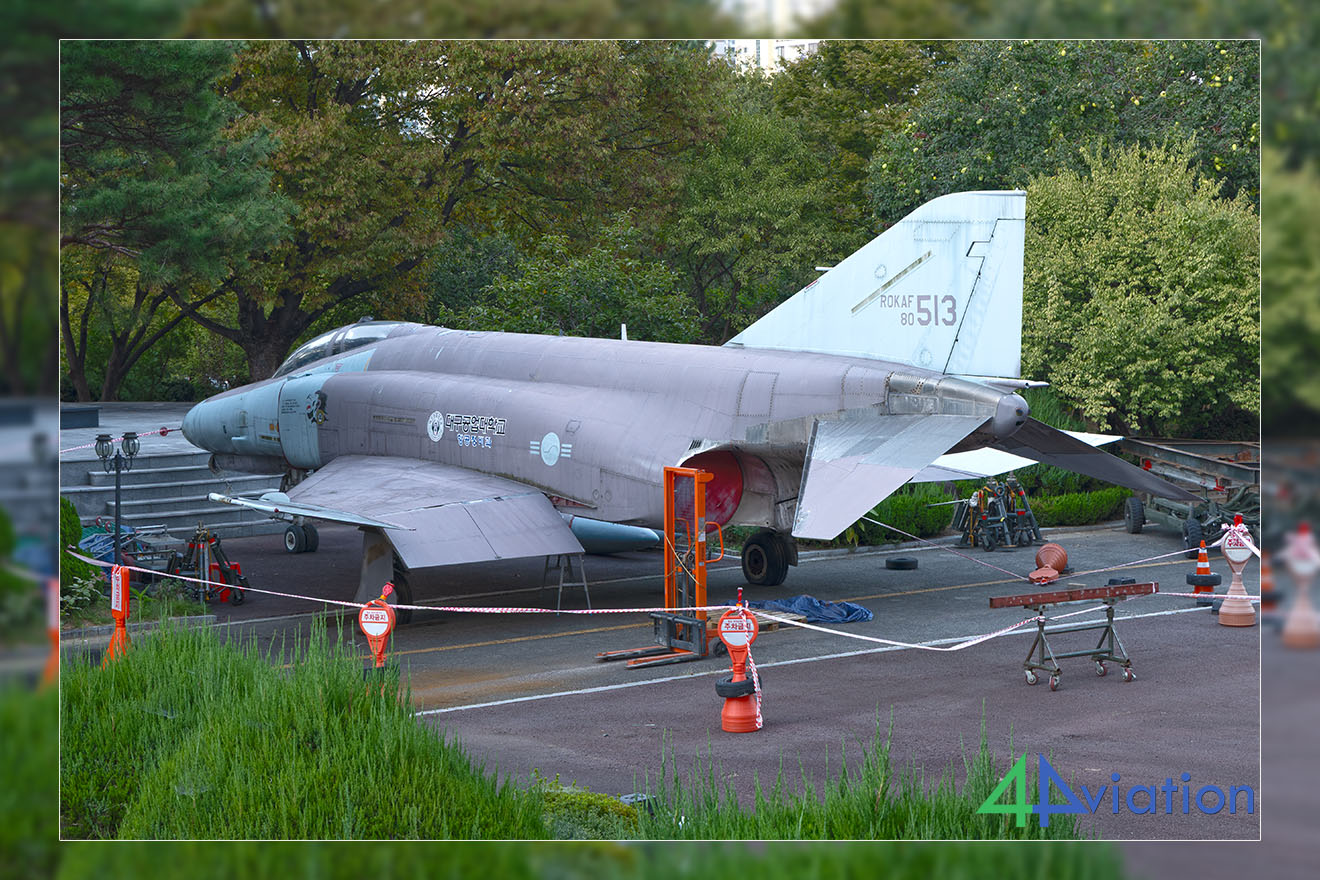
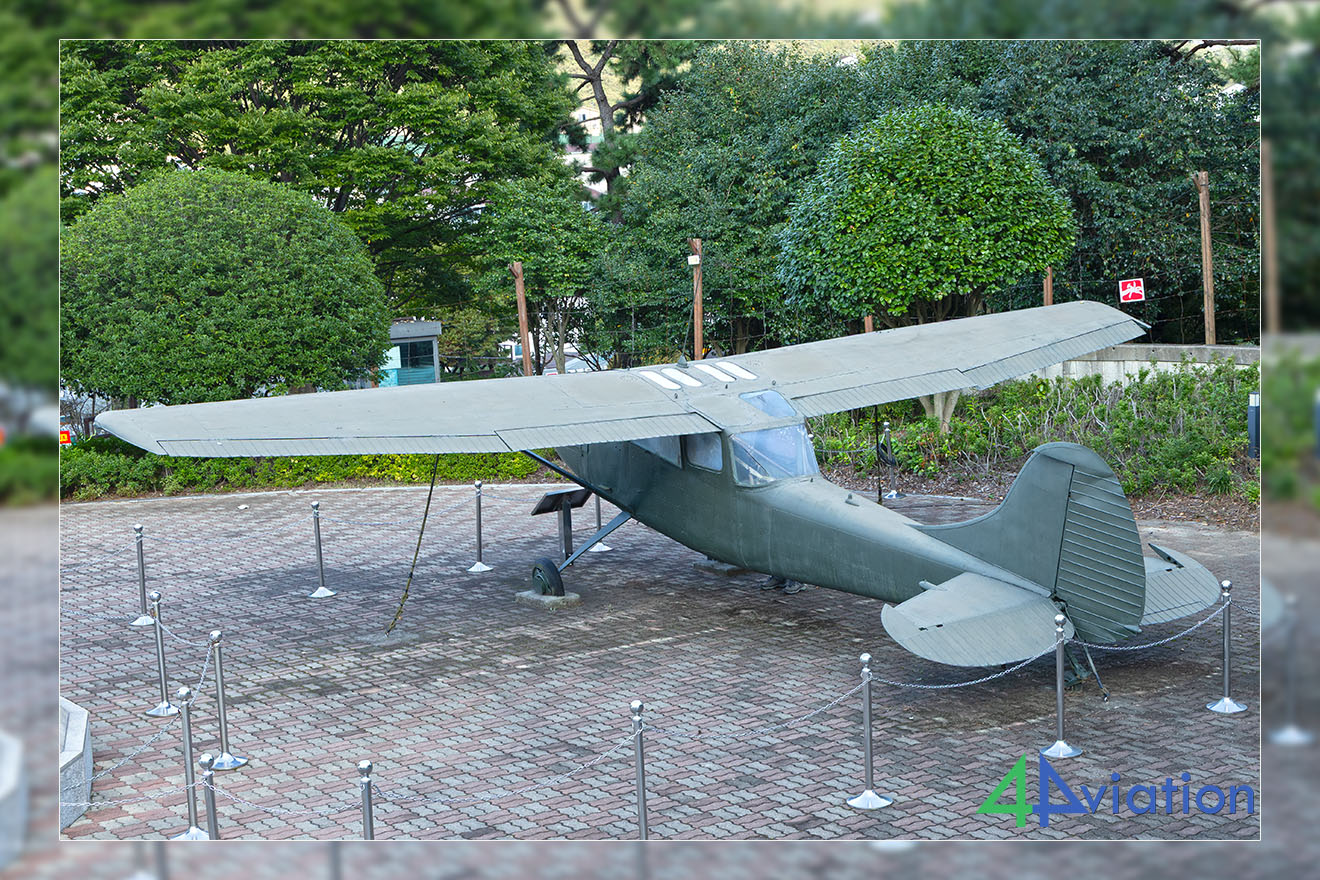
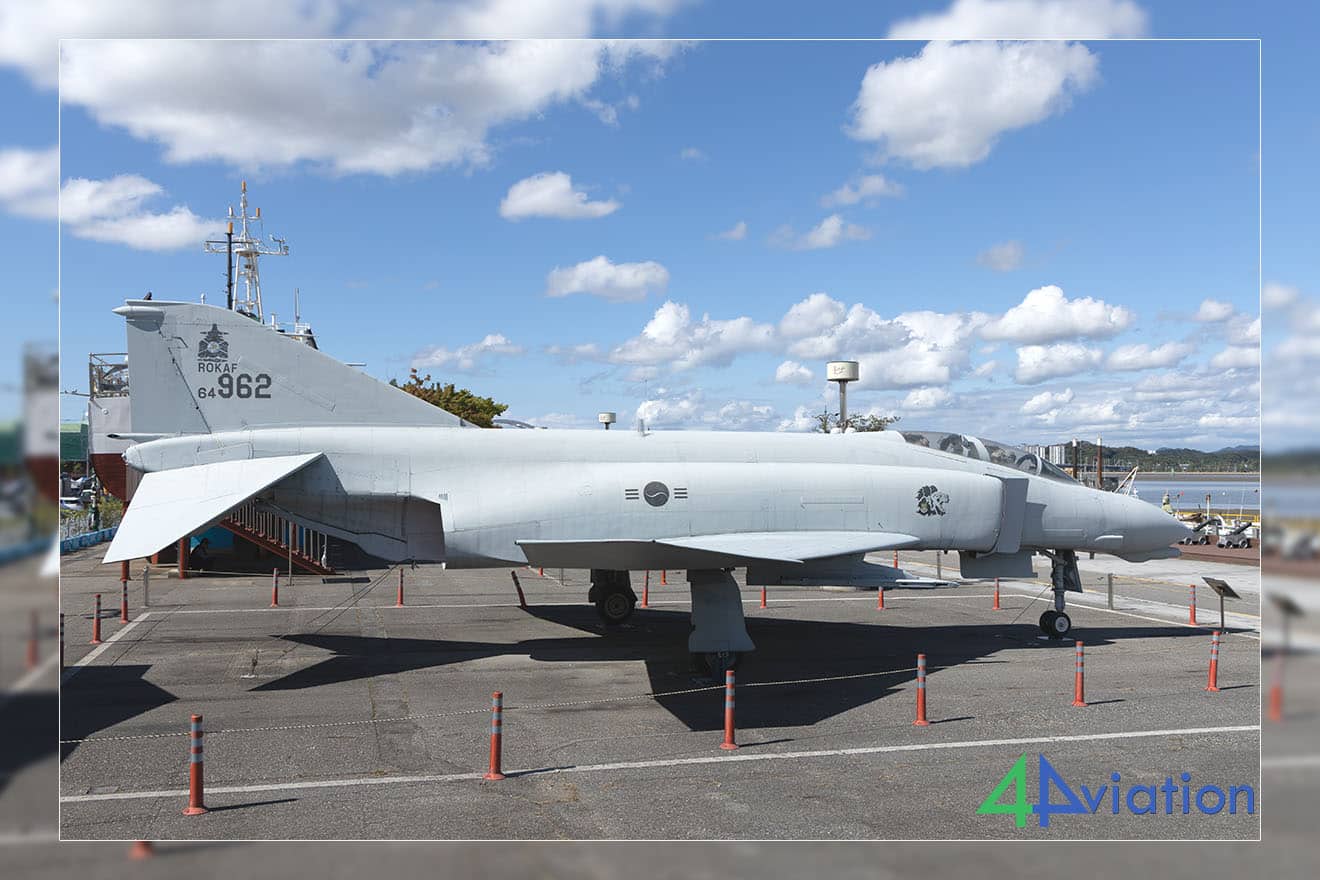
Most 4Aviation tours focus on active military fighter aircraft, as that is where most interest lies. This group, however, had a much broader interest. The goal was to see, record, and photograph as many military aircraft as possible: large or small, active or retired, propeller, helicopter, or jet-powered. Museum pieces, gate guards, or aircraft stored after years of service—everything was of interest. The idea was simply to enjoy all aspects and history of military aviation.
To plan the tour efficiently, several sources were used. These included the Order of Battle lists on the Scramble website, the Wrecks & Relics overview on Spottingmode, and especially the most recent data from Andy Marden’s books World Military Out of Service. All of these are highly recommended for thorough trip preparation.
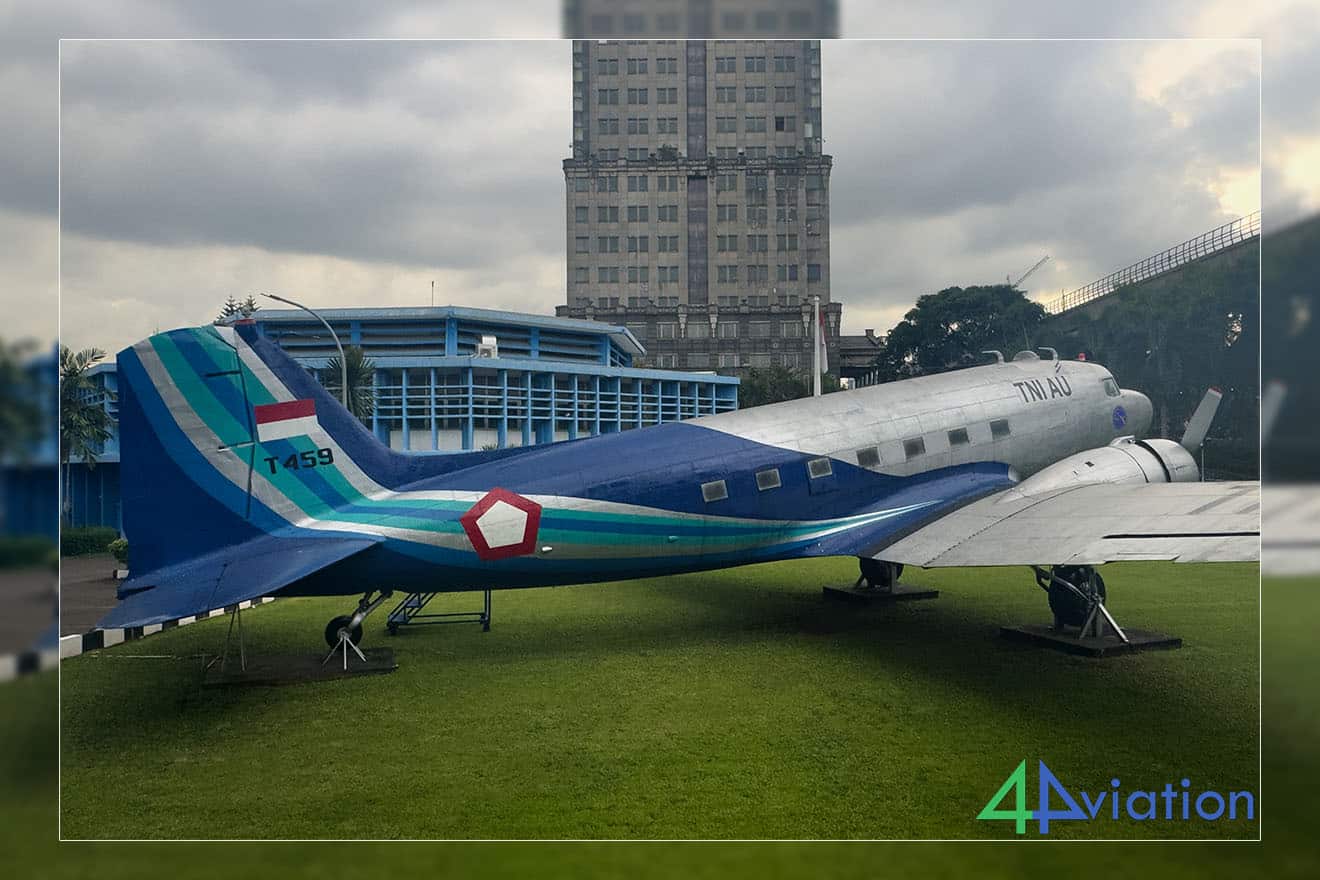
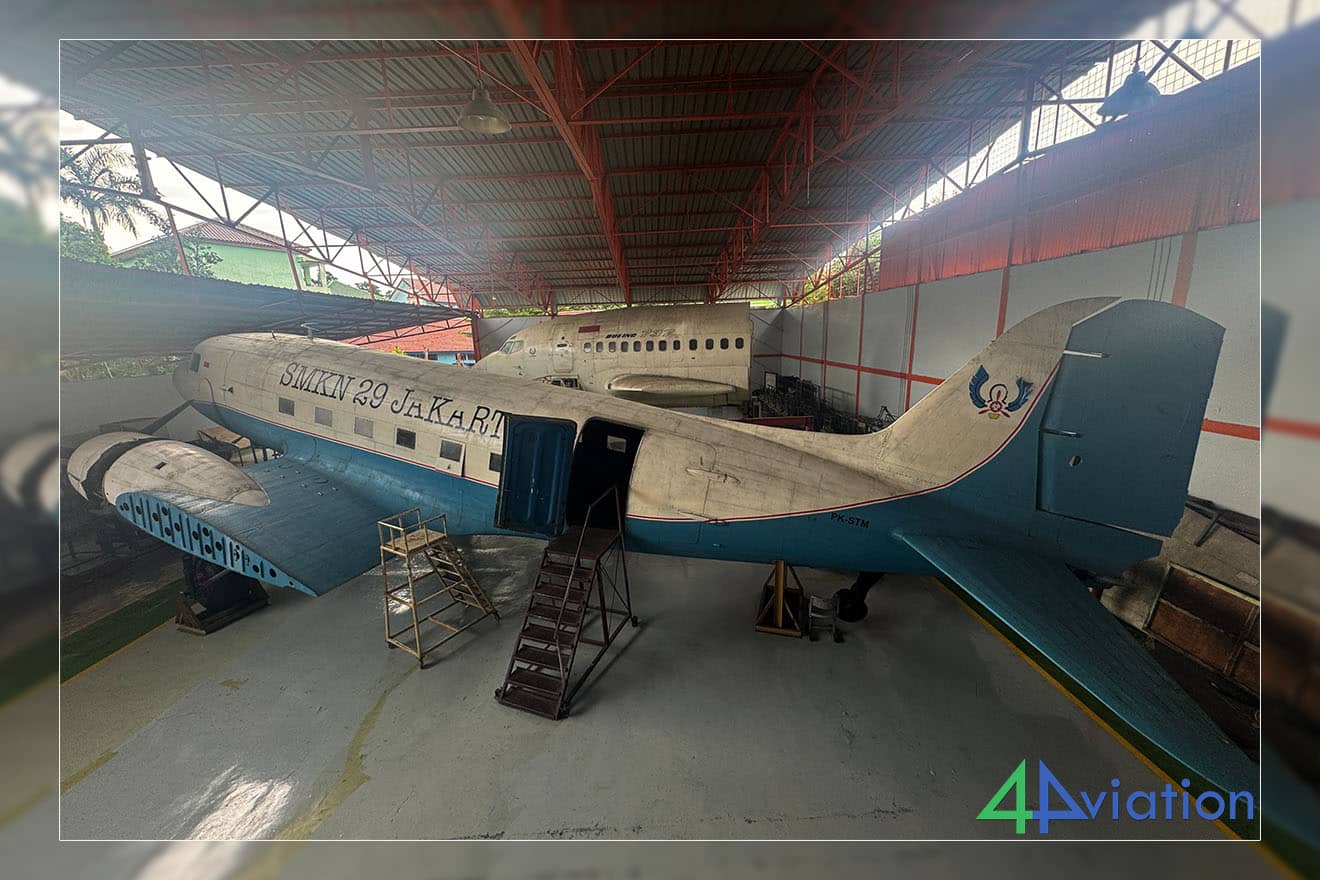
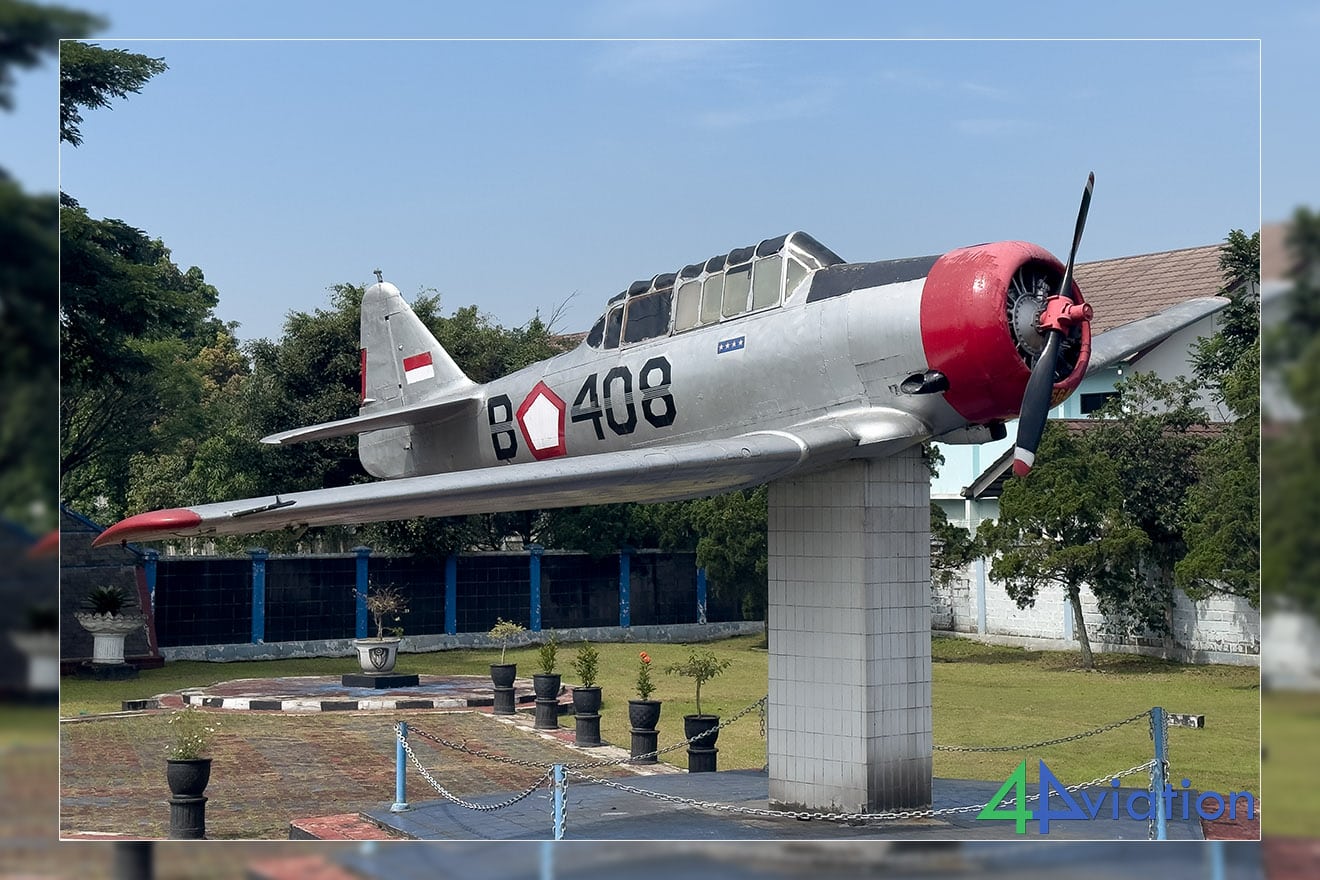
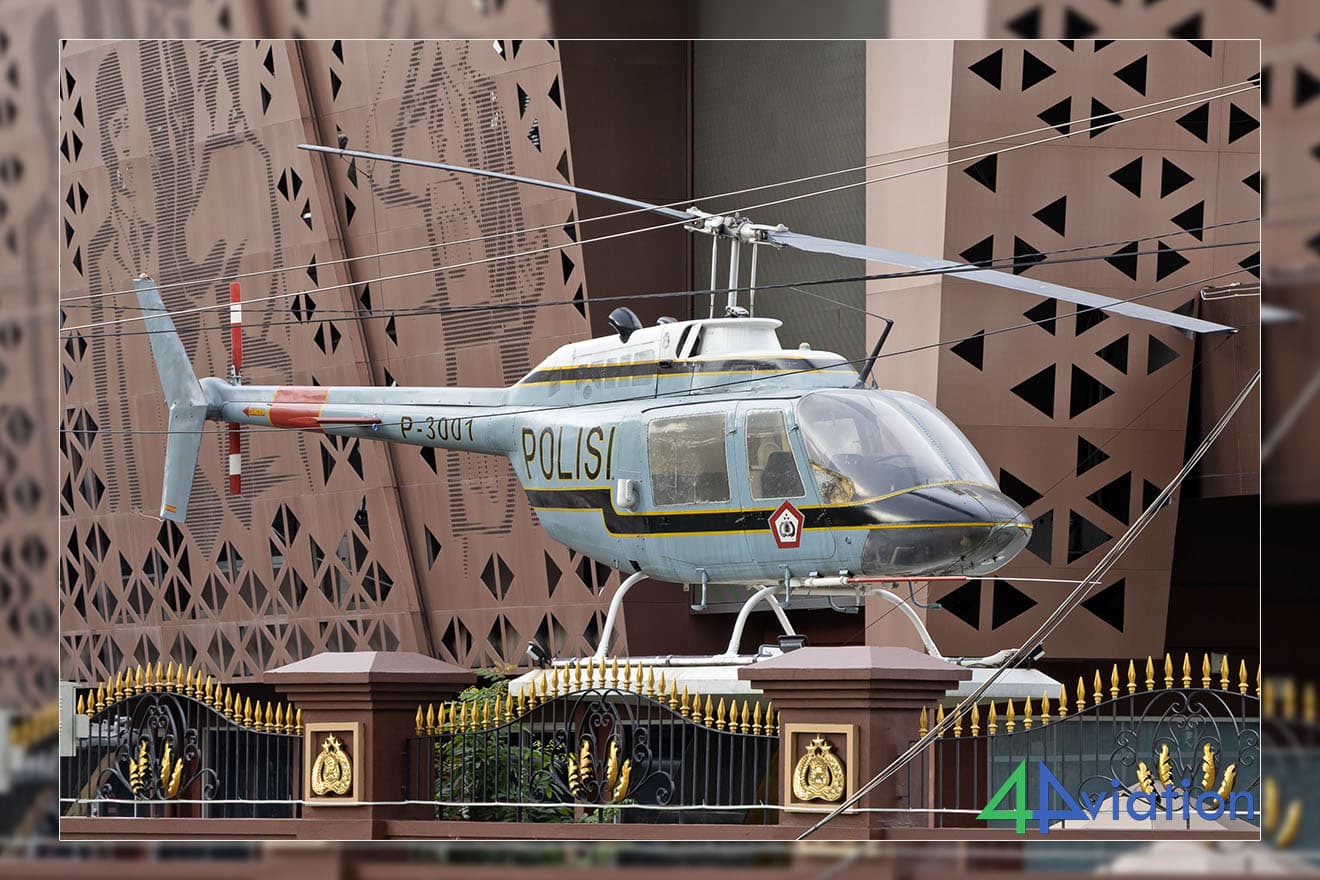
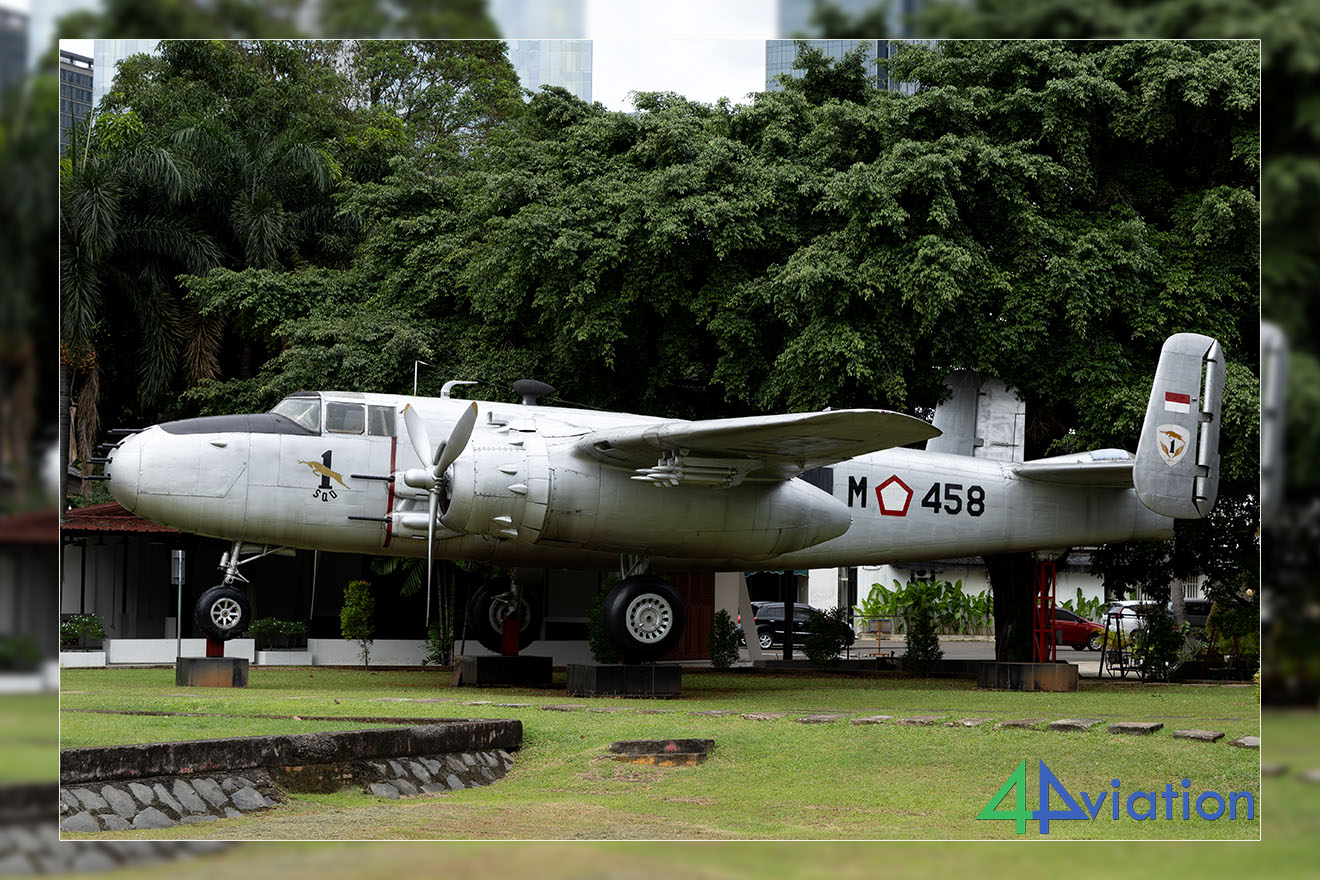
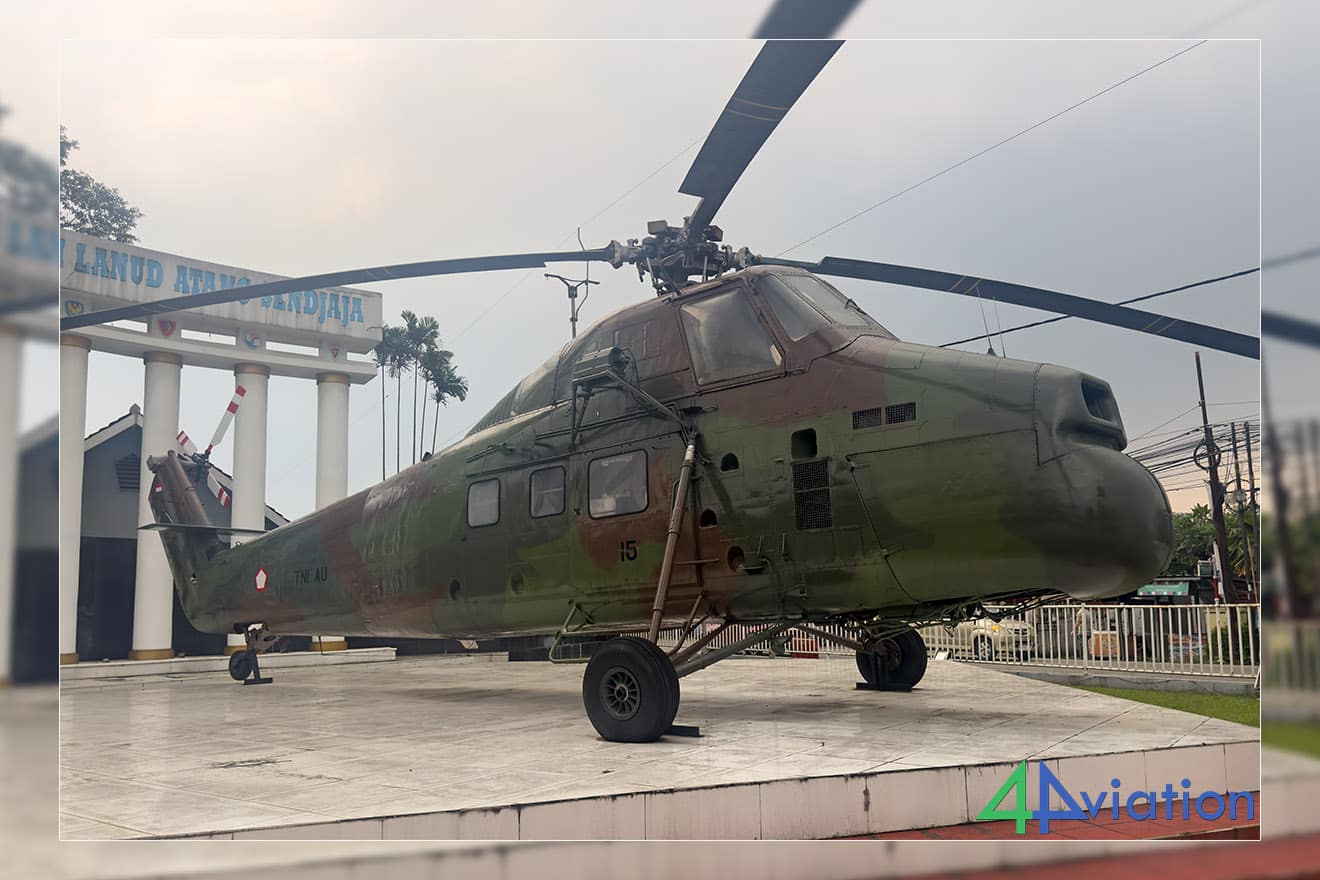
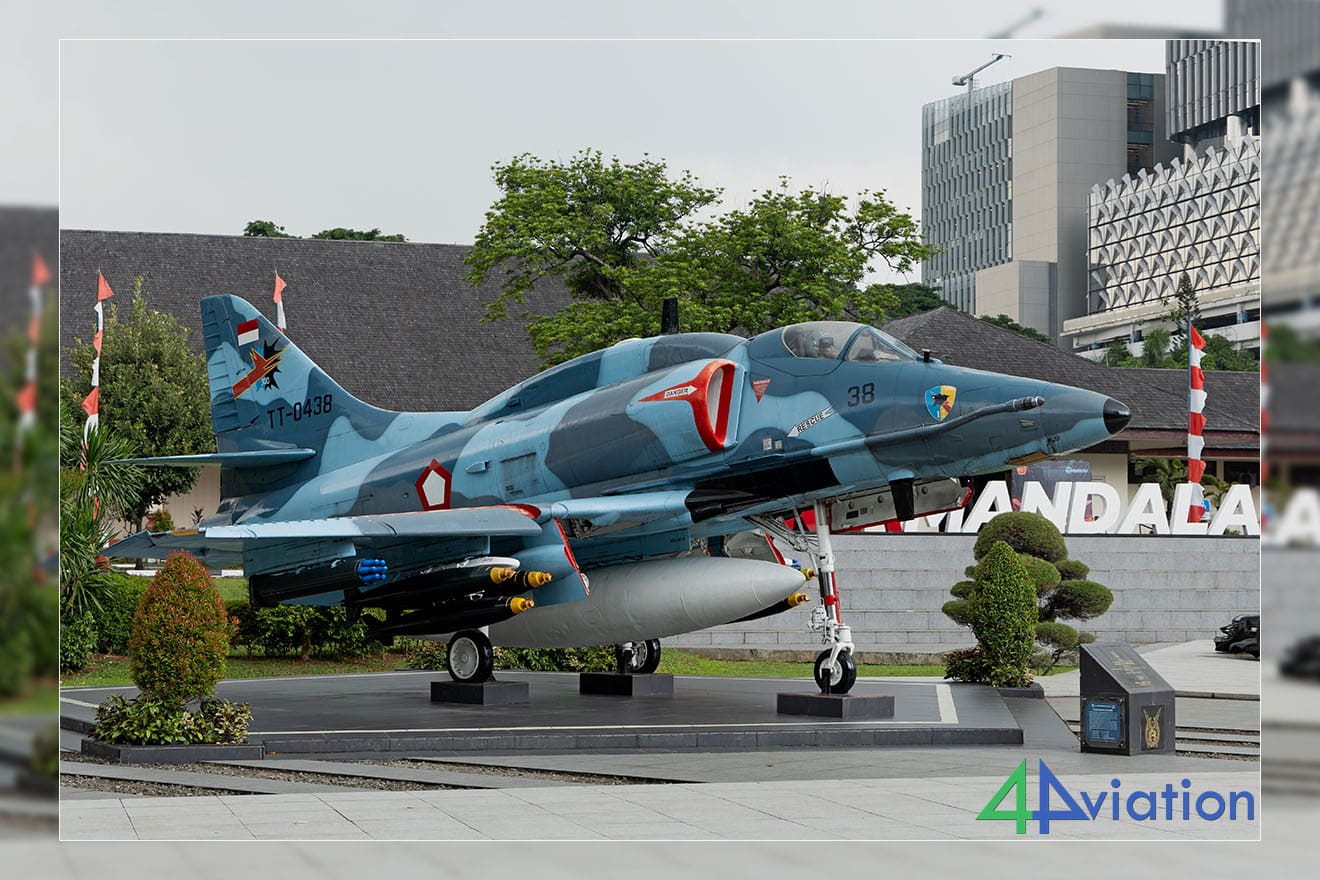
We started quickly, and the first C-47 near Jakarta Airport was soon logged. Via a Bell 206 at the Basarnas Headquarters (National Search and Rescue Agency), we reached the Abri Satriamandala Museum, which has a fine collection of historic aircraft and helicopters. After that, we visited a school where we received a very warm welcome. Here we found a T-6 mounted on a pole and a former ML-KNIL C-47 used as a teaching aid. In the corner of a hangar we also discovered a fuselage, most likely from a former ML-KNIL Commonwealth CA-6 Wackett—extremely rare. After seeing another Bell 206 at the police museum, a TA-4J in a park, and a third C-47 at a school, the long day came to an end. Having skipped a night of sleep on the flight, we were ready for some rest. At the hotel, we met a few other aviation enthusiasts who were traveling independently. Their route was different, but staying in touch is always useful for sharing information.
On Friday, 3 October 2025, we set out early again. From our hotel we had some view of the flight lines at Halim-Perdanakusuma Air Base and already saw several fighters with open canopies. This day was the rehearsal for the parade celebrating the 80th anniversary of the Indonesian National Armed Forces (HUT TNI), which would fly over the National Monument (MONAS) in central Jakarta.
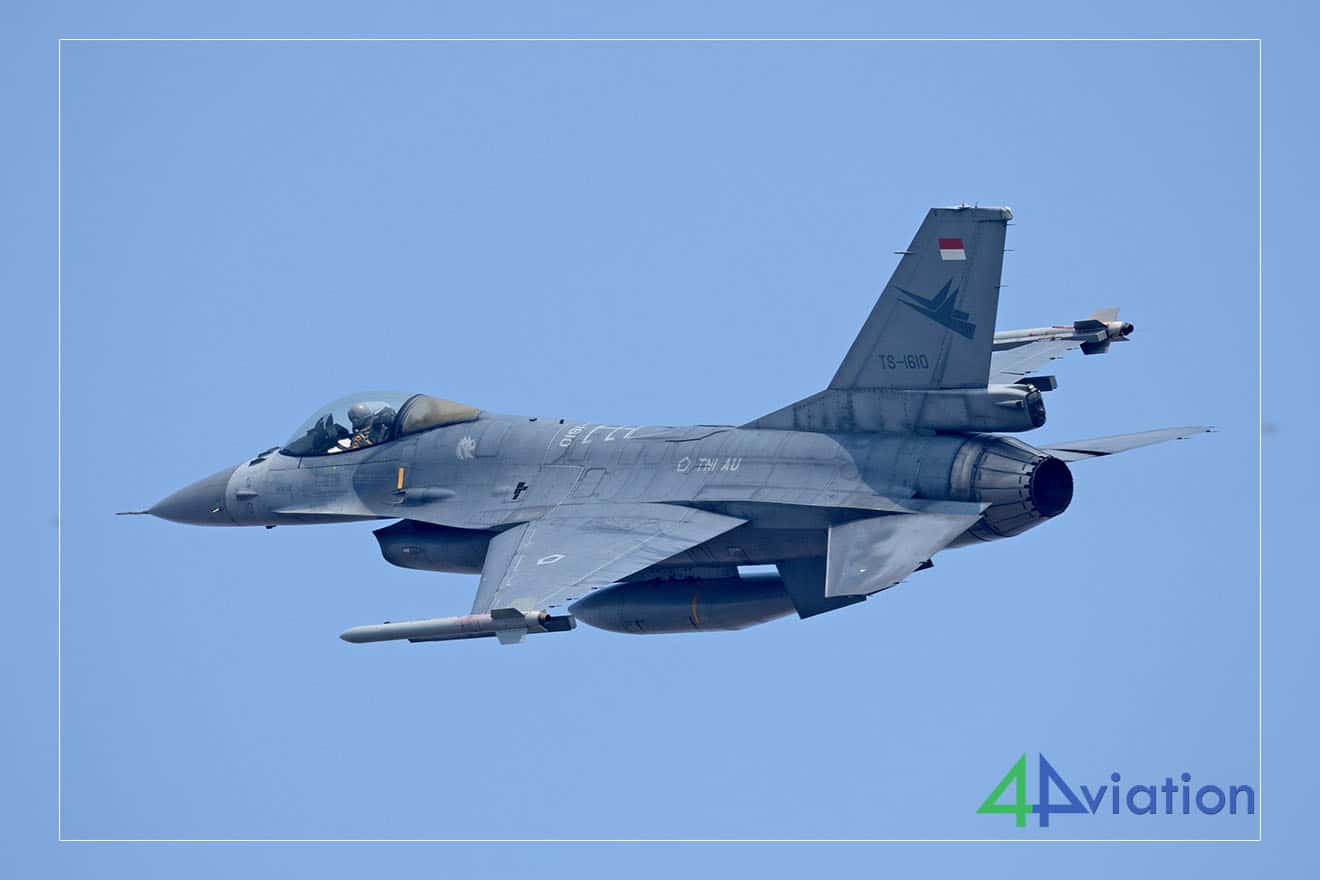
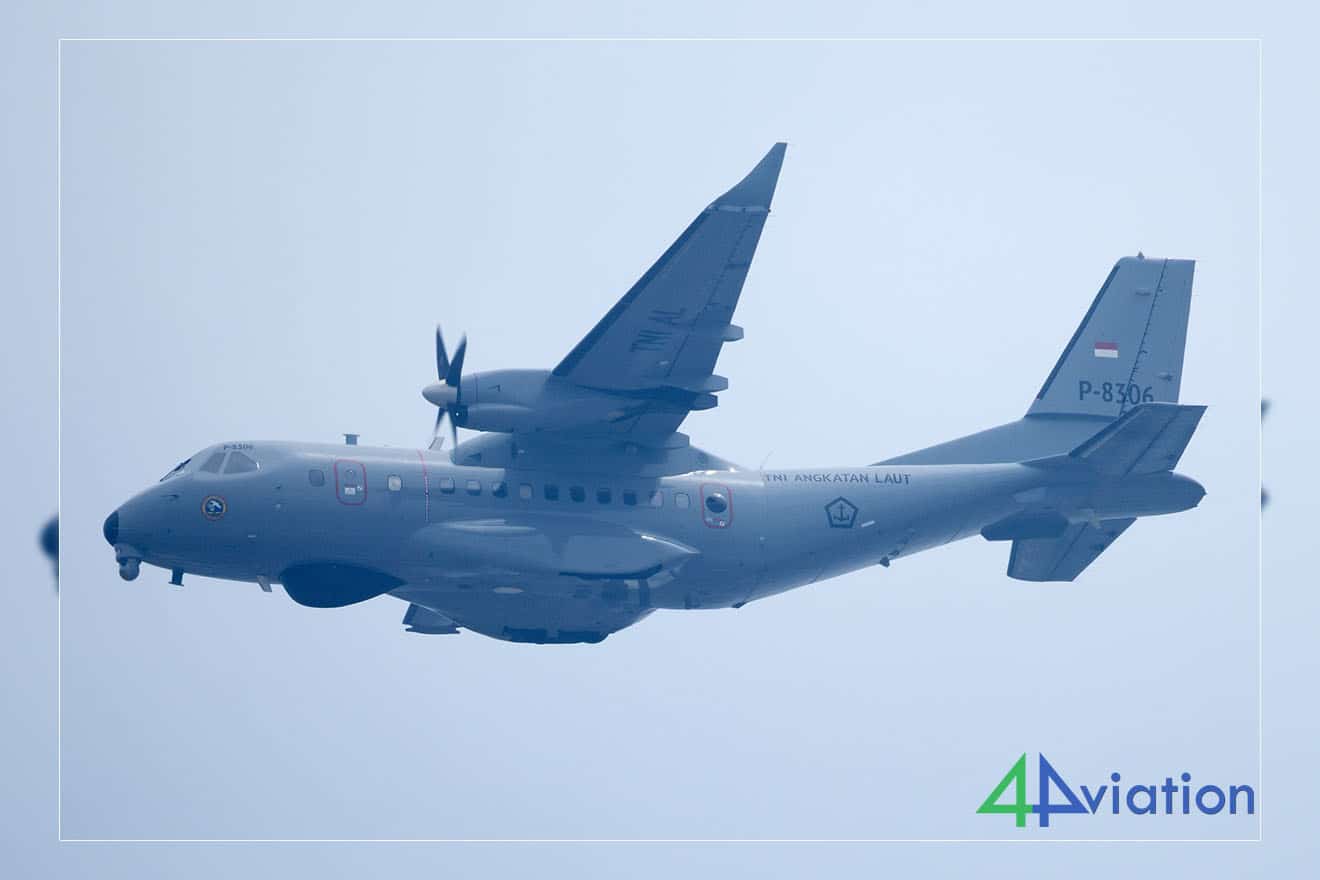
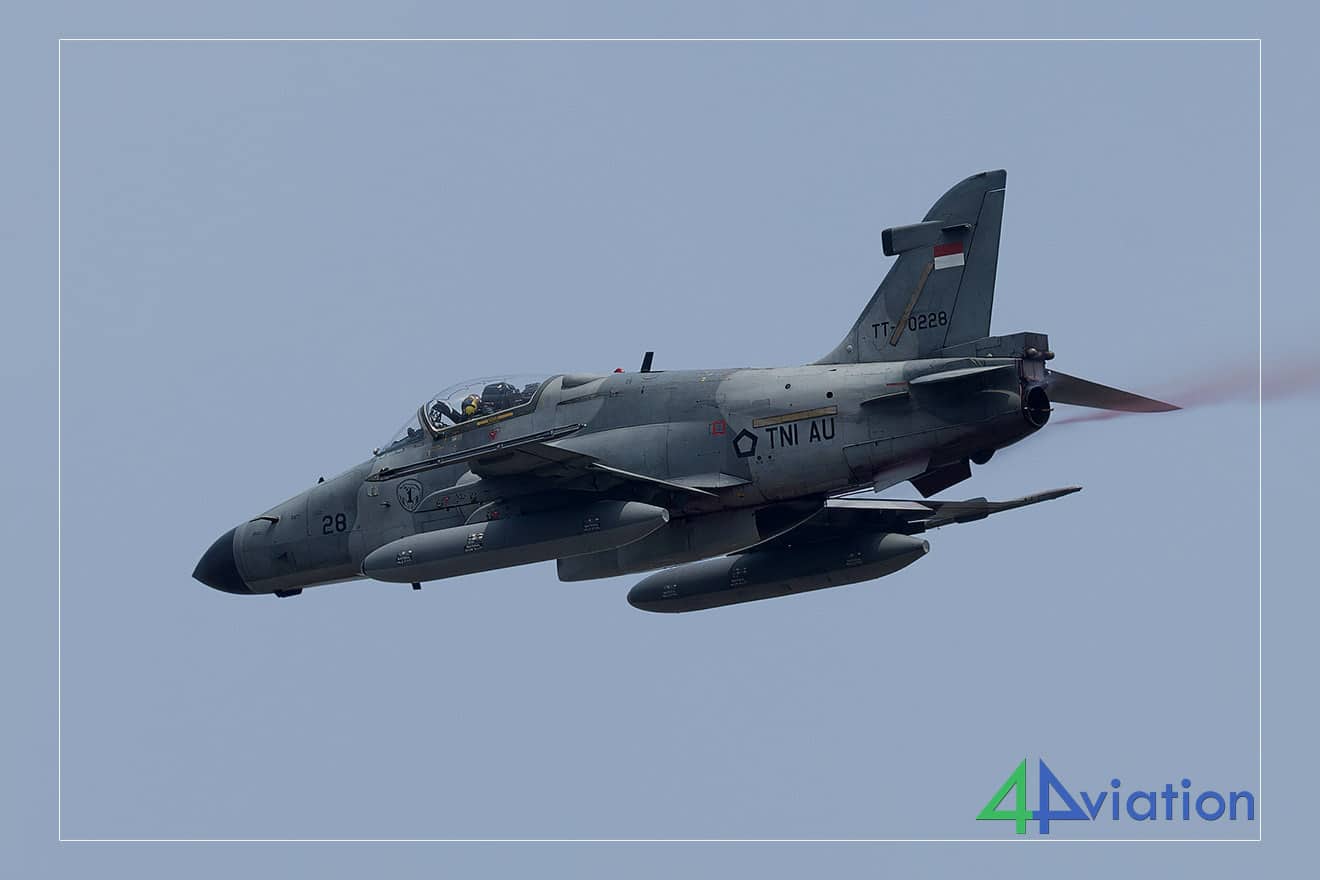
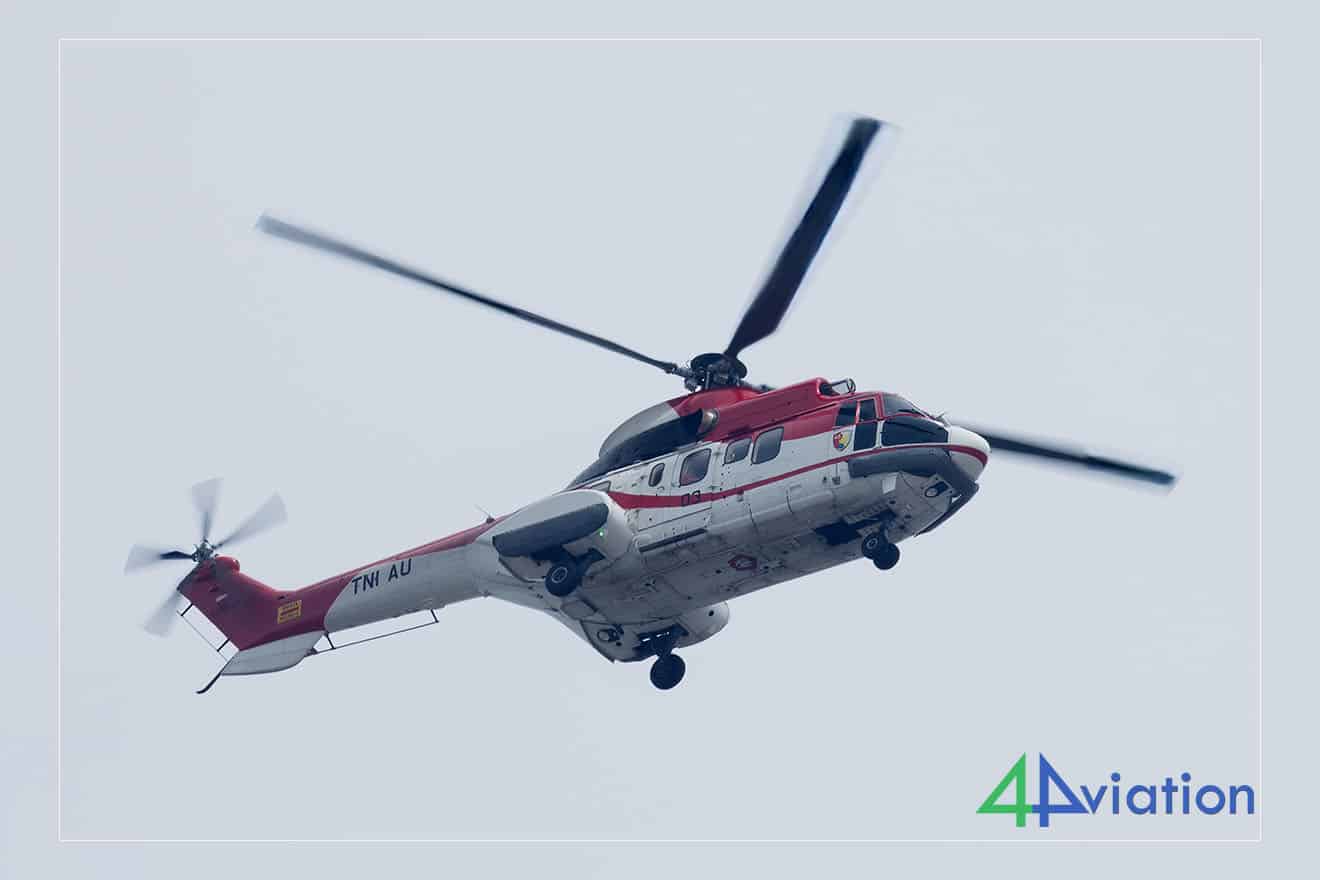
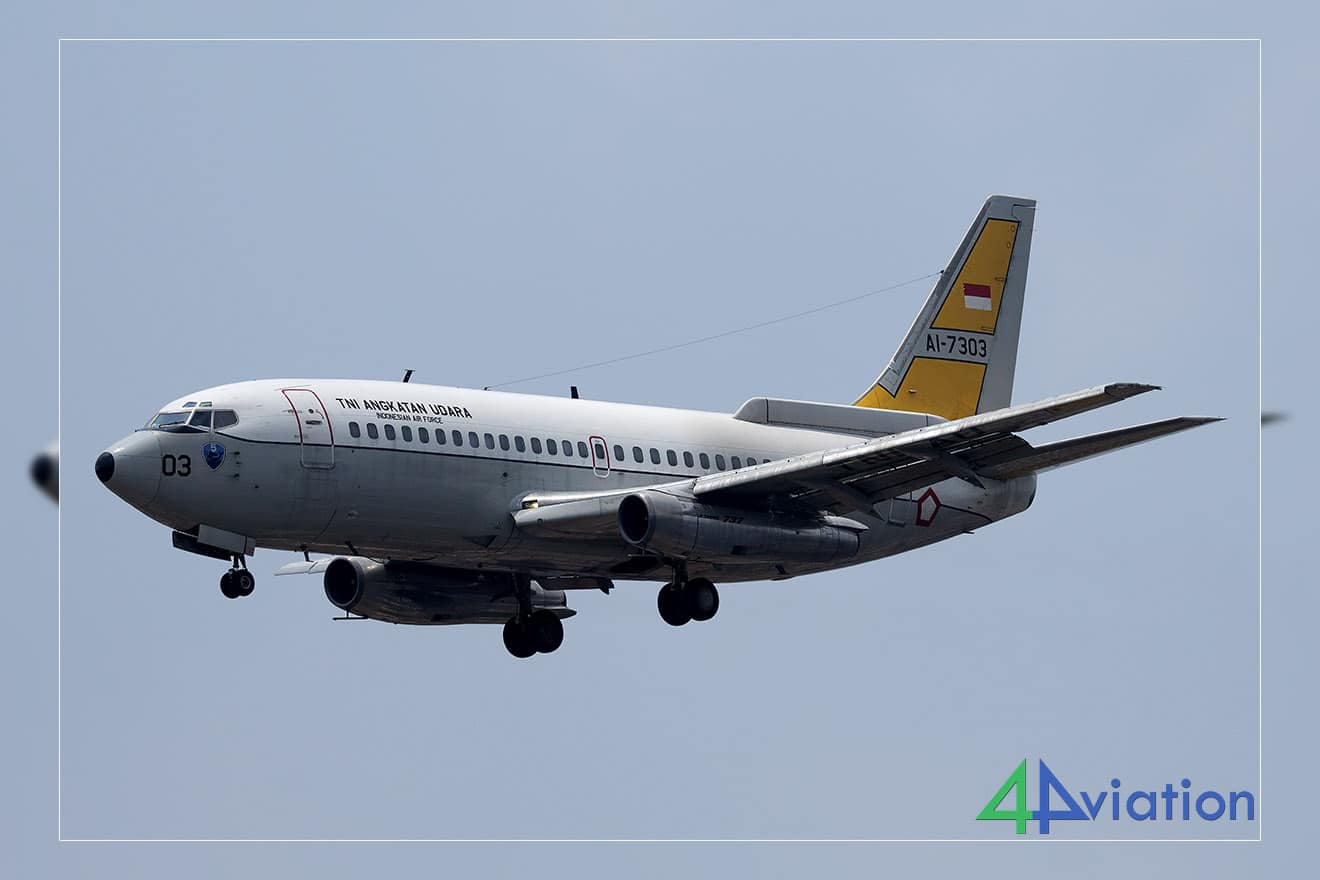
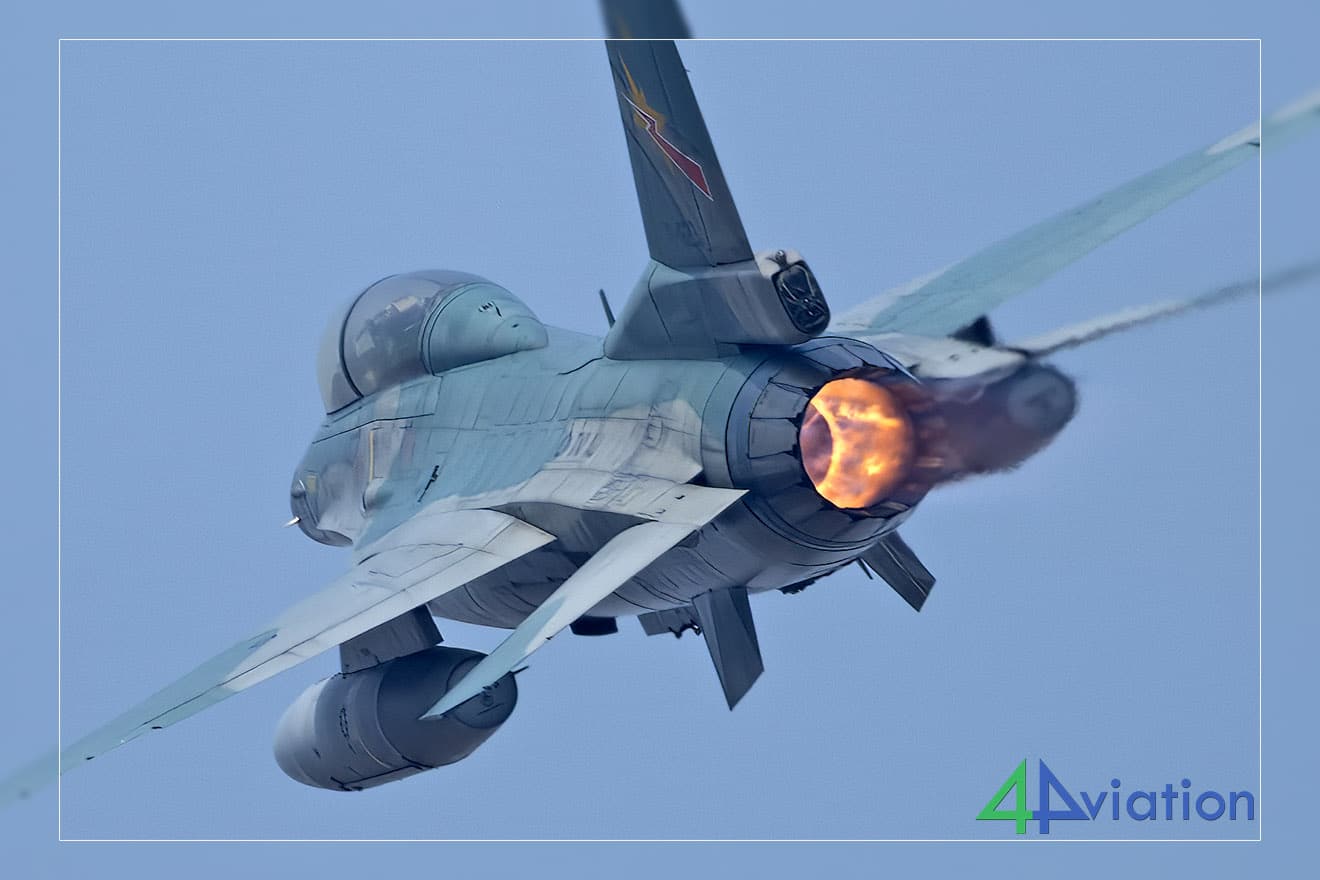
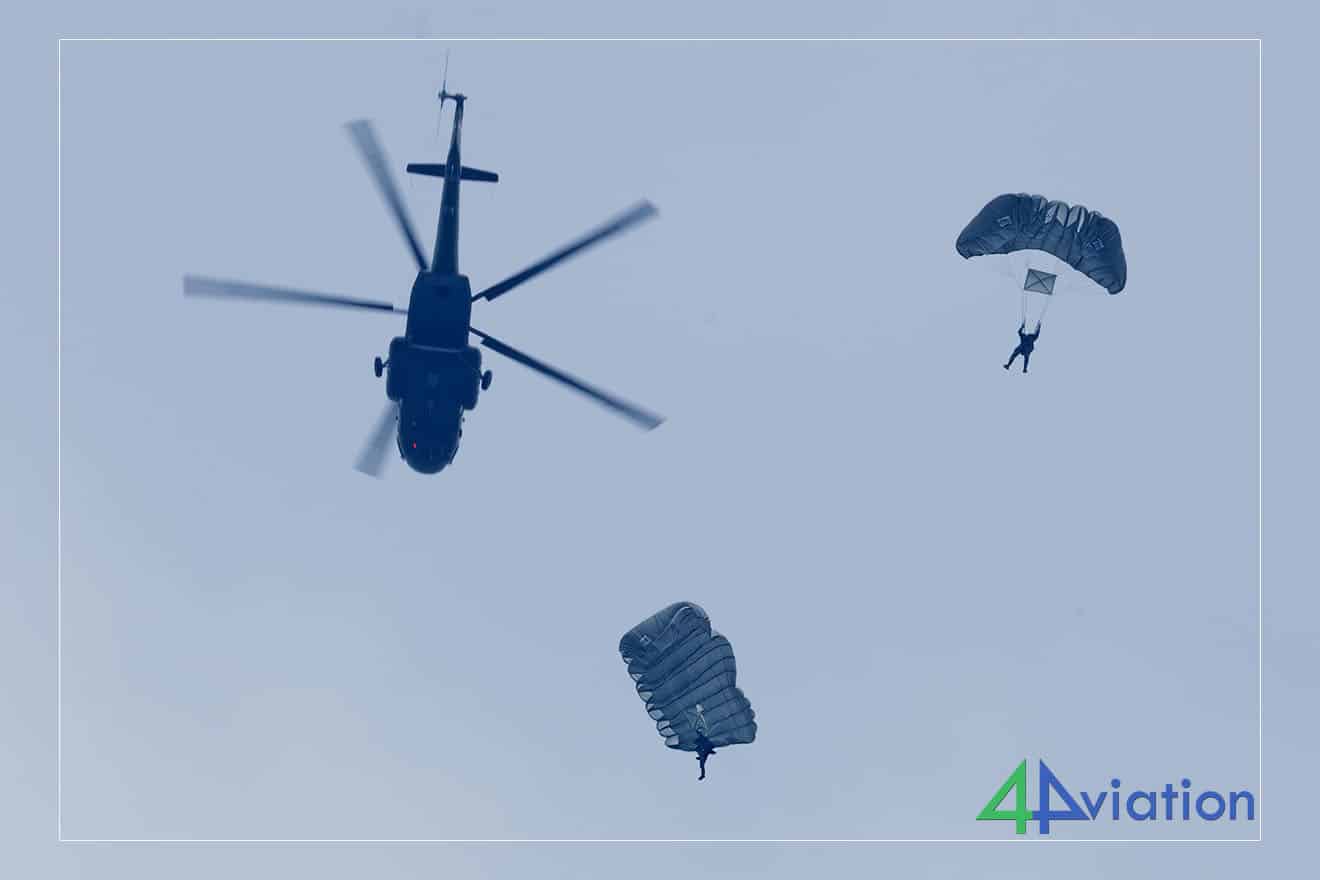
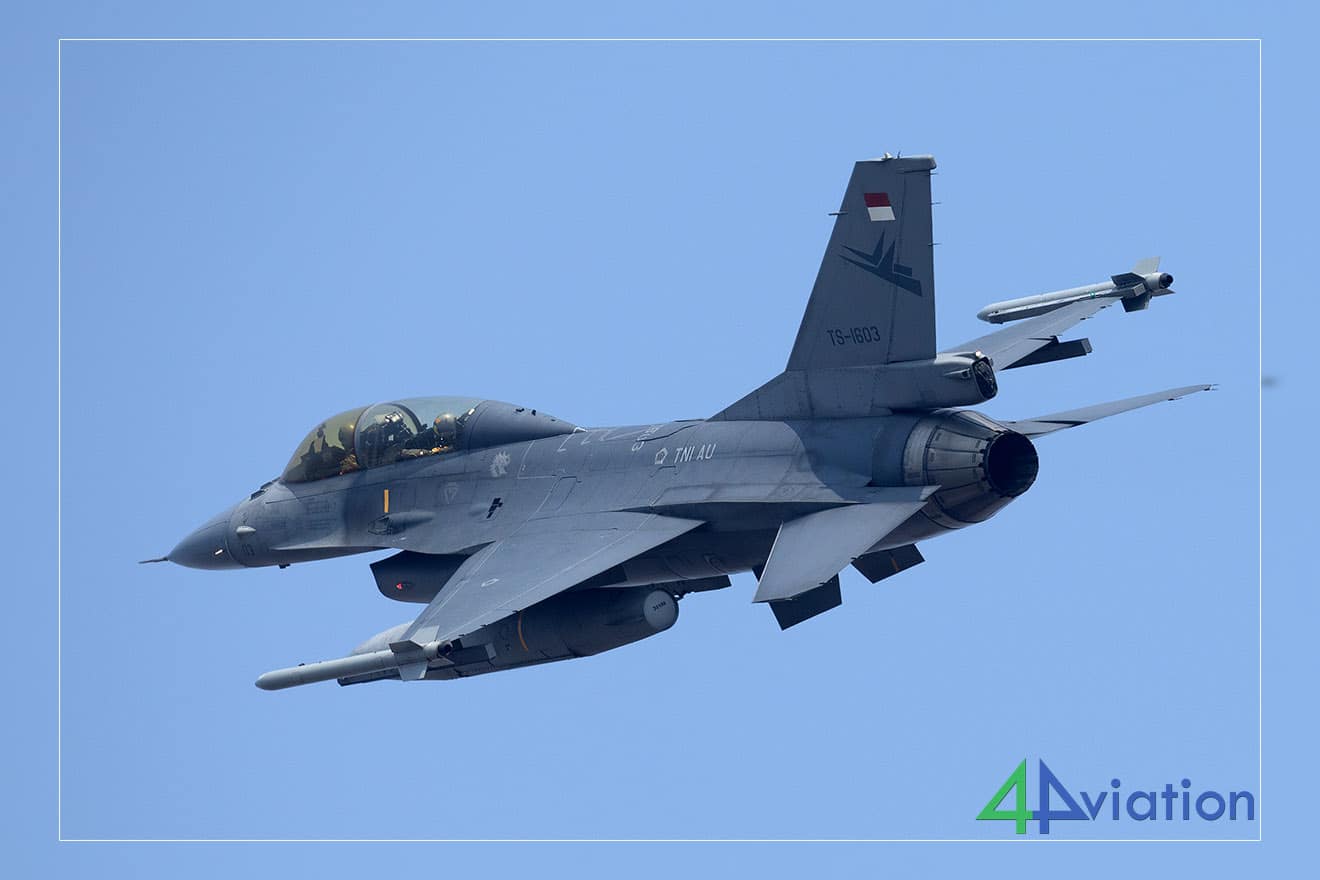
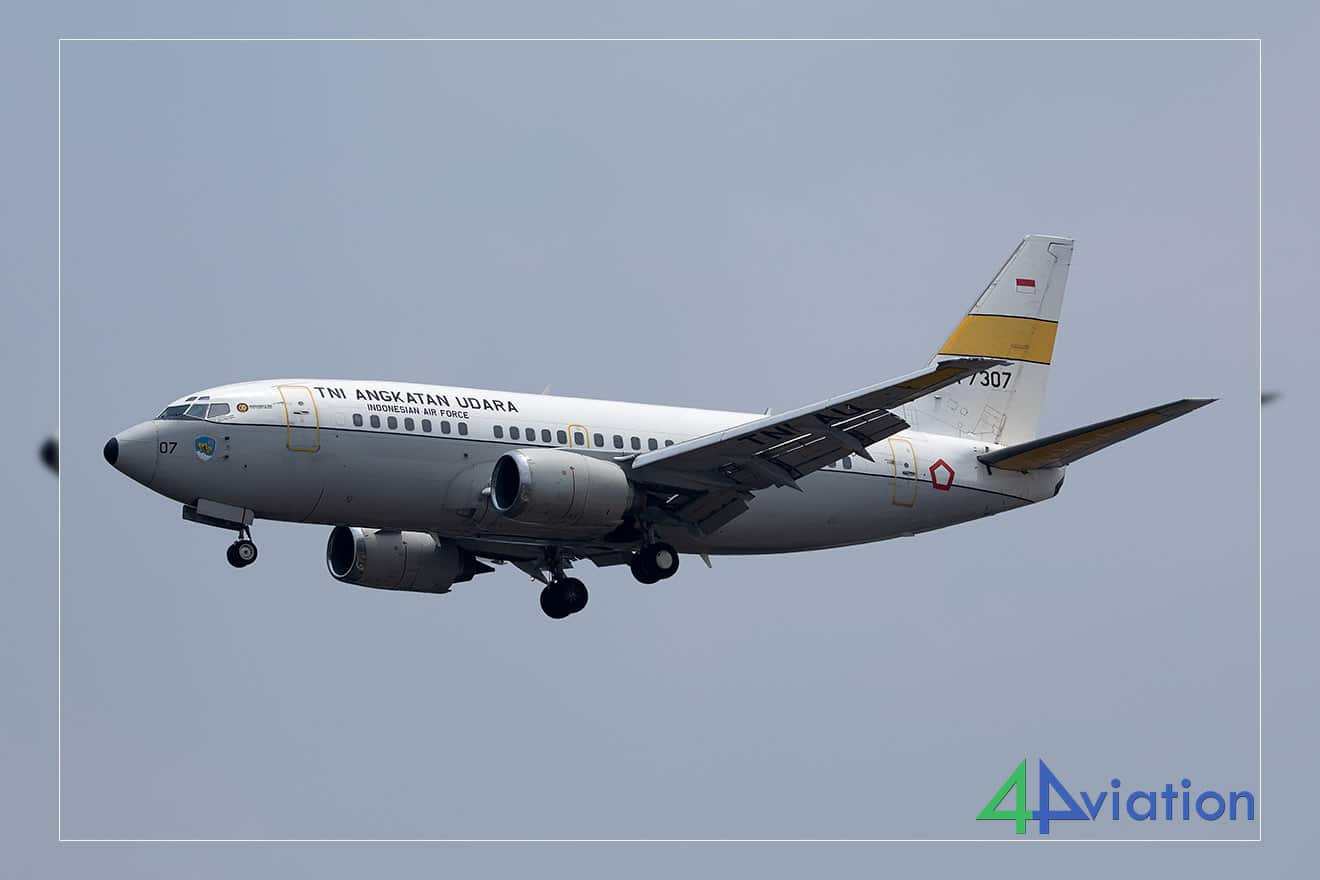
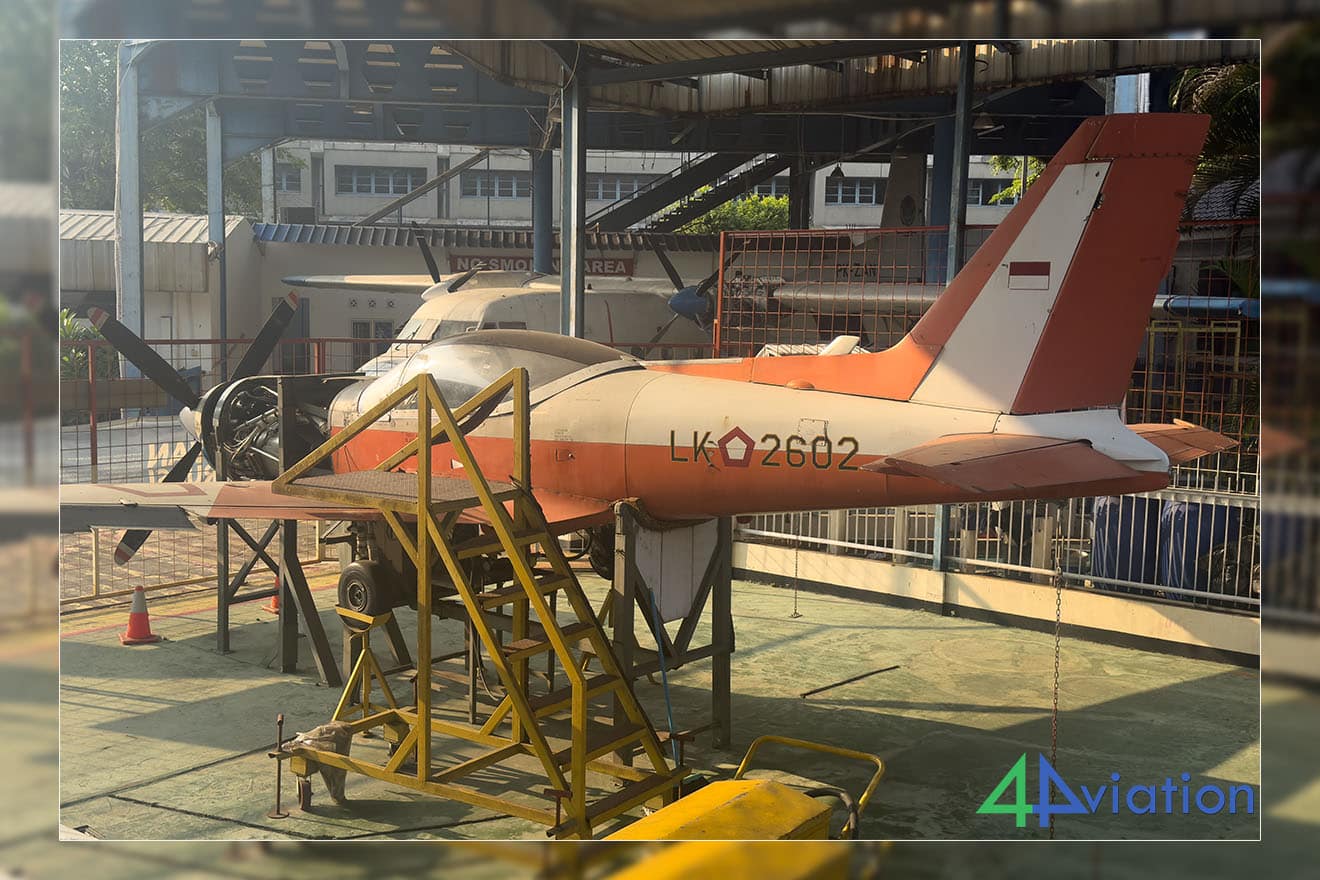
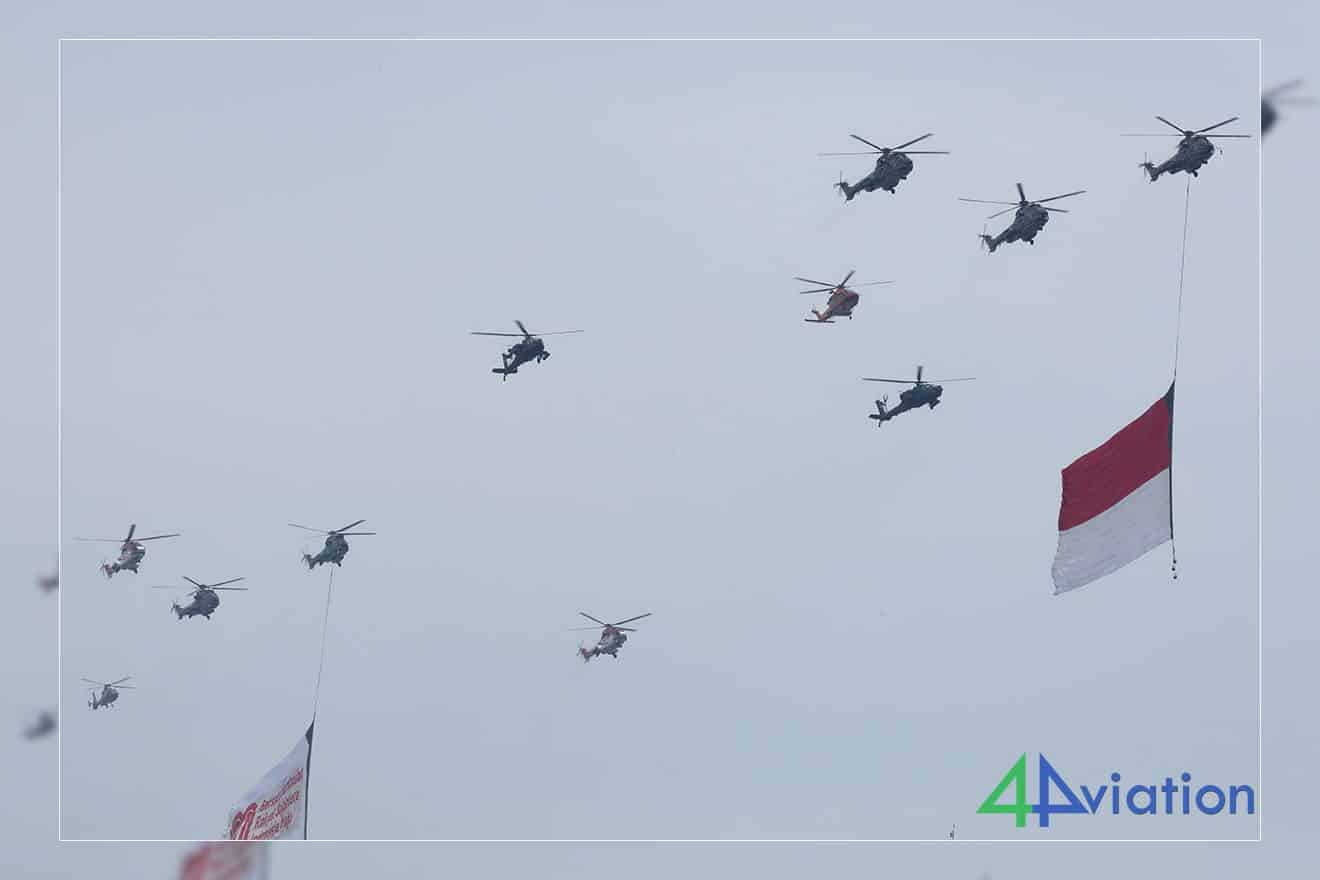
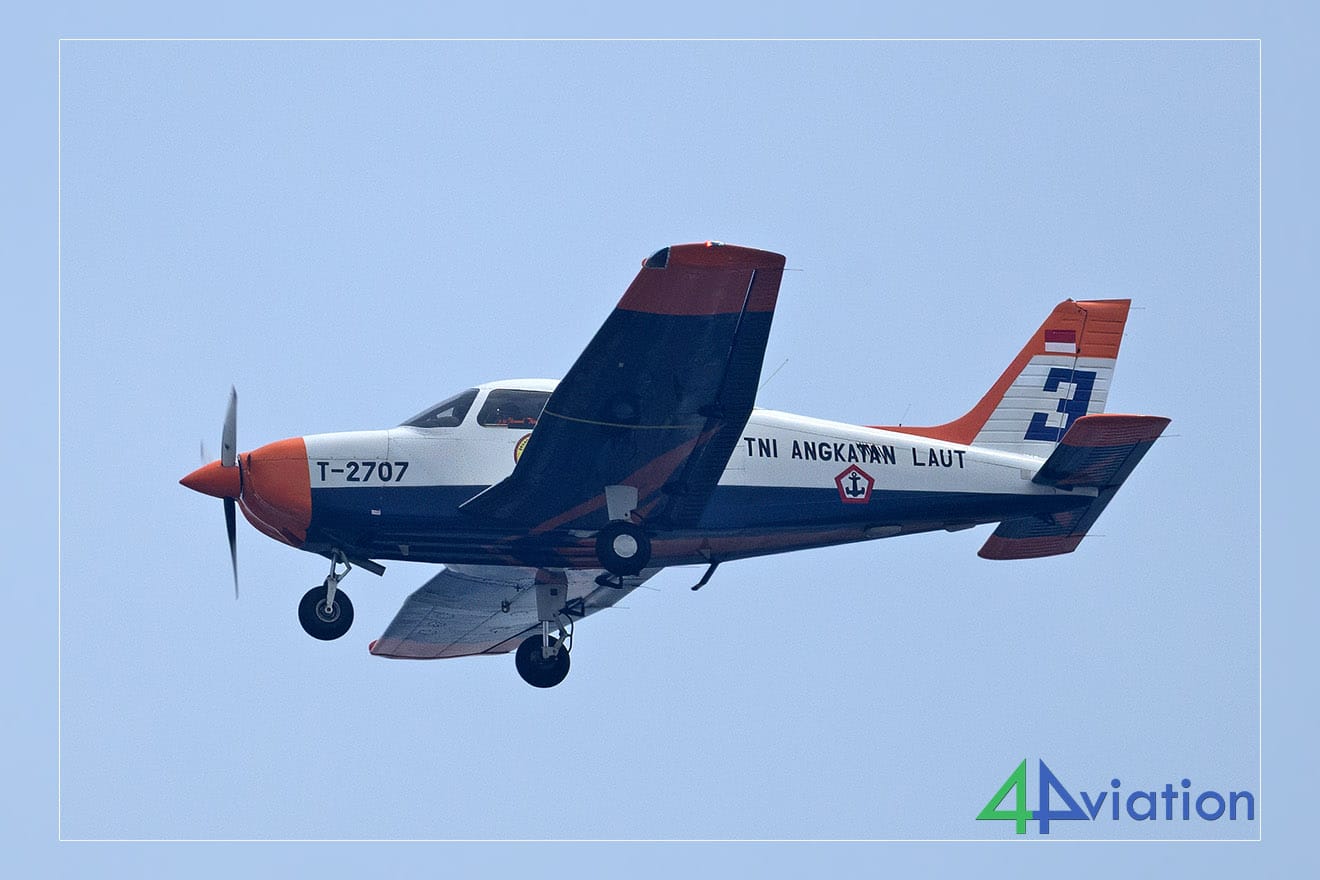
After a quick stop at an SF-260, we headed toward the city center. In the distance, we saw Team Jupiter performing their display with KT-1s—we were too late for that, as they had started very early. From our position along the parade route, we waited to see what would happen. Information was limited, and we did not know the exact timing or flight direction. When a military Boeing 737 started circling over the city, we knew something was coming. ADS-B showed some activity, and soon after, an F-16 appeared, followed by air combat maneuvers involving F-16s and T-50s. There were helicopter demonstrations and paradrops by an army Mi-17 and an air force C-295. Then came the main flypast: about 80 aircraft, interrupted by formations of helicopters from different services. In total, over 120 aircraft participated. Photographing them was challenging due to distance and speed, but we were very satisfied.
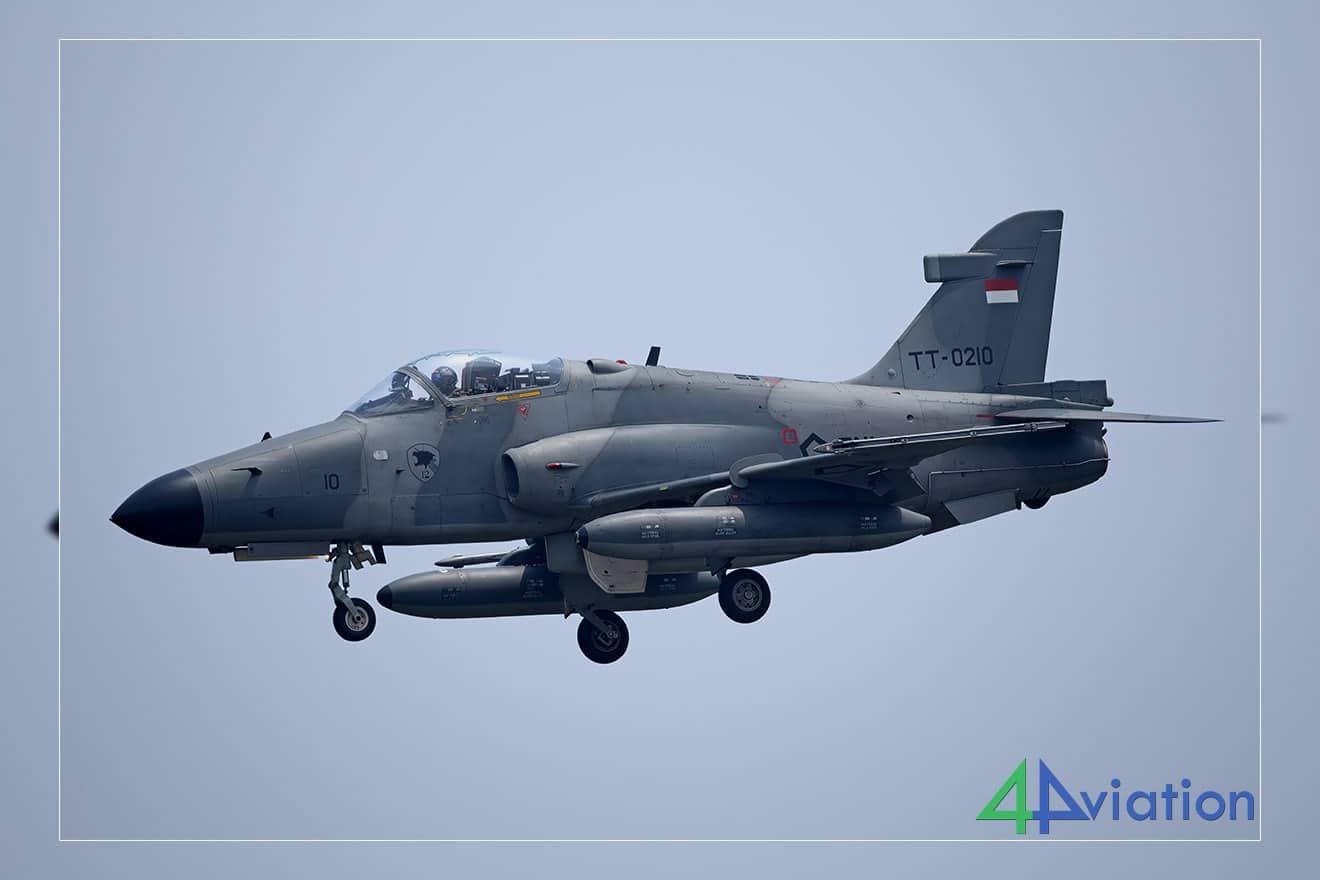
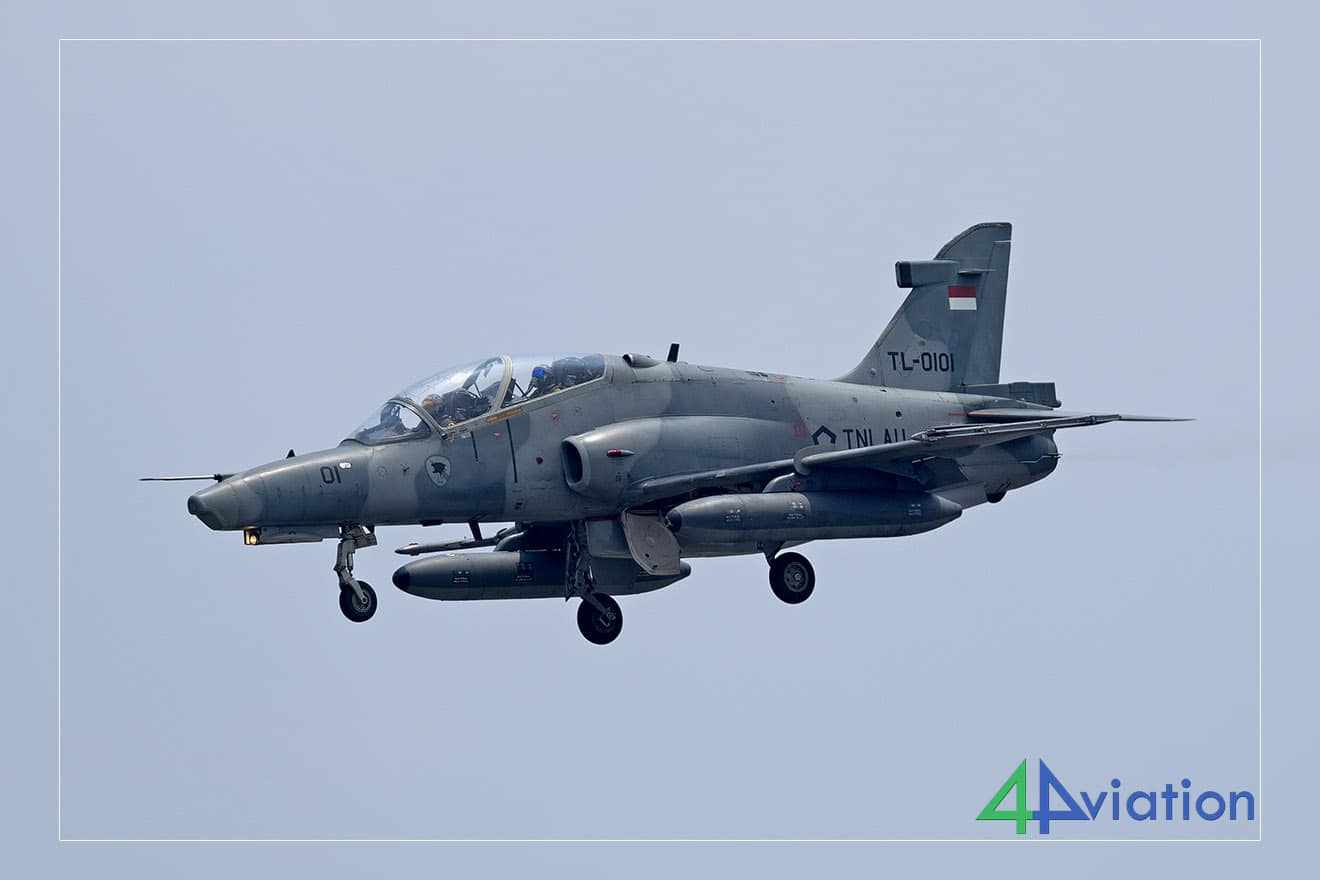
After the parade rehearsal, we drove east toward Bandung. Along the way we visited around eight Wrecks & Relics locations, seeing aircraft such as A-4E, F-5E, Hawk, MiG-21F, and smaller types like Bell 47, AS202, and BT-13. Another excellent day.
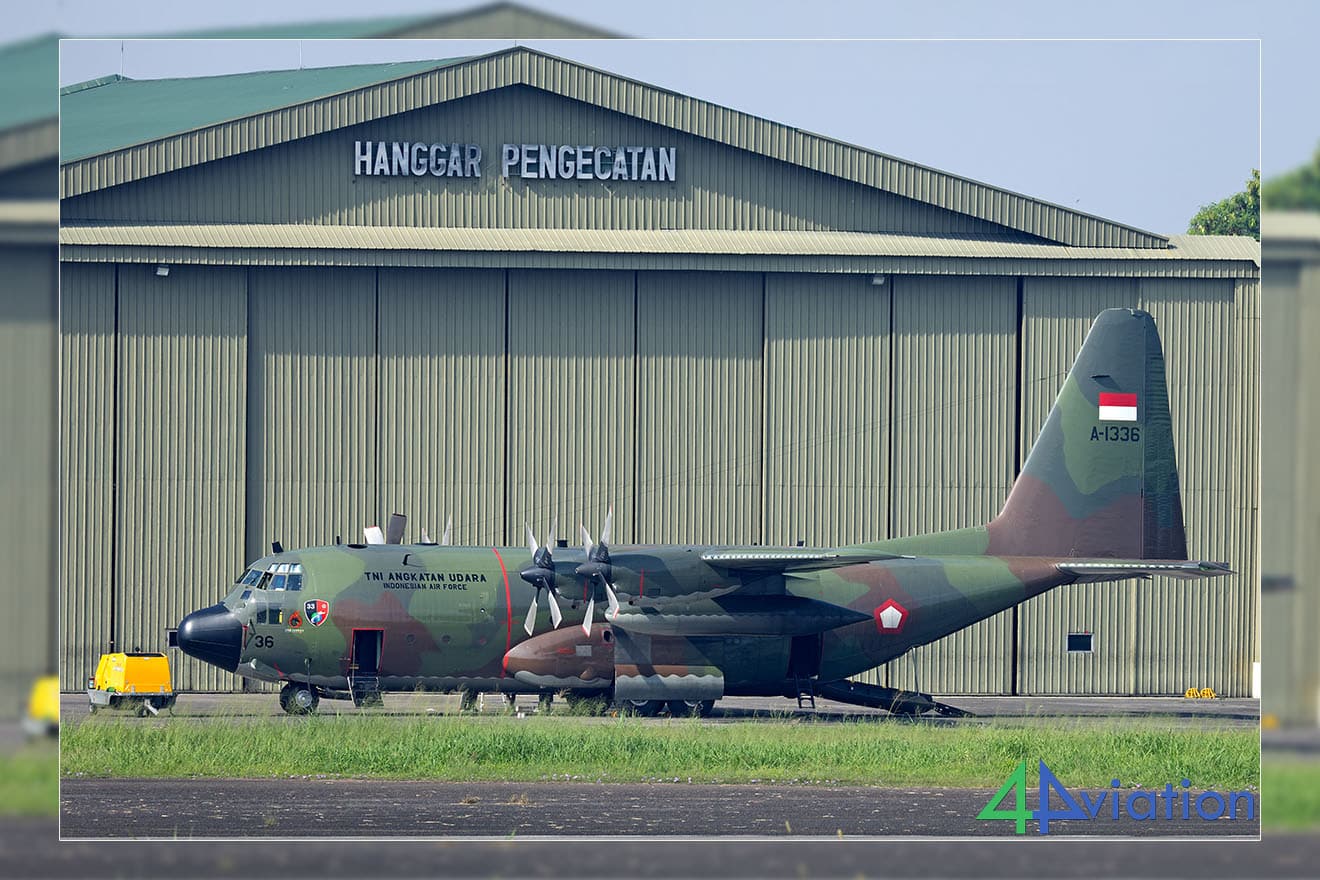
Saturday, 4 October 2025, started with a surprise as we drove under the approach path at Bandung and saw an Indonesian Air Force Boeing 737 land. Later, we saw several more 737s on the platforms, along with 12 operational C-130s and the two Falcon 8Xs. None of these are normally based here; they had been moved in for the parade. Although we had seen many of them before, there were also reserve aircraft we could add to our list, and we managed to take some nice photos. No flying activity followed, so we continued our Wrecks & Relics route and ended the day at Pondok Cabe Airfield south of Jakarta. Again, no flying, but we were able to log nearly forty aircraft, including army and police fixed-wing aircraft and many helicopters temporarily present for the parade. On the way back to the hotel, we also identified a police AW169 via ADS-B
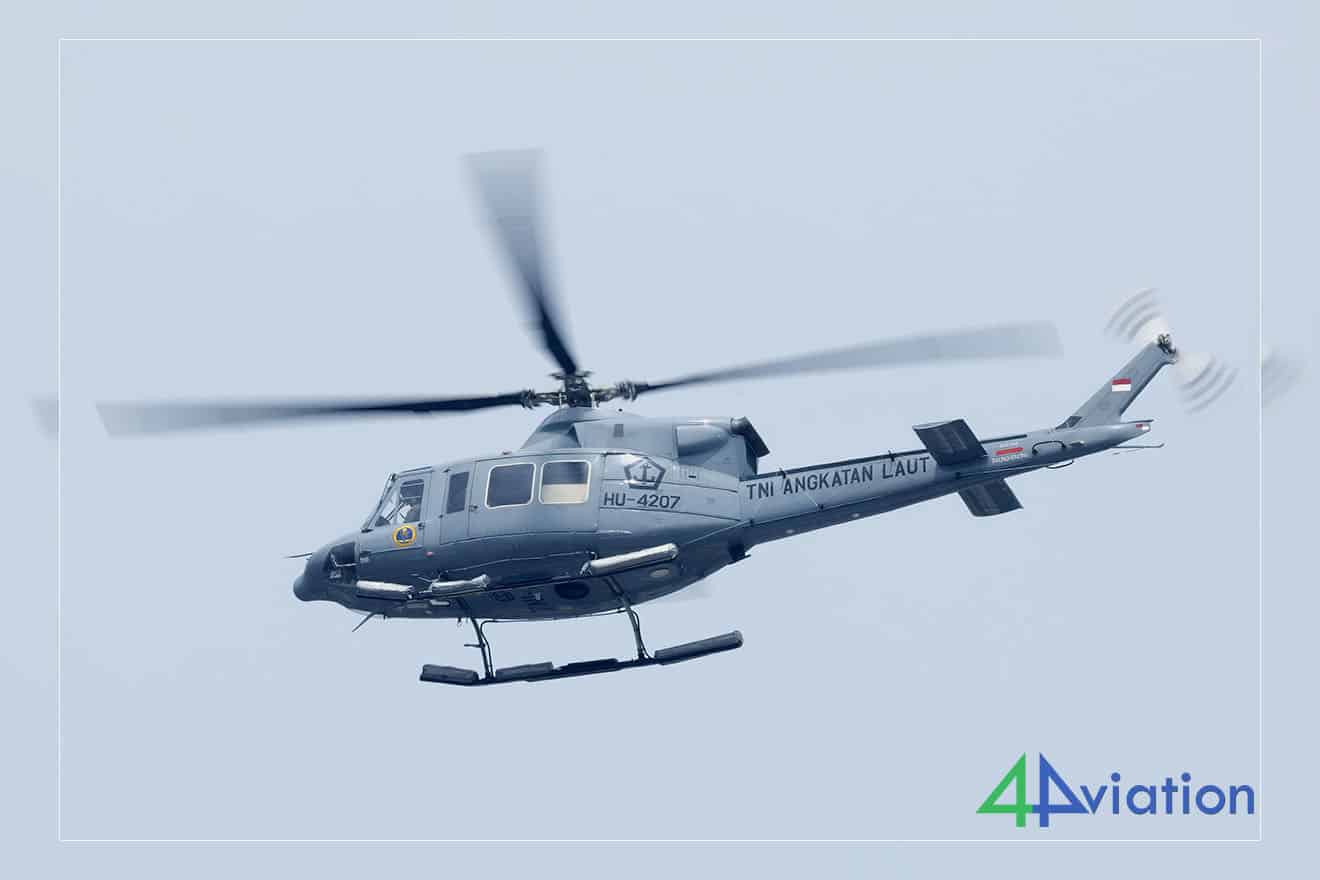
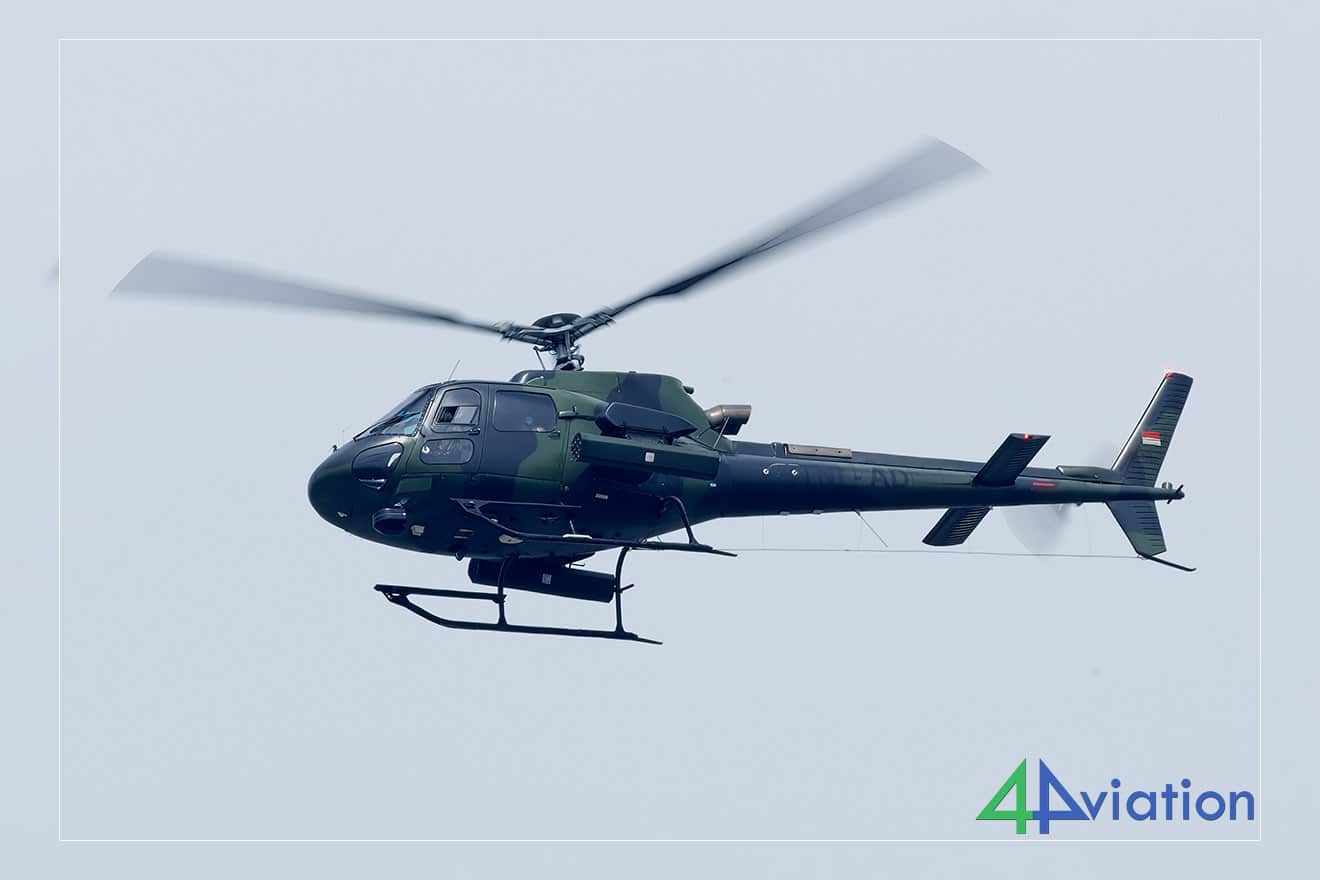
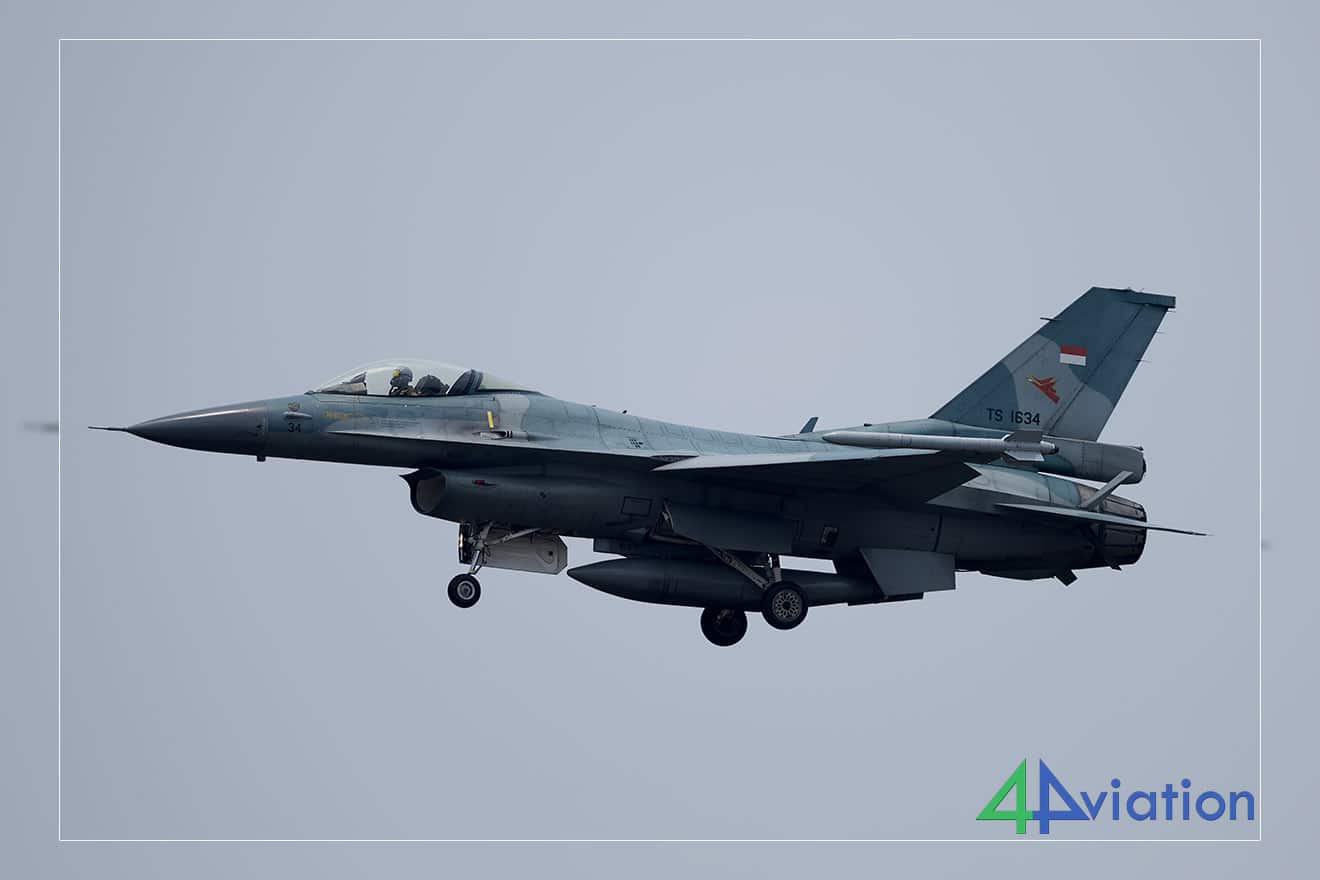
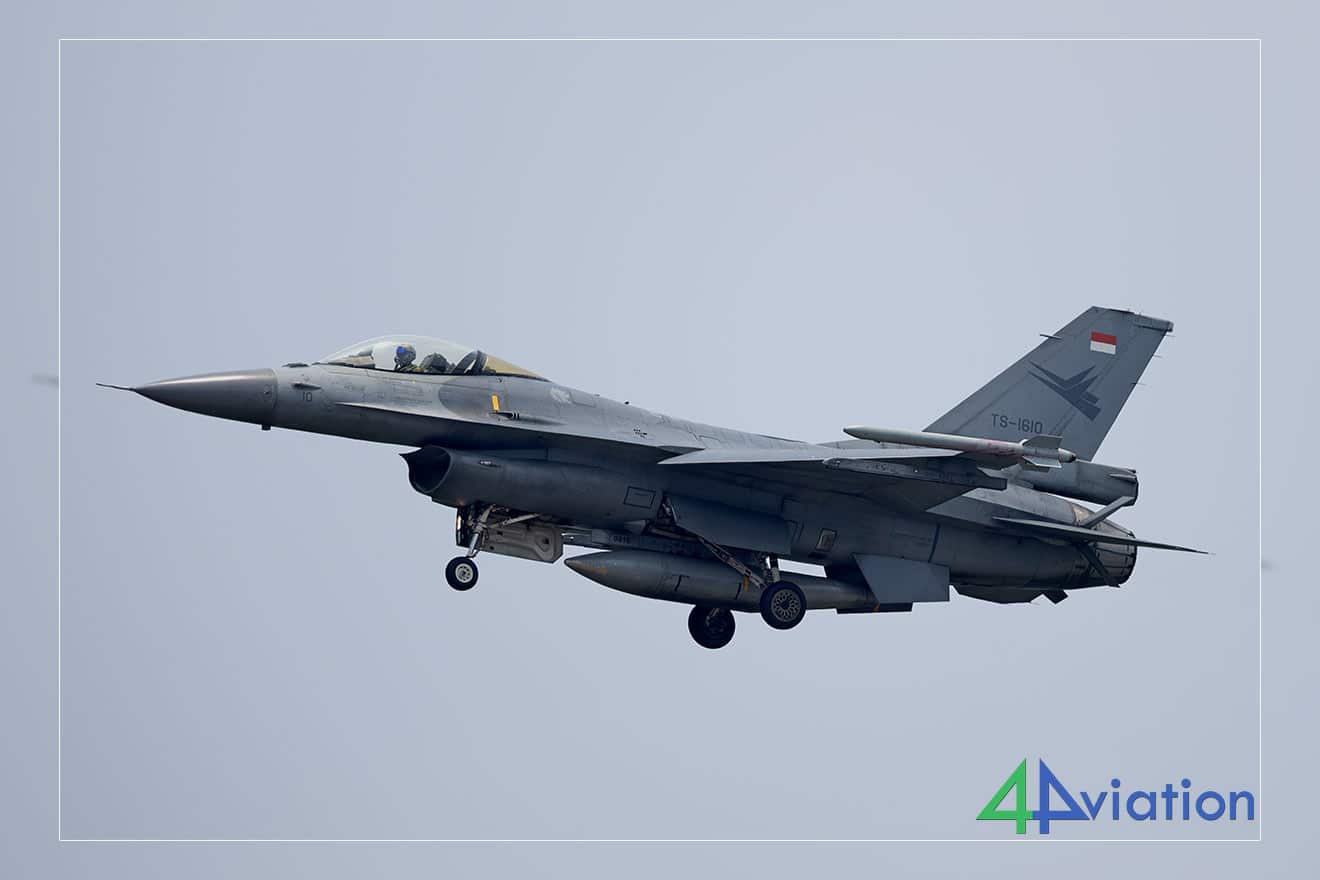
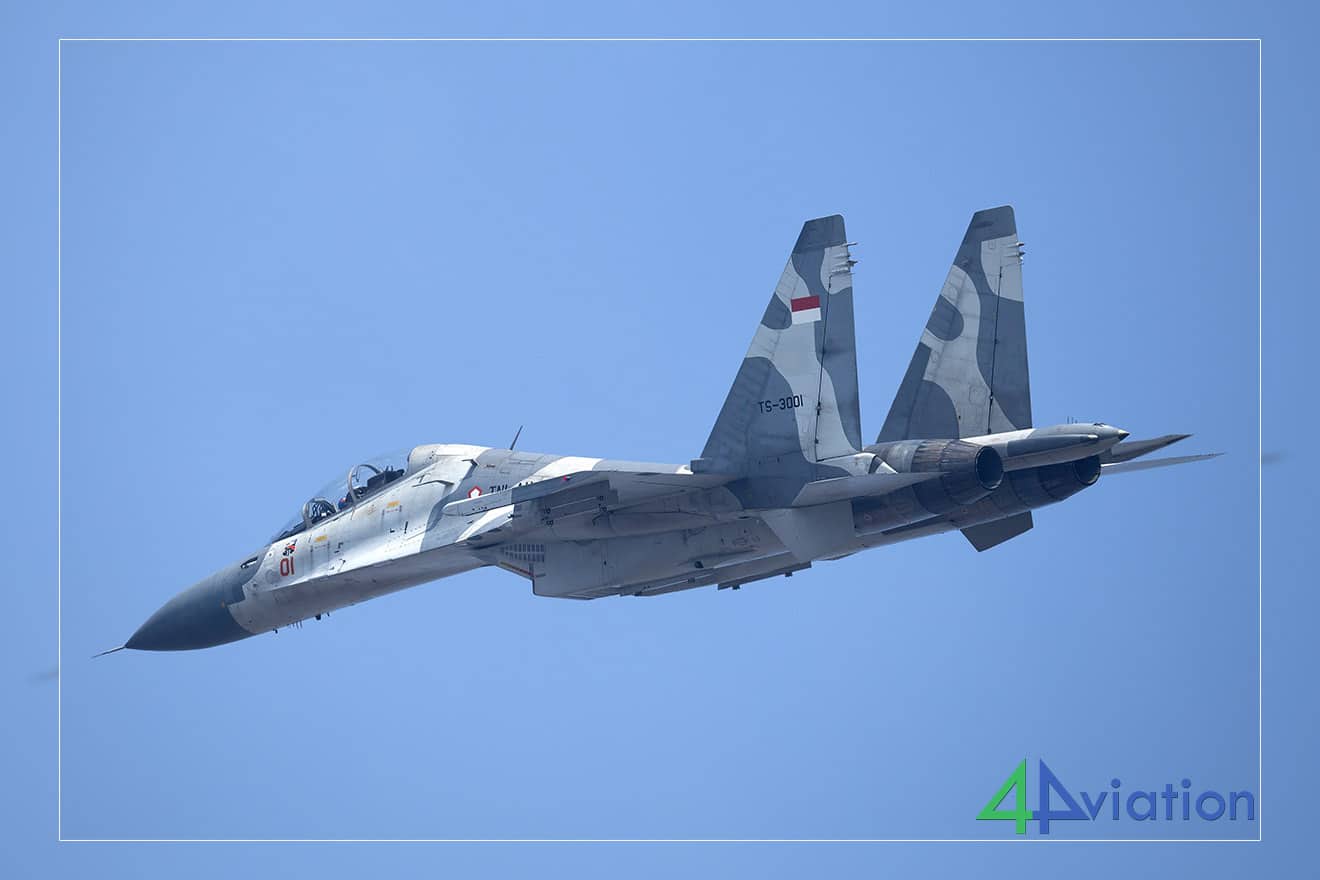
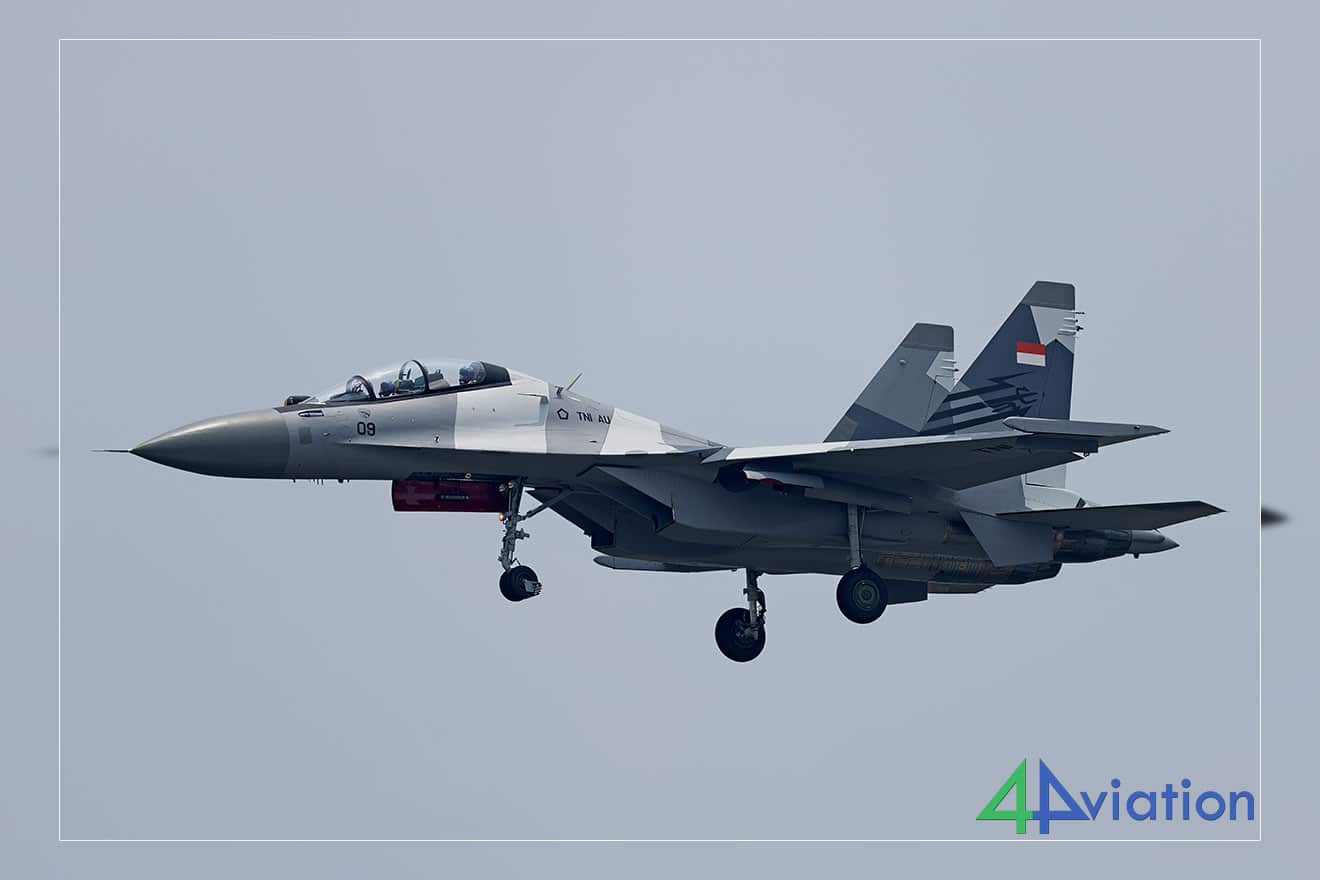
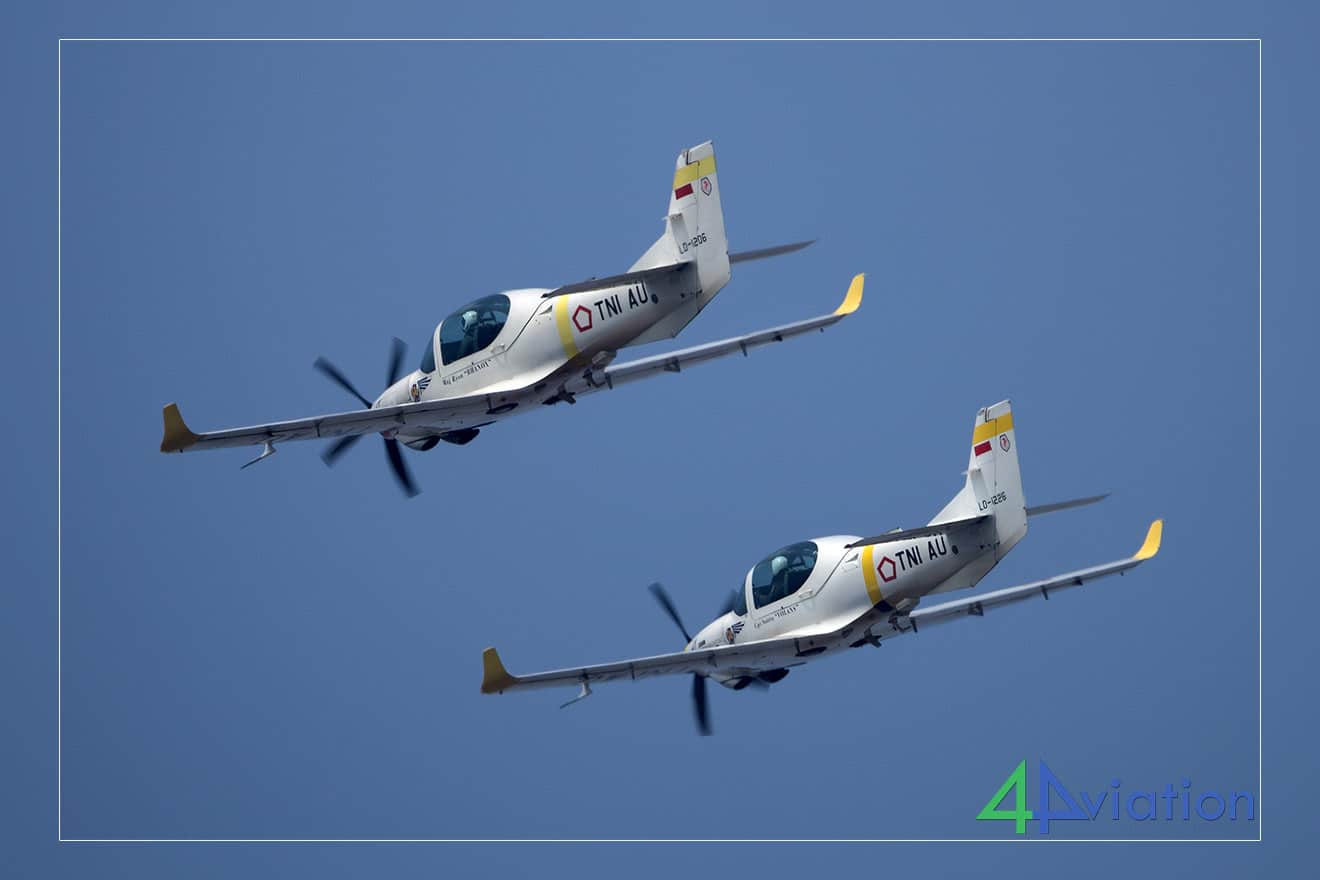
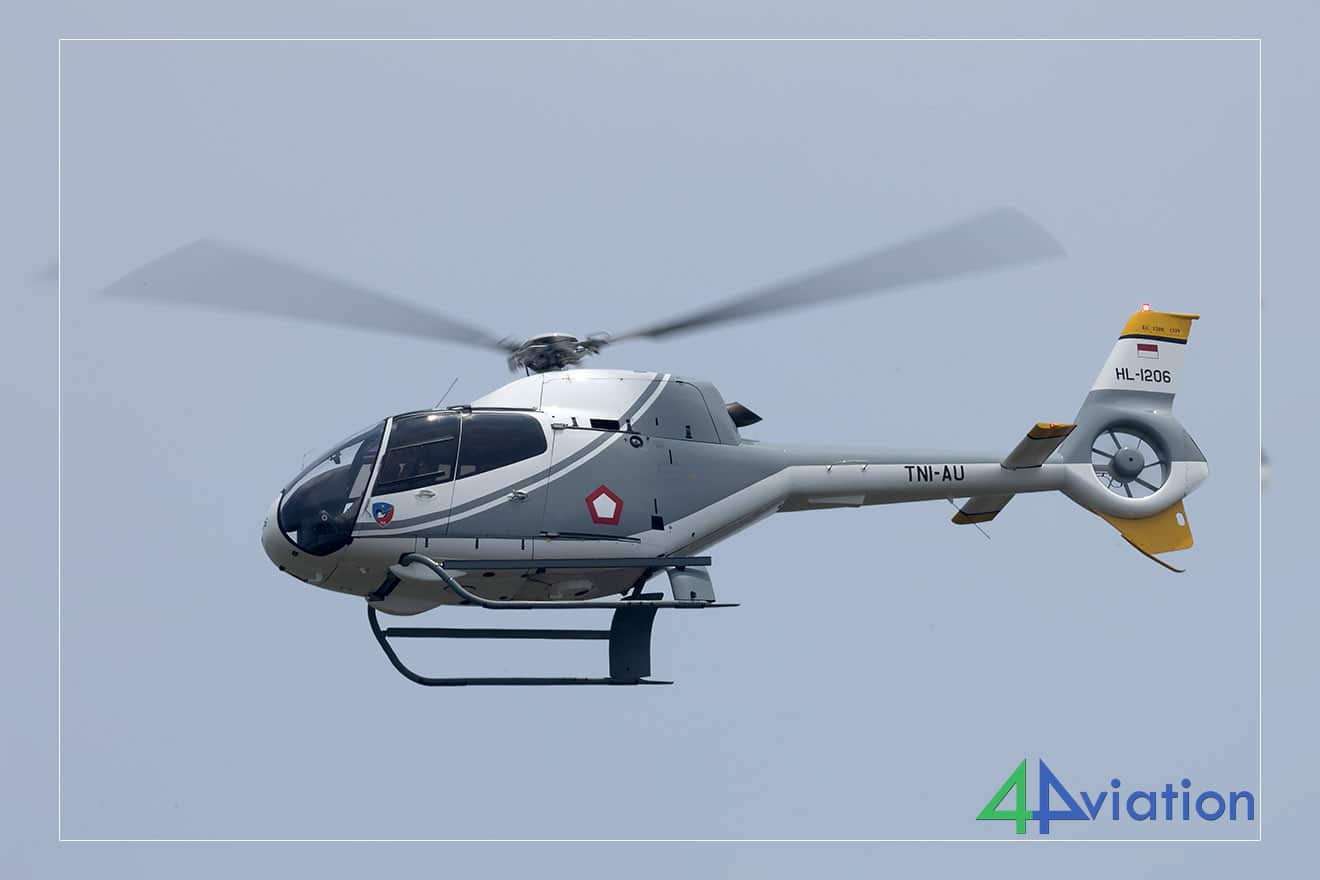
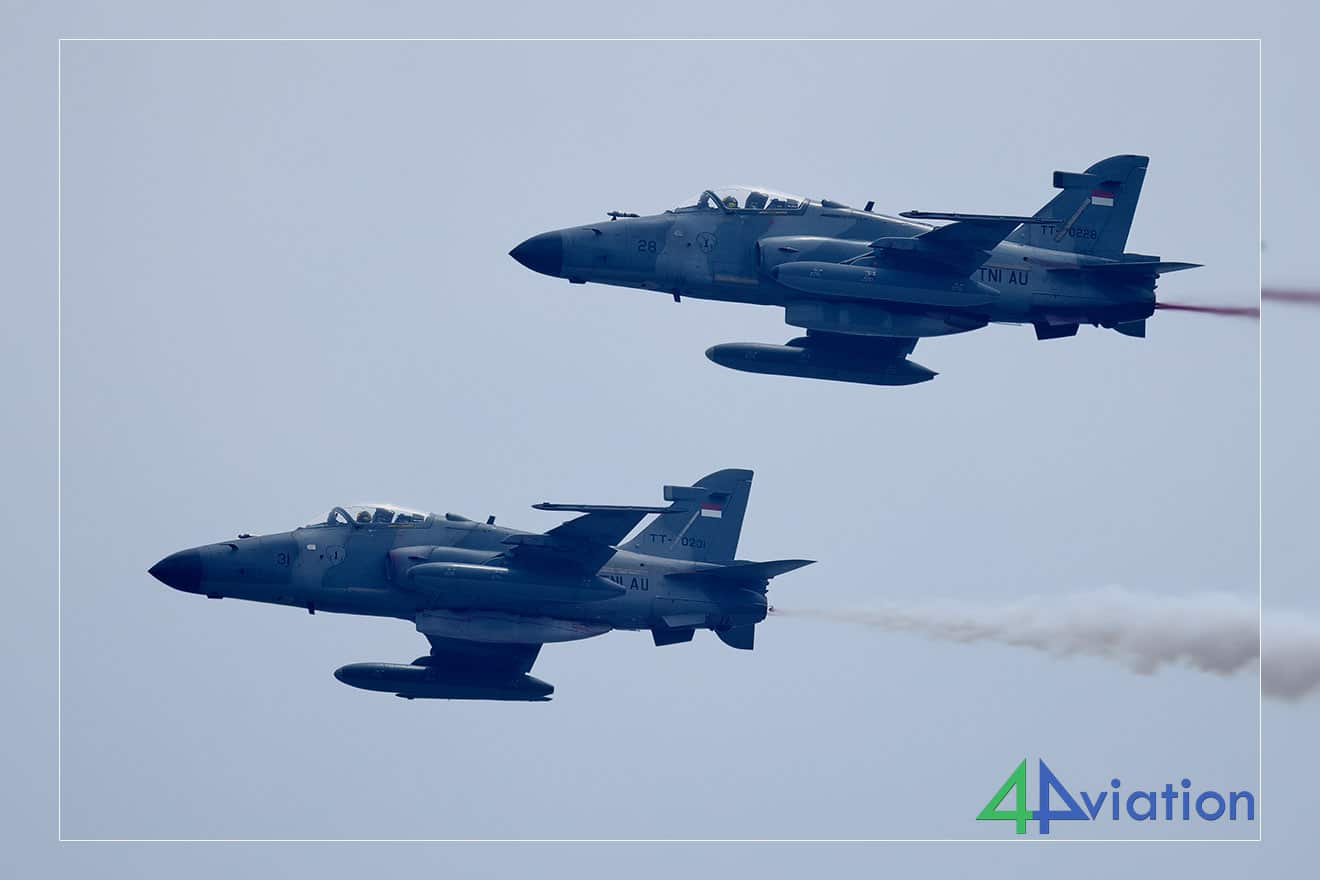
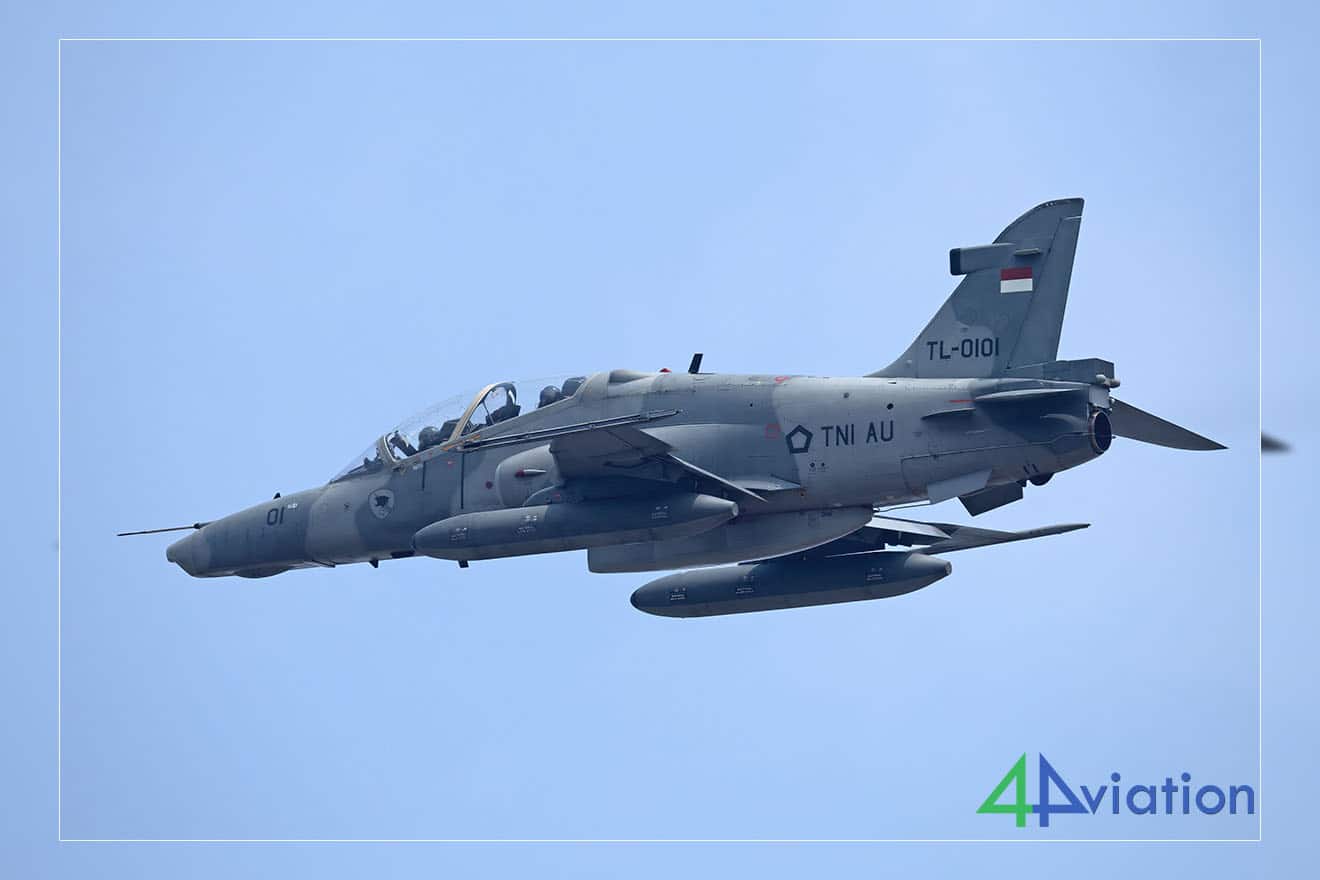
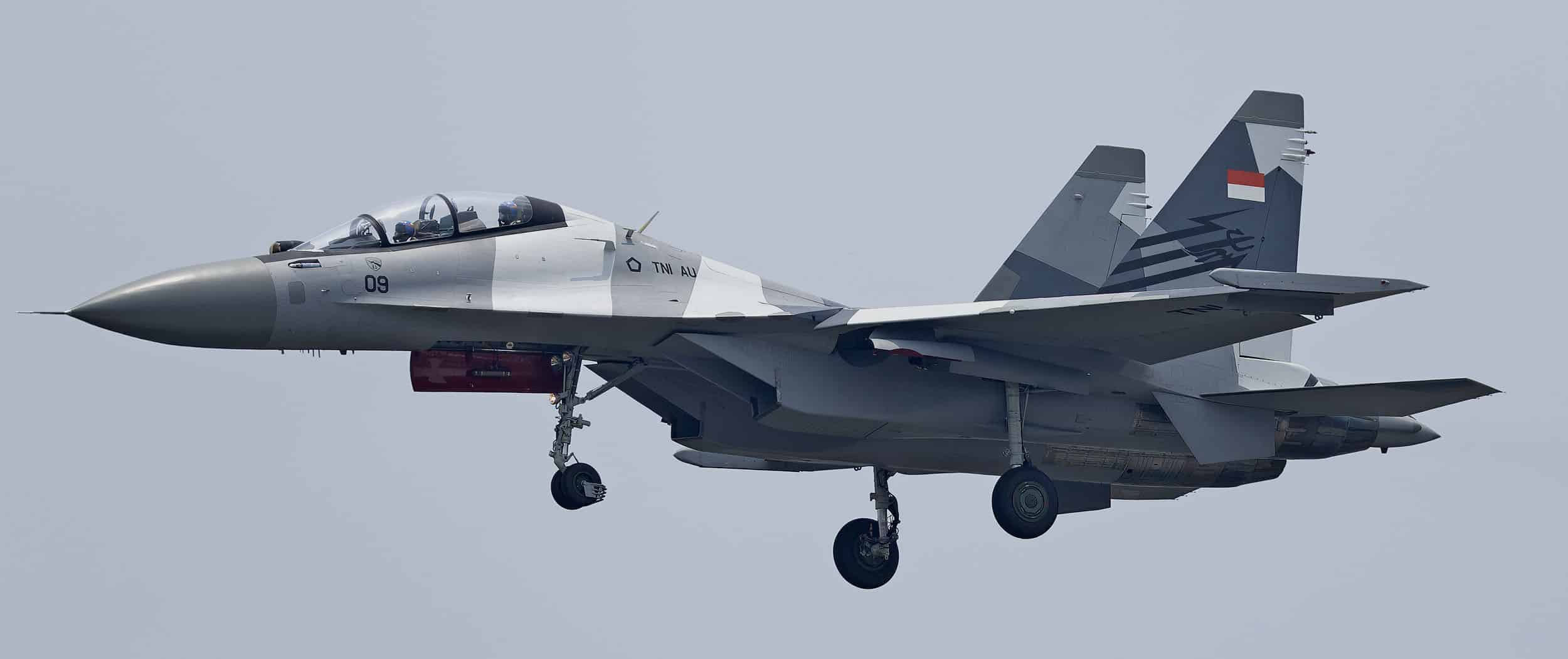
Sunday, 5 October 2025, was parade day. Instead of returning to our previous location, we positioned ourselves near the runway 06 departure end at Halim-Perdanakusuma, where the aircraft would appear above the trees after takeoff. It was a bit of a gamble, but it worked very well. We photographed a wide range of aircraft, including F-16s, T-50s, C-295s, Grob G120s, EC120s, Bell 412s, Su-30s, and Hawks. After the last departure, we moved to the landing area and again saw many aircraft return. A fantastic morning.
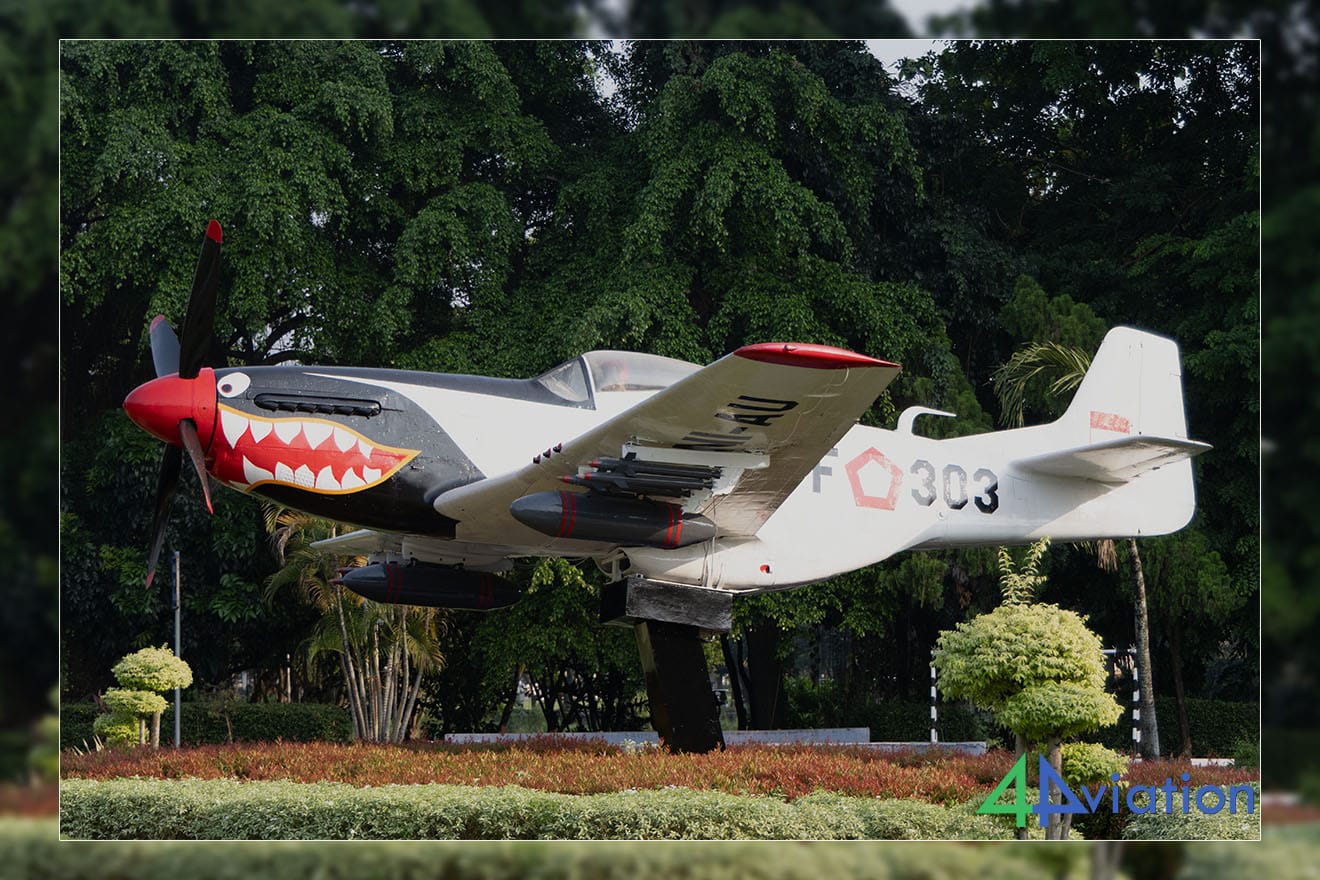
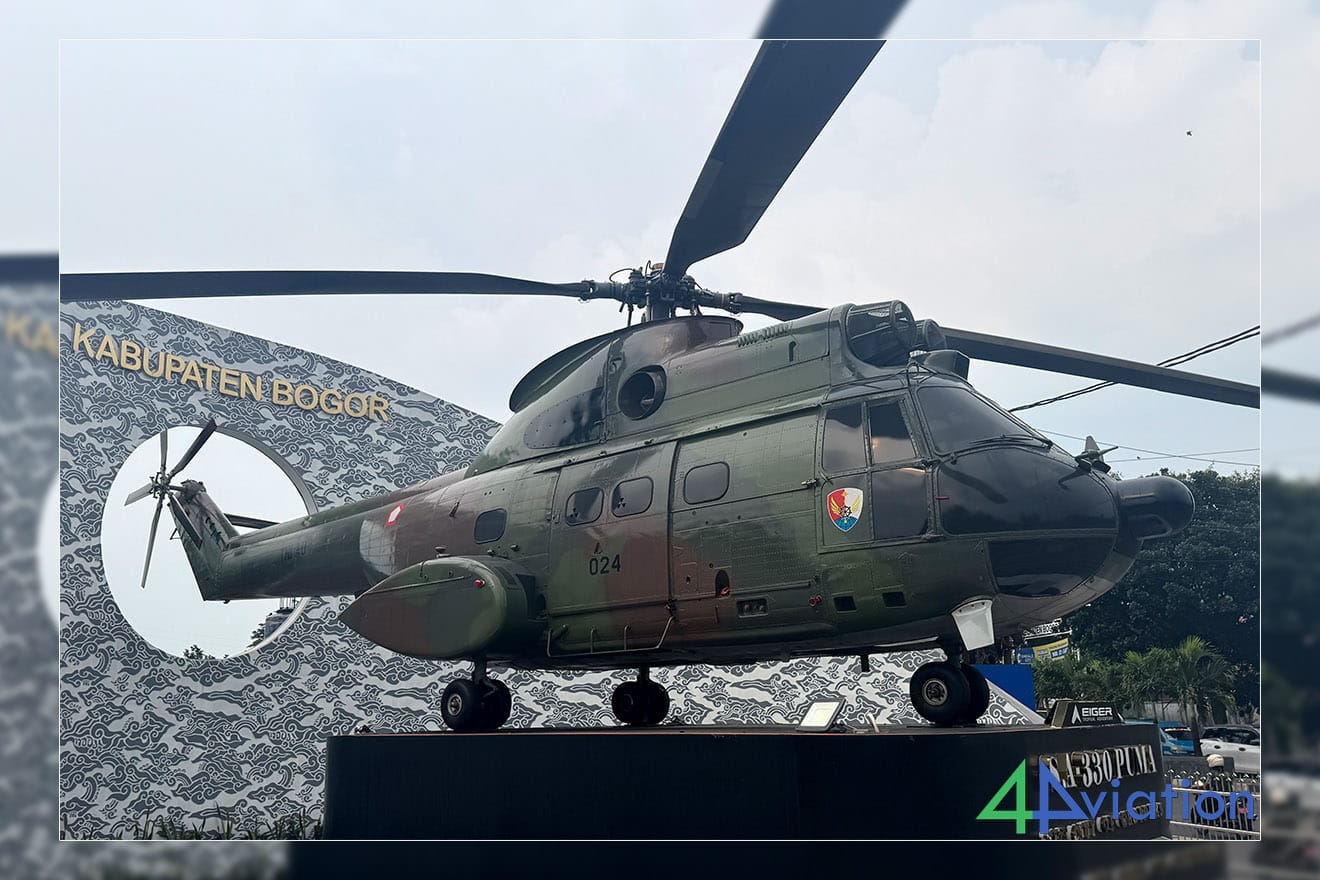
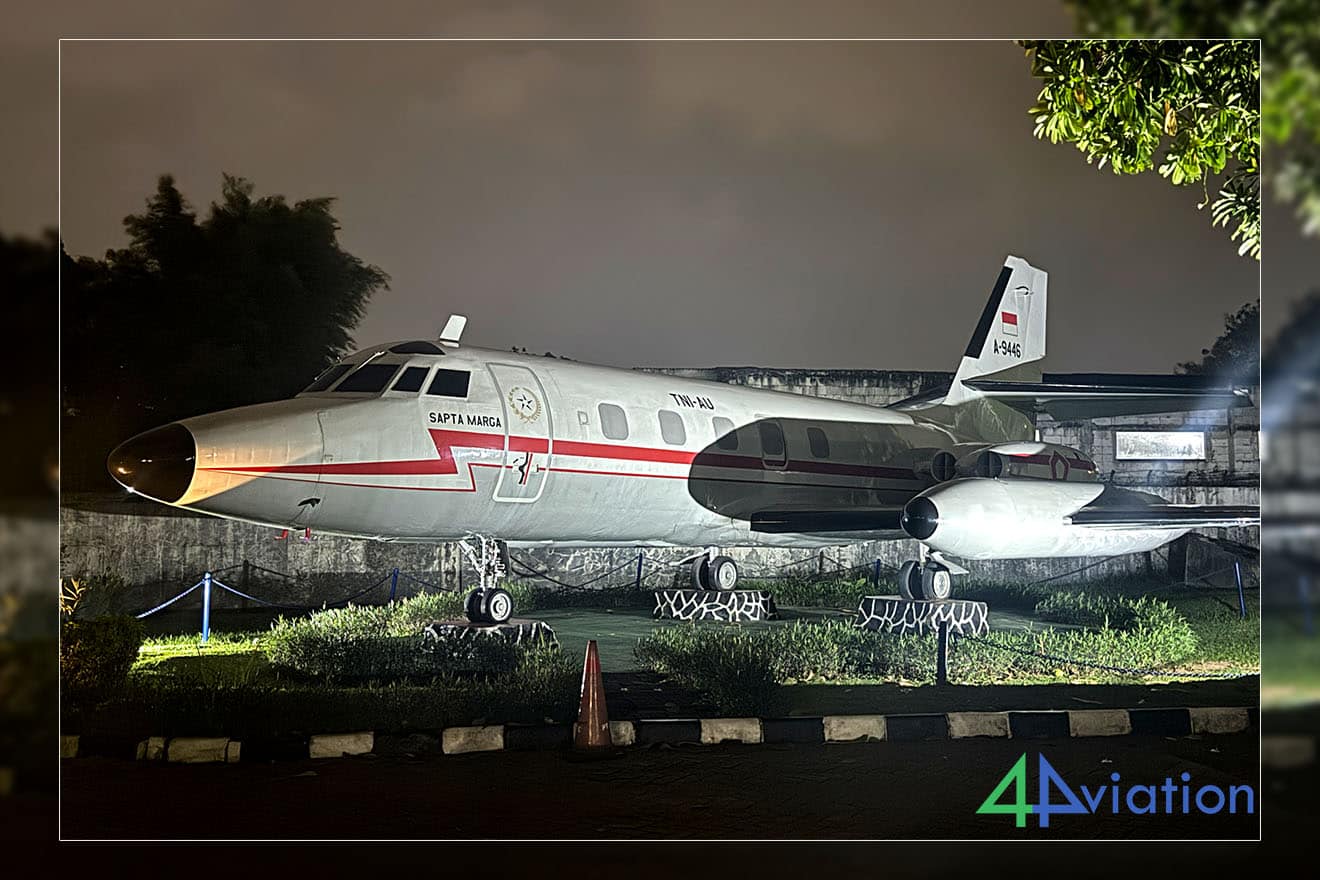
The day was far from over. We visited more Wrecks & Relics locations and accidentally drove into the defense headquarters, where we found two P-51s, a Bo105, a Nomad, and an OV-10. At the army airfield in Bogor there was no operational activity, but nearby we found several more relics. Back at Pondok Cabe, during our second visit, we logged six additional aircraft. The final stop was a beautiful Lockheed JetStar at the Garuda training center. That evening we headed to the international airport for our 23:15 flight to Seoul on a Garuda A330. Our Indonesia leg was complete and very successful. Beyond the aviation, we also enjoyed the narrow streets, chaotic traffic, nature, and excellent food.
On Monday, 6 October 2025, we landed at Seoul Incheon just after 09:00. Two hours later we had our luggage, passport stamps, and picked up the fifth group member at his hotel—he had been unable to join us in Indonesia. From here on, the plan remained the same: focus on Wrecks & Relics while also catching as much operational activity as possible.
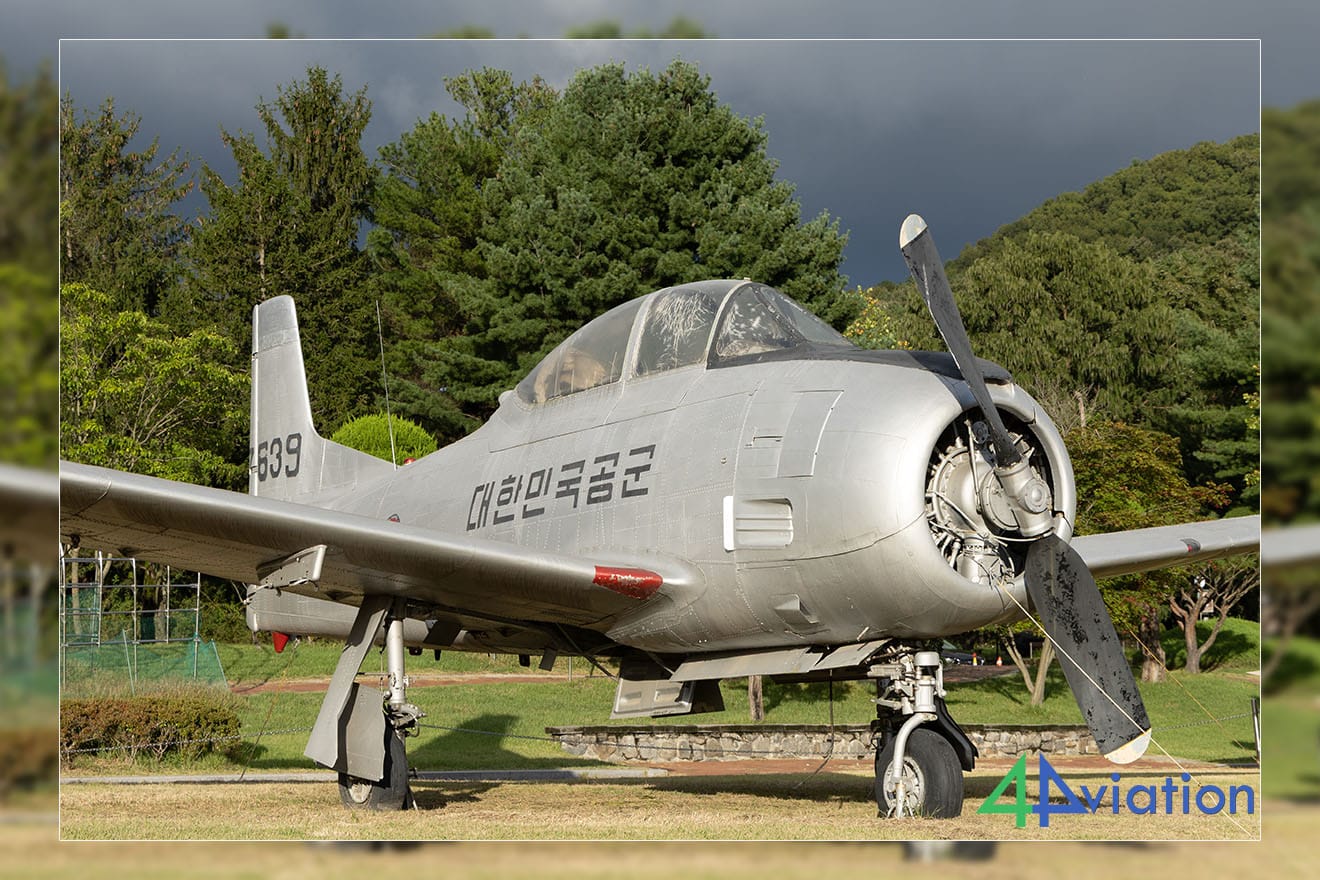
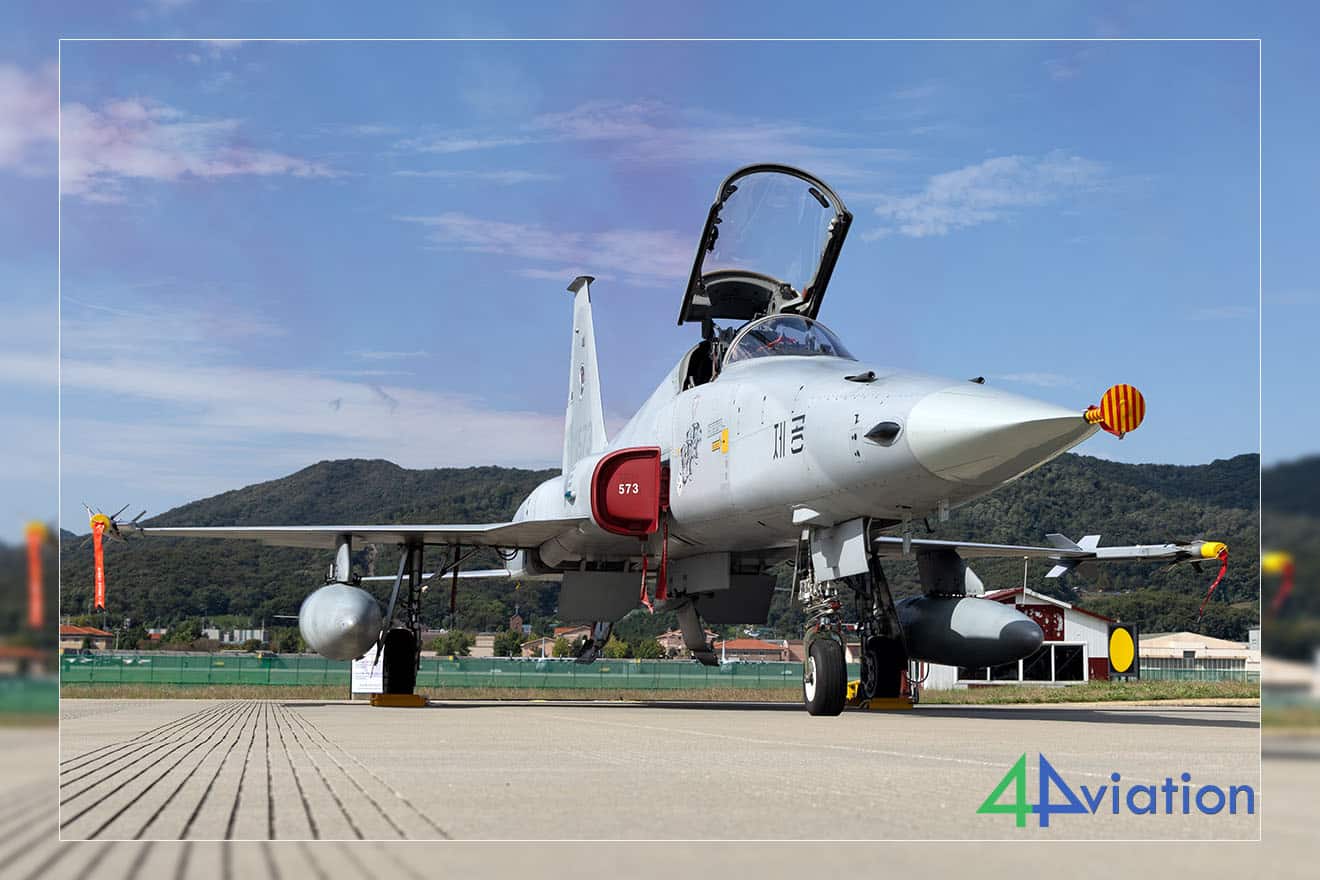
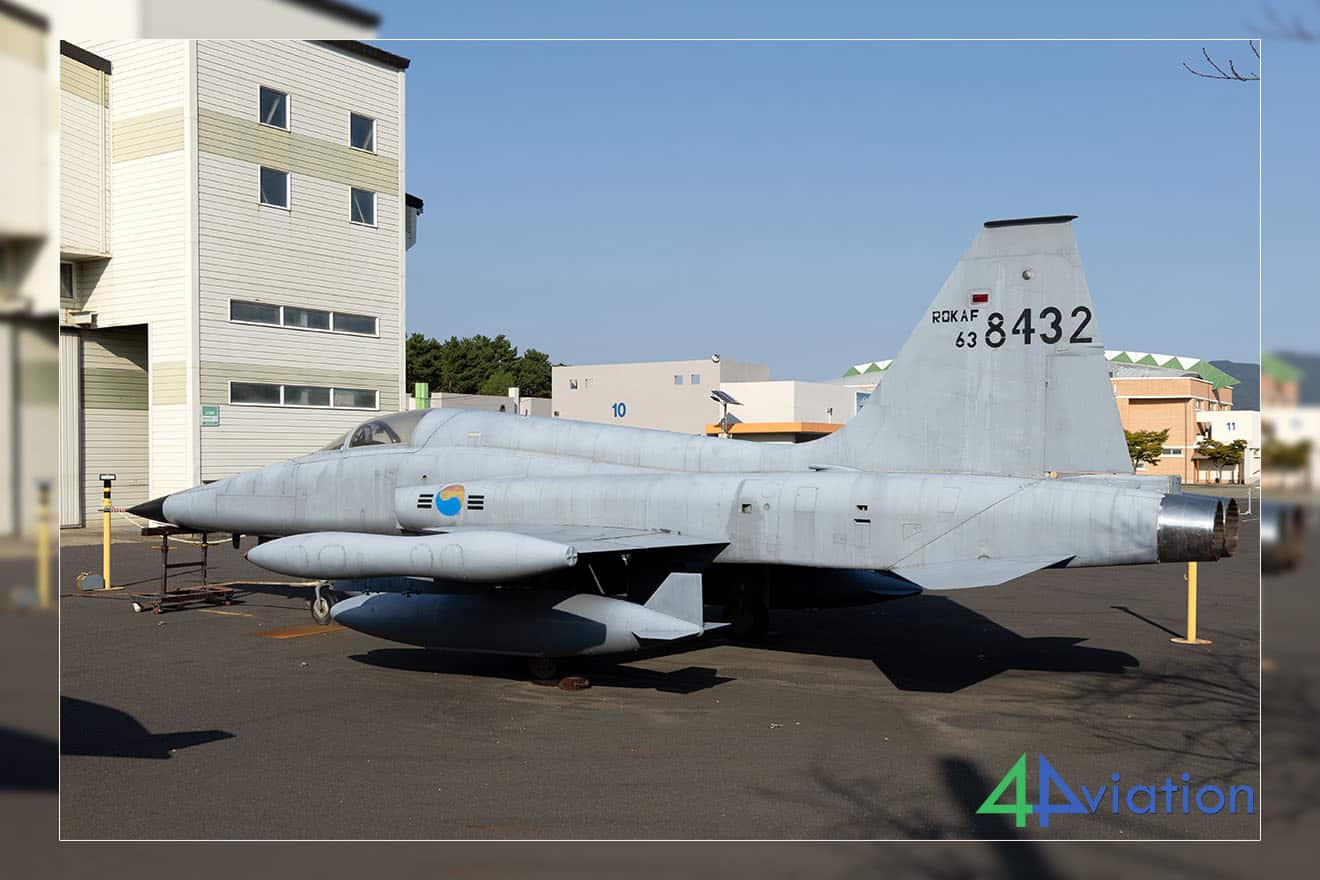
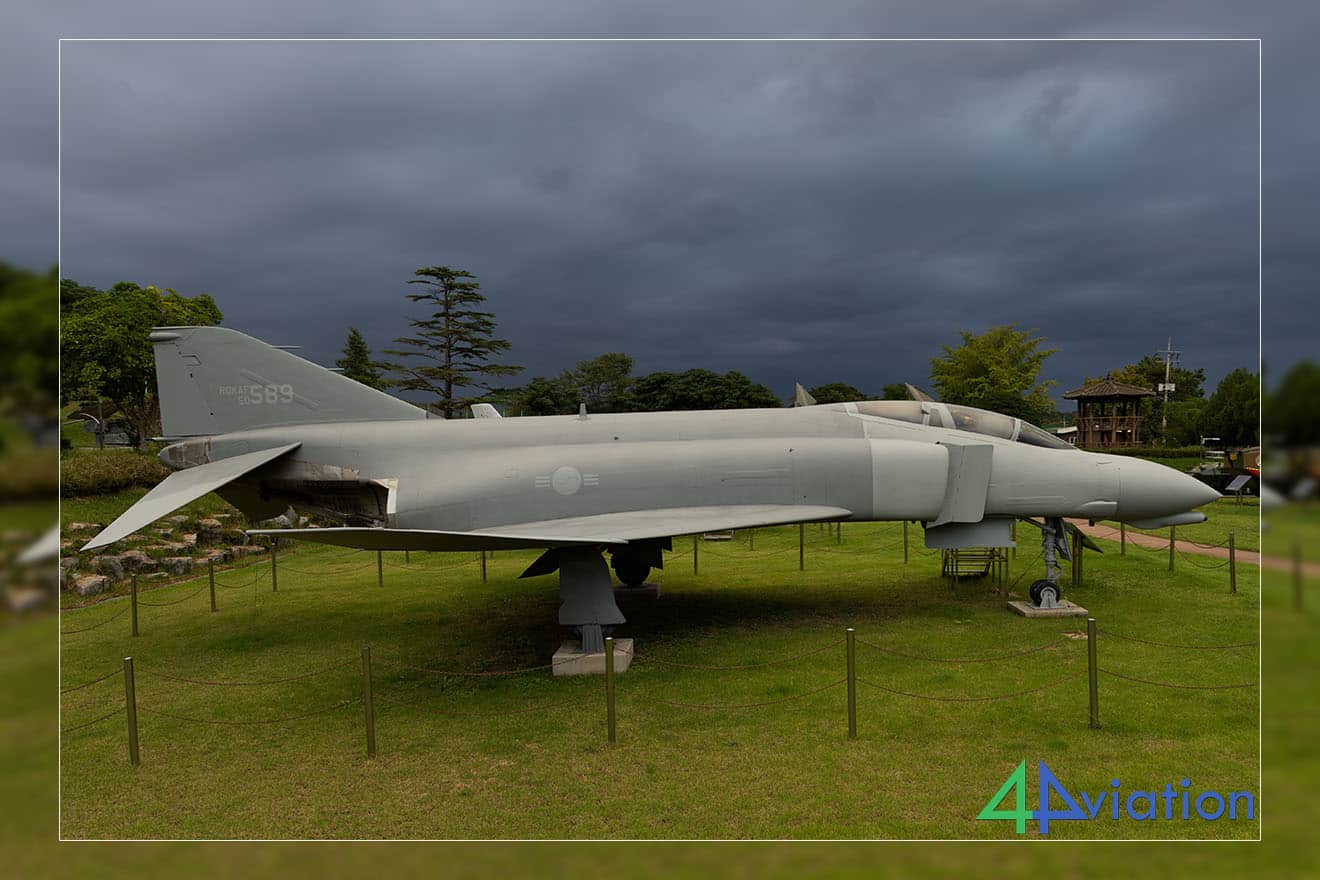
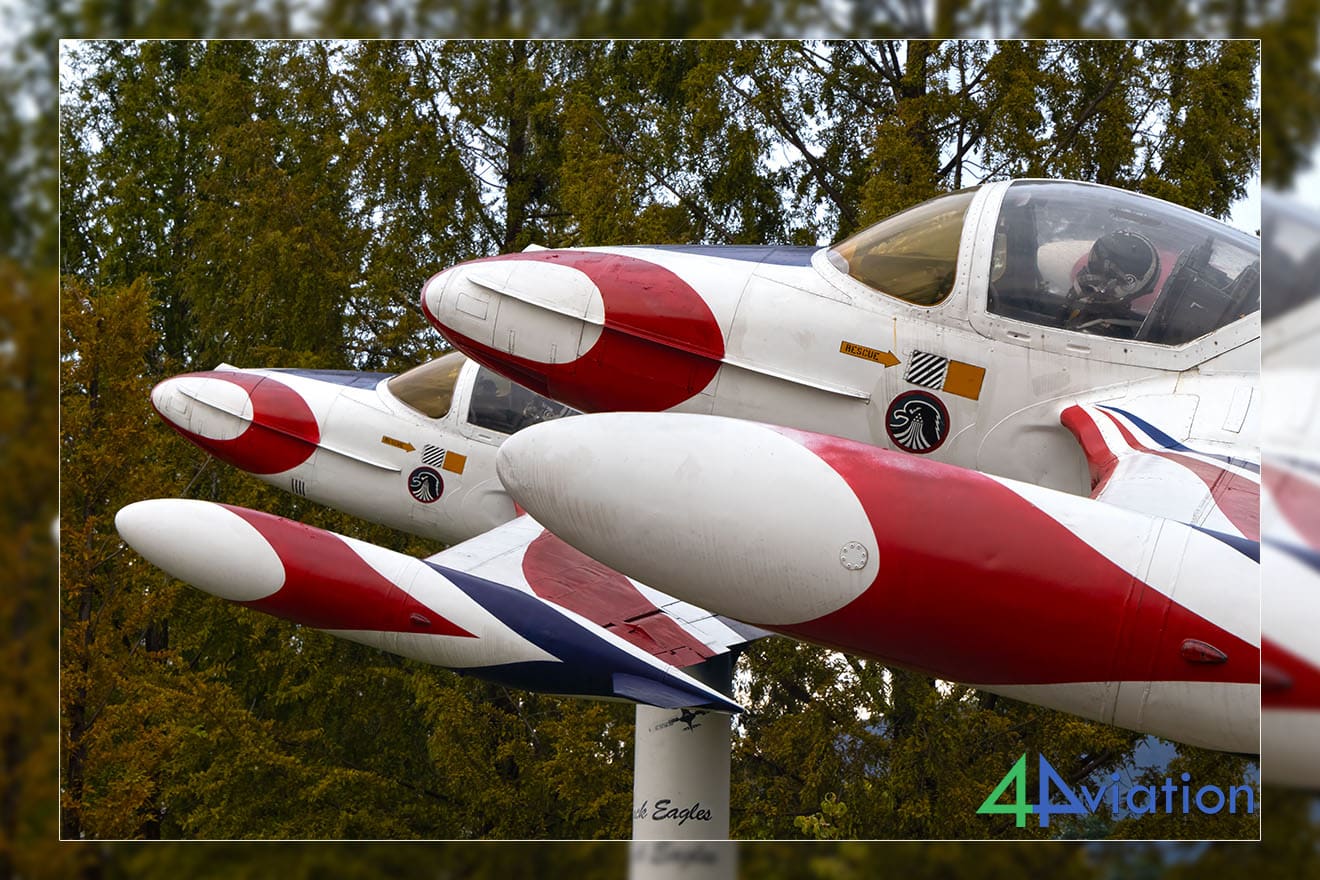
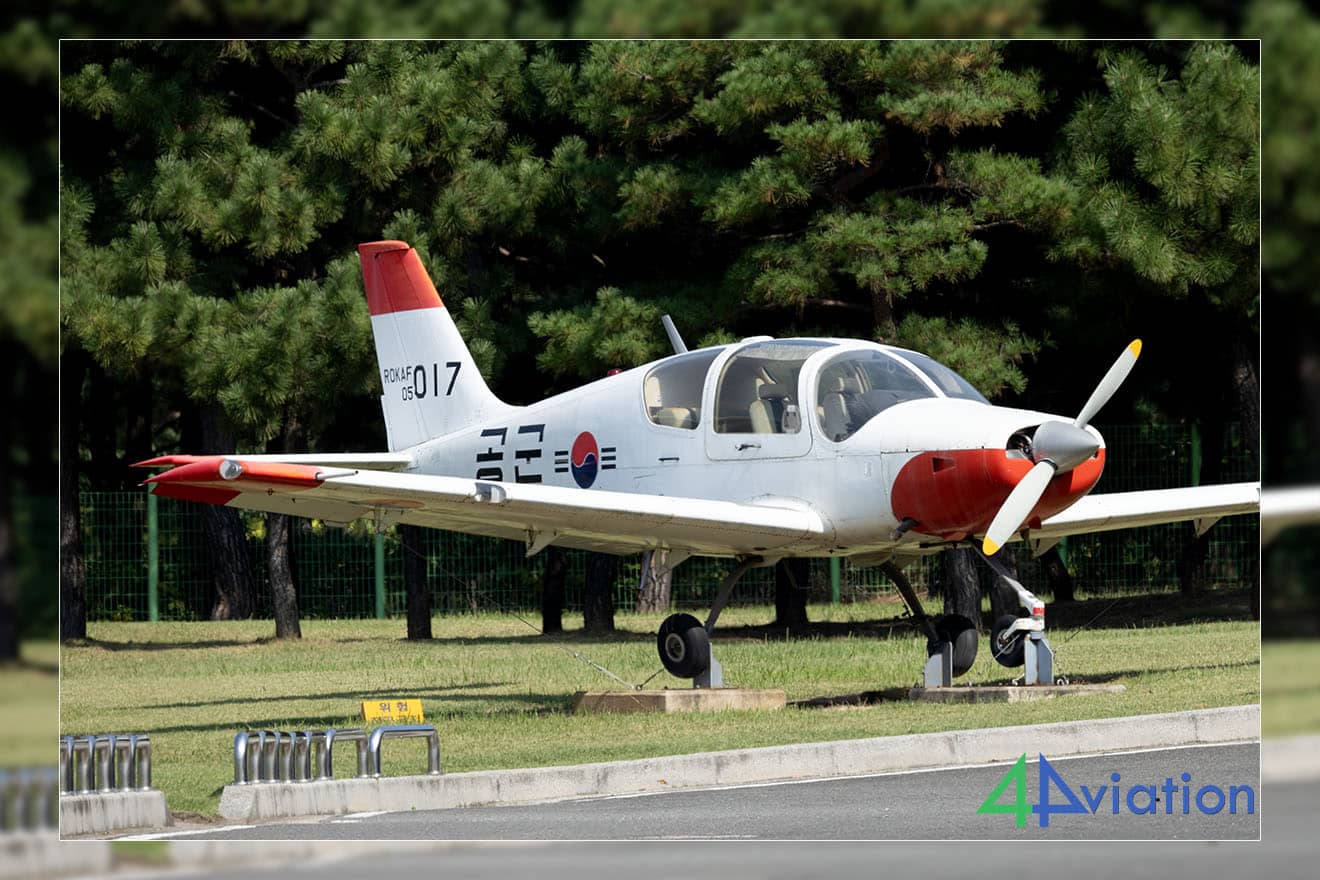
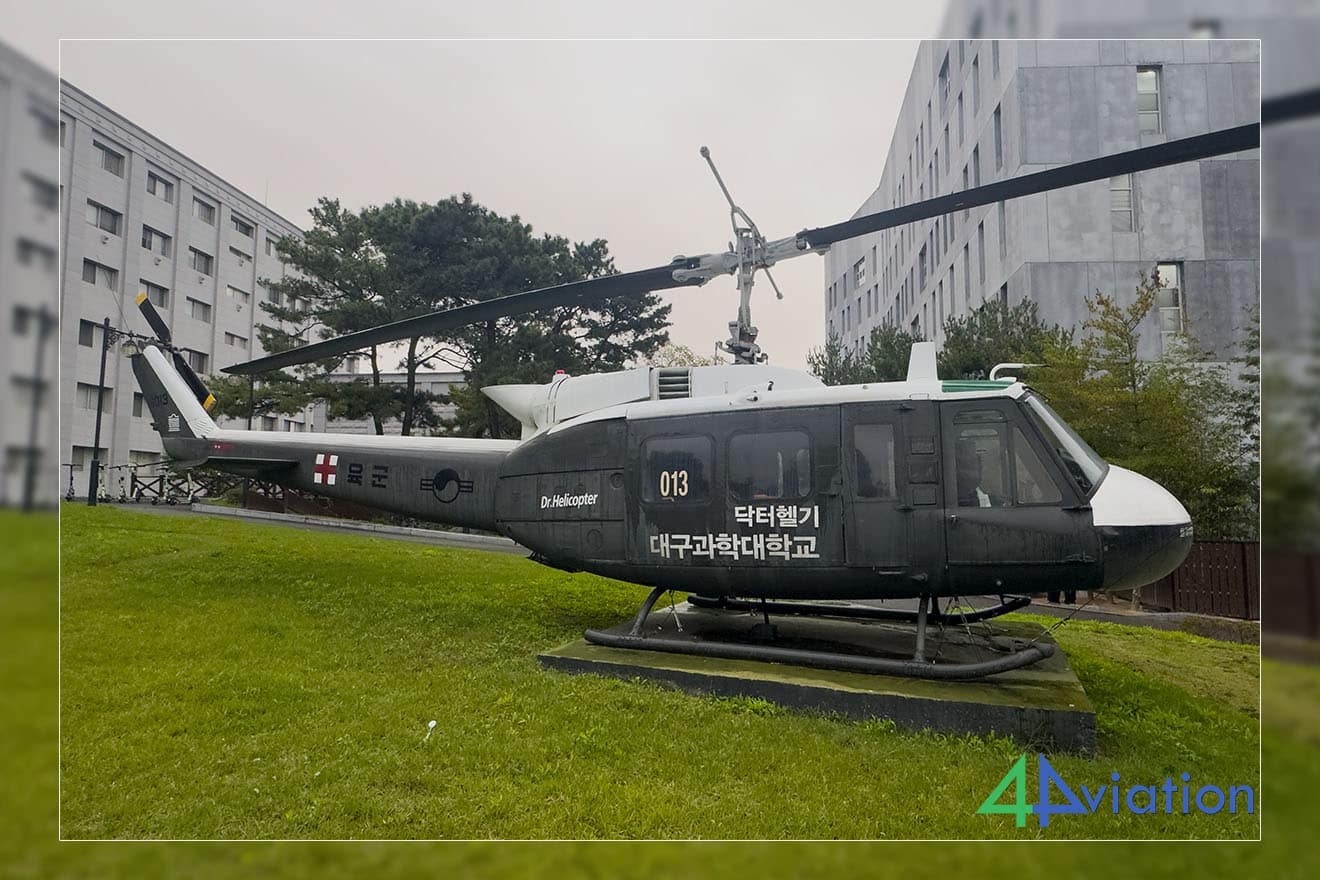
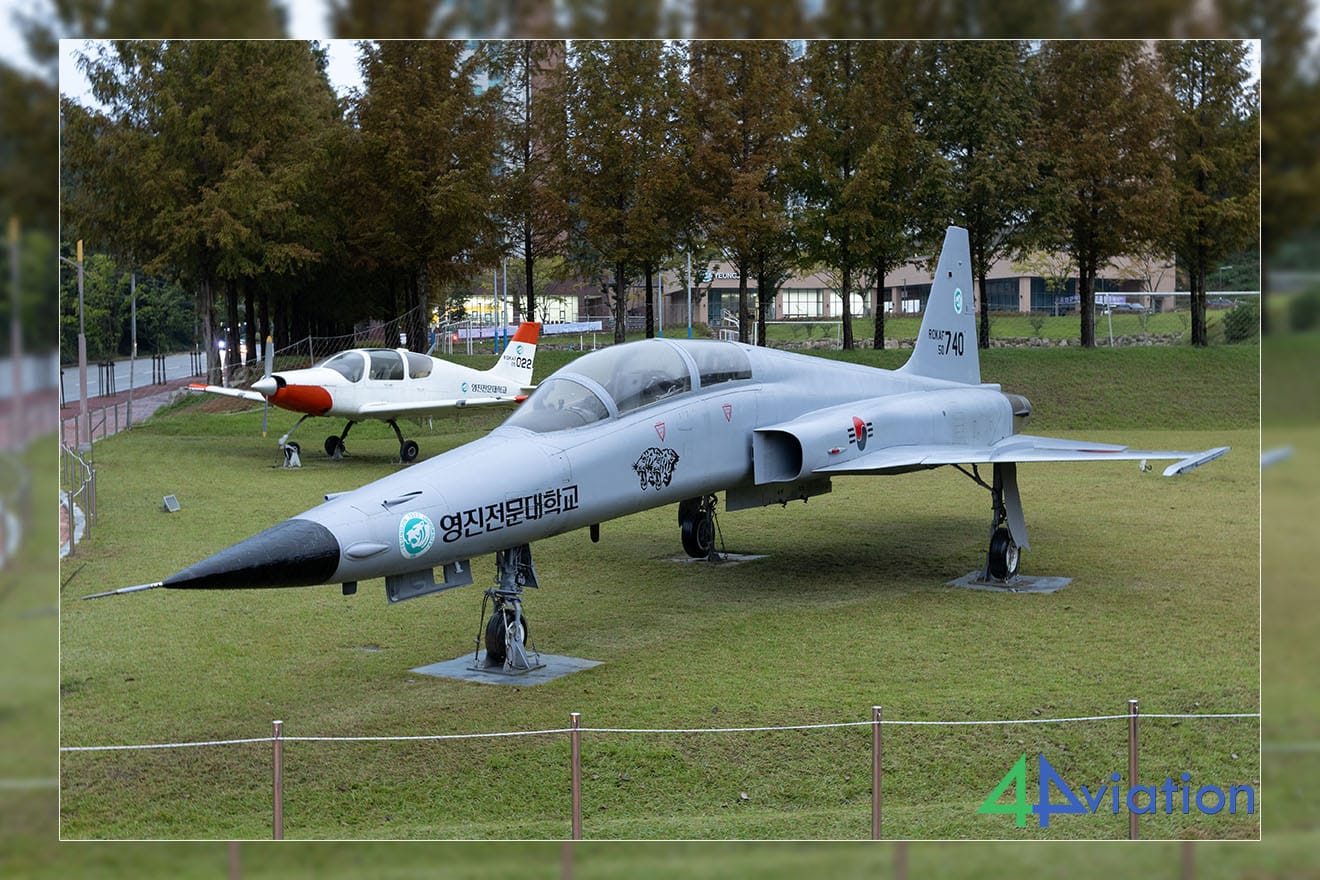
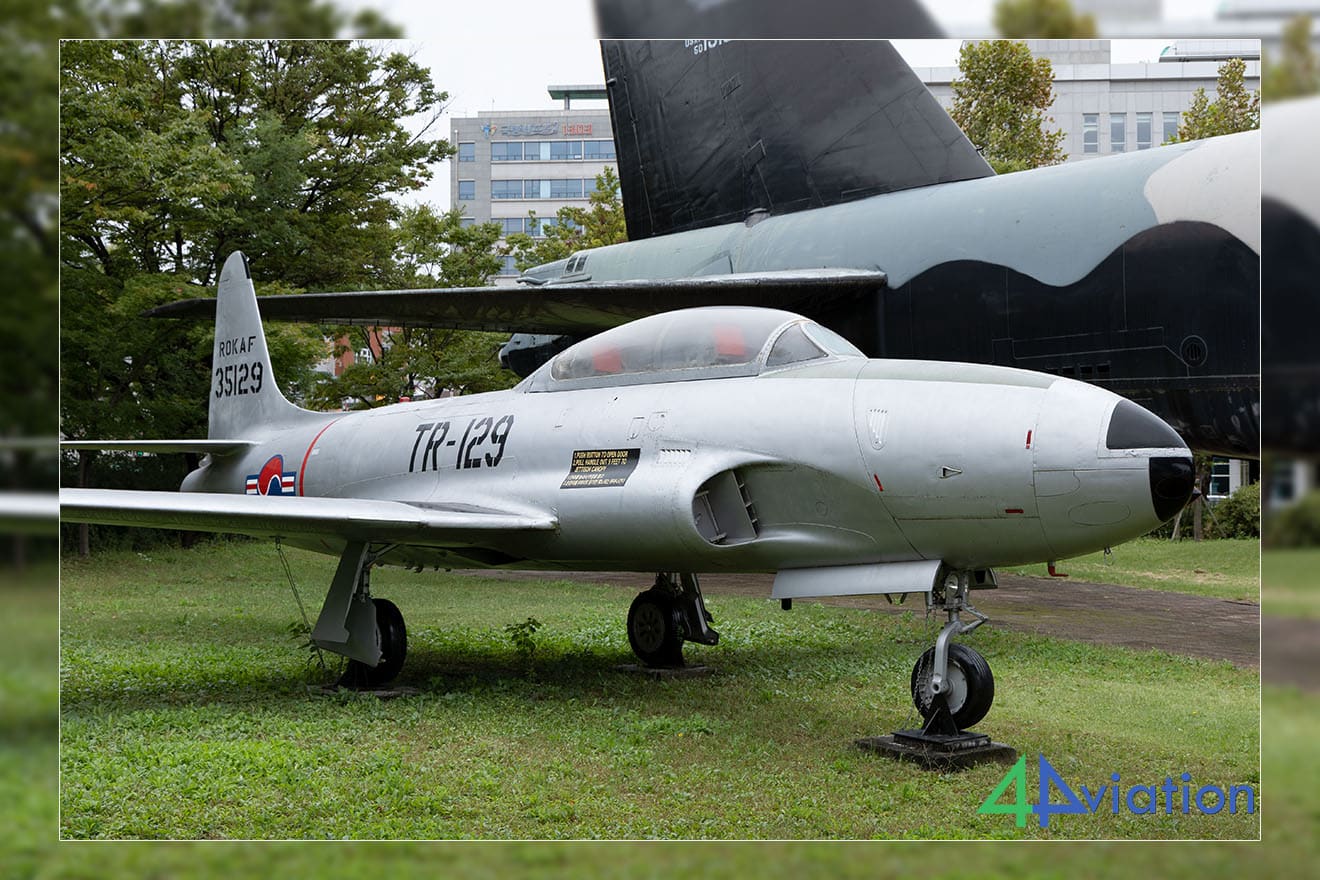
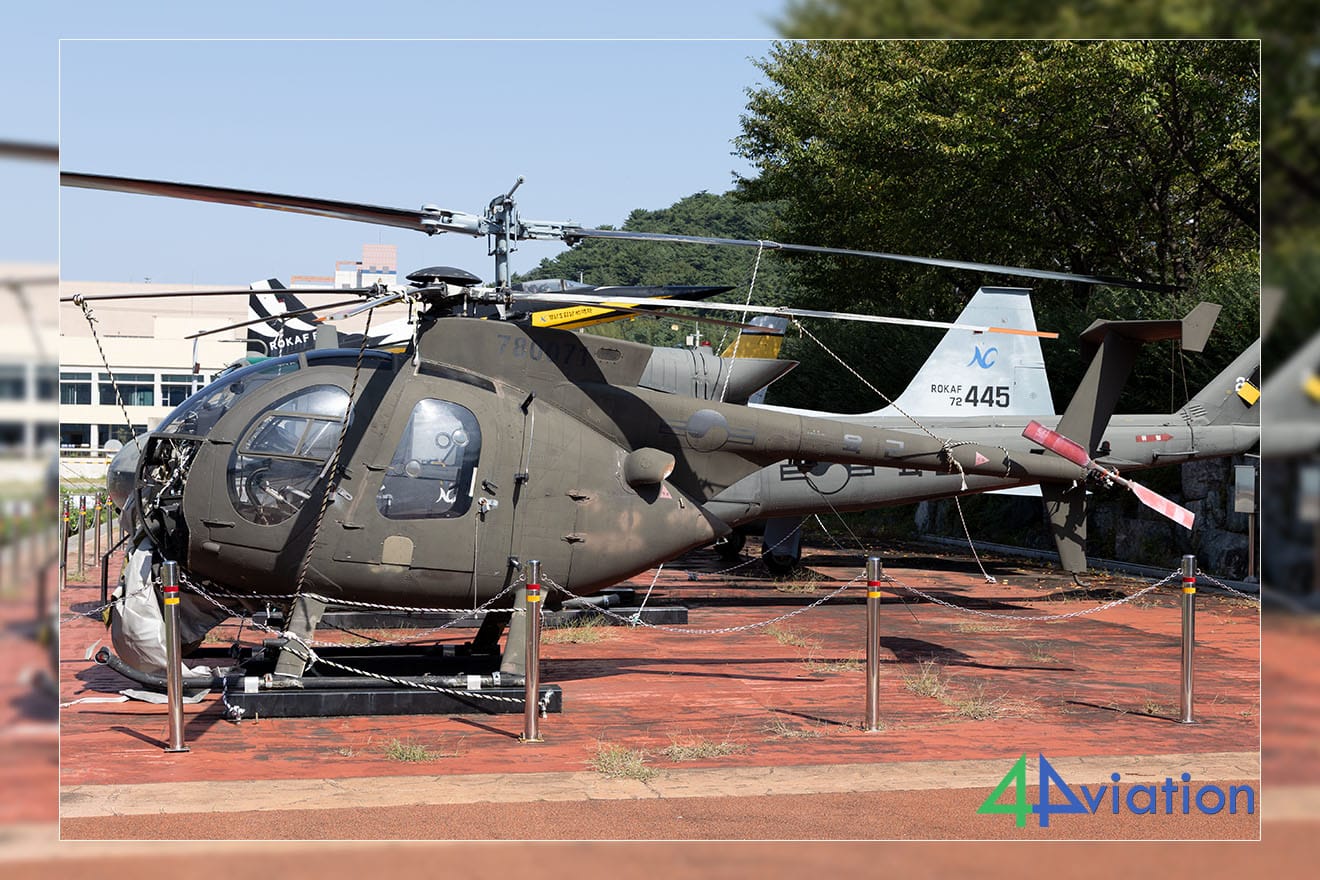
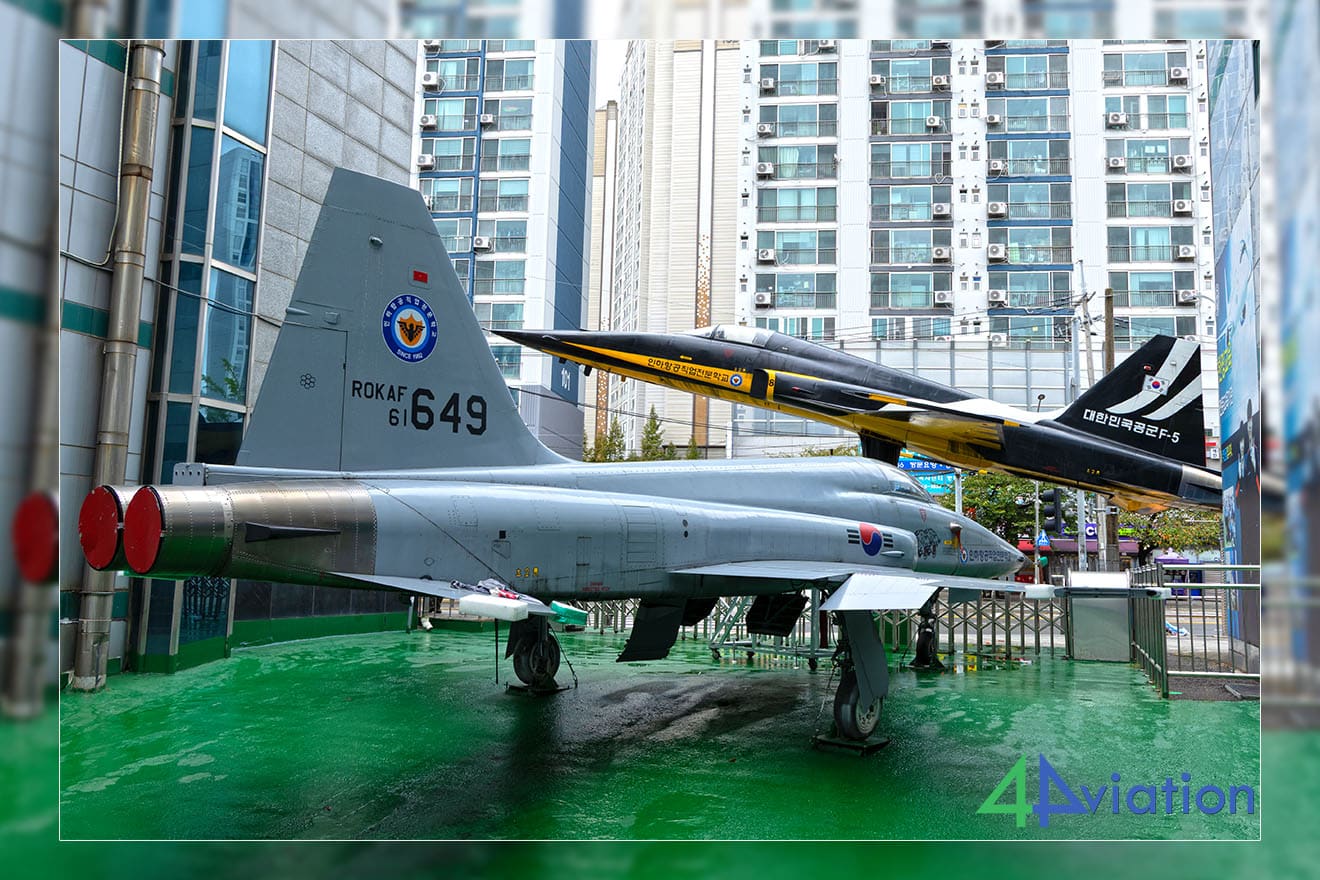
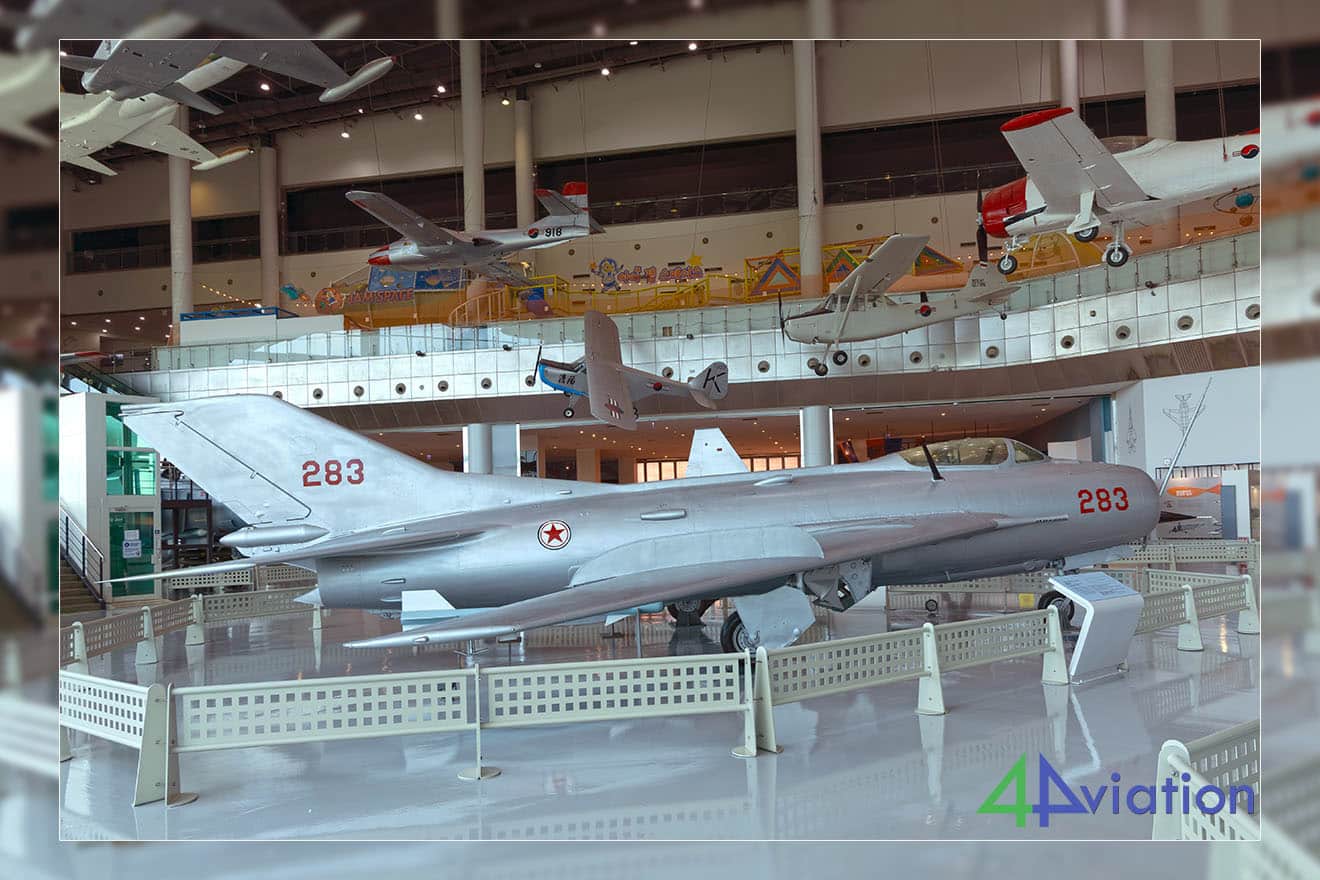
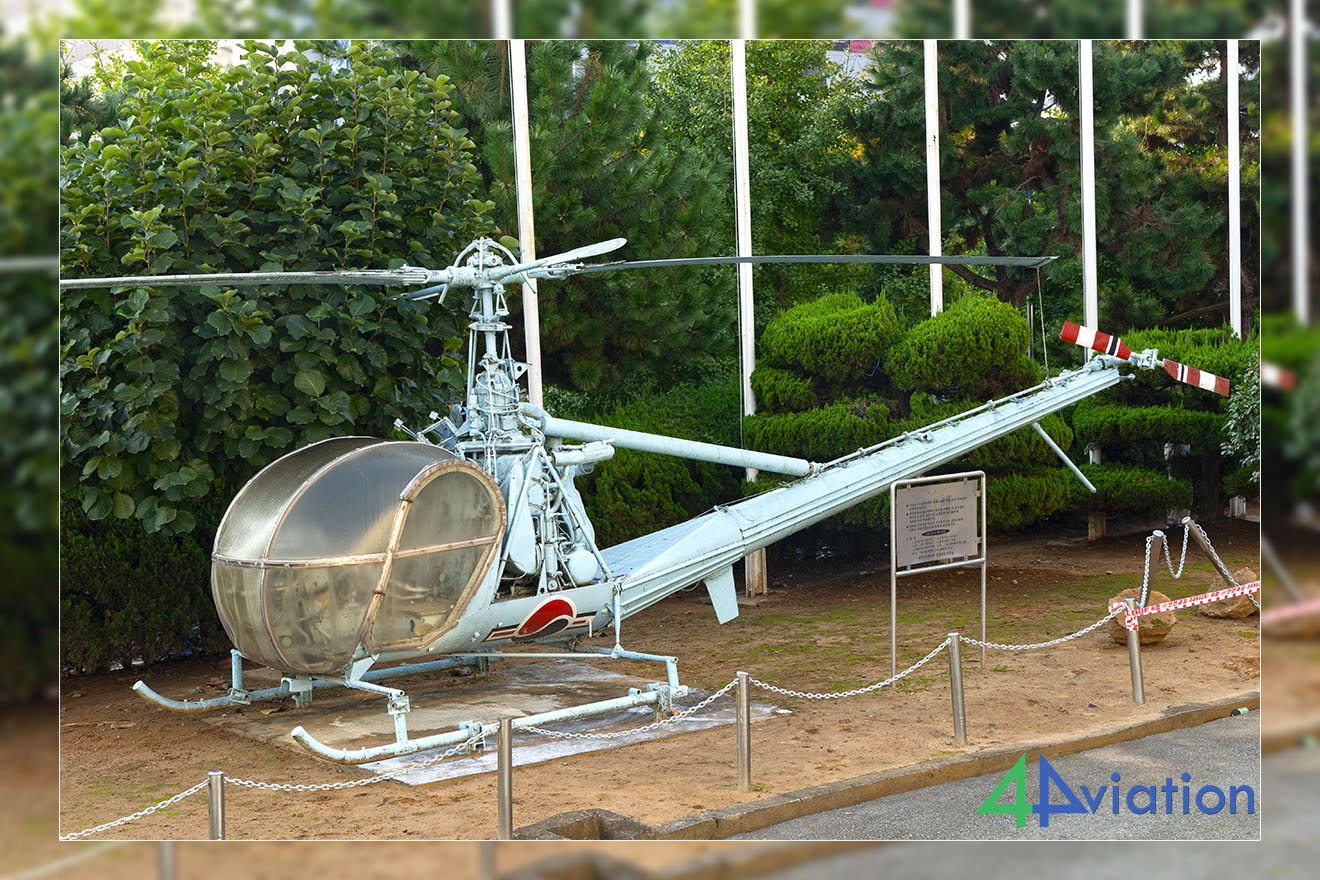
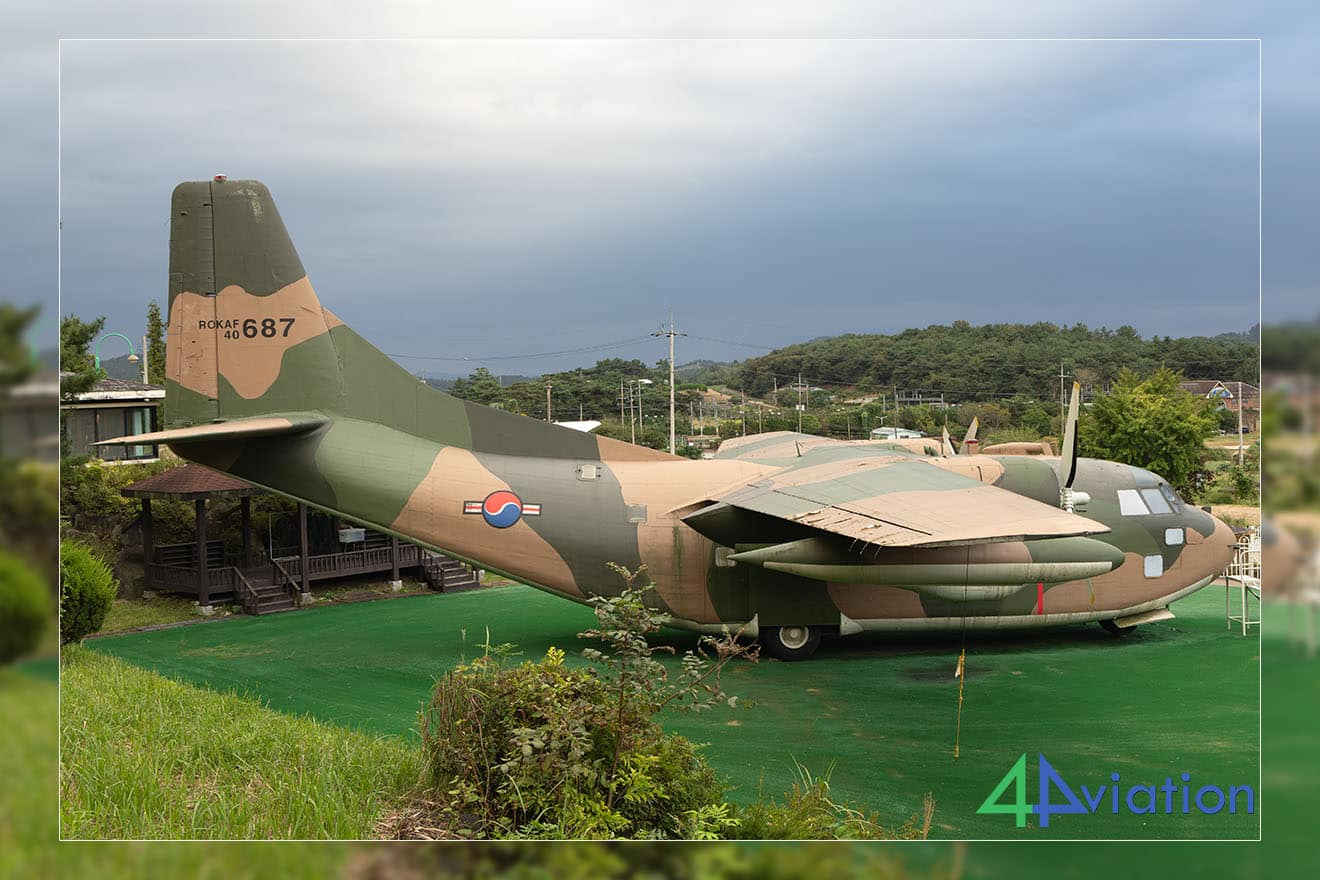
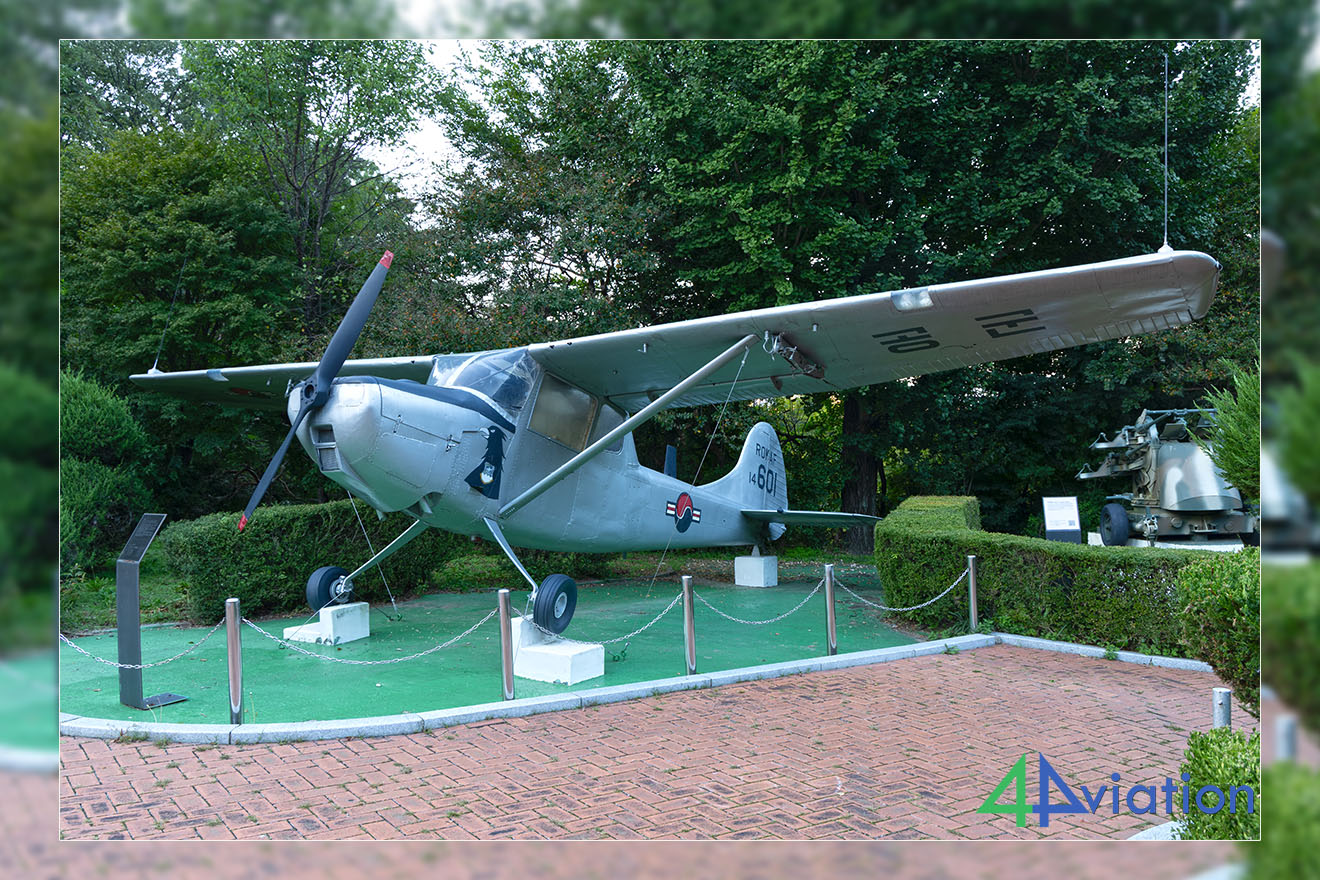
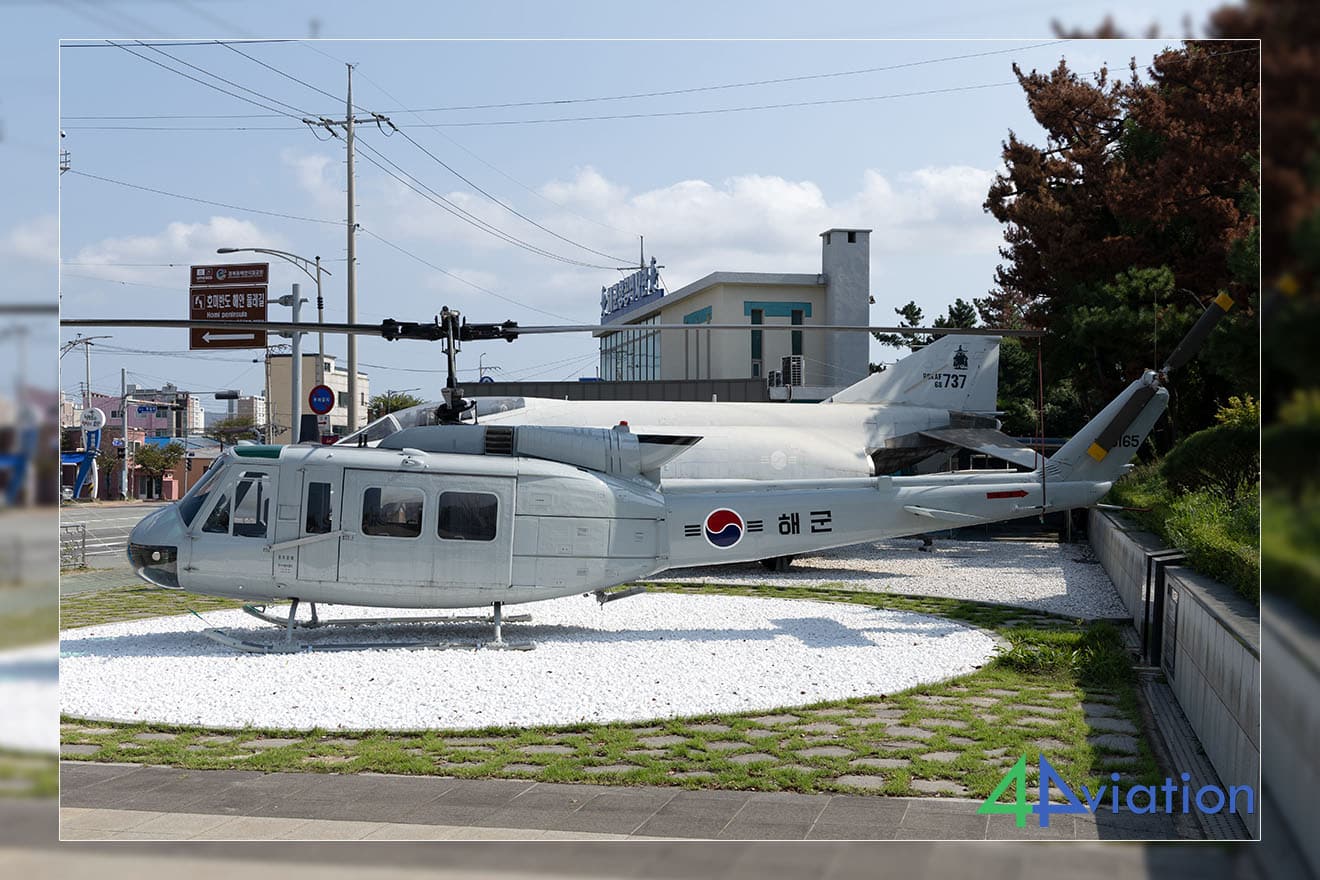
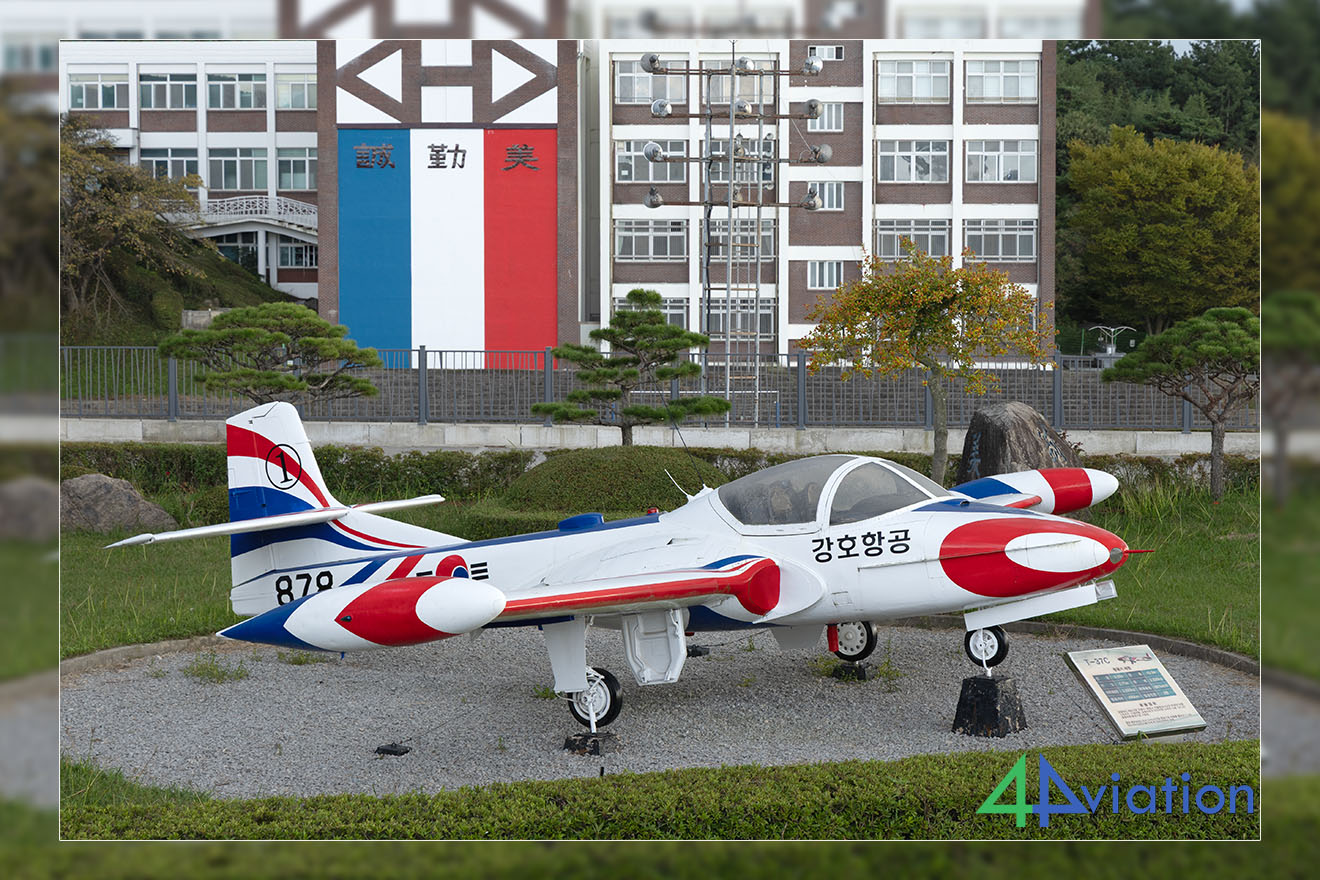
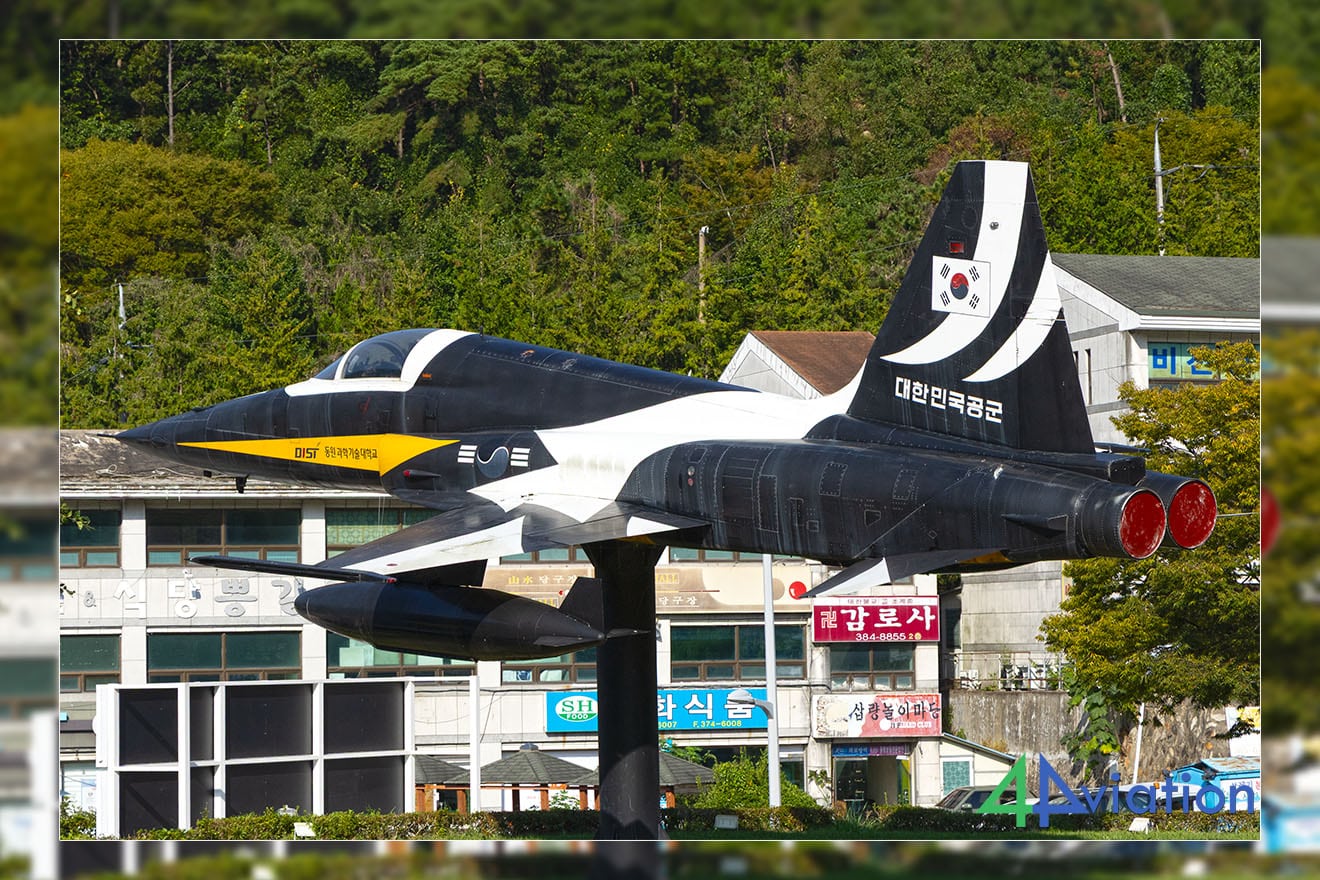
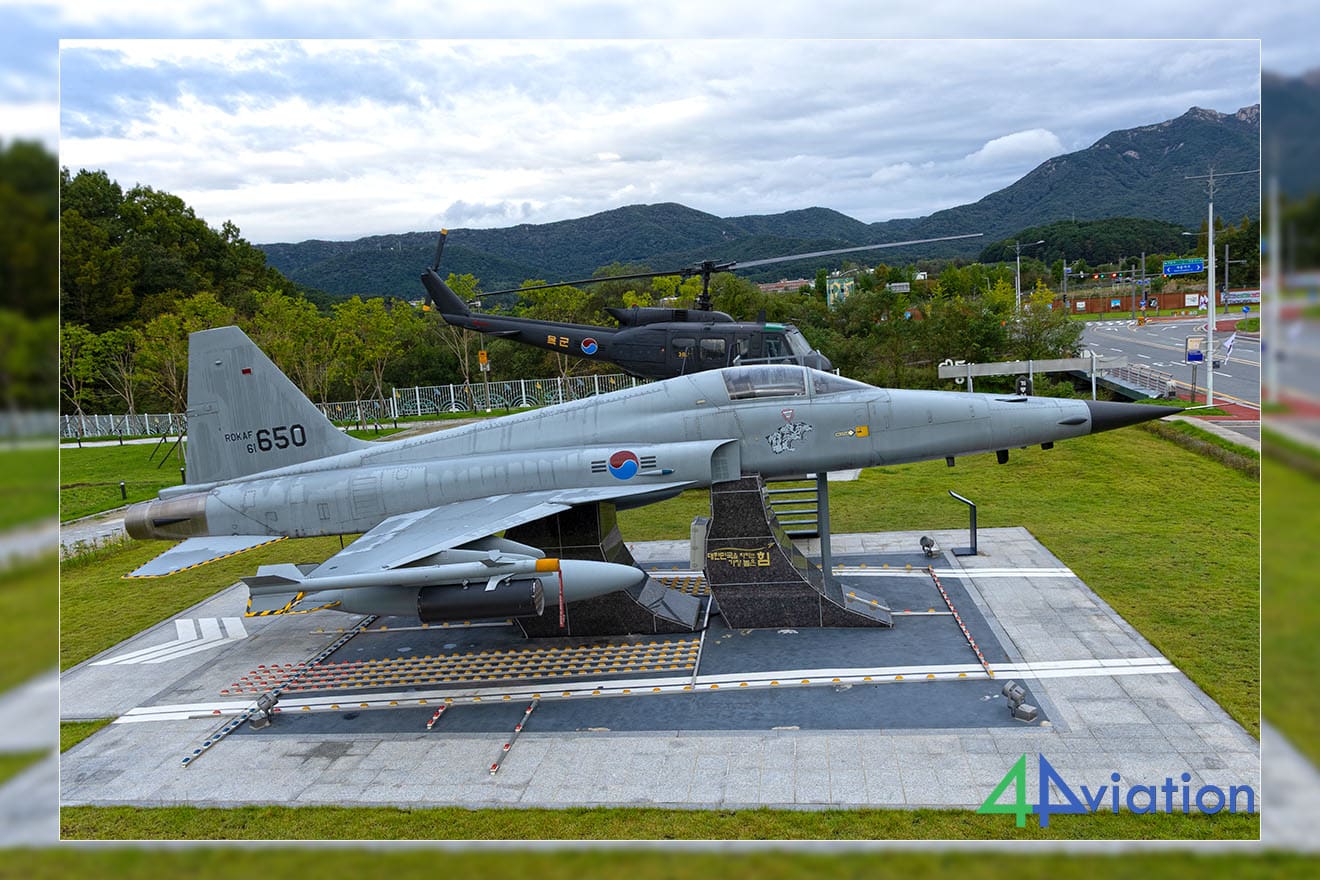
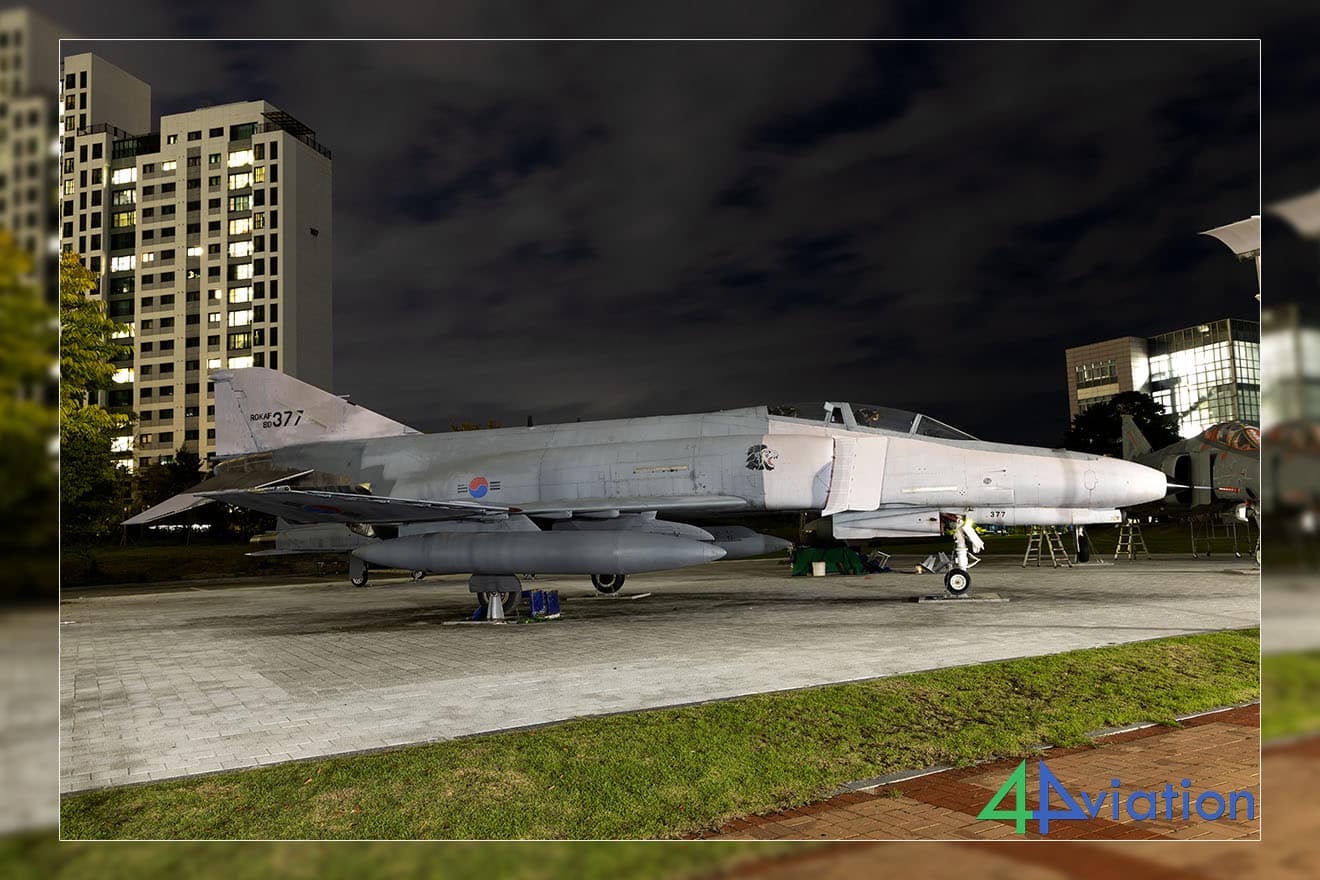
South Korea has even more preserved aircraft than Indonesia. You can find aircraft in parks every few kilometers, and almost every university with a technical department displays one. Even with two weeks, it is impossible to see everything, so we worked as systematically as possible. We started in the northwest around Seoul, zigzagged south and west, then moved east and north again, finishing back in Seoul for the ADEX airshow. We also planned a side trip to Jeju Island, home to the country’s largest aviation museum.
Due to shifted public holidays, operational flying was limited, but the roads were extremely quiet—perfect for visiting Wrecks & Relics. Our first day in South Korea started poorly with rain, heavy clouds, and a closed museum at Gimpo. It got worse when we accidentally drove off the edge of a narrow road near a small army field and got stuck. Thanks to the rental company, local residents, and a recovery vehicle, the car was quickly rescued at no cost. Despite everything, we still managed to see our first KUH-1 Surion helicopter, a new type for most of the group.
On Tuesday, 7 October 2025, the weather had improved significantly and by midday we had already logged seven locations, including the third army airfield of the tour. We then arrived at the large and impressive War Memorial of Korea, where we met our sixth and final team member, who had landed at Incheon earlier that morning. As mentioned in the introduction, several participants had specifically signed up for this tour, and we had carefully added a few more people whom we knew shared the same interests and mindset. This worked out extremely well.
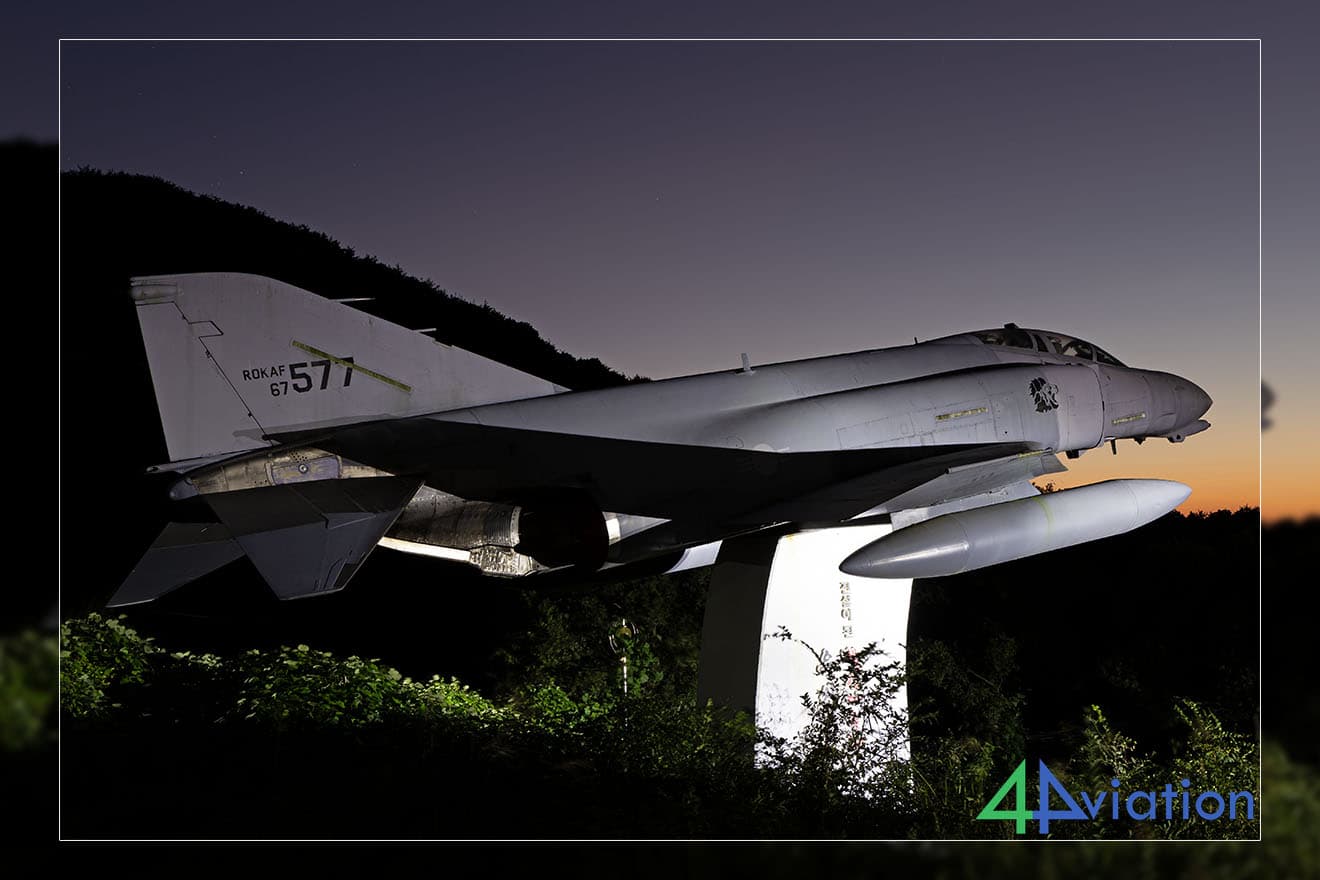
Unlike our usual tours, we agreed not to book hotels in advance in order to keep maximum flexibility in the route. From previous trips, 4Aviation knows that finding accommodation in South Korea—especially for a small group—is never a problem. Each day started around 07:00 with breakfast, and around 17:00 we would assess our position on the map, decide which locations we could still visit, and choose where to stay for the night. In practice, this often meant visiting Wrecks & Relics sites for another one to one-and-a-half hours in the dark, before finding a nearby hotel. Naturally, this was always preceded by a visit to one of the many local restaurants for a well-earned meal and a drink.
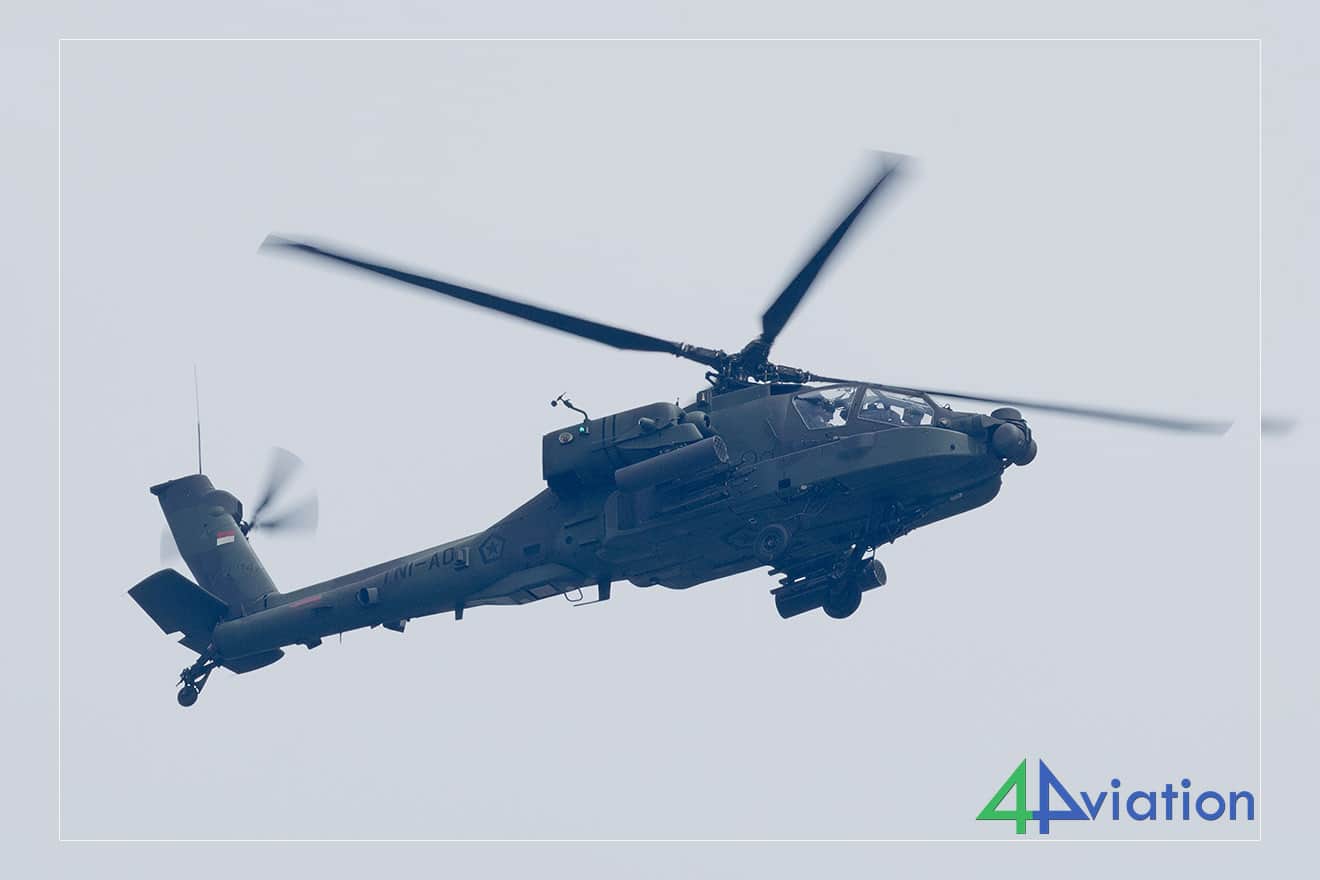
After the War Memorial, we left Seoul and continued to Pyeongtaek, where the US Army was flying circuit patterns with a pair of Apaches until nightfall. We ended the day at a US-2C Tracker in Asan.
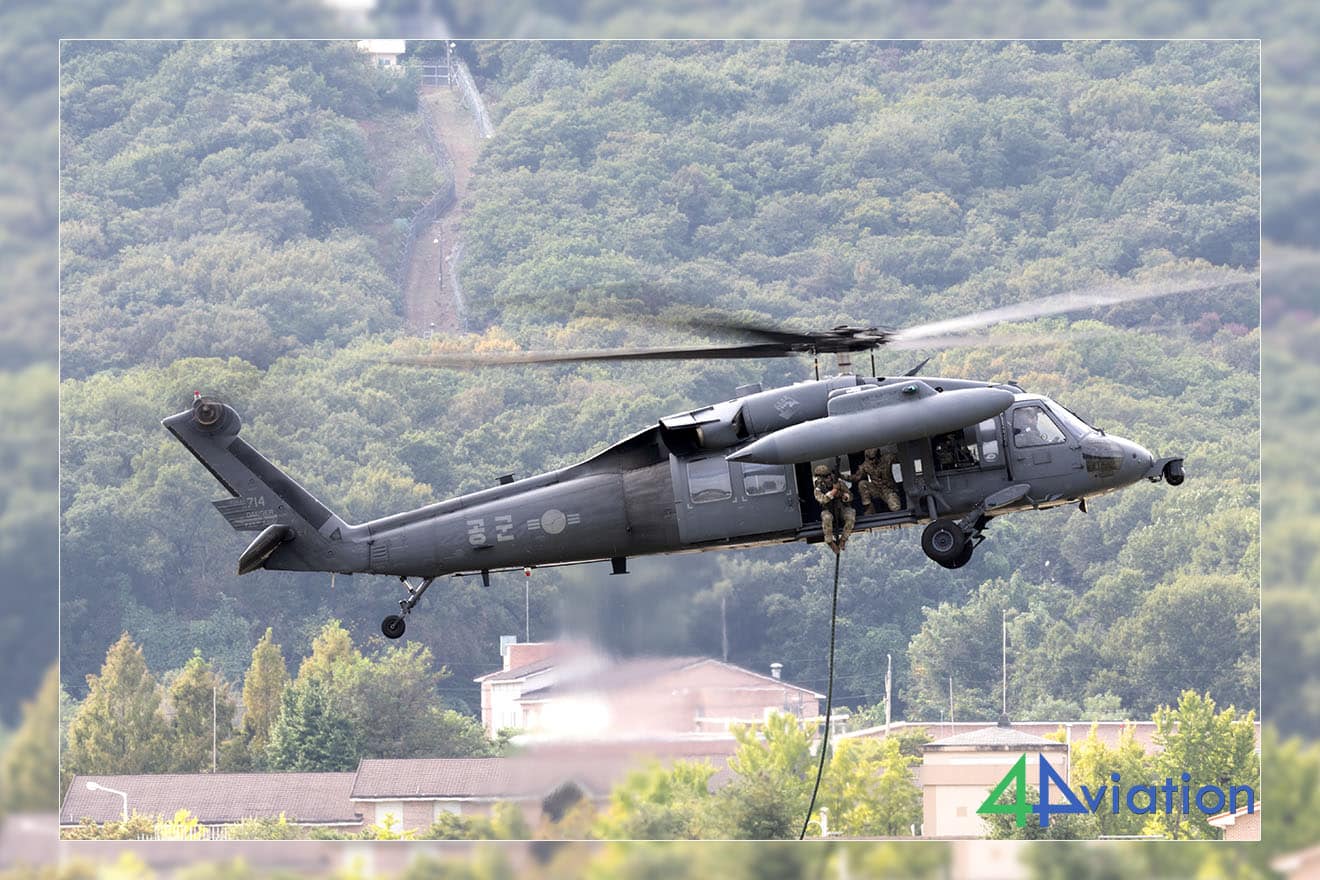
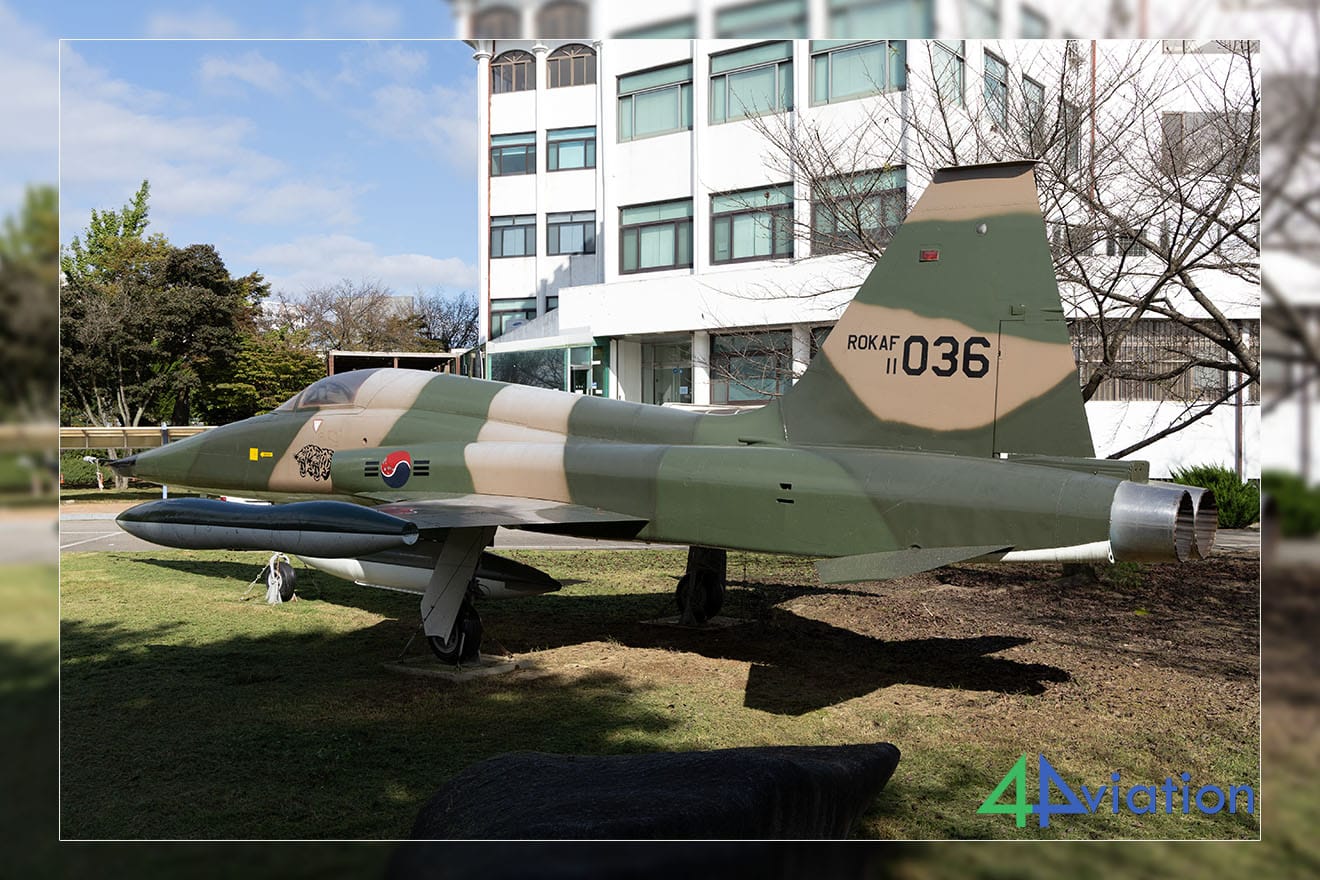
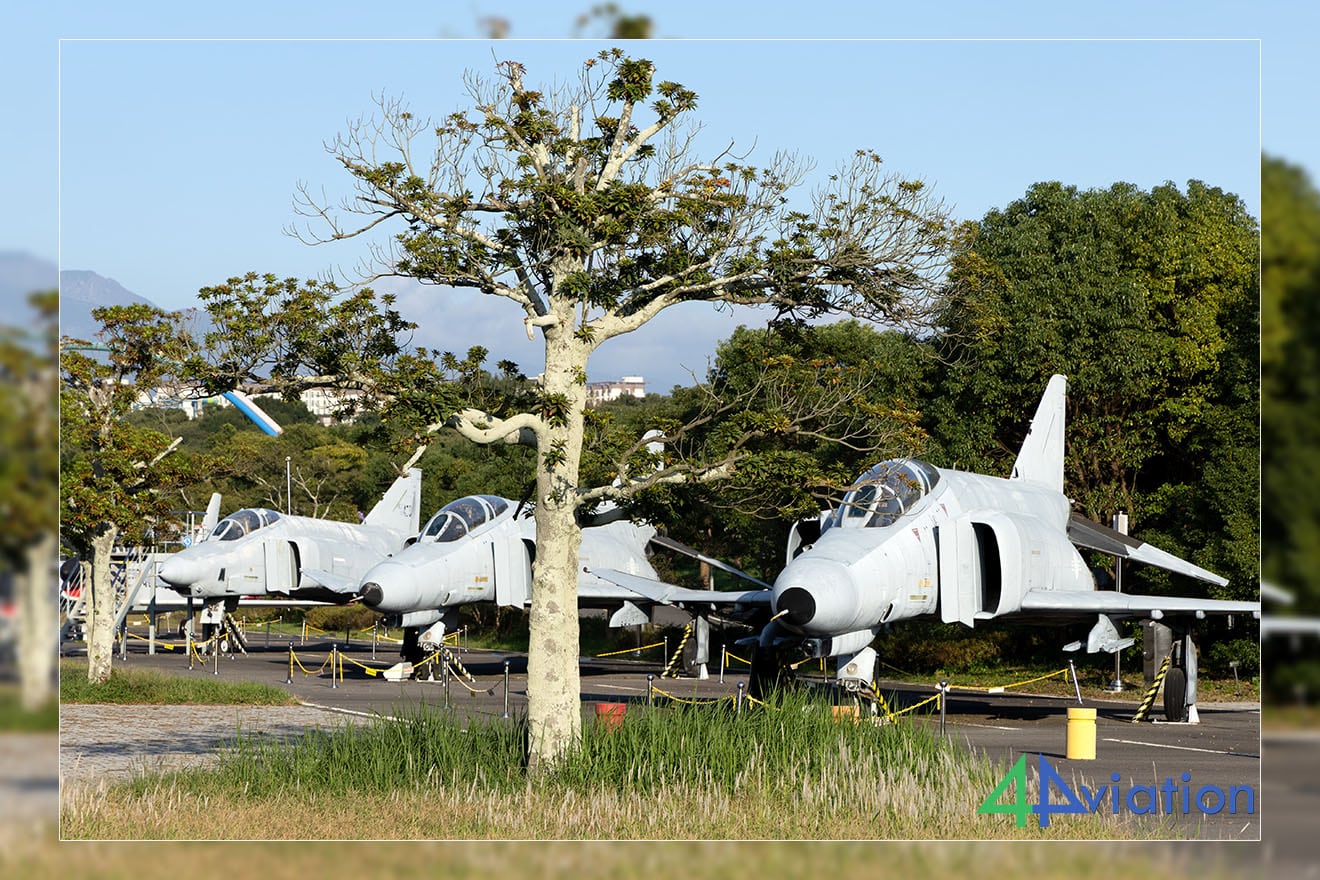
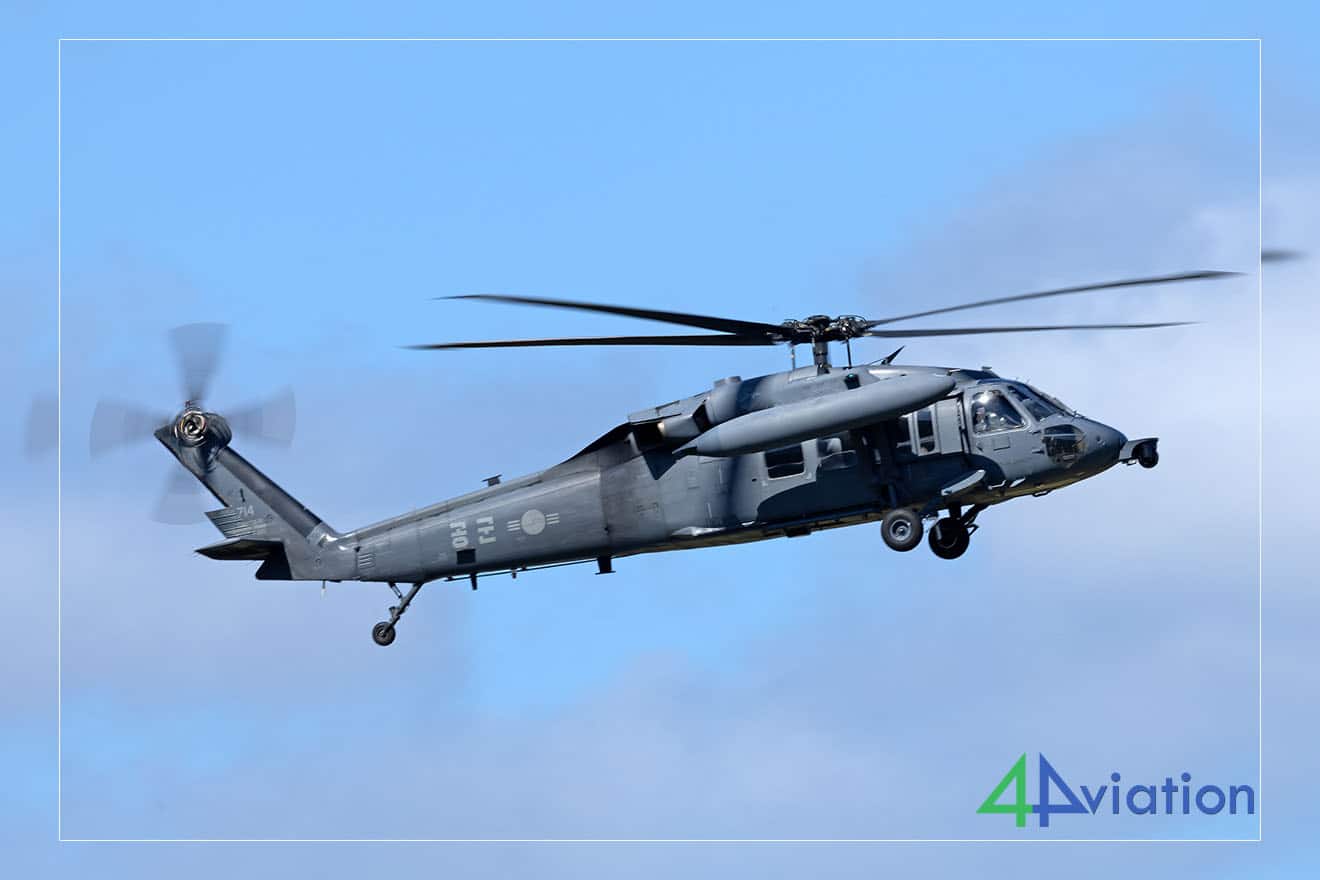
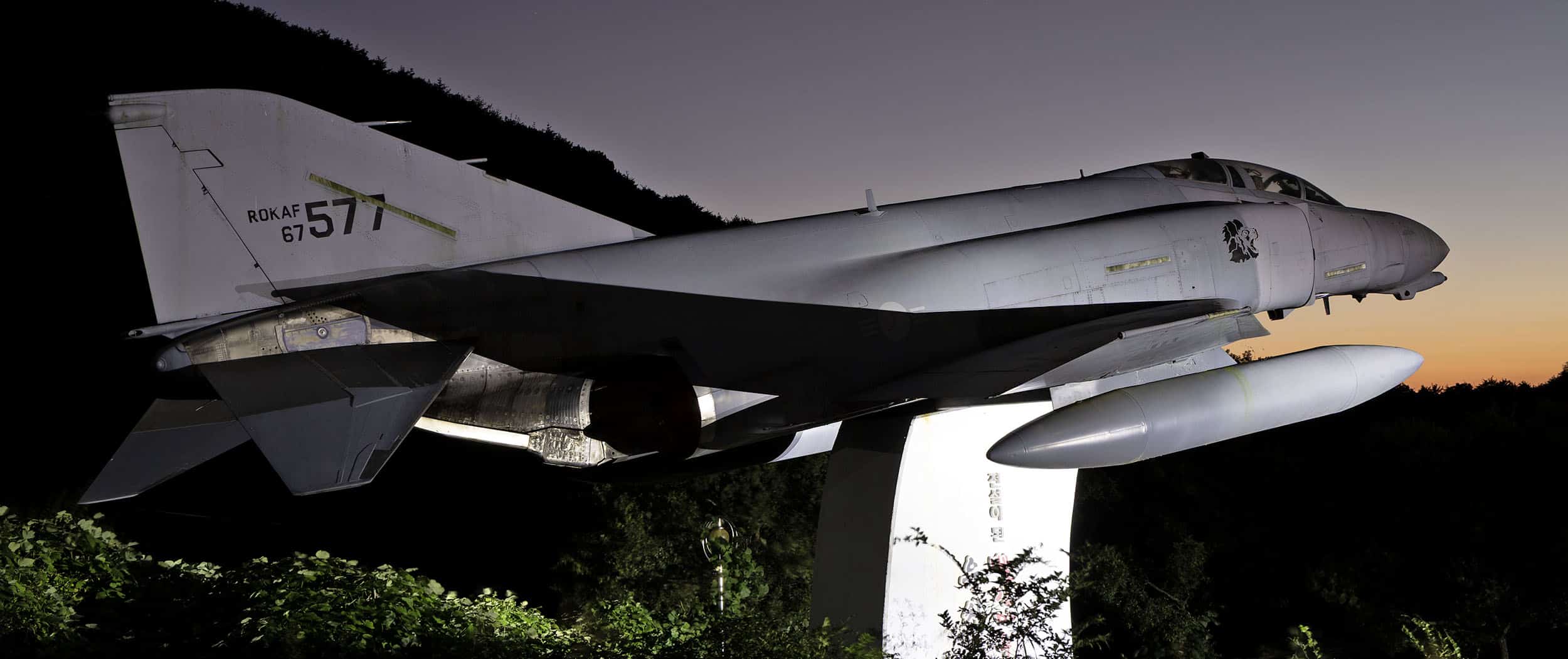
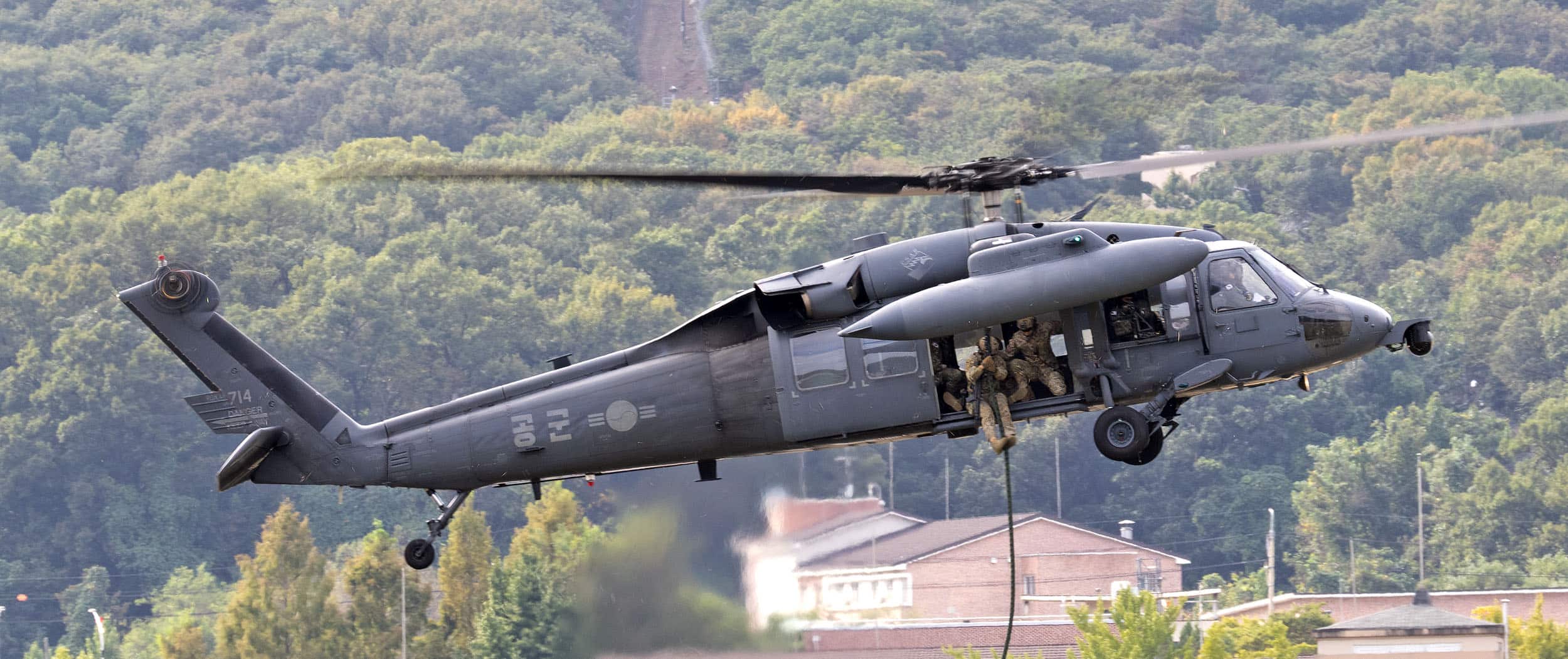
Wednesday, 8 October 2025, began in Dangjin at Sehan University, where we found an RF-4C, F-5F, UH-1H, MD500MD, and T-103. At all universities, you can simply pass the barrier and drive onto the grounds to calmly view and photograph the aircraft, just as we did at this excellent location. A short distance away lies the Hanseo University campus, where we encountered around a dozen aircraft and, indoors, also spotted a naval Alouette III. After visiting a few more locations, we reached an army field with about ten readable UH-60Ps.
At many of these operational airfields it is technically possible to take photos, but we deliberately chose not to do so. South Korean law is very clear on this matter: do not photograph infrastructure. As we plan to return to this beautiful country many times, we strictly followed this rule. At the end of the day, we arrived in Daejeon, home to the National Cemetery. The site has a fine collection of aircraft, but it is equally important to take a moment to reflect on the thousands of graves and the victims of the devastating war fought here. In this report, we do not list every single location we visited, only a selection of highlights. On this particular day, we visited twelve locations and saw approximately 60 aircraft.
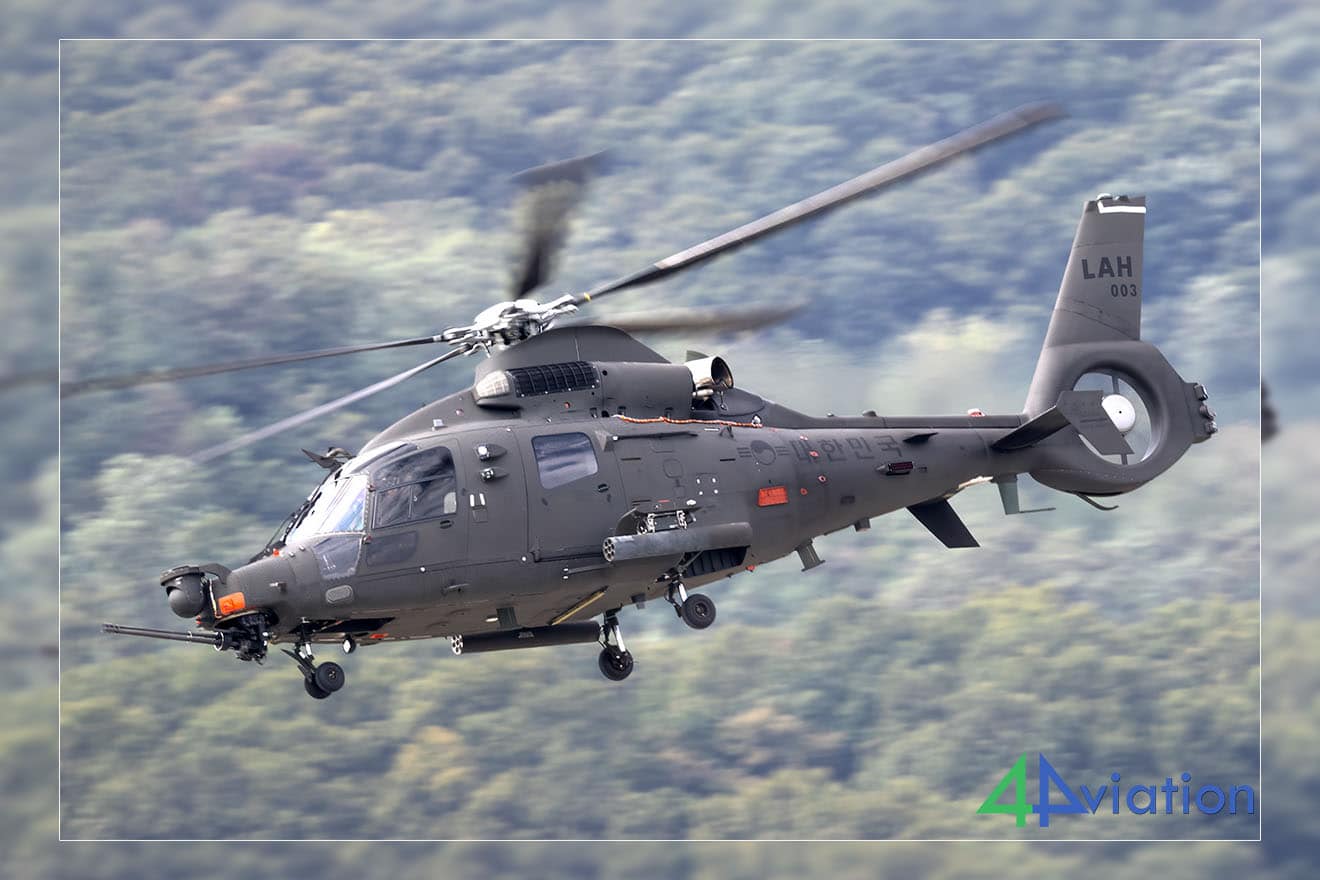
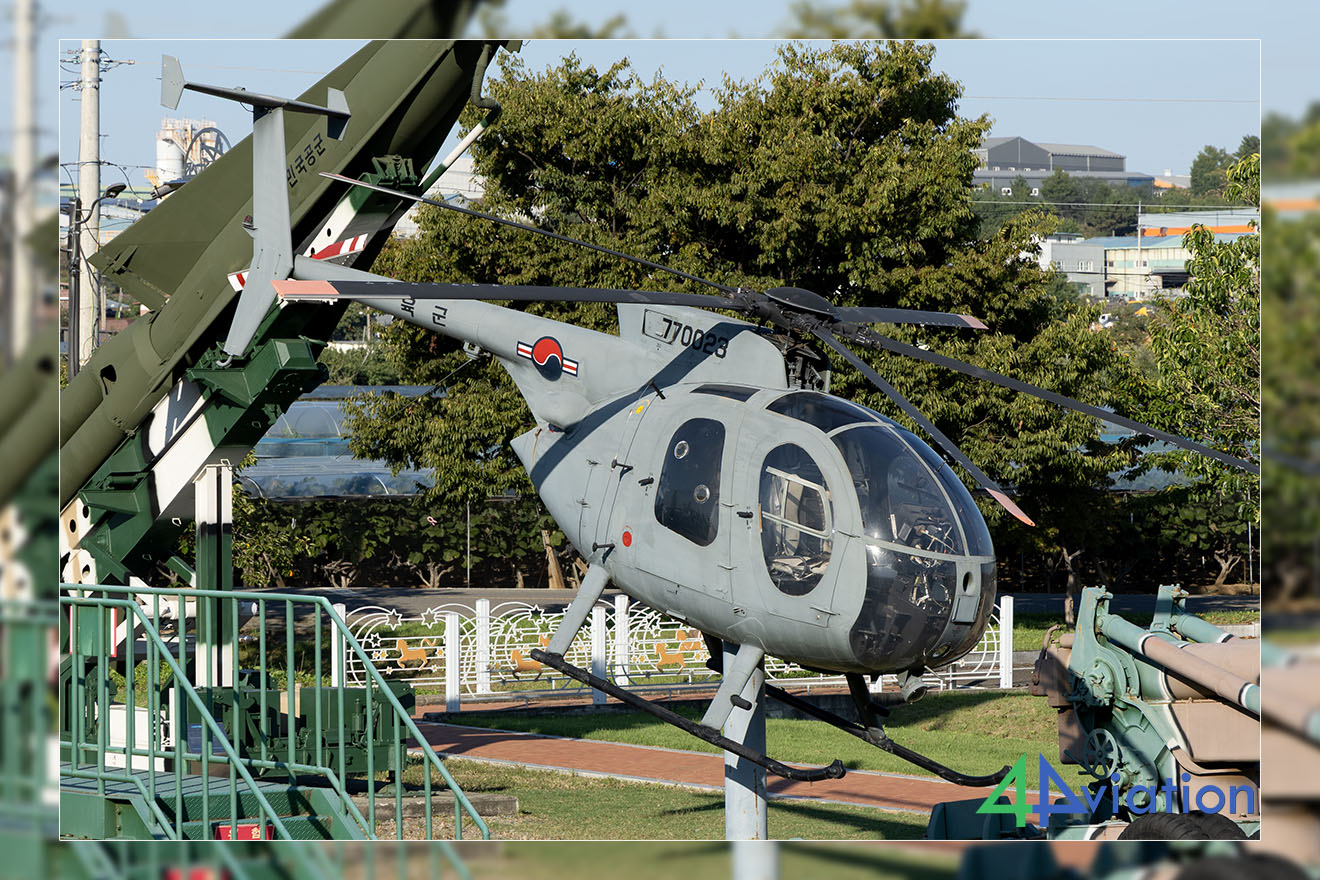
Thursday, 9 October 2025, started in Daejeon and ended in Muan, in the southwest of the country, via no fewer than 16 locations. At two sites the aircraft had disappeared, which was obviously disappointing. We visited, among others, two army airfields, with Nonsan offering the greatest variety: numerous brand-new Bell 505s, KUH-1 Surions, UH-60Ps, and MD500Ds on the platforms, as well as two newly delivered LAH-1s in the shelters. After passing several universities, we arrived just after closing time at the Hodam Air and Space Centre in Muan, but were kindly allowed inside anyway.
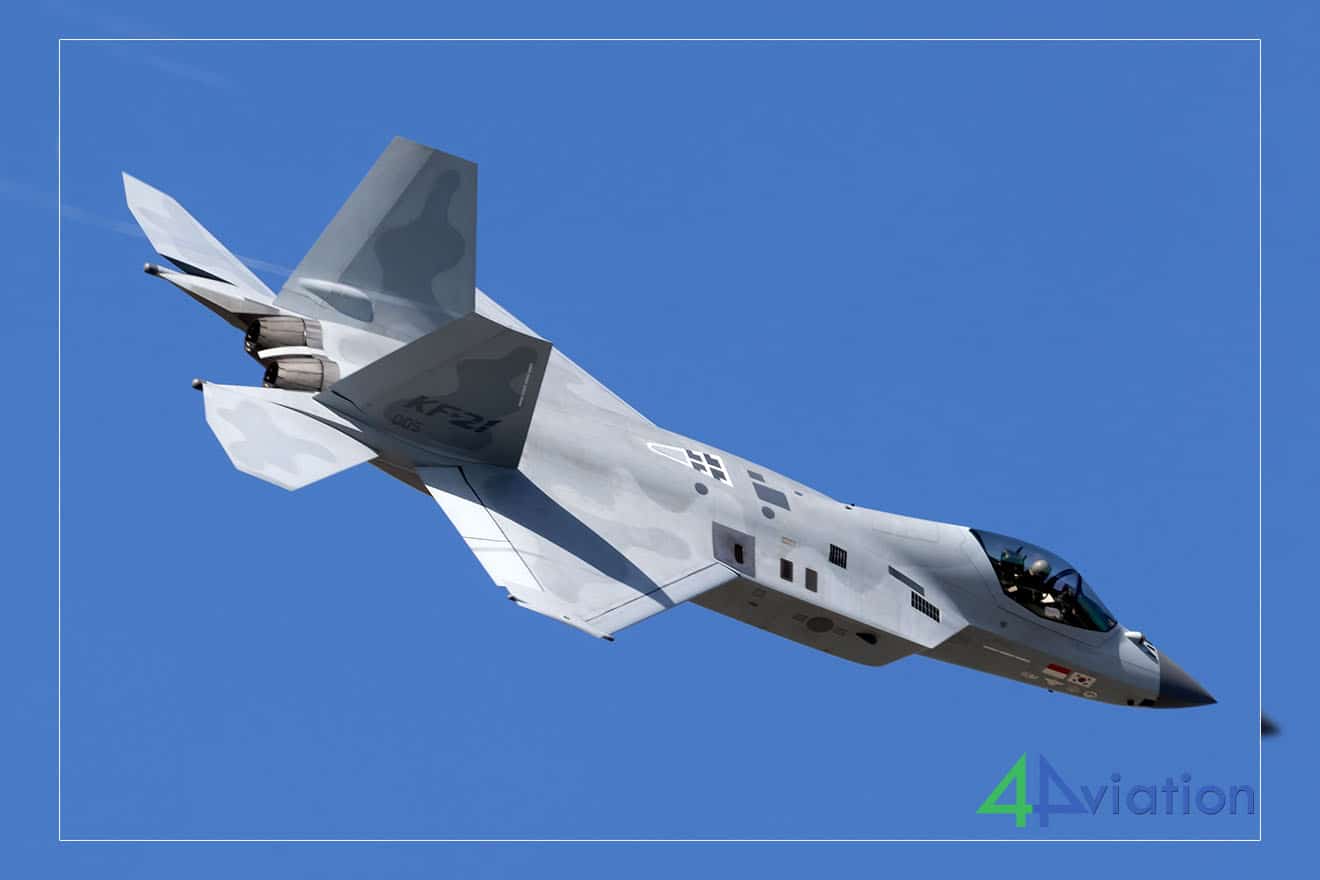
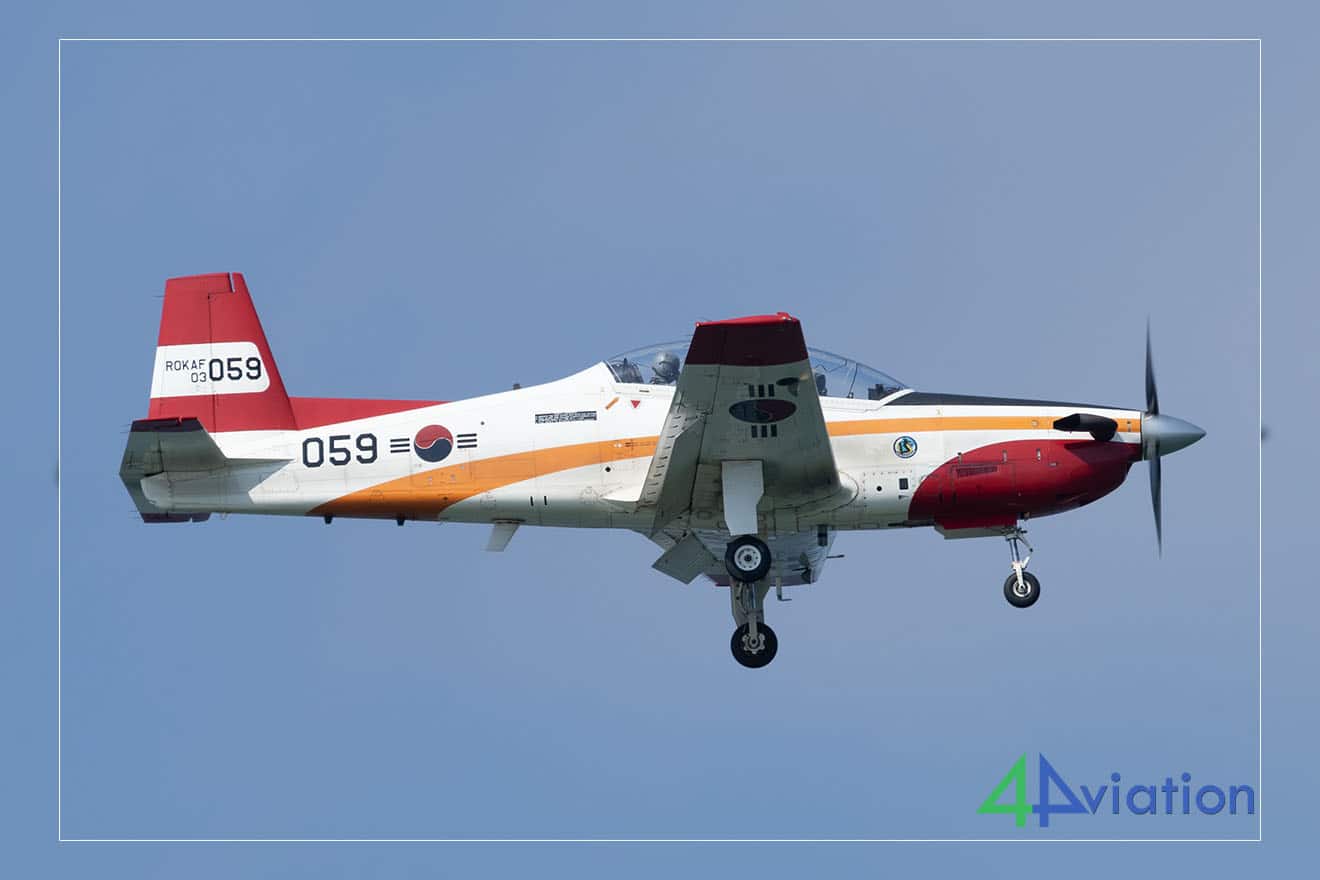
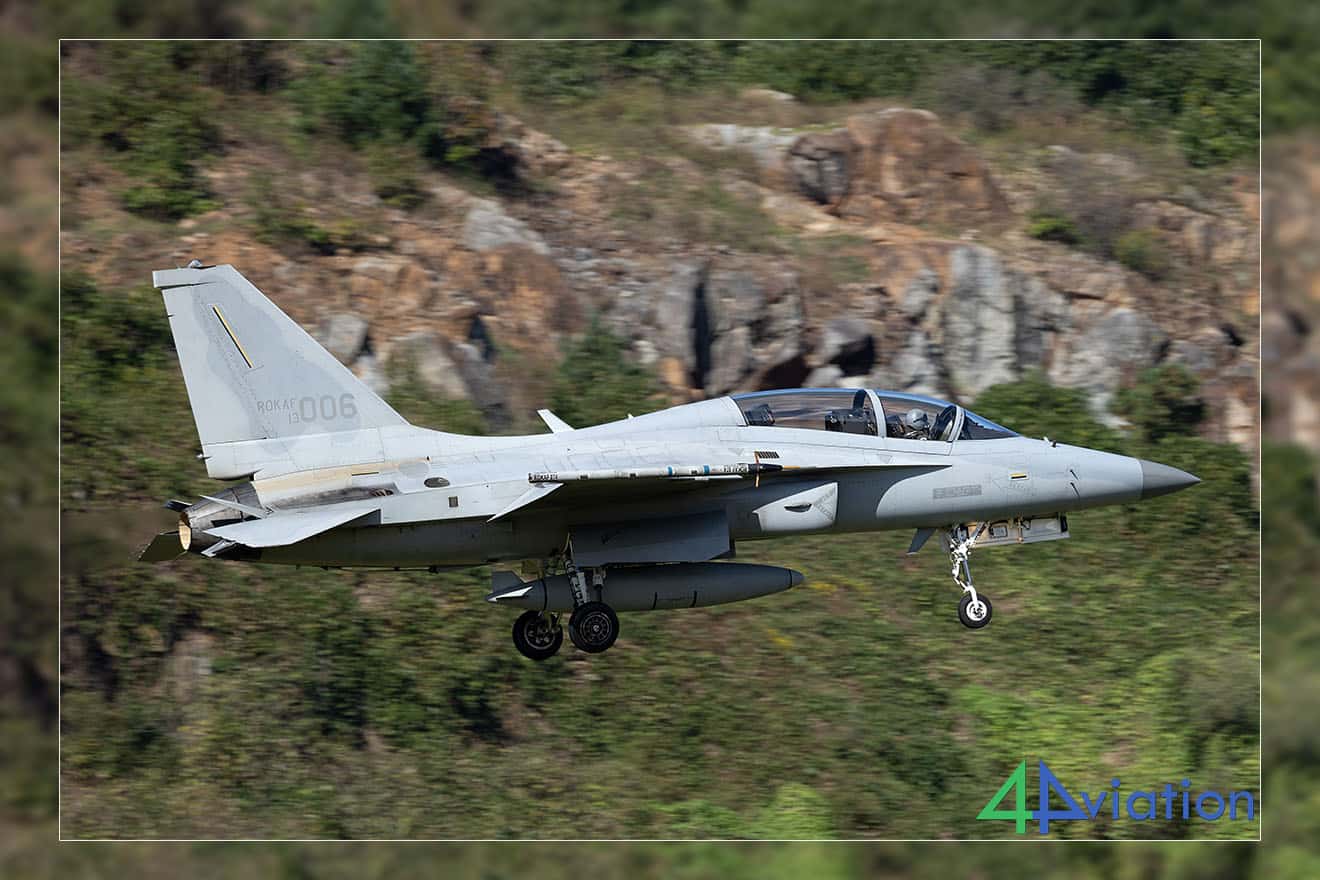
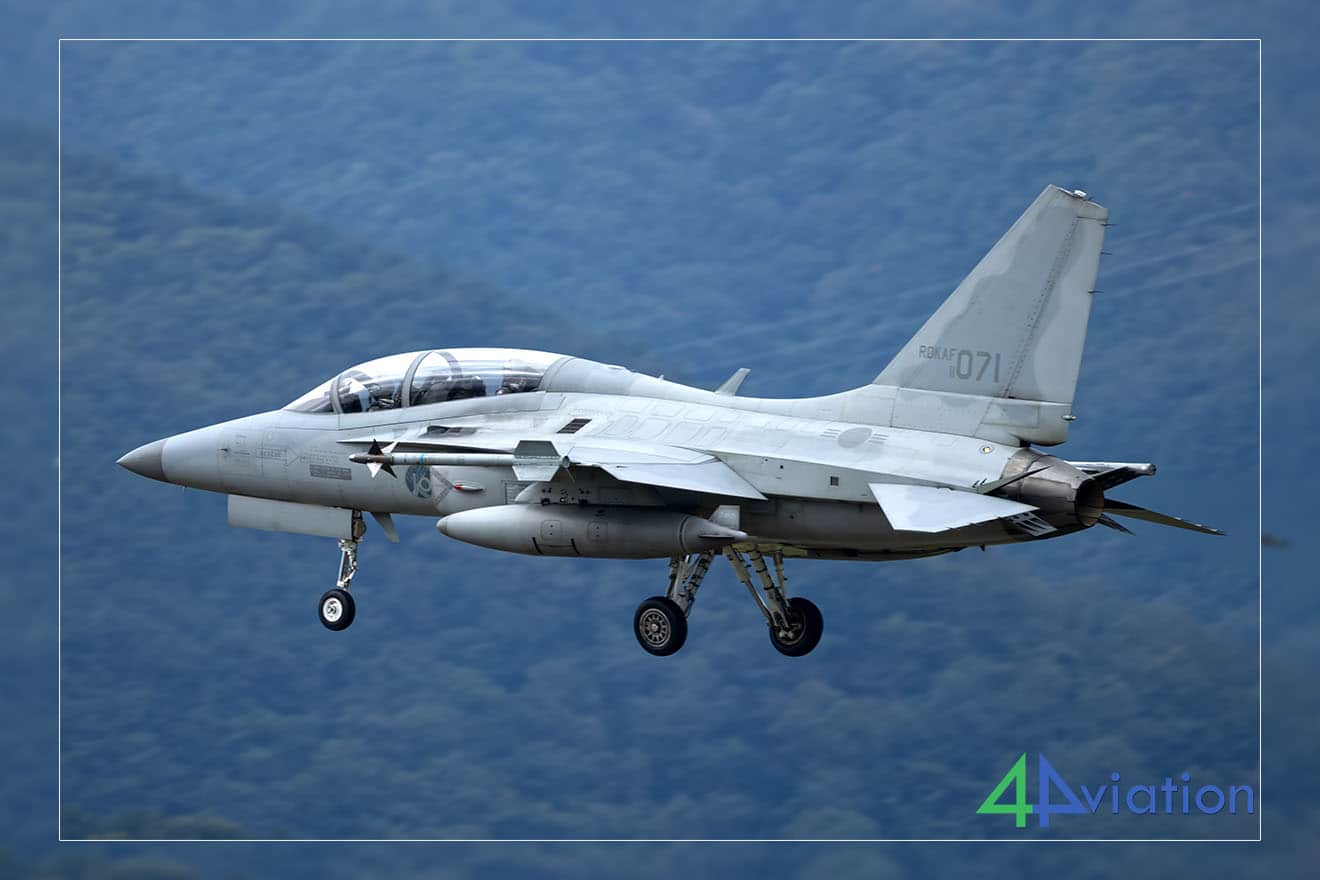
Friday, 10 October 2025, began with a US-2C Tracker in Mokpo. A few hours later, we witnessed significant activity at Sacheon, home to the 3rd Training Wing operating the KT-1. From the museum, we also saw a KF-21 land, followed shortly by another departing together with a chase KF-16C and an FA-50. This was no surprise, as KAI has a major facility here and these aircraft are built on site. After visiting several scenic locations, we ended the day at Jinhae, watching dusk fall over an operational KUH-1 and three less-operational UH-1Hs on the platform. We drove past the large city of Busan, which we would revisit later to position ourselves for Saturday.
Saturday, 11 October 2025, started once again with an F-5 and an MD500. Via another university and a park, we reached Pohang, the largest naval air base in the country, where we had an excellent vantage point west of the field. Here we observed nine P-3 Orions and four brand-new P-8 maritime patrol aircraft. At the museum near the main gate, a UH-1H had recently been added to the collection. During the rest of the day, we visited a cemetery, three schools, two memorials, a museum, and a small army airfield with four KUH-1s.
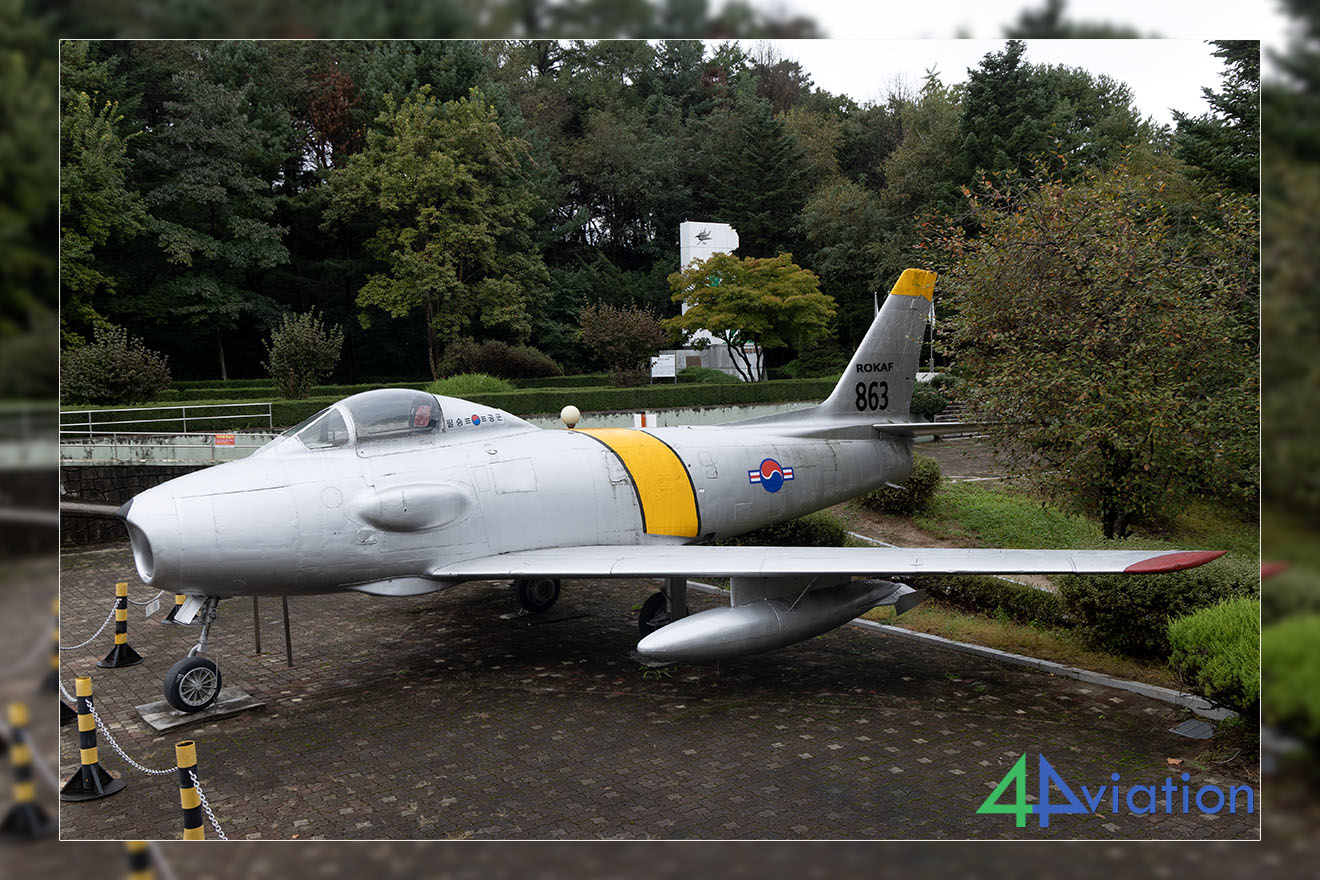
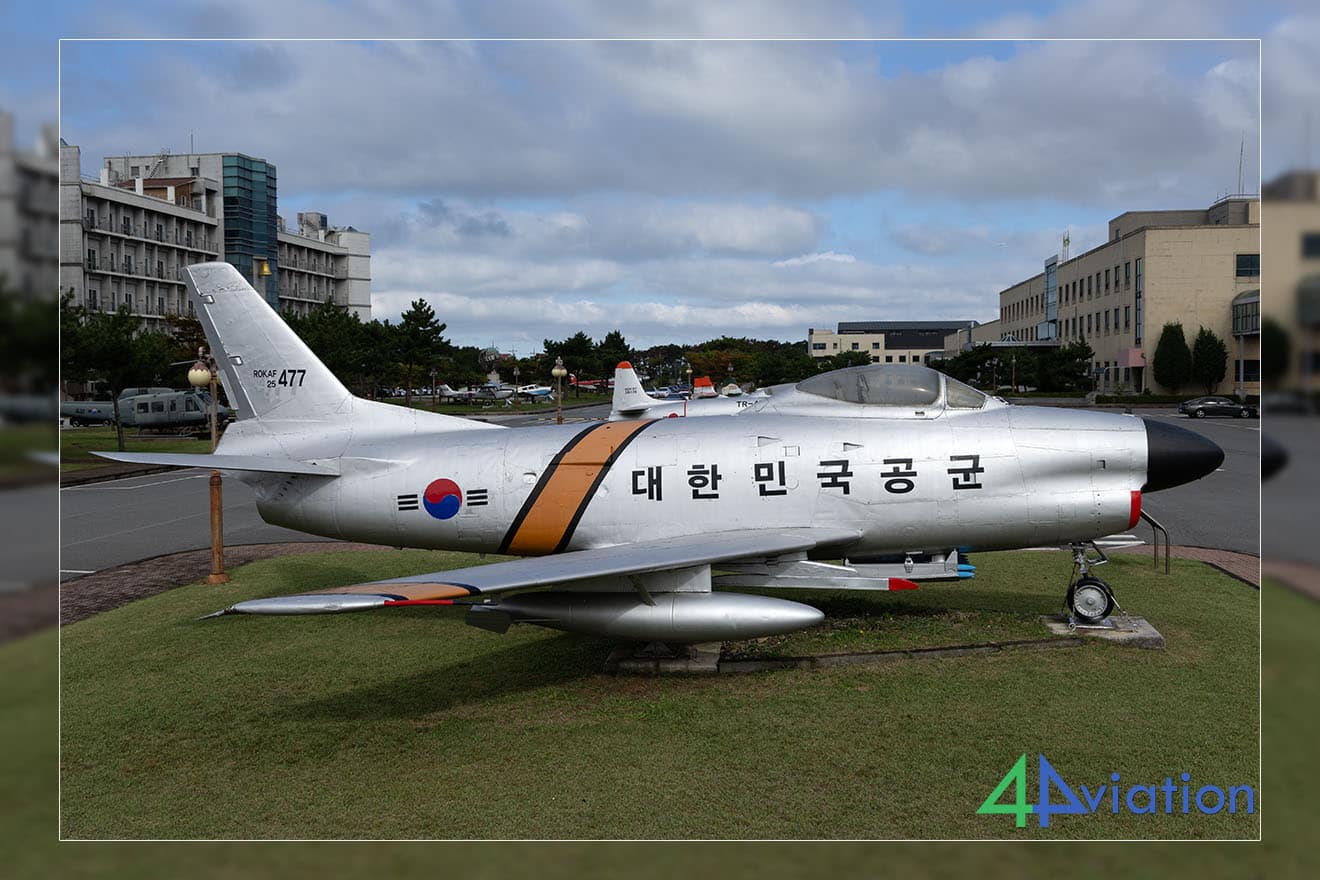
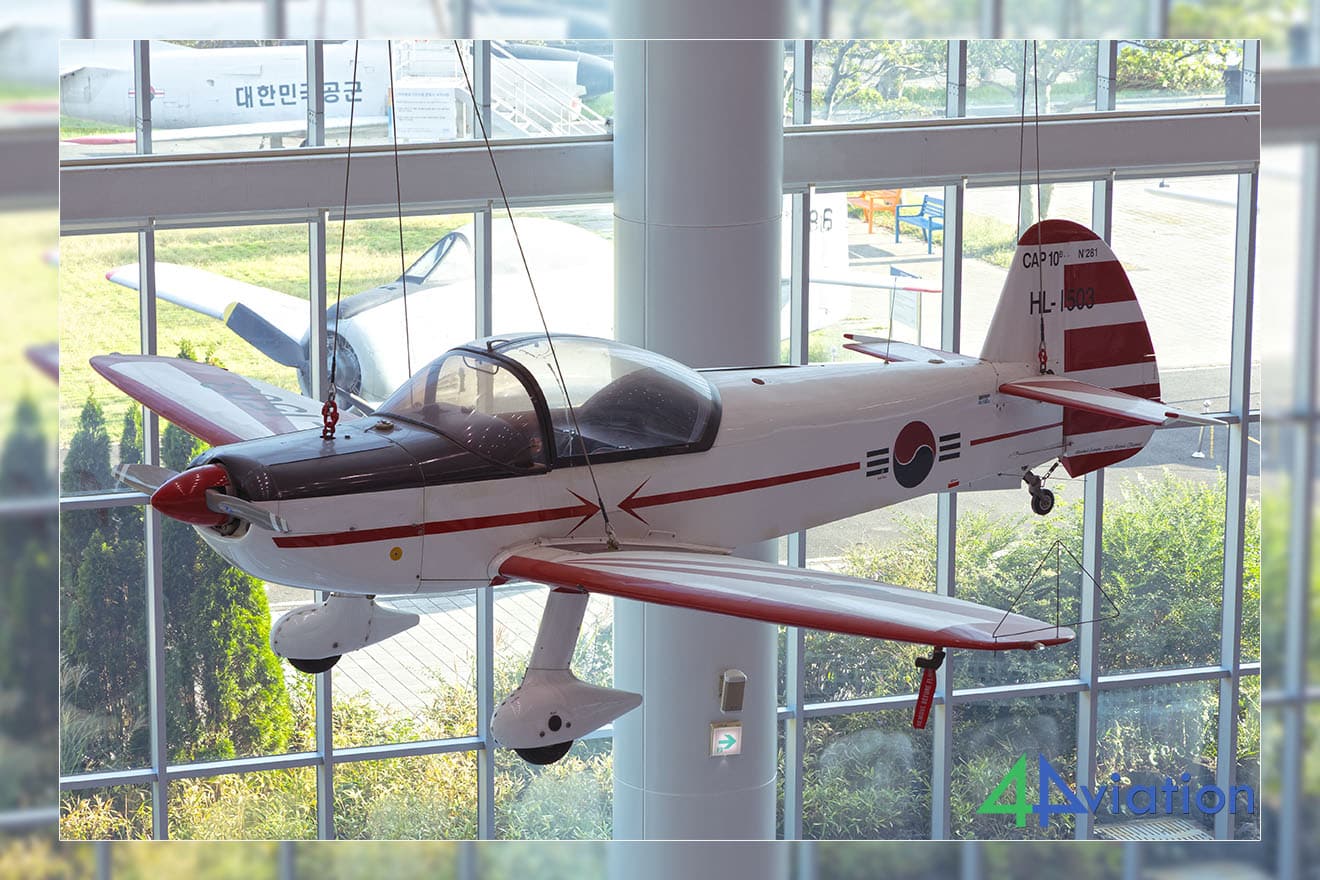
On Sunday, 12 October 2025, we started extra early again with several locations in and around Busan. At 12:15, we flew to Jeju Island, home to the Aerospace Museum with 36 aircraft on display. After landing, we immediately spotted our tenth P-3C Orion, a Coast Guard KUH-1CG, and a police KUH-1P from the rental car area. Naturally, a university visit followed, featuring an F-5E and a T-103. In the south of the island, we also found an army base with UH-1H and MD500MD helicopters before spending ample time at the museum itself. By the time it was dark, we spotted a VC-121A Constellation at the KAL airfield Jeongseok in the distance. Most of us had seen this aircraft in Europe back in 1998, but none of us had previously seen the F-86F at the Jeju Unification Hall. Our hotel for the night was nearby, where we enjoyed a Korean-style barbecue outdoors in tropical temperatures.
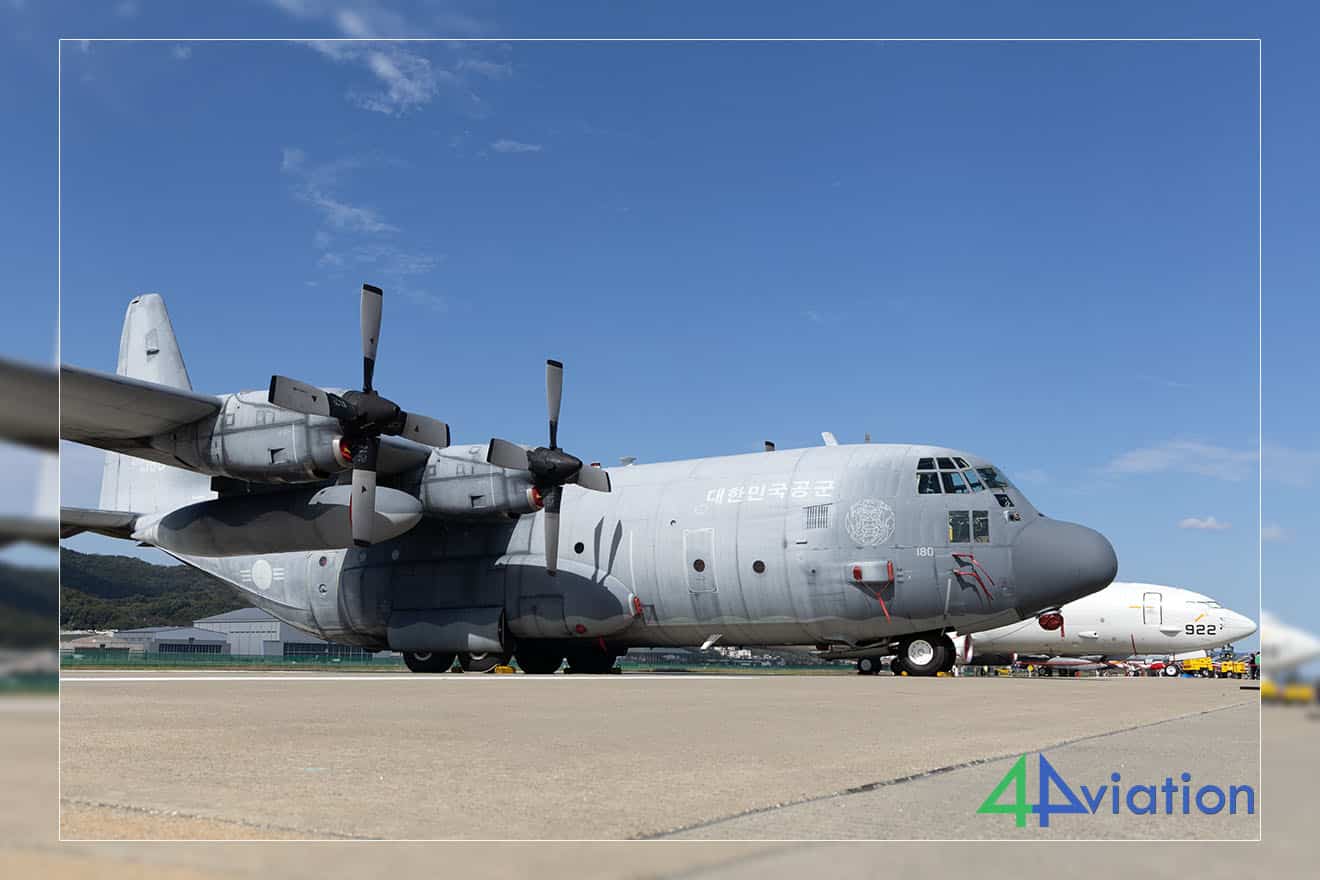
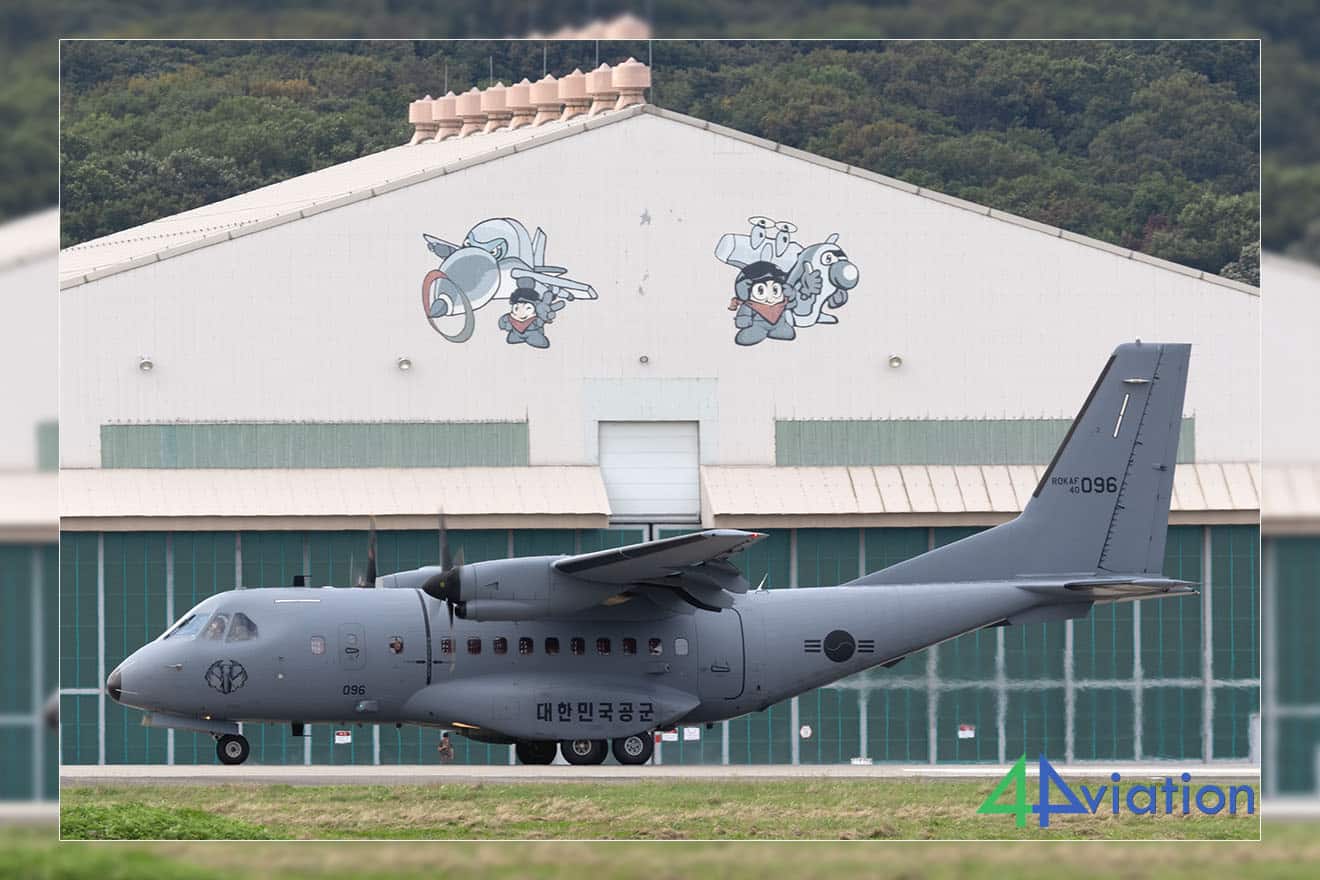
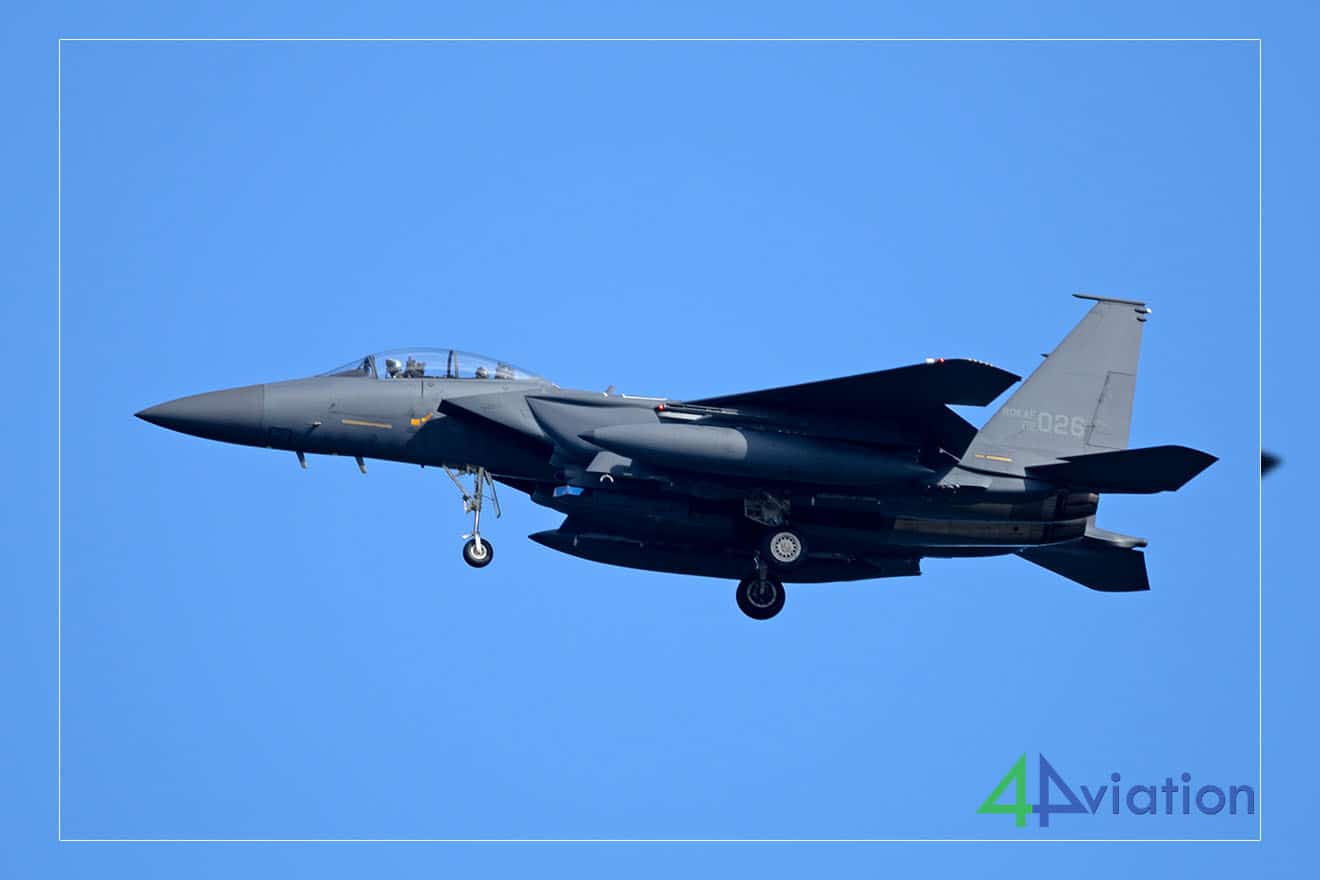
On Monday, 13 October 2025, we took the first flight back to Busan, but not before taking another good look at the S-2E Tracker along the fence and enjoying one more clear view of the P-3C, as sightings are becoming increasingly rare. After landing at Busan Gimhae, we toured the airfield area and saw several A330s, C-130s, CN235s, and a different E-7 than the one we had seen on Sunday. While searching for a higher vantage point, we hit a rock and completely destroyed a tire. An hour later, we were at a tire shop, where the problem was quickly and professionally resolved. As everything had gone smoothly until then, we had planned to revisit Jinhae, but instead continued directly to Daegu, home base of the South Korean F-15Ks. Unfortunately, it was extremely quiet there and remained so. Since the F-15K Eagle is a favorite among the group, we decided to try again on Tuesday. That did not mean sitting idle, however, and we finished the day via seven additional locations.
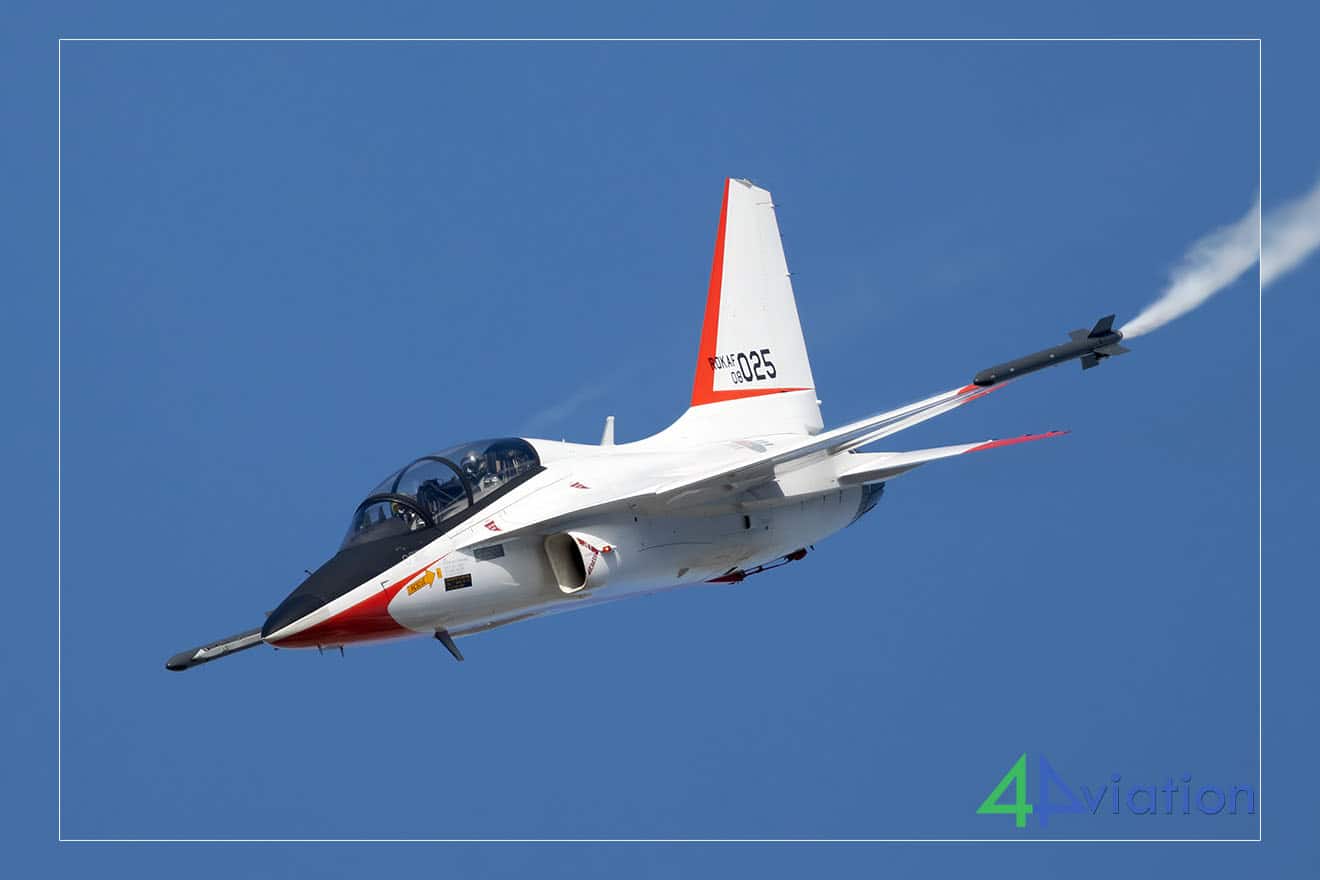
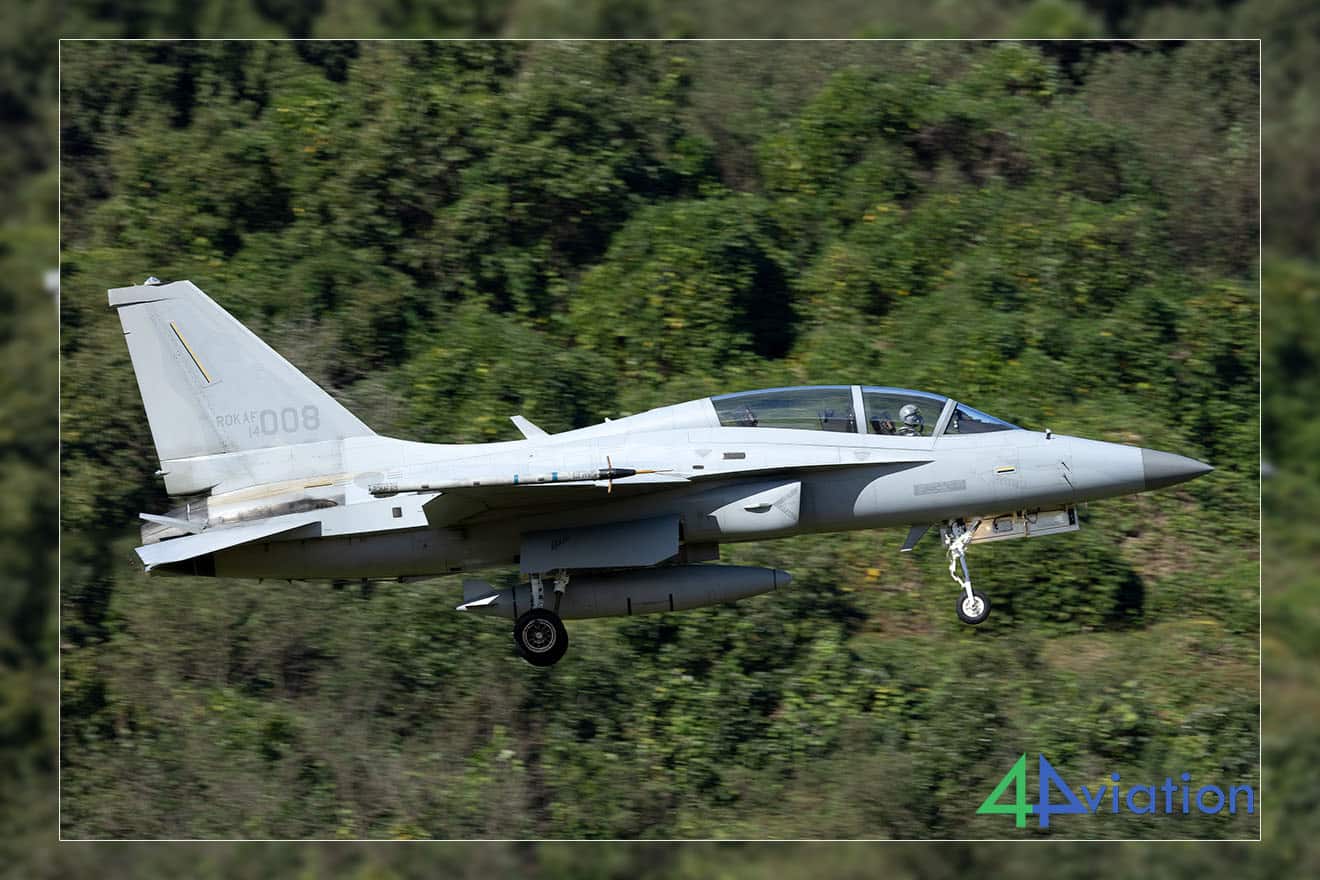
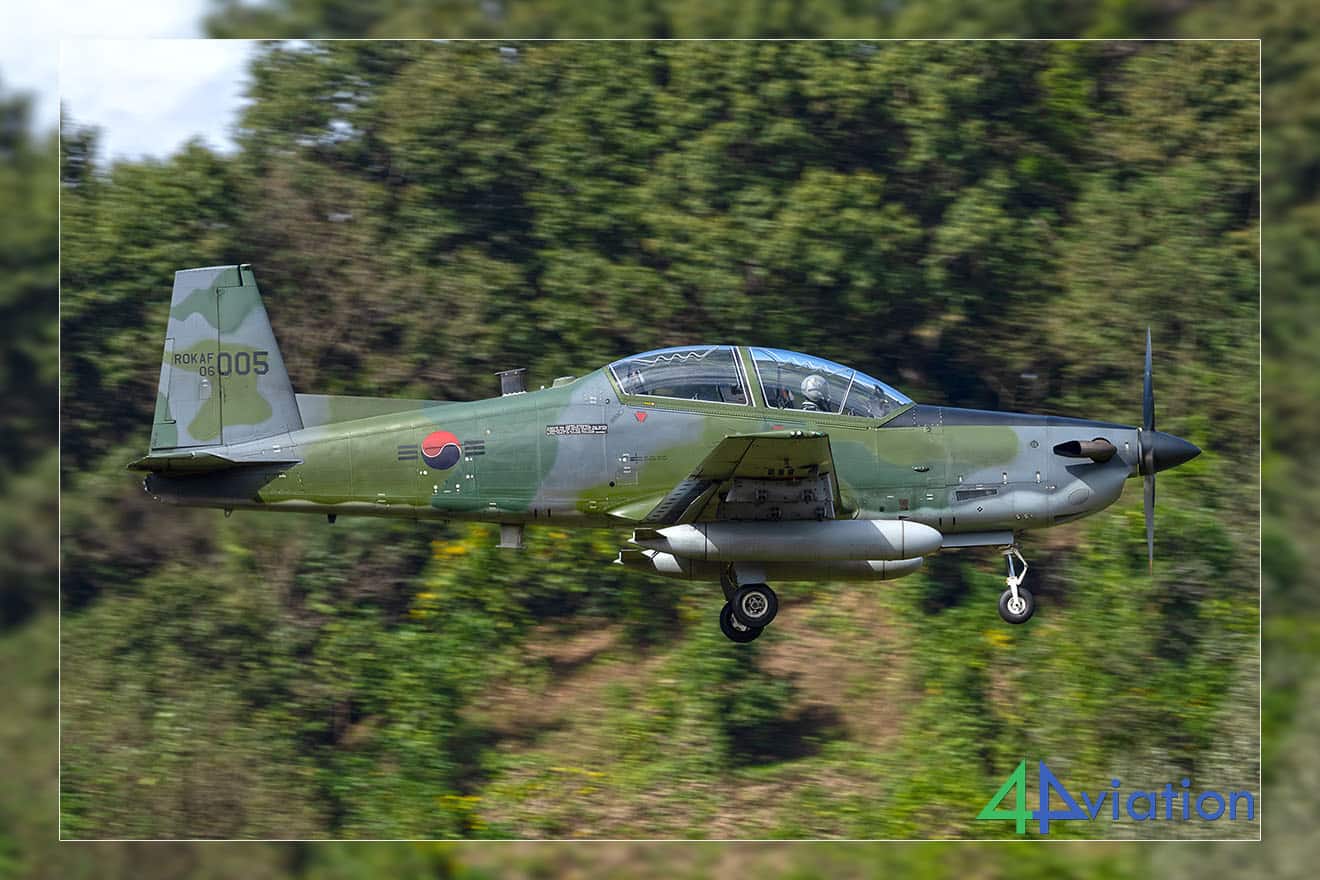
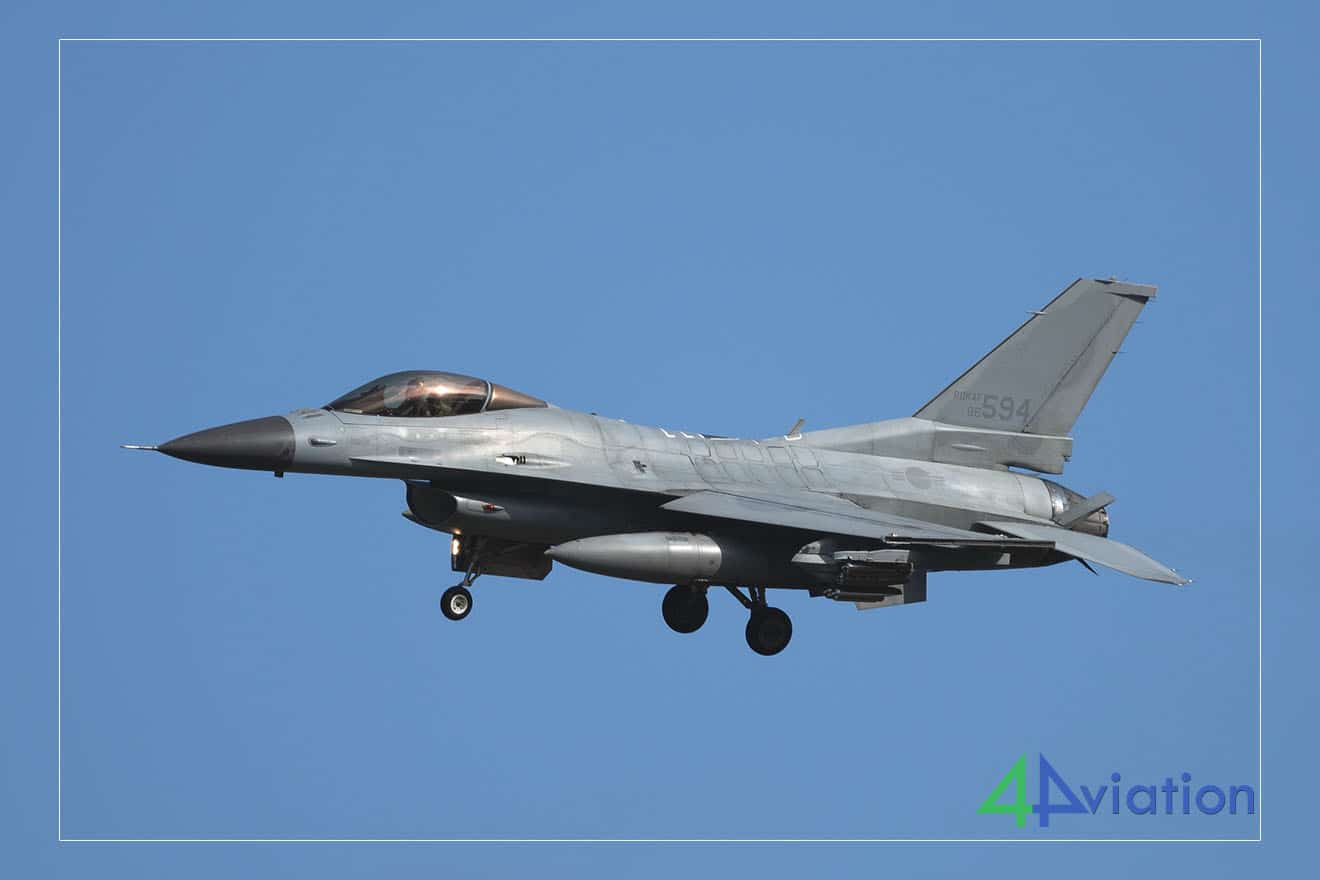
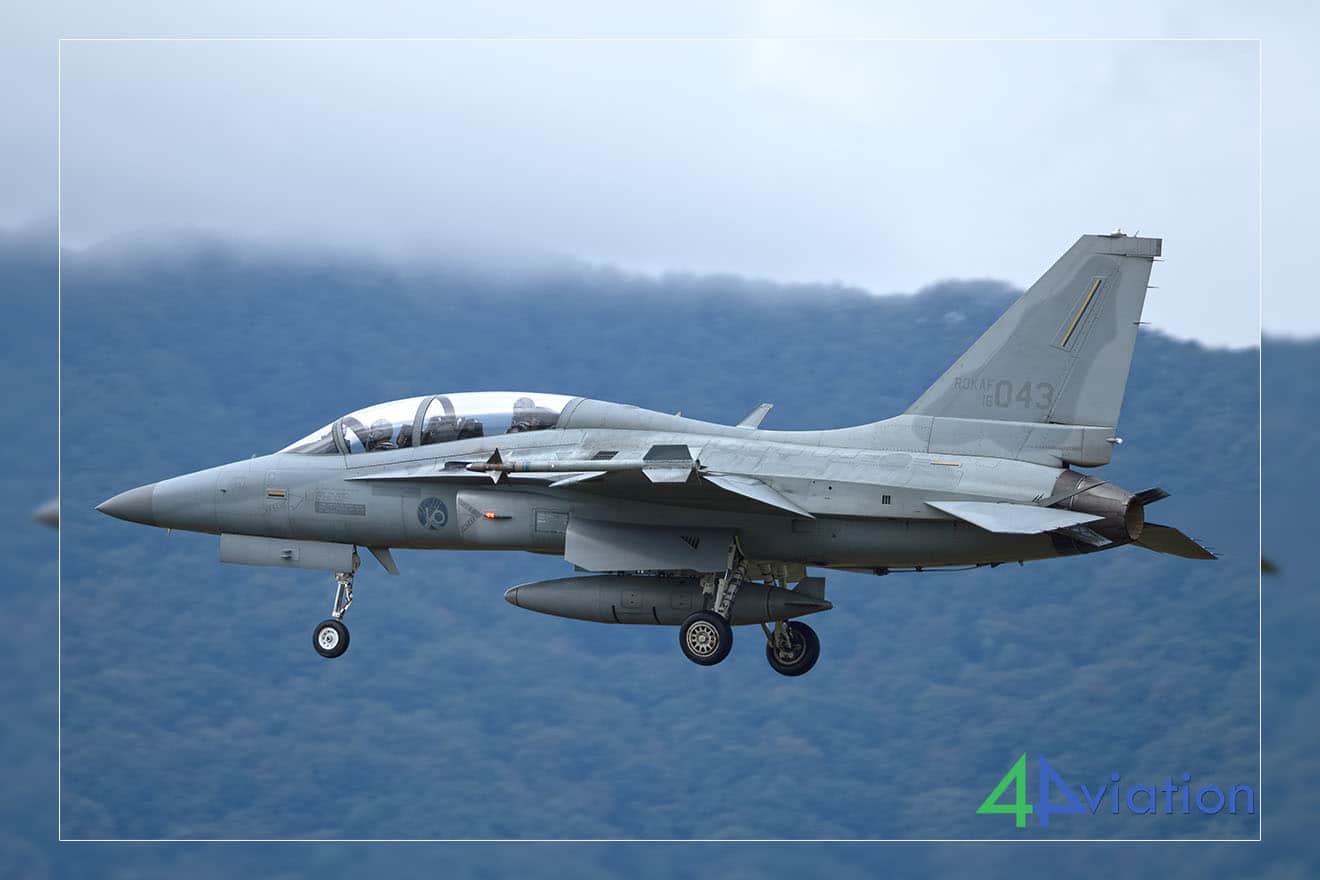
Tuesday, 14 October 2025, began with dense fog. We just managed to see a US Army UH-60M depart into the mist, thankfully visible on ADS-B for identification. Otherwise, activity was minimal. We saw two Eagles being towed, and one taxied to the runway threshold where around twenty people were waiting. After a short pause, it returned to its shelter. Reluctantly, we decided to move on and headed to Yecheon, where we could already see activity from a distance. Here we photographed 21 FA/TA-50s, along with several decoys and preserved aircraft. A very successful stop. After visiting a few more locations, we searched for a hotel near Cheongju.
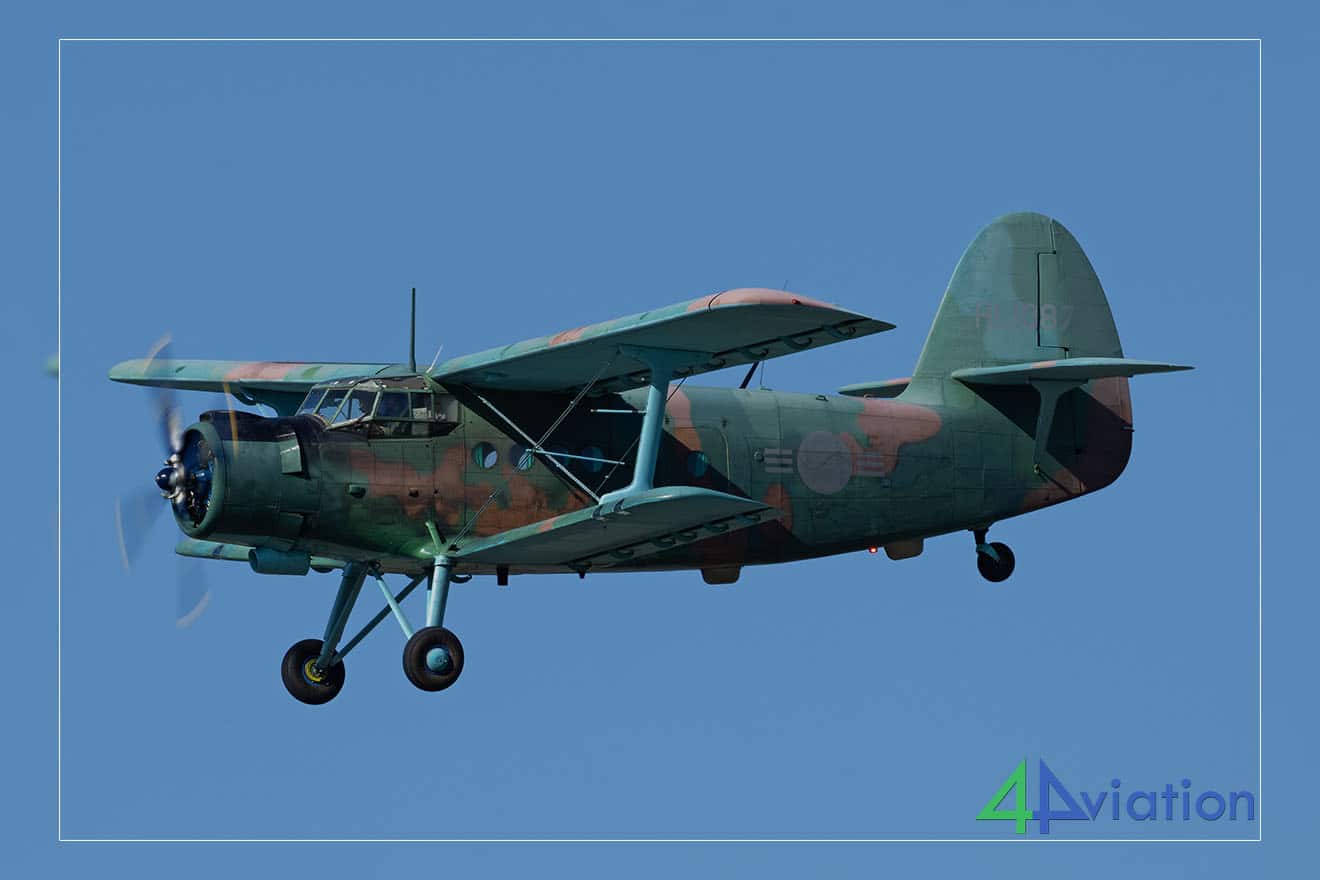
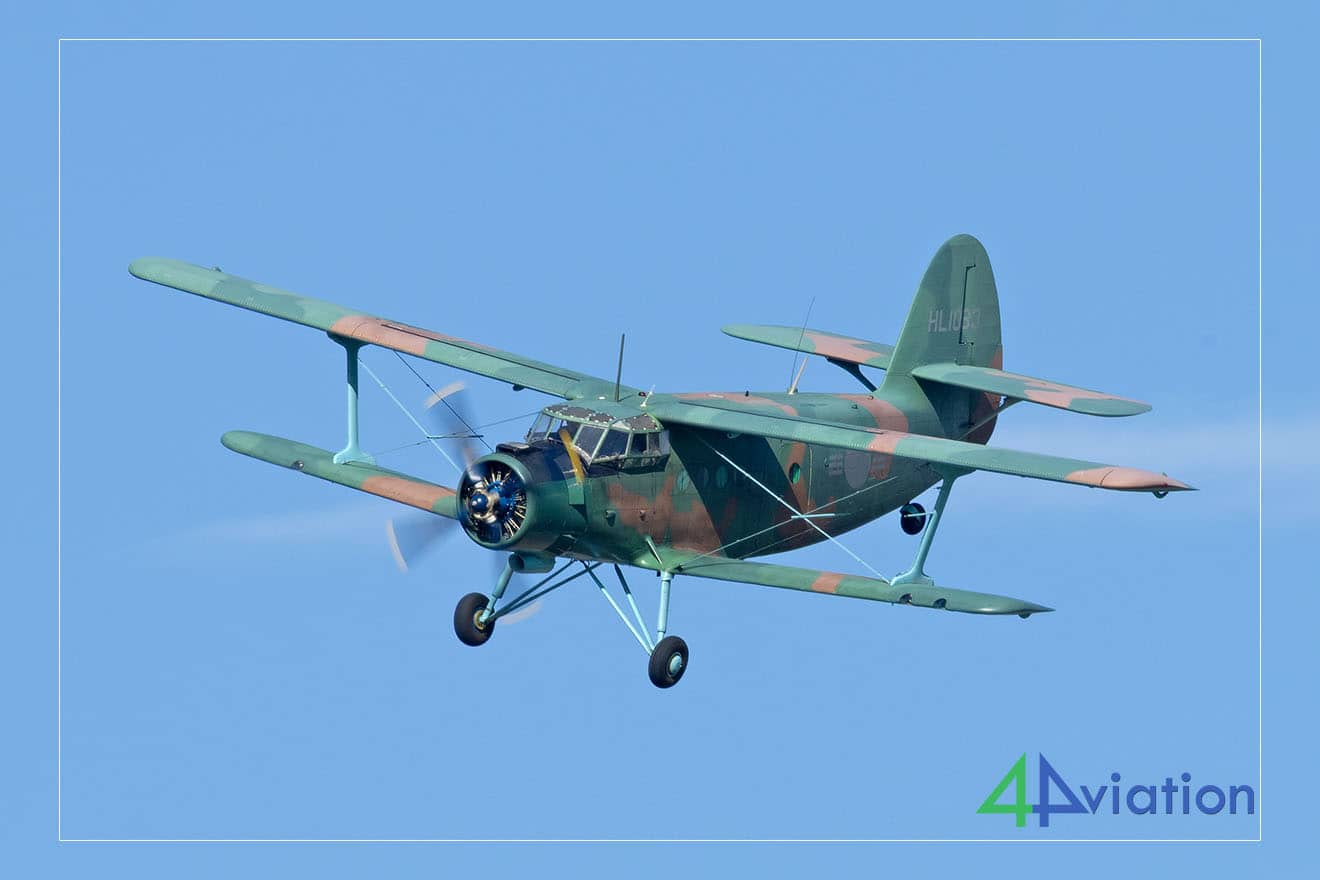
Wednesday, 15 October 2025, started at Seongmu airfield, where South Korea’s An-2s are based. From a distance, we saw the hangar doors open and heard the engines of the biplanes running. At the same time, KT-100s were flying training missions. Soon, we heard the brakes squeal as the Antonovs began taxiing, and shortly after, five aircraft took to the air. Aircraft spotting in South Korea is quite different from what we are used to in the Netherlands, and the security environment is noticeably stricter. While several An-2s were in the circuit, a police car arrived, followed shortly by air force police, who asked what we were doing. Although the situation felt slightly tense at first, everyone remained polite, and after a clear explanation everything was resolved. As mentioned earlier, photographing infrastructure is strictly forbidden, so all cameras were checked and everyone had followed the rules. After exchanging details, we were politely asked to leave the area.
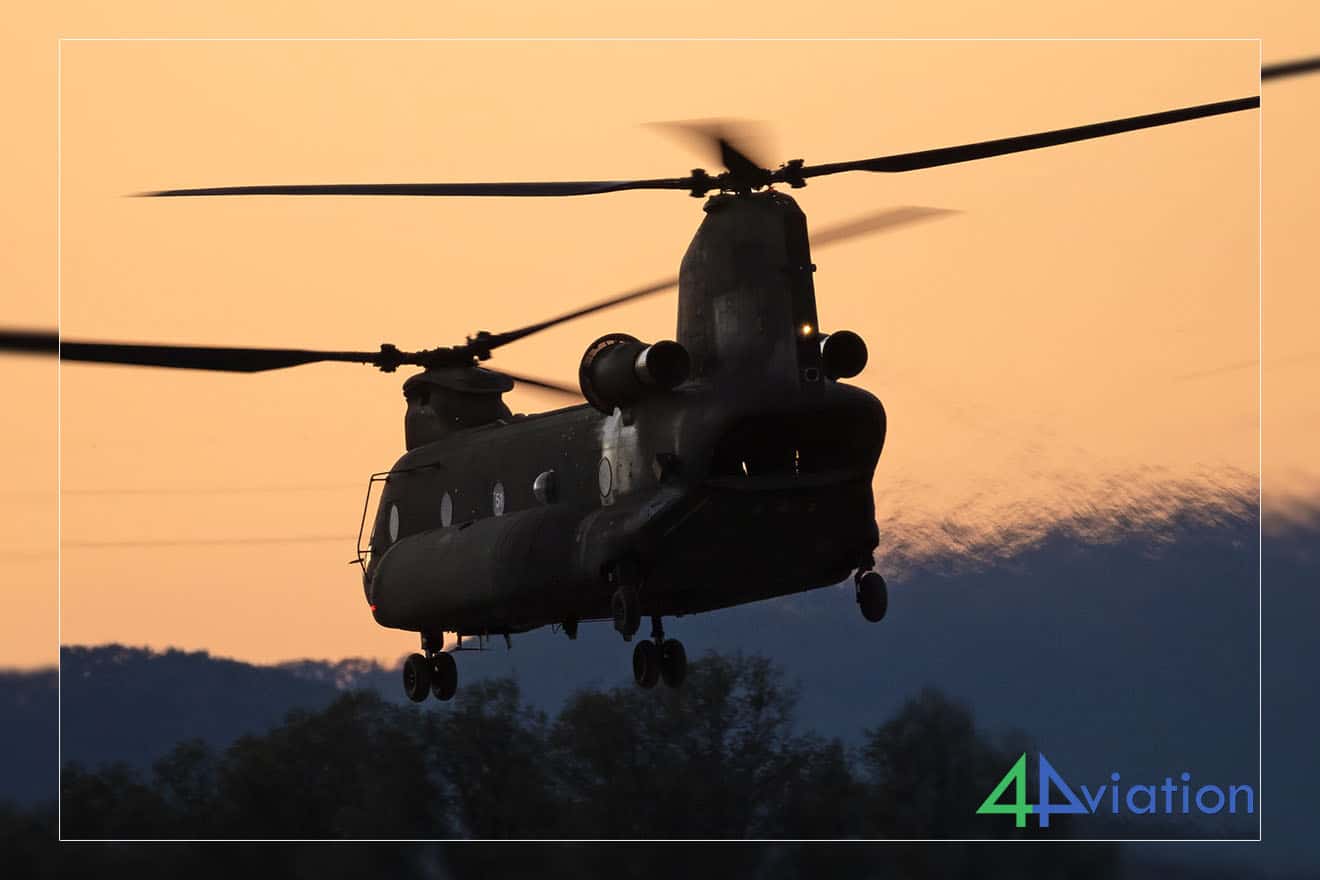
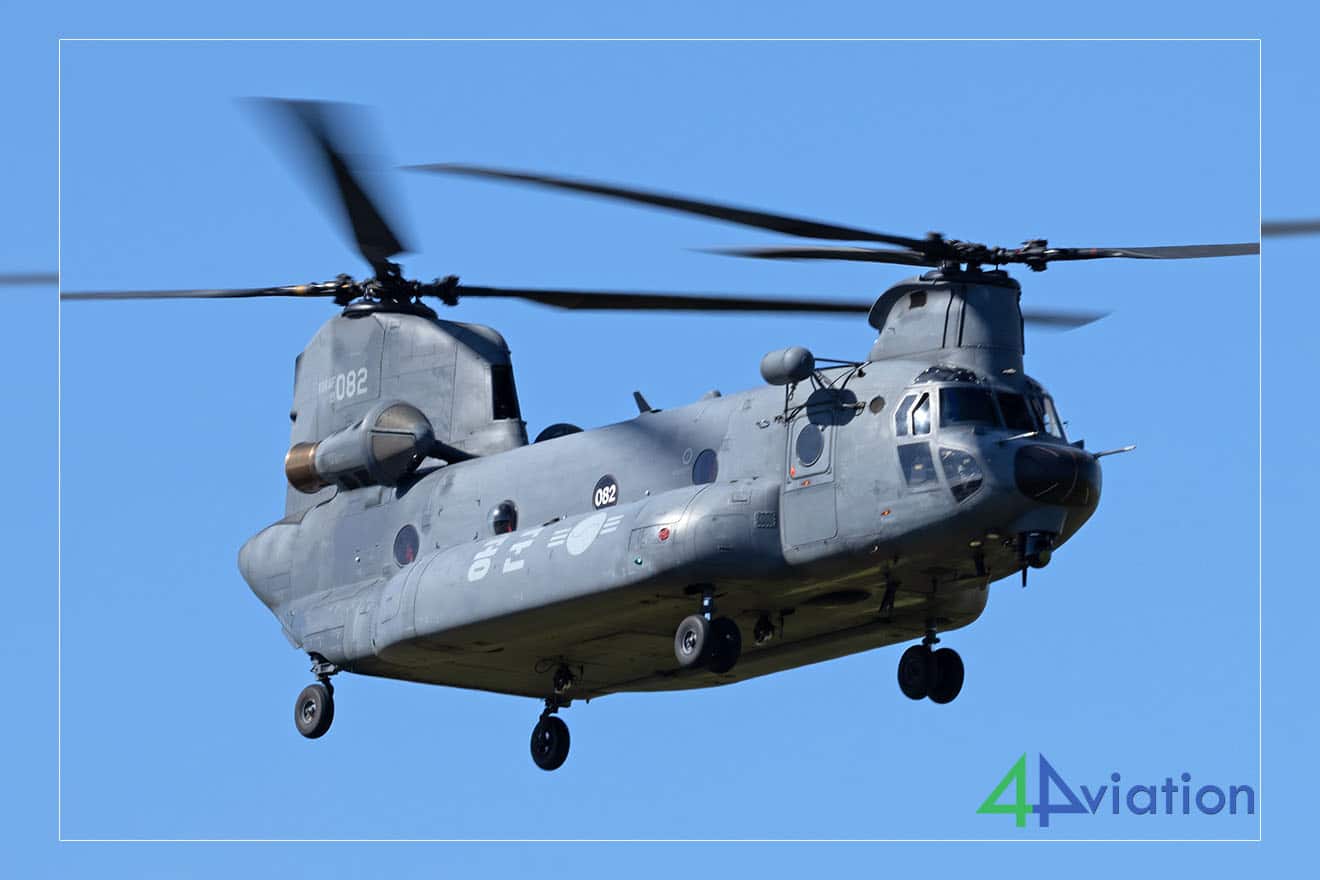
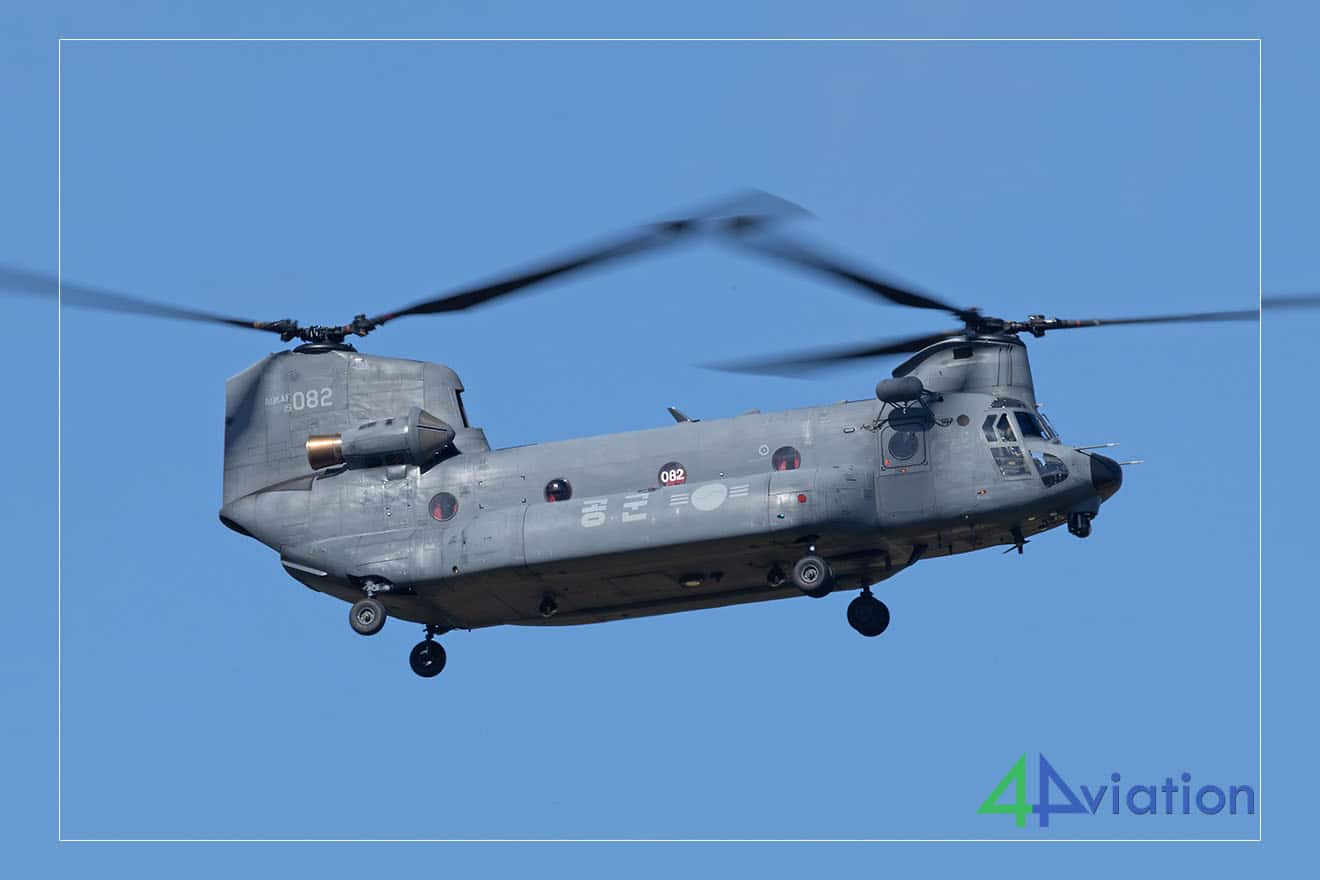
We moved on to nearby Cheongju, where it was, except for some HH-47 and HH-60 activity, also very quiet. When we noticed a police car observing us from a distance, we decided to leave that area as well to avoid further delays. These situations sometimes occur in our hobby. A little further north lies Chungju Air Base, where we saw the final F-16 missions returning and were greeted by an An-2 flying high overhead and also a couple of F-15s making an approach. After visiting several more Wrecks & Relics sites, we ended the day having still seen a great deal despite the challenges.
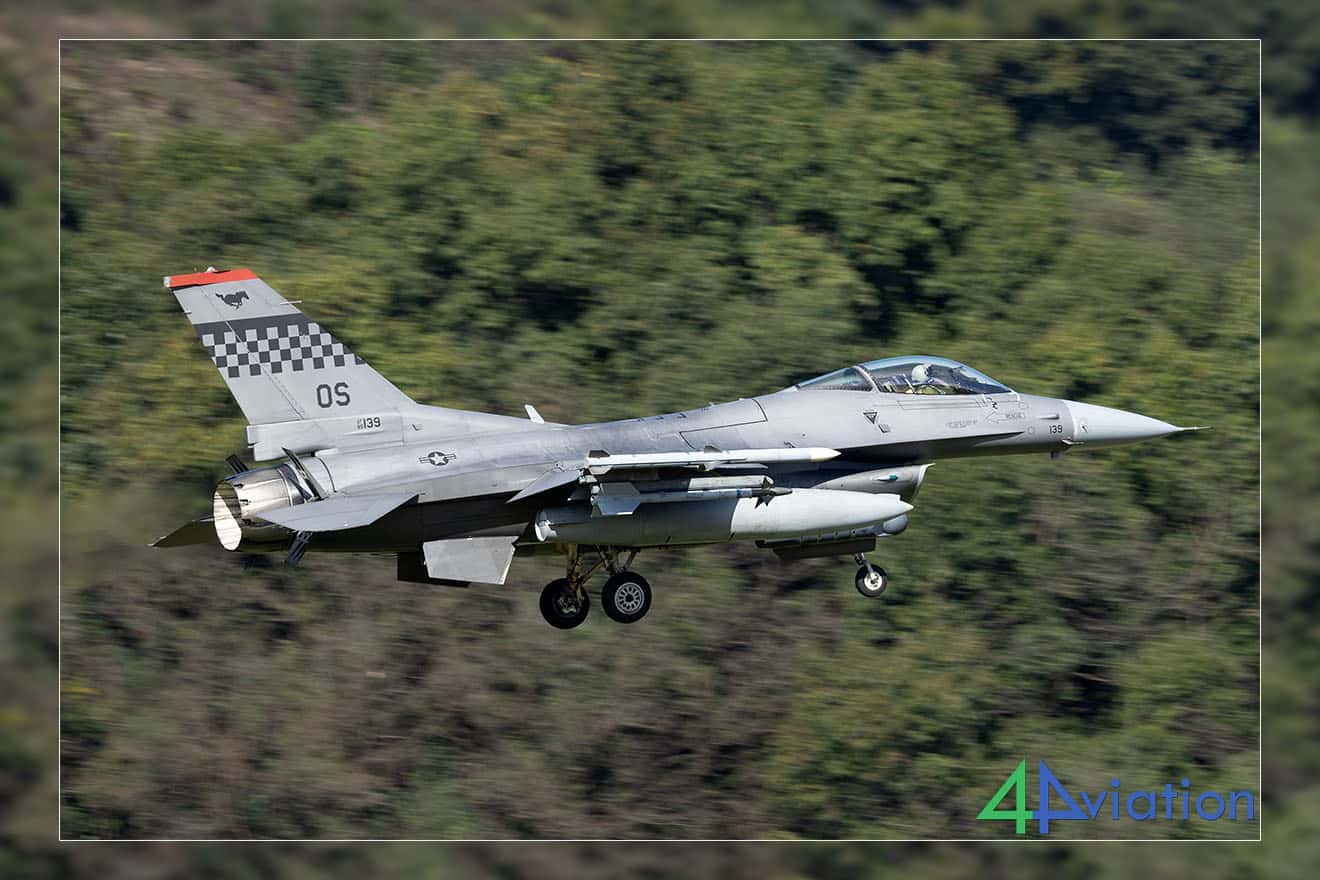
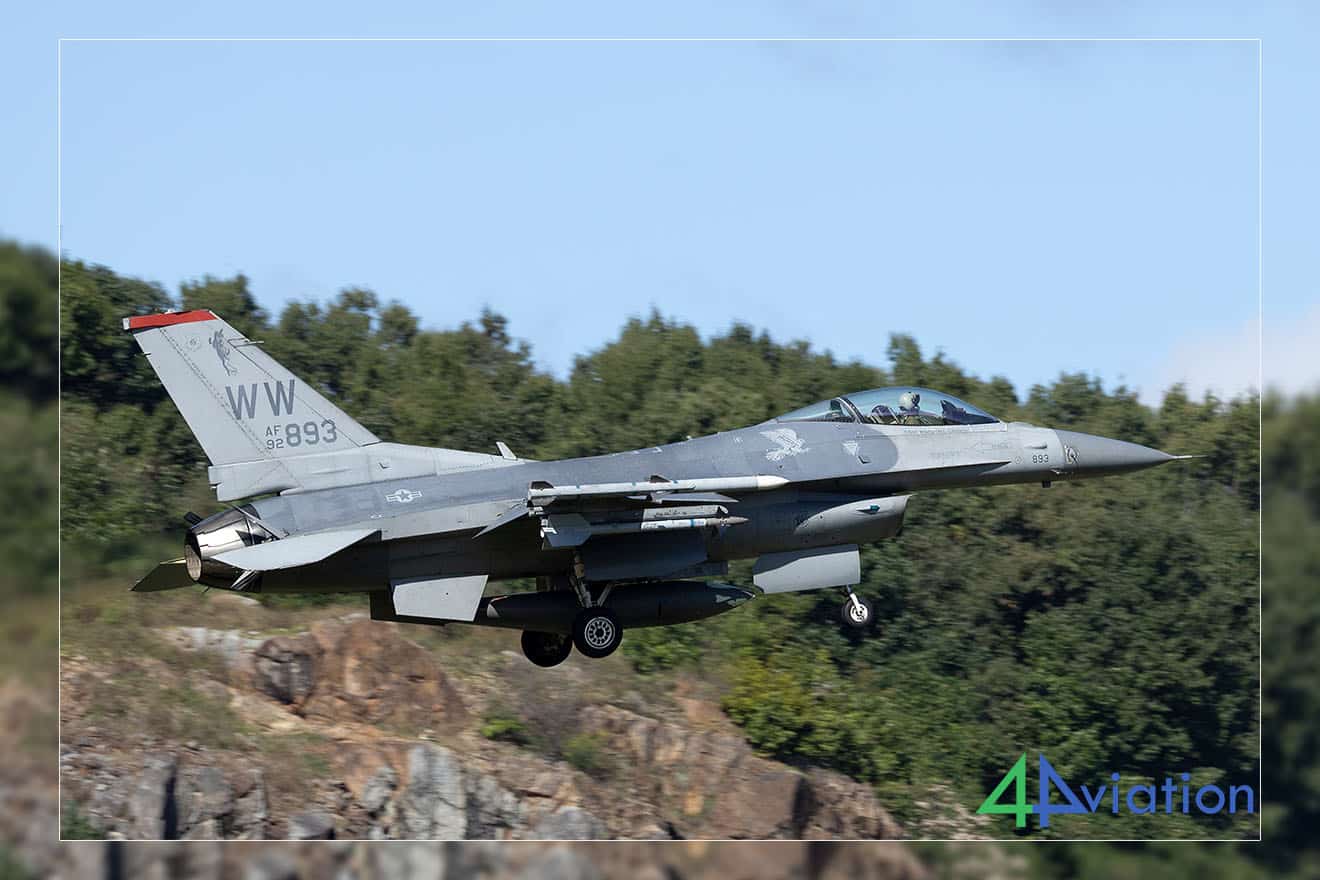
Thursday, 16 October 2025, was our final operational day, as Friday would be spent at the Seongnam open day. We began at Wonju, which offers a beautiful northern approach in the afternoon. Unfortunately, with a northerly wind and an early start, this was not useful. We searched for an alternative location and found one even better than the northern side. We heard several KA-1s and FA-50s departing, but were surprised when the first landing aircraft turned out to be a USAF F-16C with tail code OS. It was followed by a WW-coded F-16 that performed a go-around before landing a few minutes later, suggesting a problem with the first aircraft. The jets land in a valley, with a mountain backdrop of trees and rocks, making for spectacular scenery.
Satisfied with Wonju, we heard that good flying had taken place at Suwon that morning, so that became our next stop. Upon arrival, we were shocked to see that the entire tree line along the landing area had been cut down, even as workers were finishing the last shrubs. This green strip had previously provided concealment from the road and protection from the sun, making it unusable now. Another spot was available further along, but flying had ceased. In the distance, we could still see a practice flypast for the following day, identifying part of the formation. We then visited two nearby army bases, logging KUH-1s, Chinooks, and an Apache. That evening, we checked into our hotel in Suwon, where several other 4Aviation groups were also staying, creating a lively atmosphere.
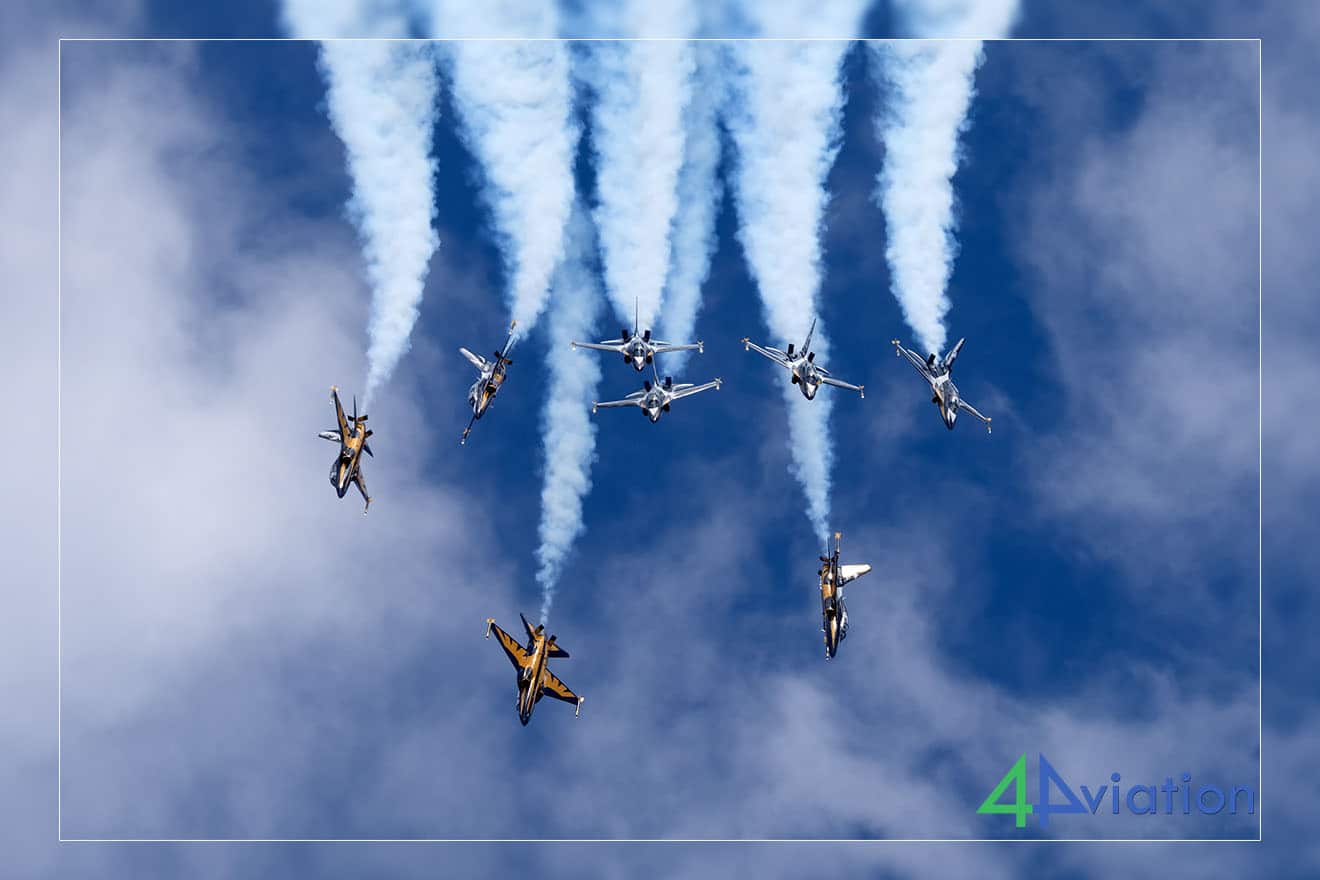
Friday, 17 October 2025, everyone left early to arrive at the air base entrance in time for the show. The event was solid, featuring around thirty operational aircraft on static display, along with about ten Wrecks & Relics, many of them very photogenic. Across the runway, additional activity produced over forty more aircraft, and a CSAR demonstration included a KA-1, several F-16s, FA-50s, and a pair of HH-60s. The flypast was much larger than the previous day, featuring 25 different aircraft. Overall, it was a varied and enjoyable day. We chose the wrong exit lane from the parking area, costing us time, and arrived late at a viewpoint overlooking a US Army platform full of UH-60Ms. Even so, we managed to log a significant number. After visiting one final university—our last of the tour—with a UH-1H, we returned to the hotel.
On Saturday, 18 October 2025, we could have returned to the airshow, but instead chose to visit several South Korean army bases. The first was one where we expected little operational activity, which proved correct: nine AH-1 Cobras were stored under various shelters. The next five bases were far more productive, with around sixty KUH-1 Surions and MD500s observed. One participant was then dropped off at Seoul Incheon International Airport, while the remaining five stayed an extra night before flying back to Jakarta on Sunday, 19 October, at 10:35. After a few hours’ wait, Boeing 777 PK-GIF was ready for us—the aircraft wearing “Republik Indonesia” titles, often used for state duties but operating a regular Garuda service this time. We arrived back in Amsterdam on Monday, 20 October, tired but extremely satisfied.
This was a tour that 4Aviation does not run often: a slightly old-school spotting trip with a strong focus on Wrecks & Relics, serials, and photography whenever possible. During the tour, we logged over 1,000 different military airframes (and also a decent number of civil ones) and managed to photograph roughly half of them. It clearly demonstrated the flexibility of 4Aviation, both during the tour itself and in the range of trips we can offer. If you have your own tour ideas and need help bringing them to life, we would be more than happy to assist.