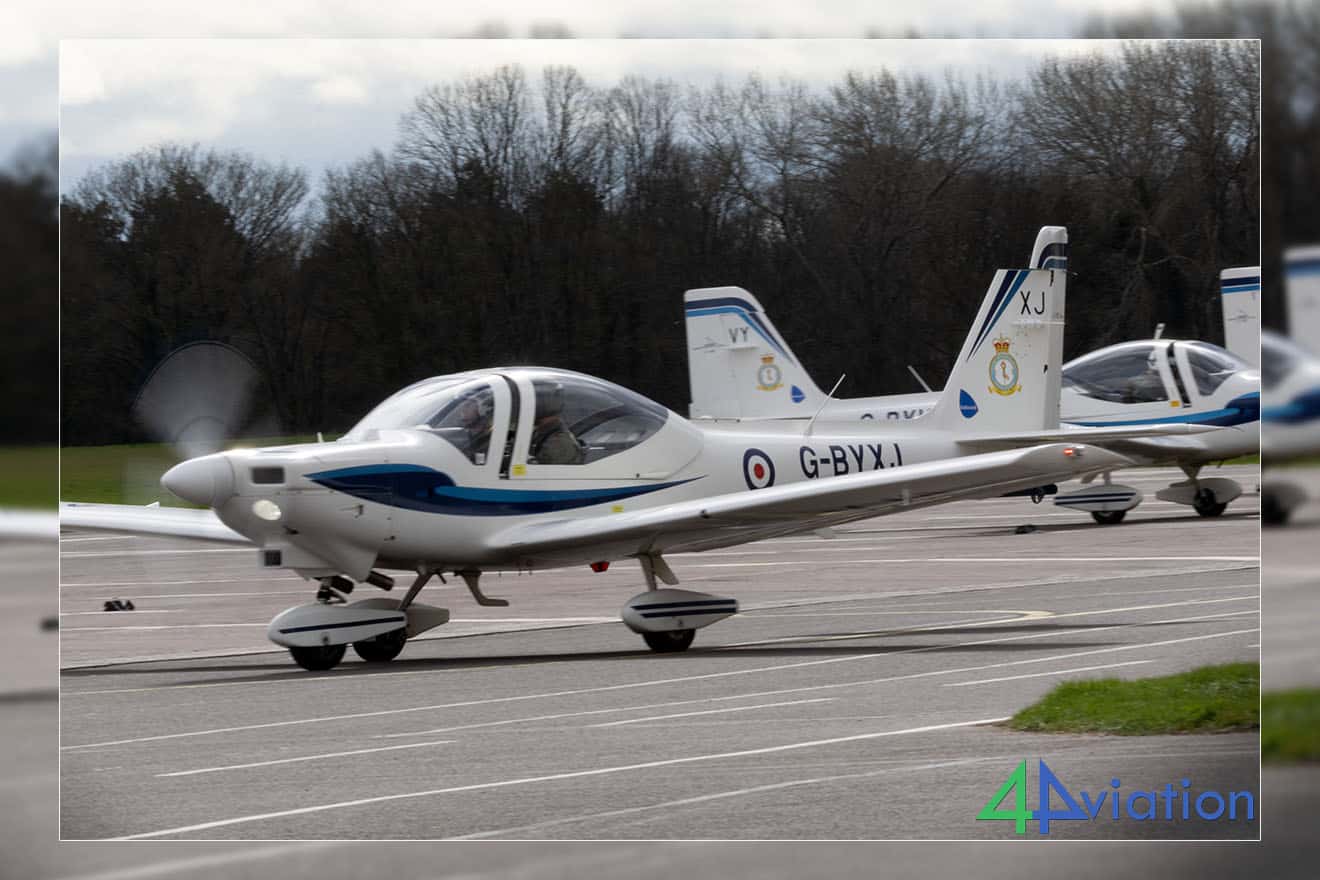
United Kingdom 2026
Doubts, Detours, Yet Still Cleared for Take-off
The tour to Cobra Warrior 26/1 had been on the planning board for quite some time, but when the participant list finally emerged, one thing was immediately obvious: the usual “heavy hitter” was missing from the exercise lineup. Not long afterwards, the USAF also began repositioning aircraft to the Middle East due to the situation surrounding Iran, leaving, in all honesty, rather too little to build a strong aviation tour around.
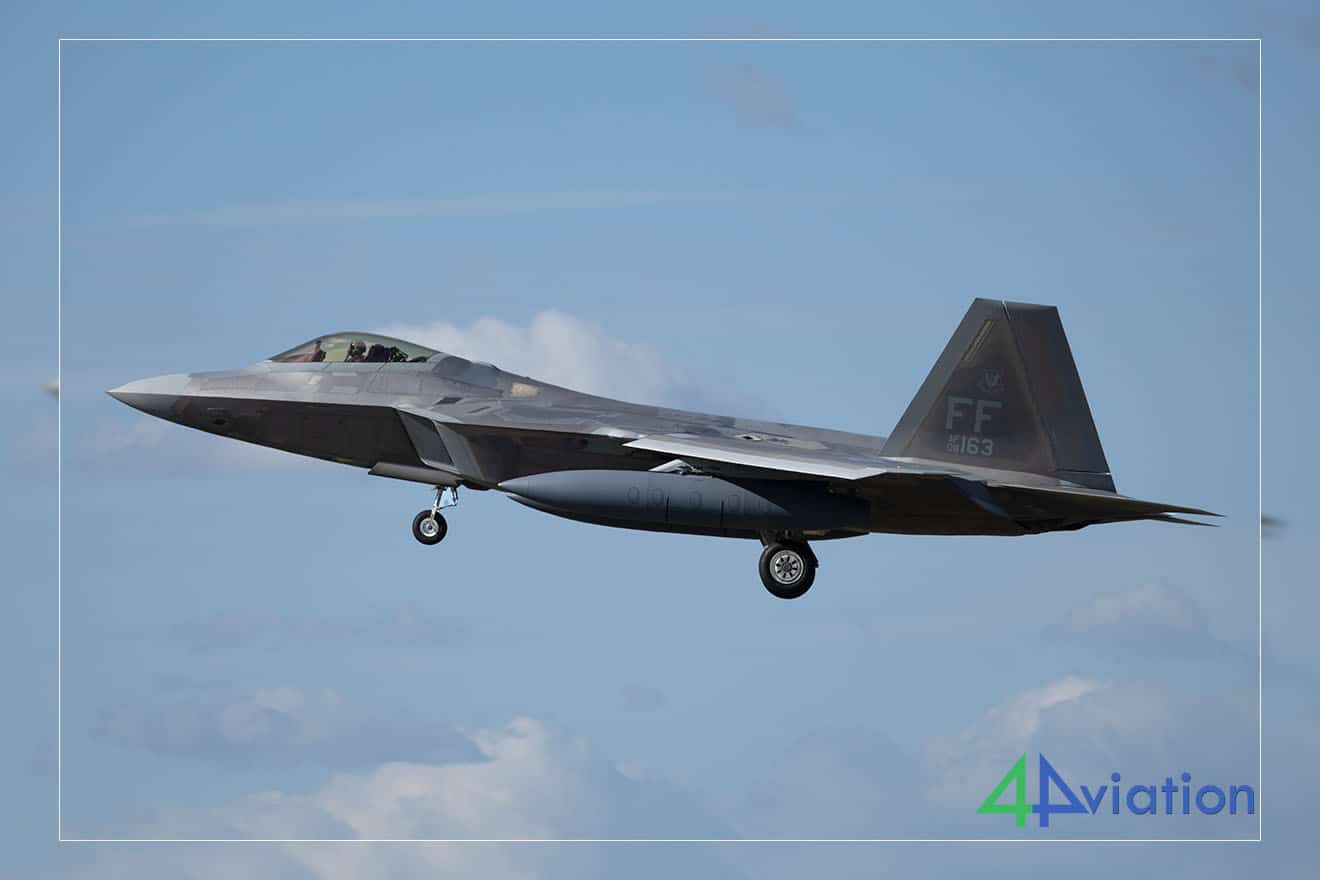
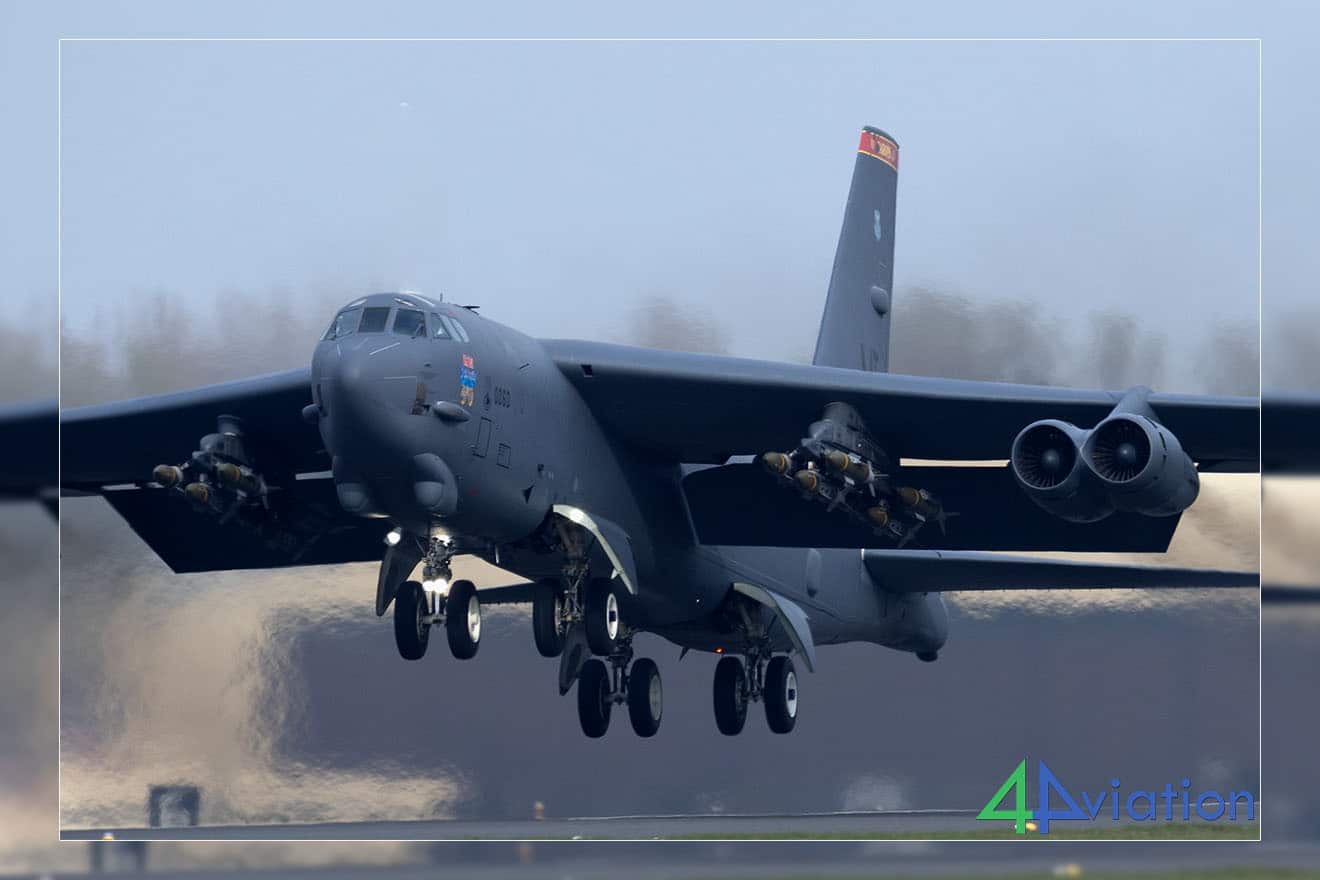
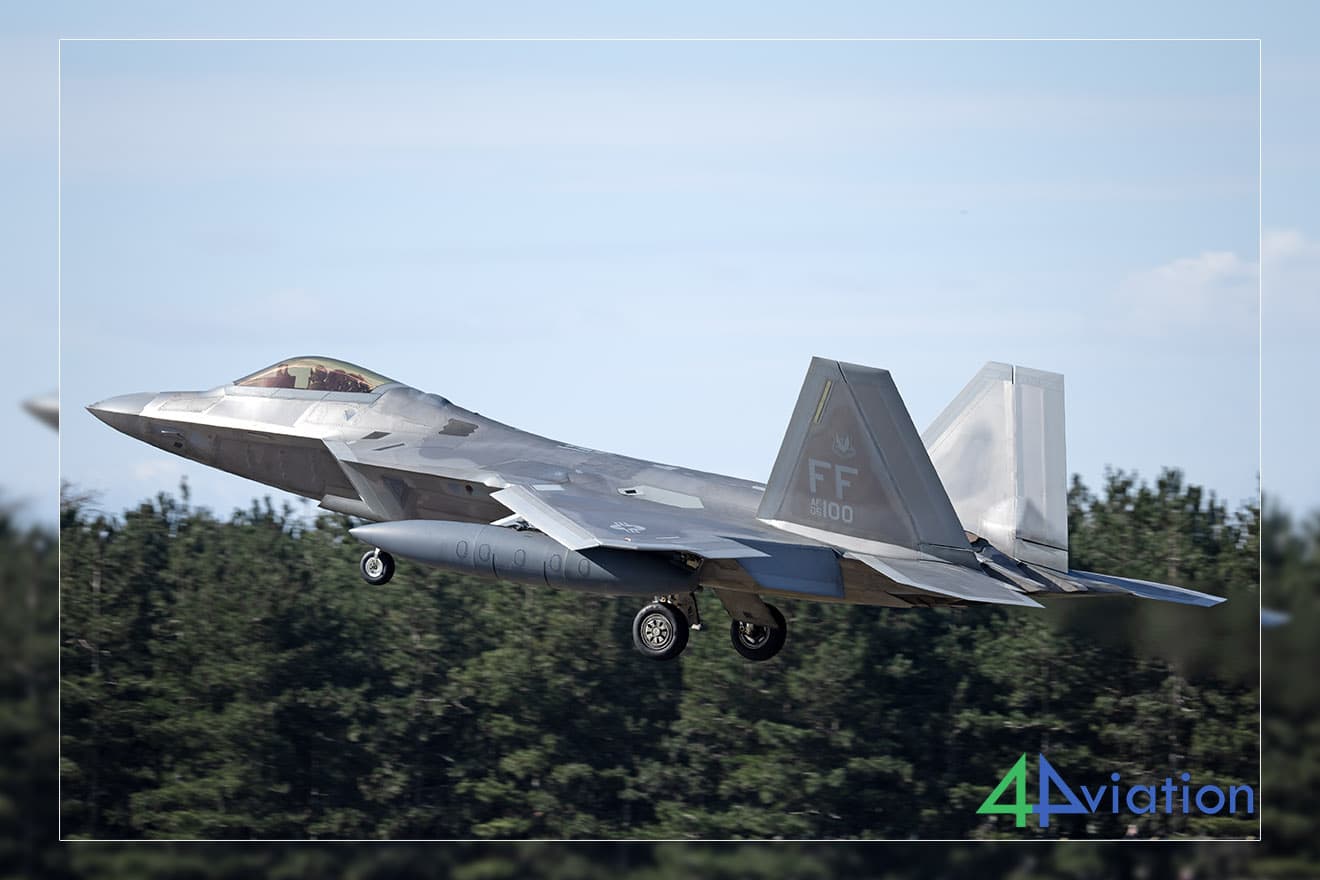
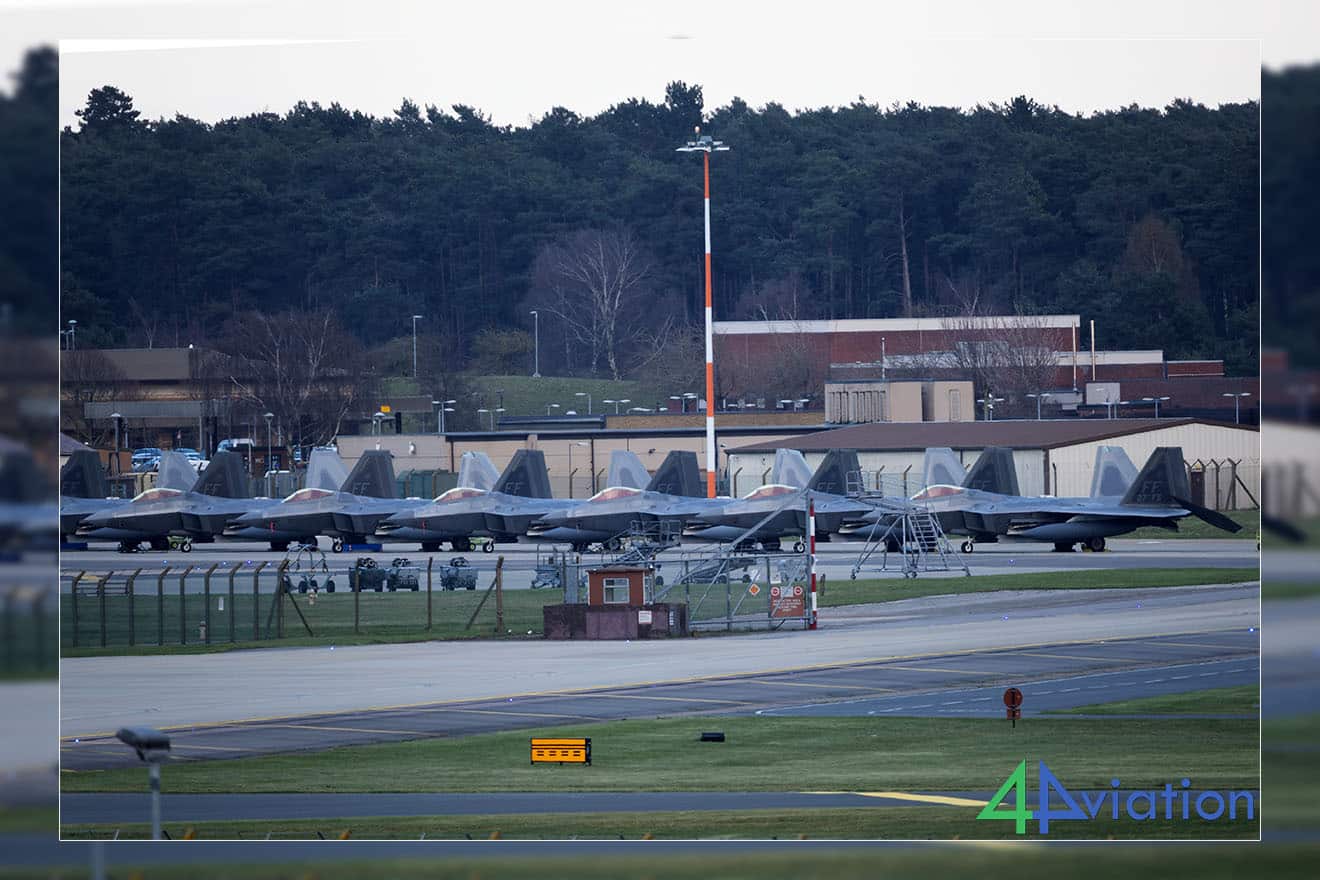
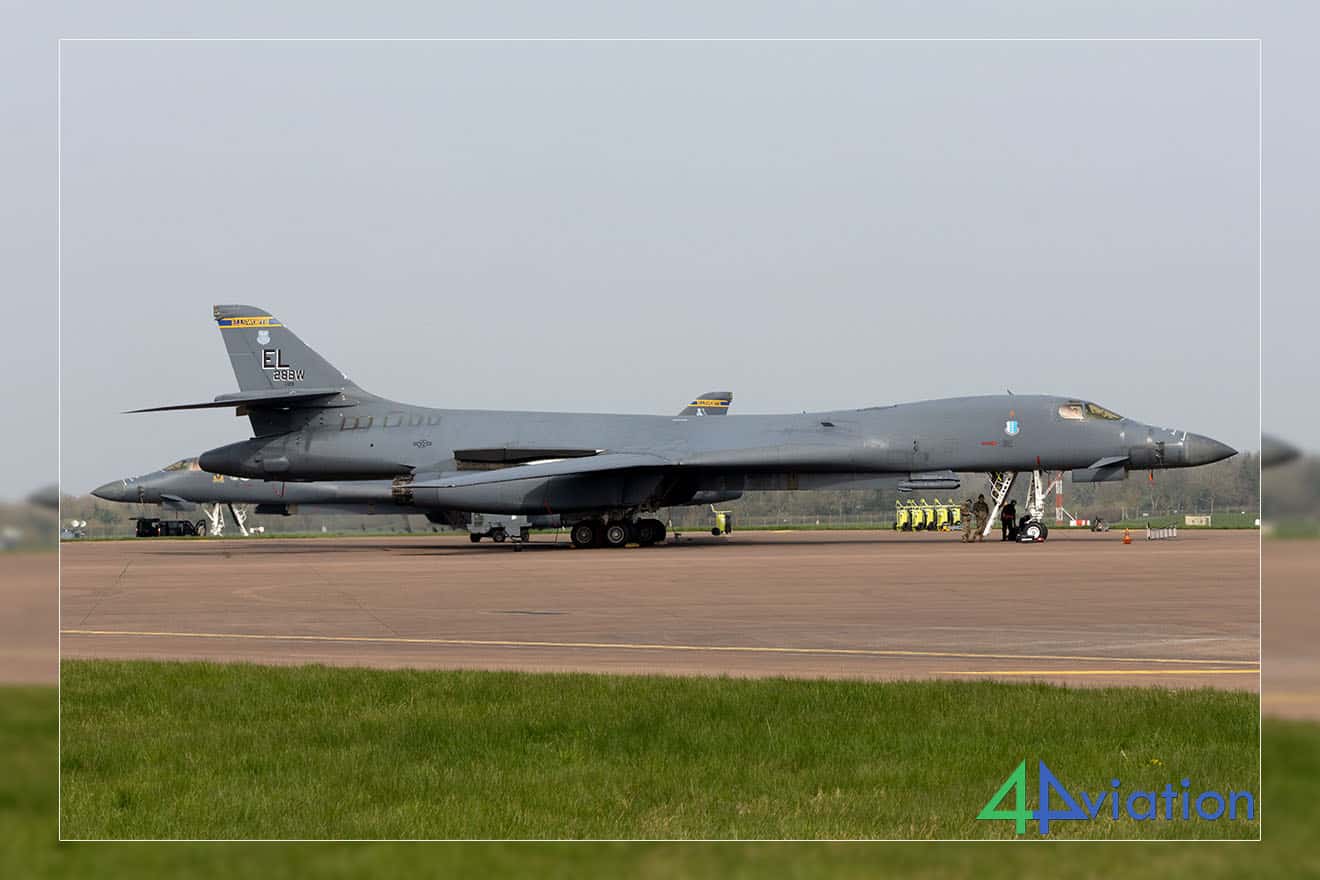
At 4Aviation we always aim to deliver a quality product, so everyone booked on the tour was informed of the situation while we waited to see how events would unfold. Then things suddenly became far more interesting. The arrival of several B-1Bs and B-52Hs at RAF Fairford, combined with the presence of FF-coded F-22As at RAF Lakenheath — which were flying missions virtually every day — plus a steady stream of interesting visitors across both USAFE bases in the UK, completely changed the picture. Together we crafted an alternative programme and, shortly afterwards, hit the road.
Keep informed
Chances are that we will return to the United Kingdom for a comparable tour. If you want to be informed if we have details about this, please click the button to send us a message.
From the Netherlands to the First Bombers
In the early hours of Sunday, 22 March 2026, our minibus departed eastern Netherlands, first collecting a participant in Arnhem, followed by another at Prinsenbeek railway station, before picking up the final two travellers at the P&R in St Job in ’t Goor. From there it was straight on to the ferry terminal at Calais.
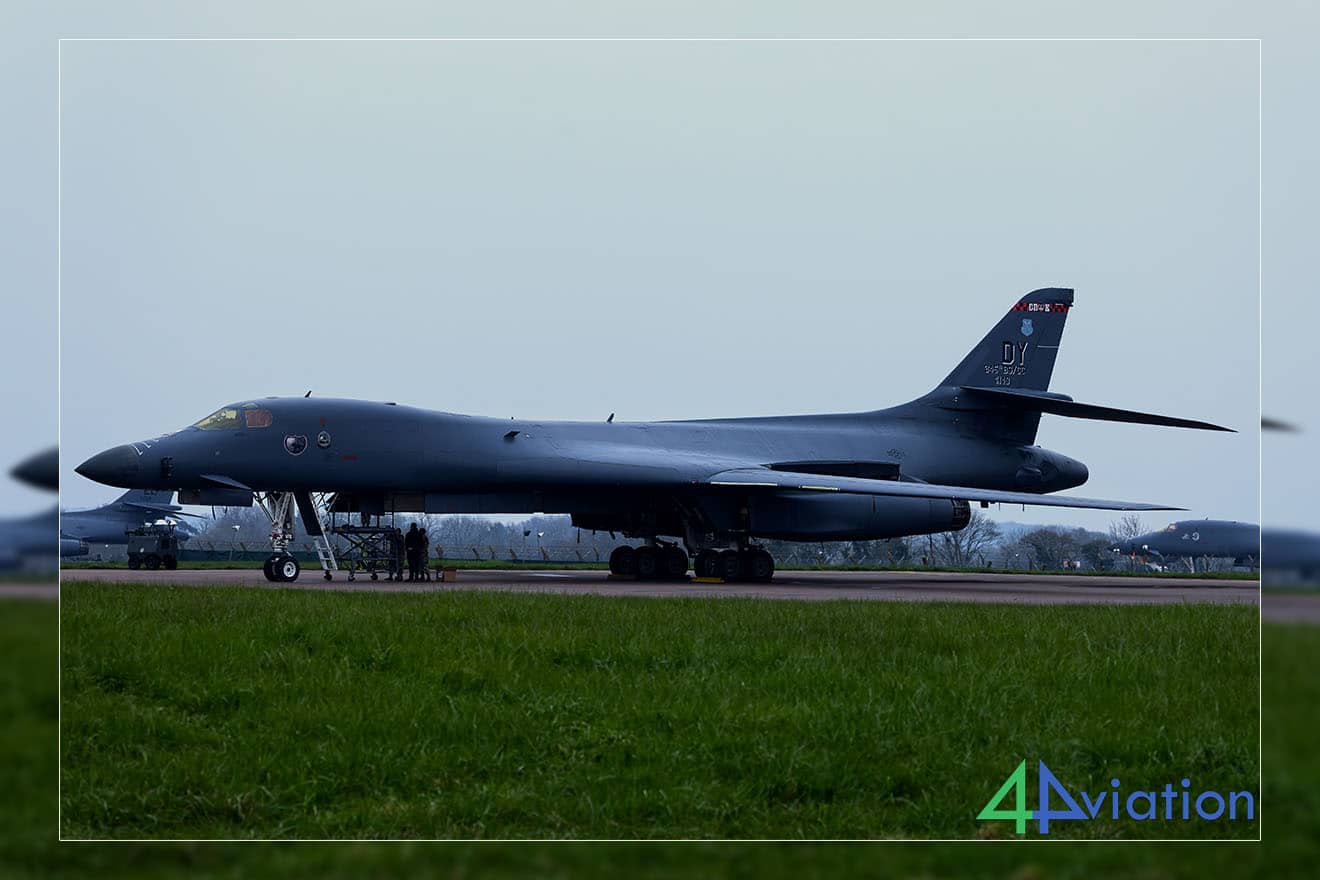
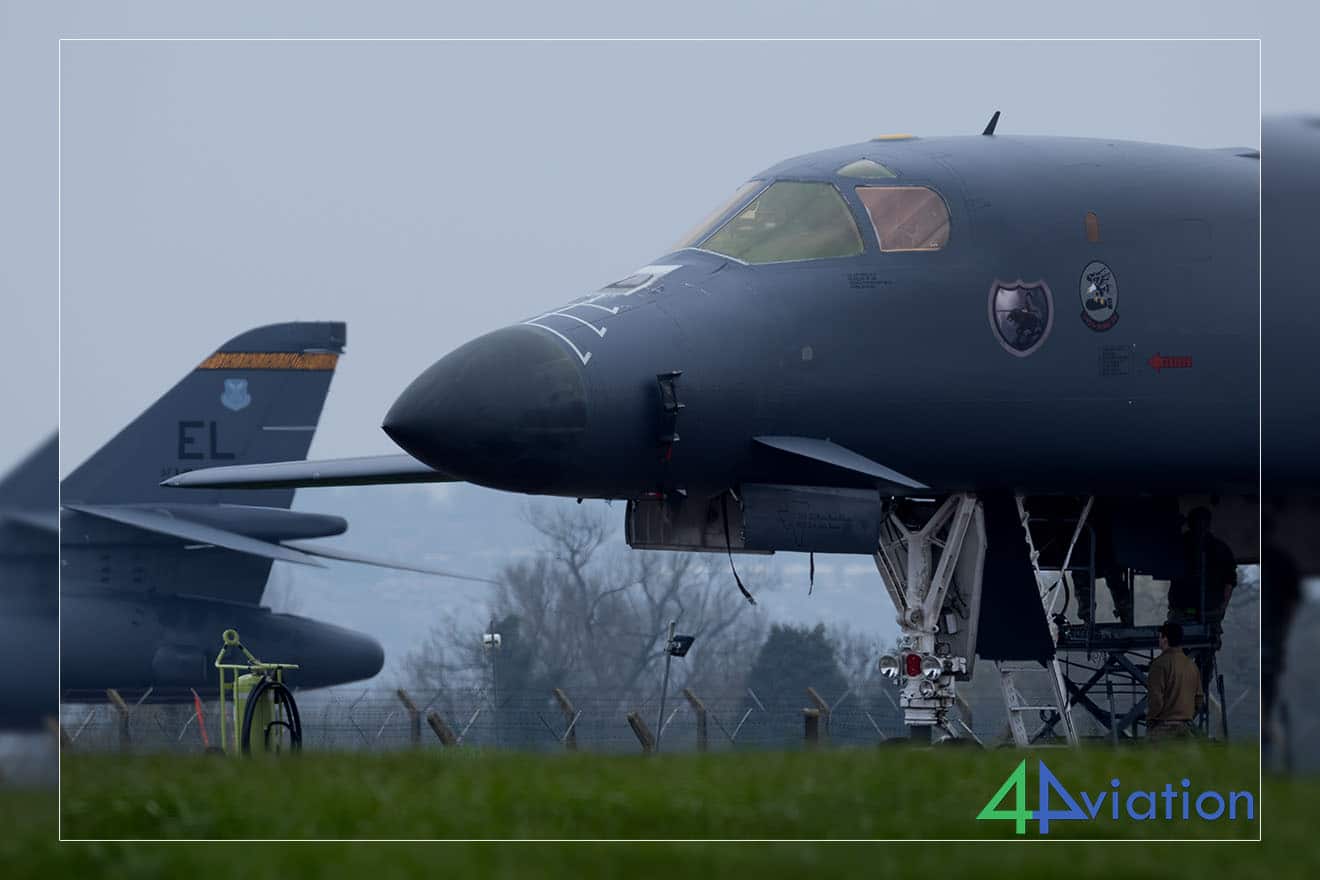
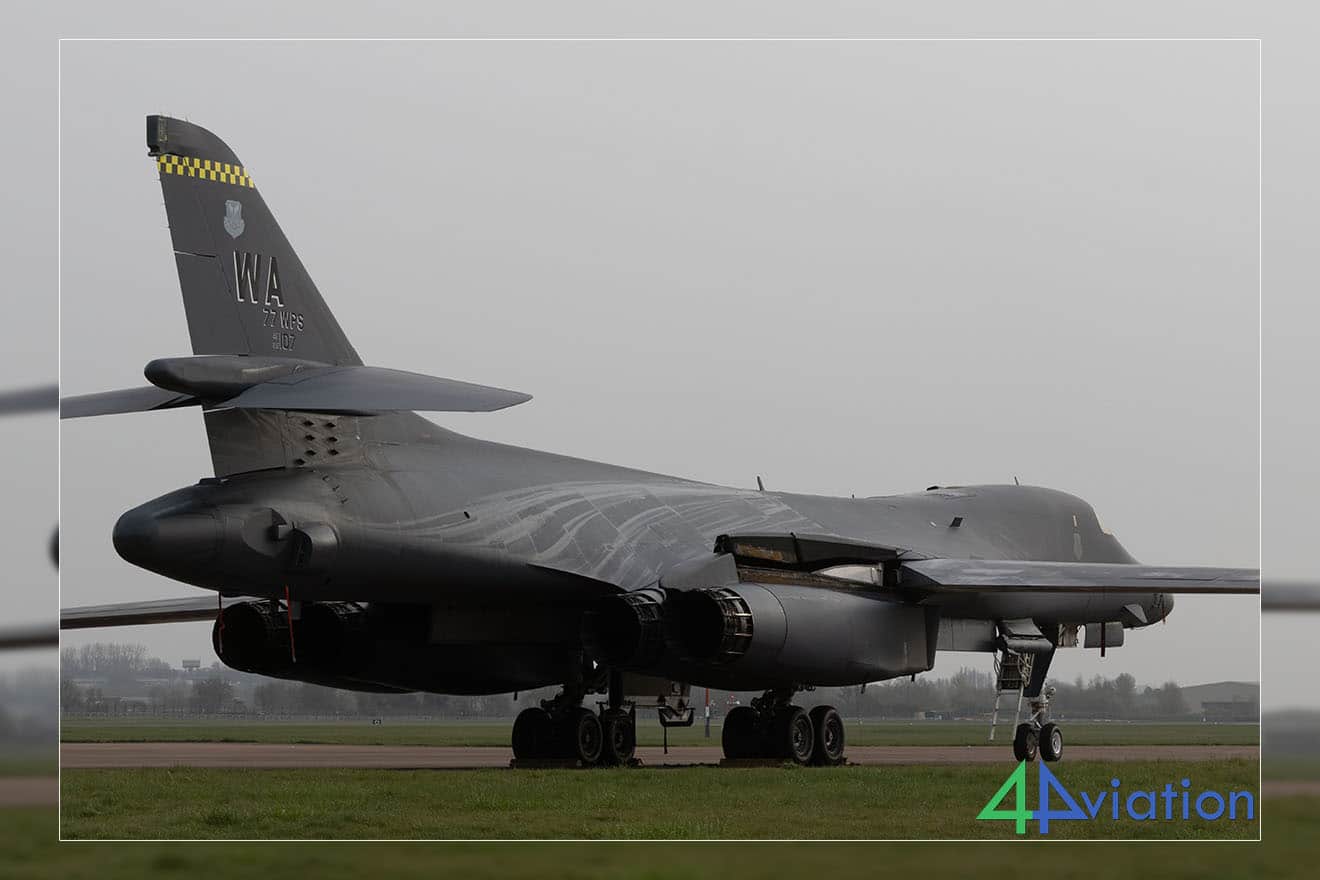
After a short wait we boarded one of the large P&O ferries for the crossing to Dover. Once in the UK we quickly adapted to driving on the “wrong” side of the road and headed directly towards western England. With plenty of daylight still remaining, we arrived at RAF Fairford where no fewer than twelve B-1Bs could be admired up close.
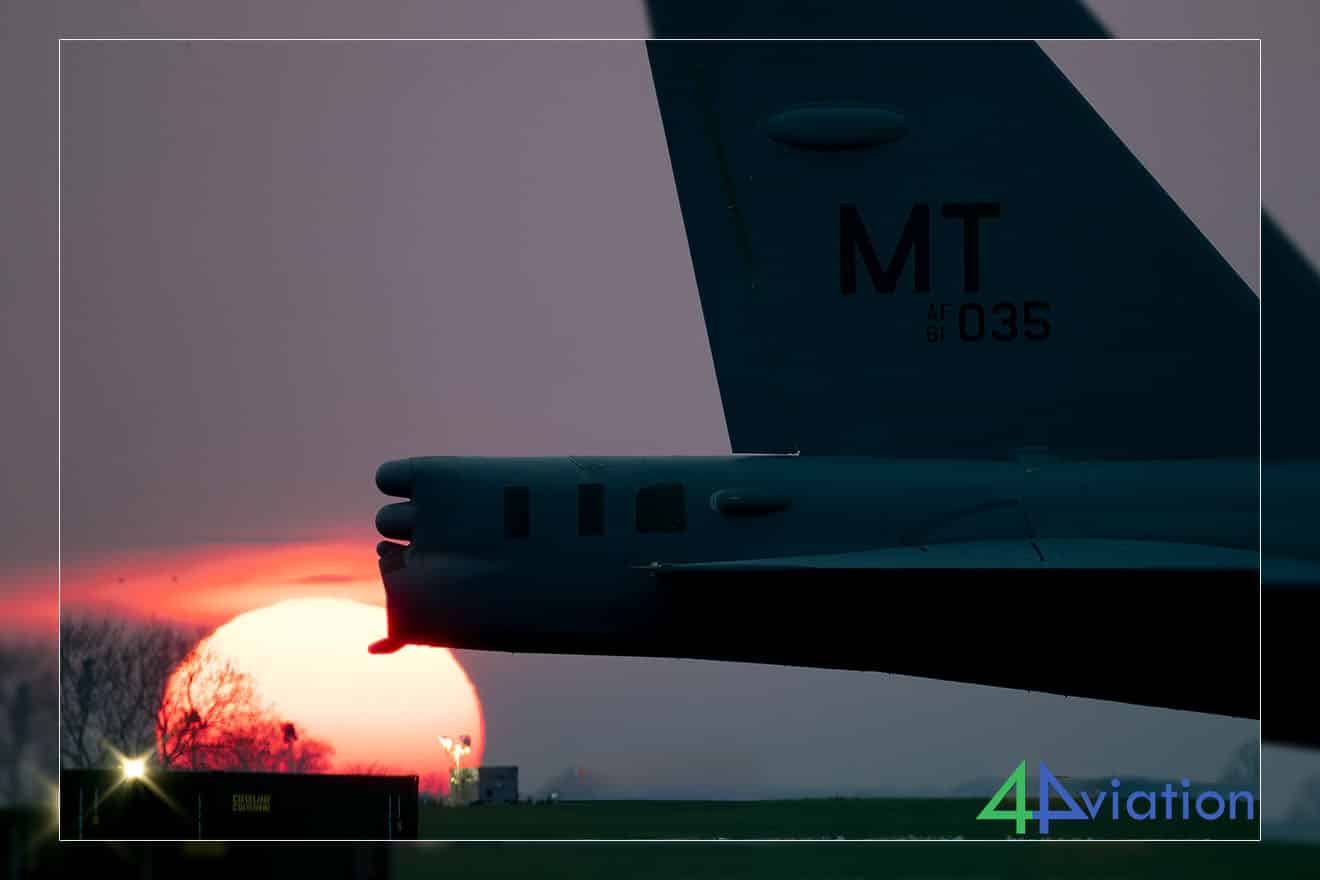
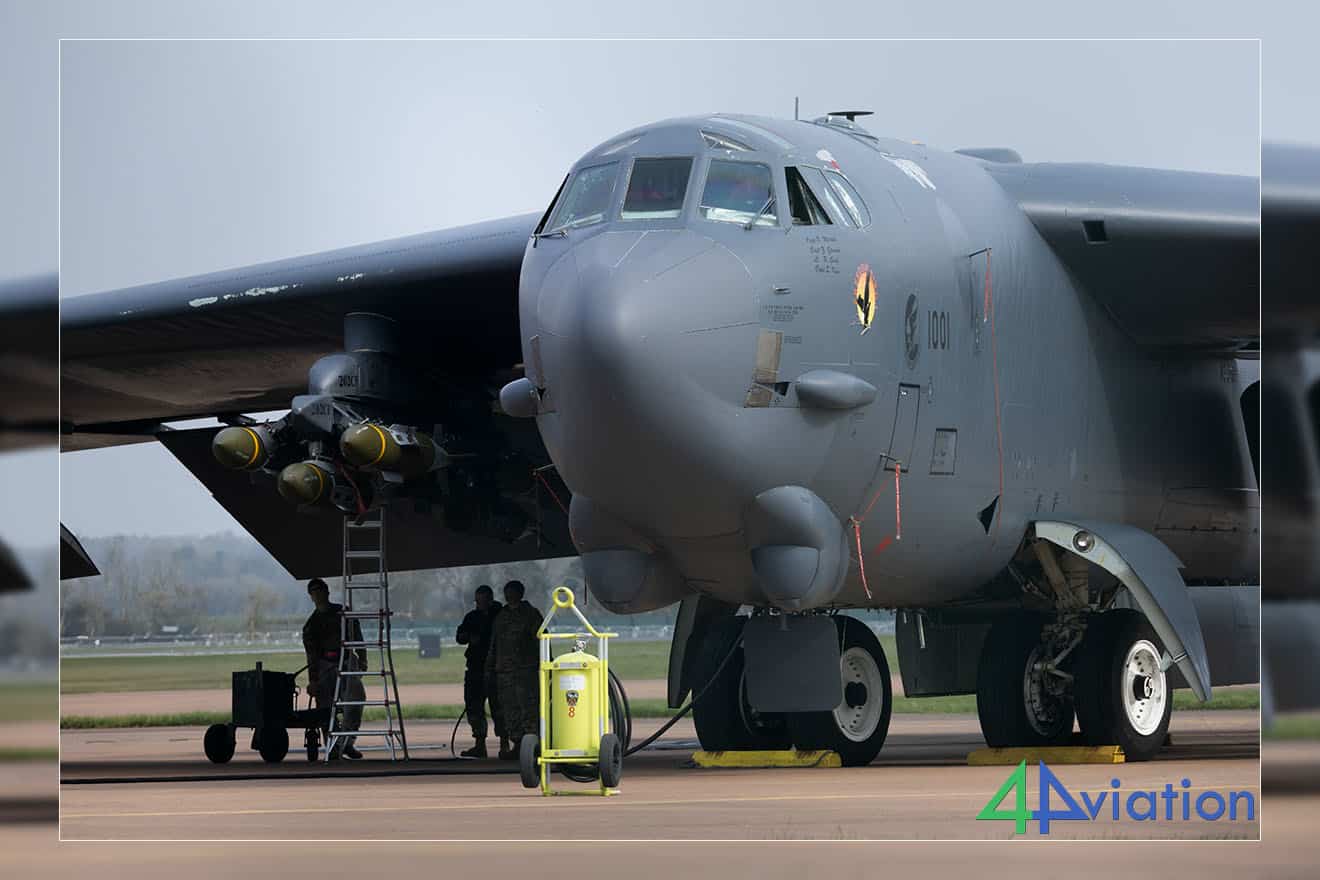
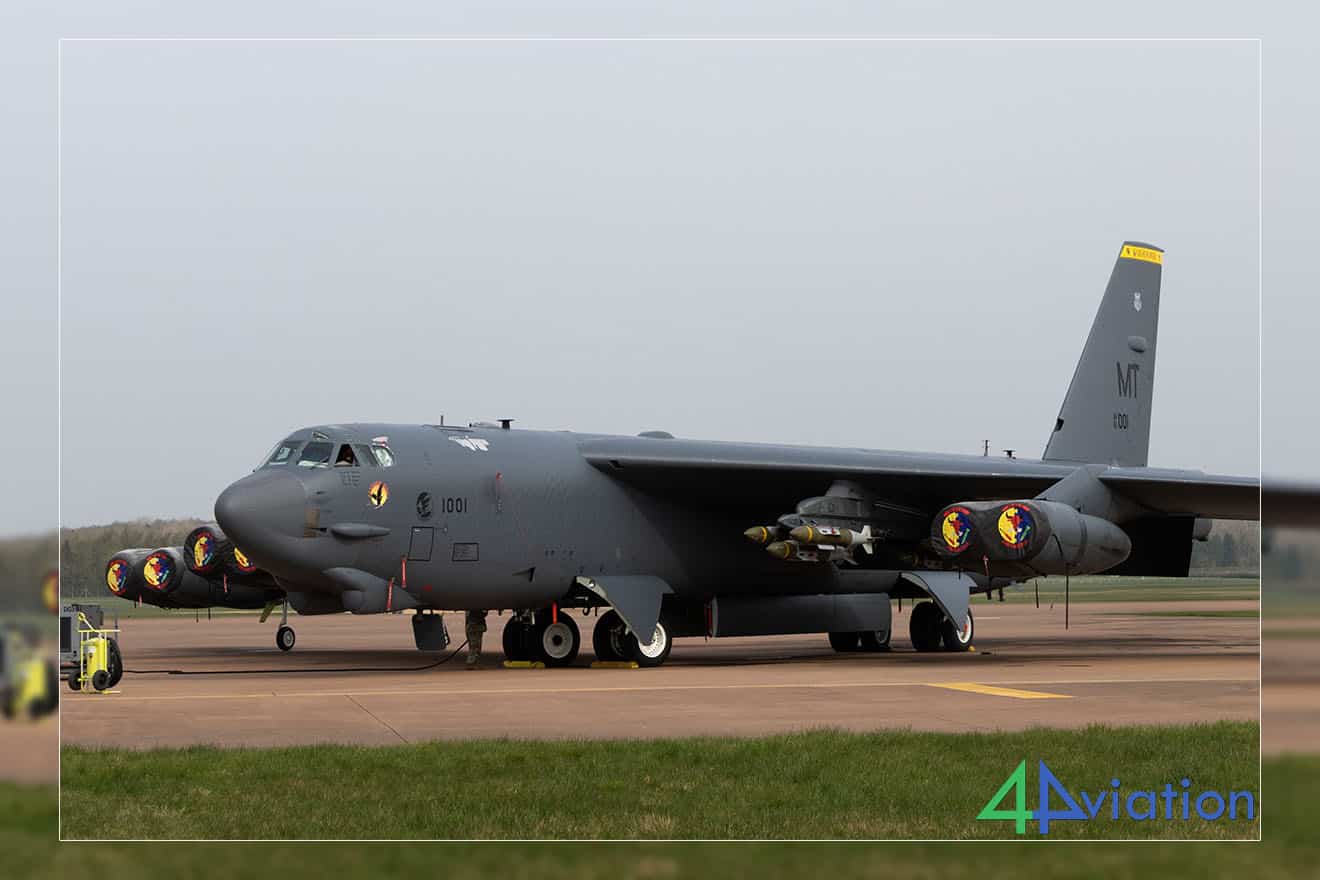
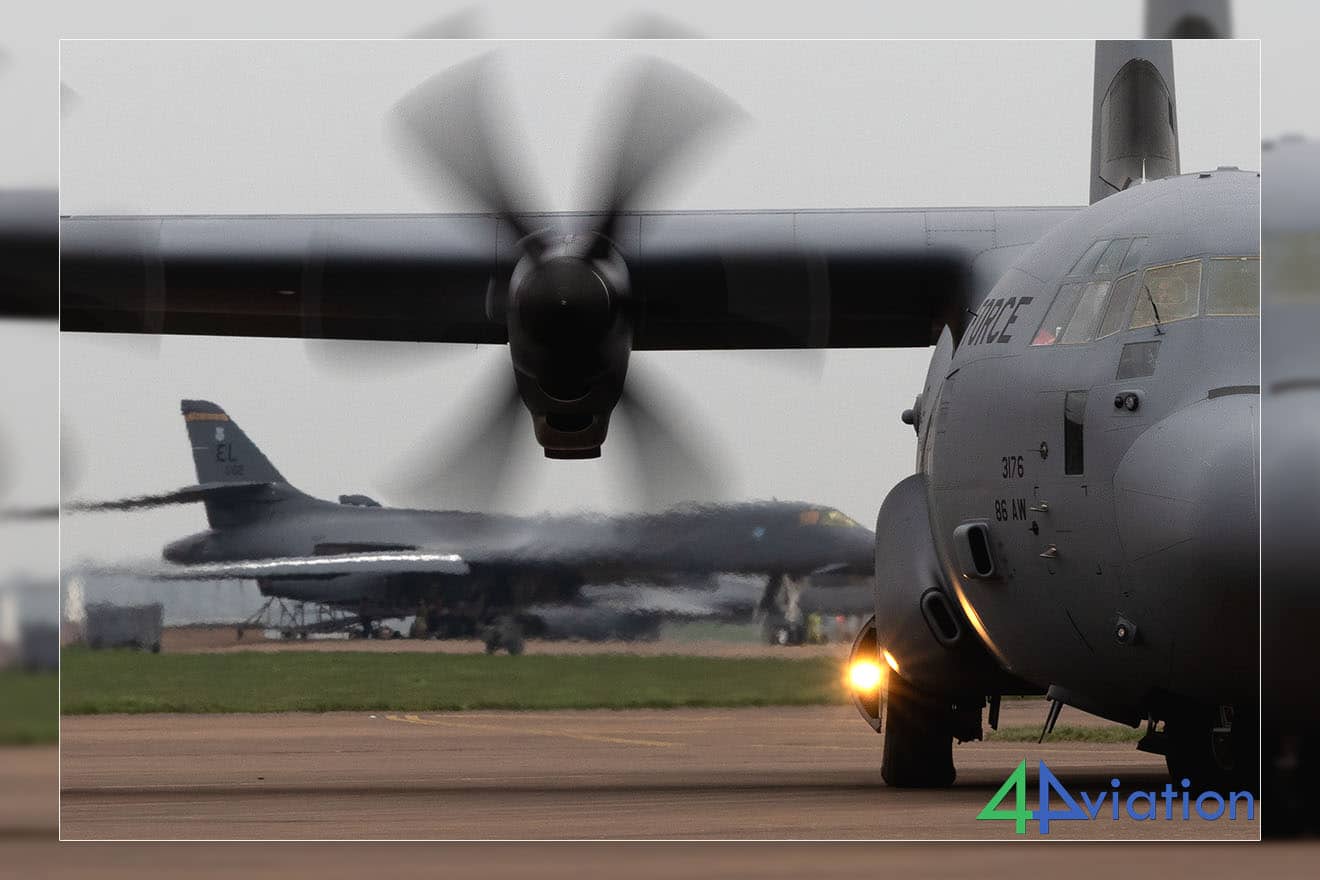
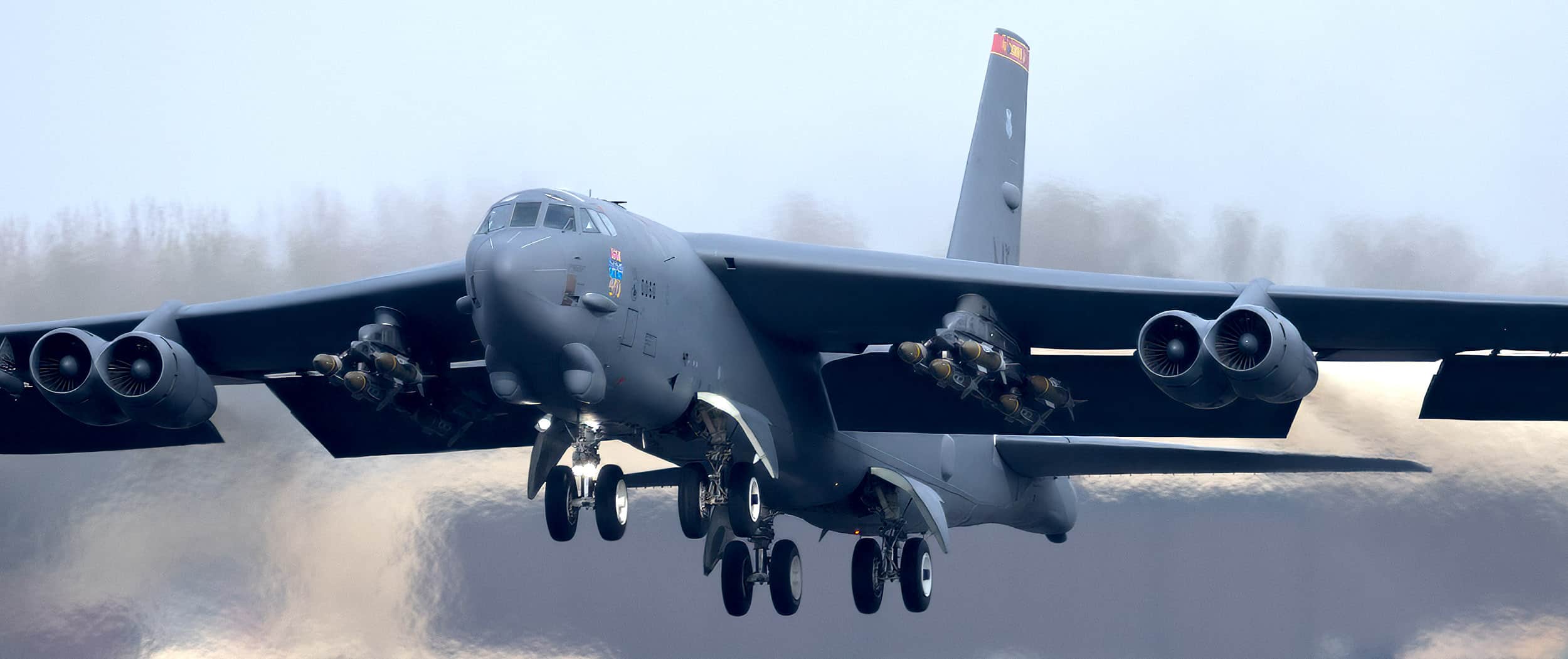
A Lockheed Martin C-130J Super Hercules from the Ramstein was unloading pallets of GBU munitions which were immediately transported towards one of the waiting B-1Bs. As darkness slowly approached, we moved to the eastern side of the airfield where the B-52Hs were visible, although considerably harder to photograph at distance. The afternoon had been mostly overcast, but just before sunset a huge orange sun briefly appeared low on the horizon, creating a superb backdrop for a Stratofortress.
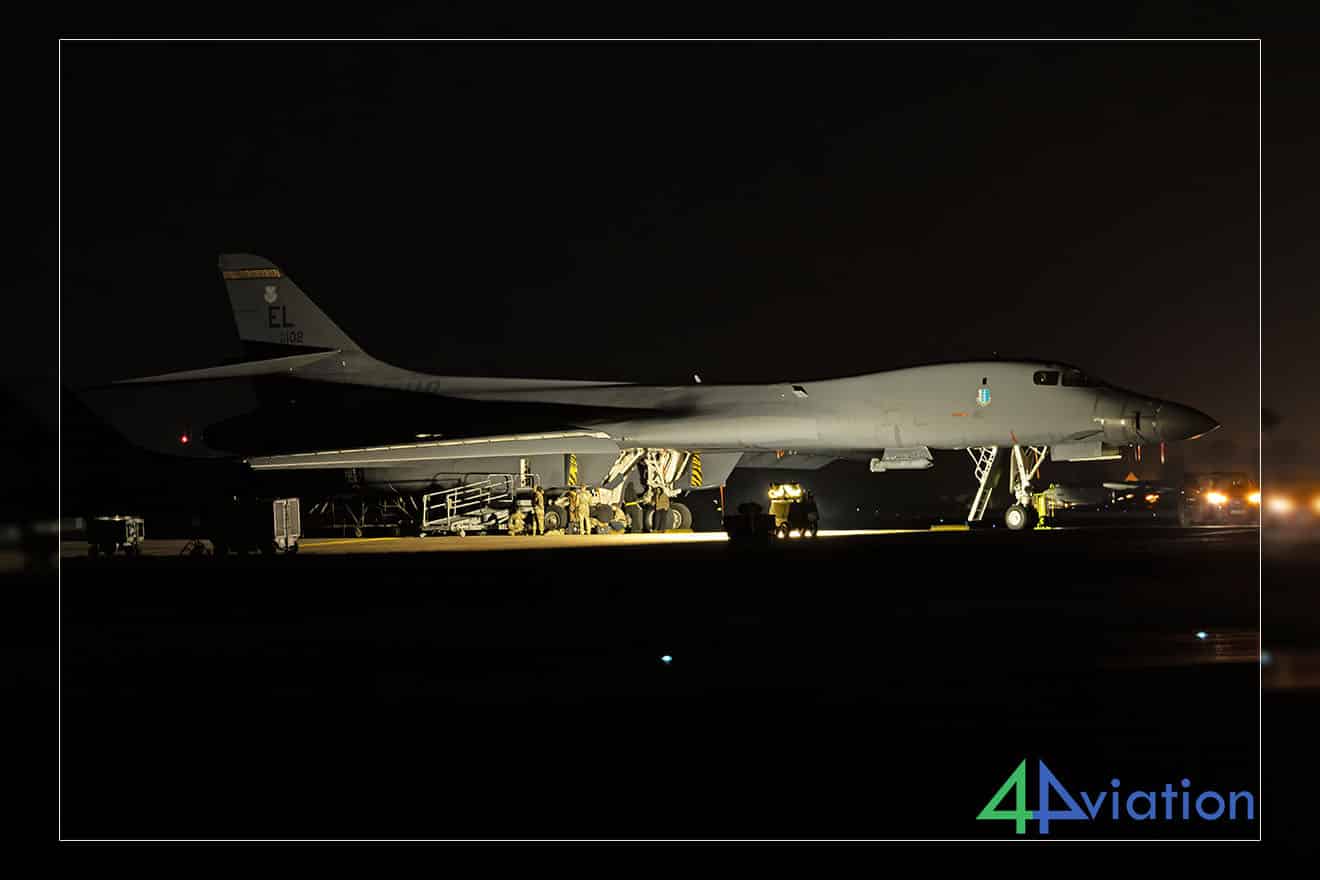
In the days before the tour we had seen several impressive night shots from the base and naturally wanted to try our own luck. Before doing so, however, we treated ourselves to a well-earned meal and a drink at a local pub after the long day’s travel. The day still wasn’t over though. Returning to the B-1Bs after dinner, we found one perfectly positioned for night photography. Shooting over a tall fence from a small stepladder in near darkness is never easy, but we were certainly pleased with the results.
A final twenty-minute drive brought us to our hotel in Swindon and, after one last beer for the tour leader, day one came to an end.
Lancers, BUFFs and a Bonus U-2
On Monday, 23 March 2026, we skipped the relaxed hotel breakfast in favour of grabbing proper sandwiches on the road — not only for breakfast but also for the rest of the day. The early start paid off almost immediately.
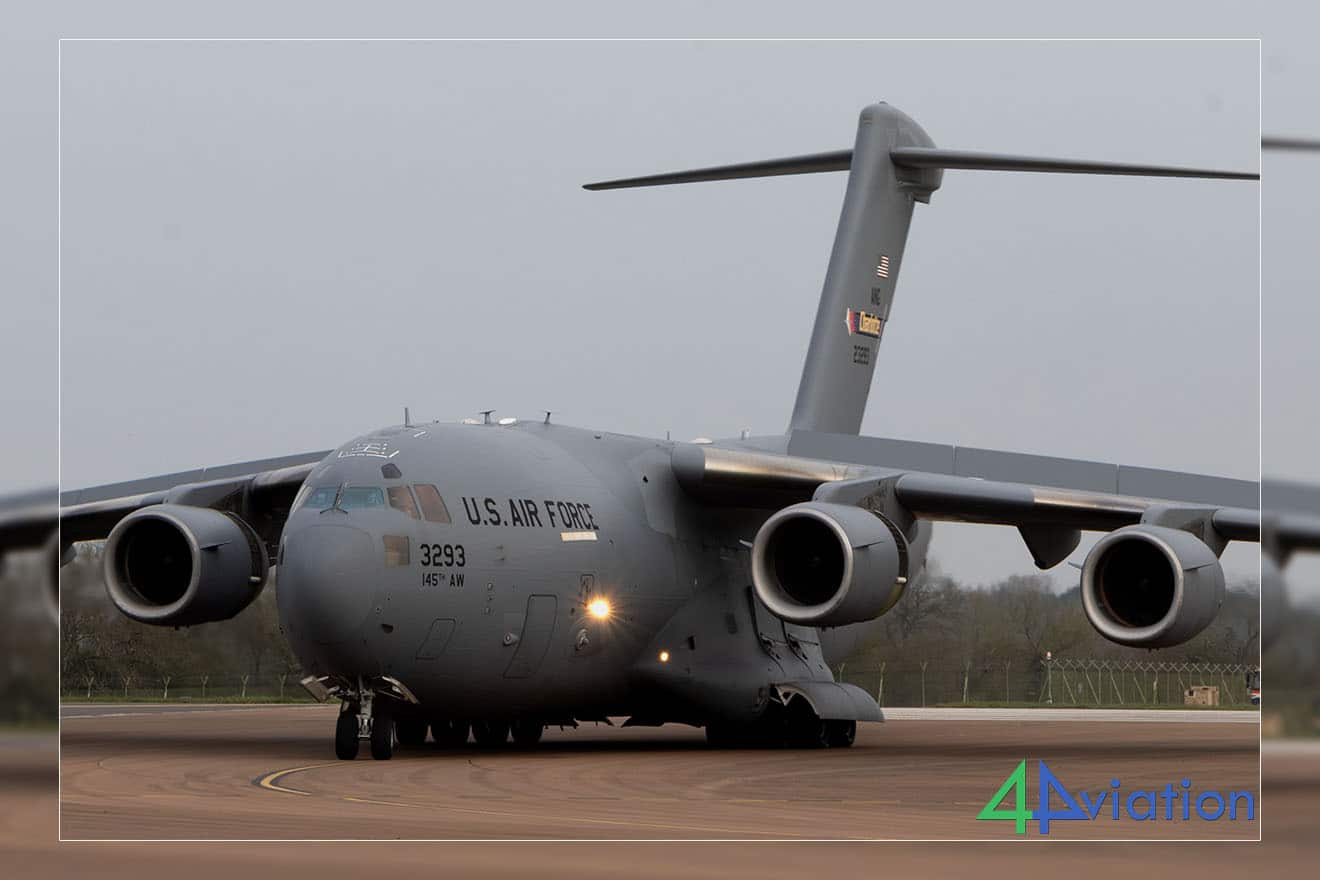
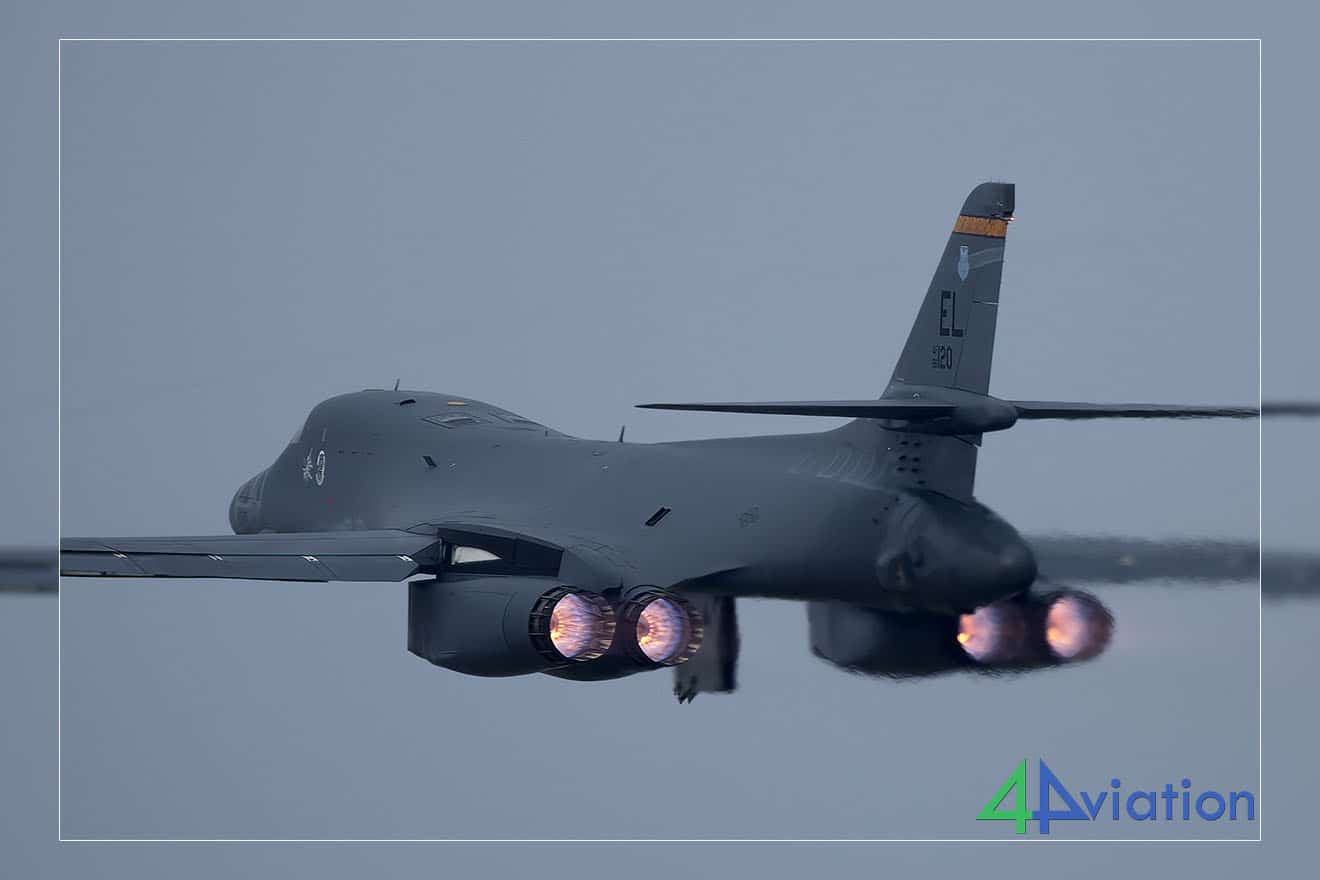
Soon after arriving at RAF Fairford, a visiting Boeing C-17 Globemaster III from North Carolina arrived, while several B-1B engines could already be heard winding up. Before long we watched — and more importantly heard — three Lancers depart in succession.
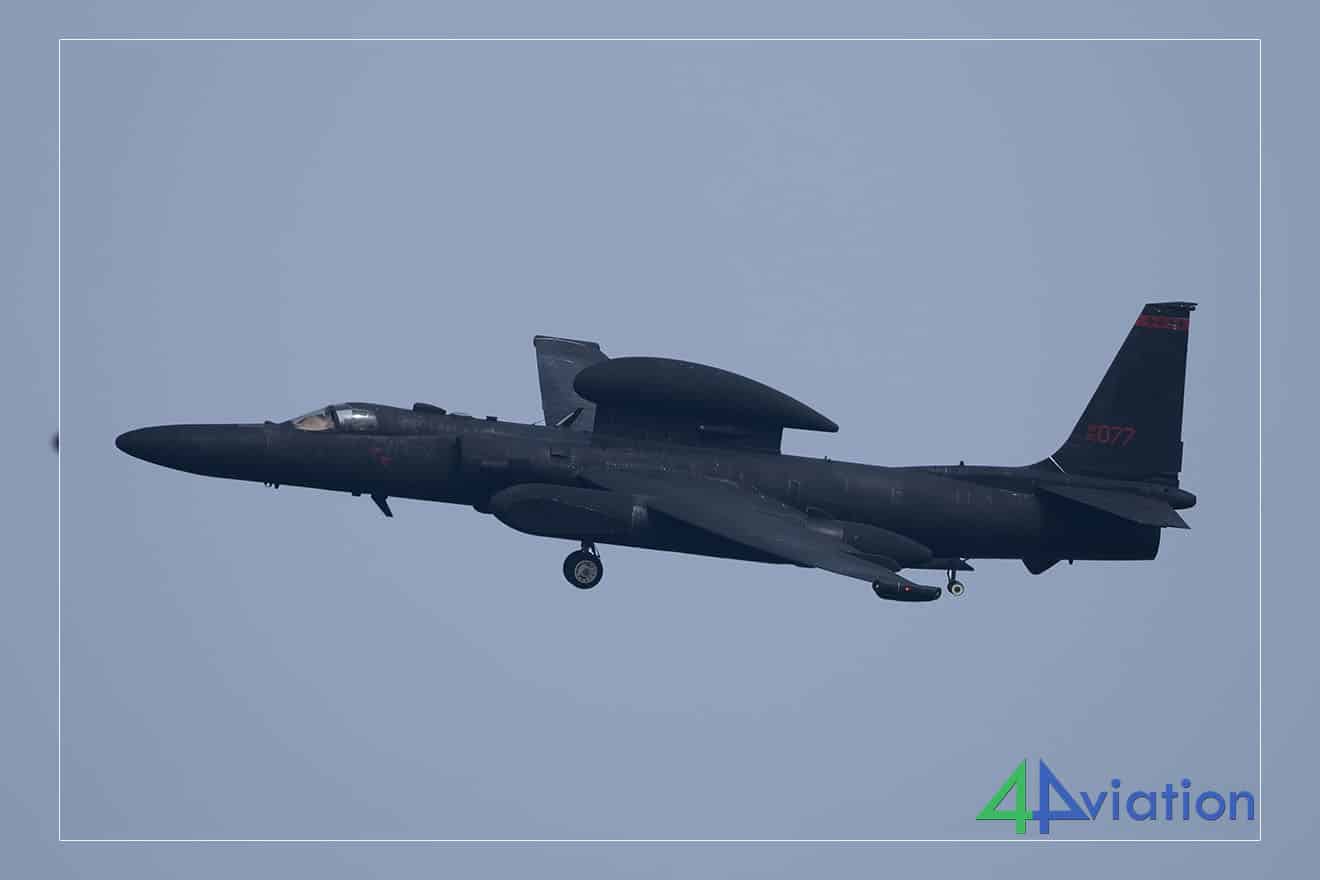
Afterwards we walked a full circuit around the perimeter, photographing nearly every remaining B-1B basking in glorious sunshine. During the walk a Lockheed U-2 launched and flew several circuits, while two B-52Hs also began preparing for departure. The visiting C-17 departed as well, and we had already repositioned ourselves perfectly to witness the take-off of those two mighty bombers.
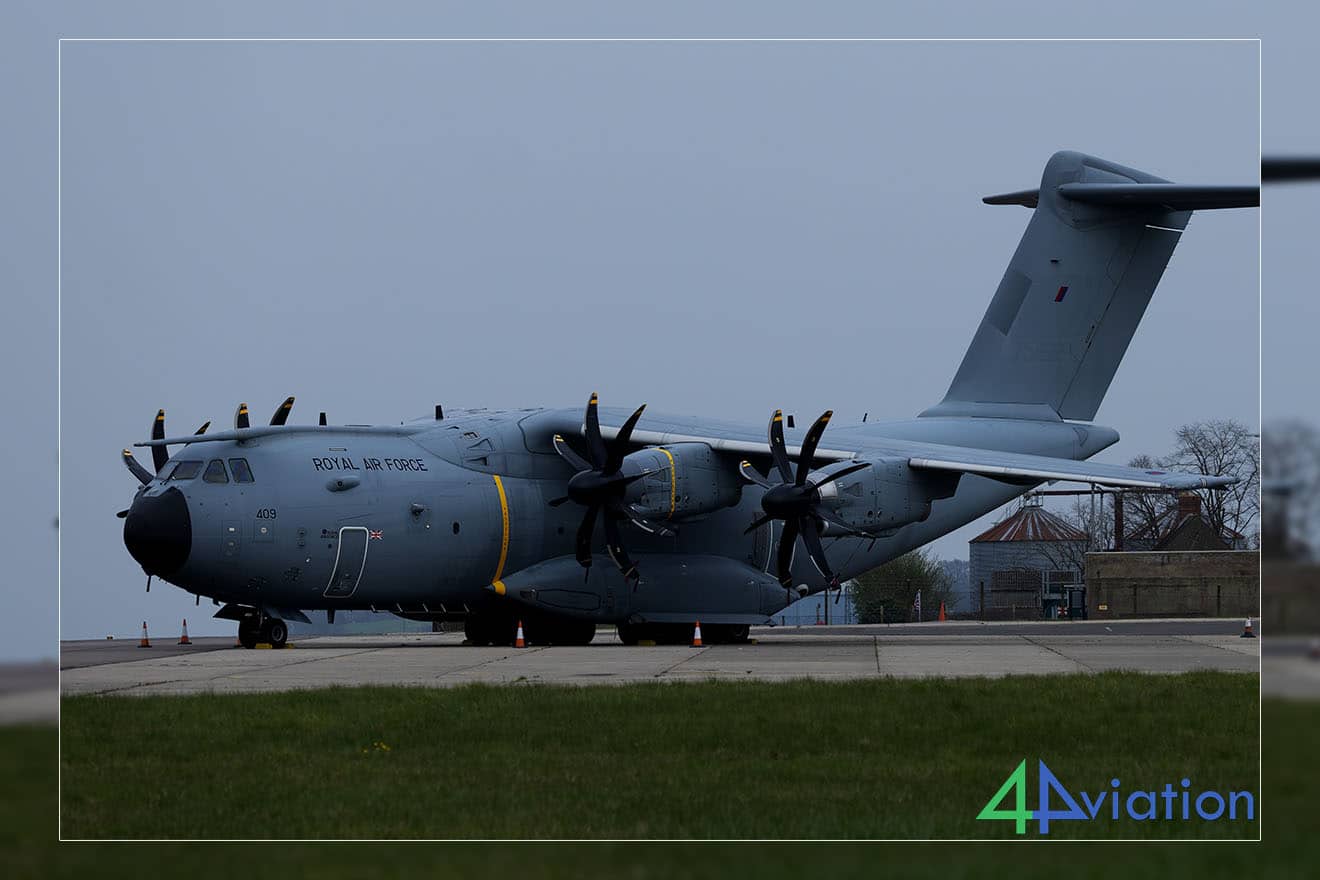
Once the activity died down it was clear the bombers would not return for another 15–20 hours, so we moved on to nearby RAF Brize Norton. There, a C-17 was flying circuits while three more examples sat beautifully parked on the south side of the base — an unusual sighting location. An Airbus A400M Atlas also posed nicely for photos while another departed during our visit.
A superb bonus before the light faded completely.
Afterwards we faced a two-hour drive north to our hotel in Telford, where another excellent meal provided the perfect opportunity to relive the highlights of the day.
Helicopters, Wind and Museums Instead
By Tuesday, 24 March 2026, we had settled into a rhythm. After collecting breakfast packs from reception and stopping for additional supplies, we enjoyed a slightly later start as the first destination, RAF Shawbury, was only half an hour away.
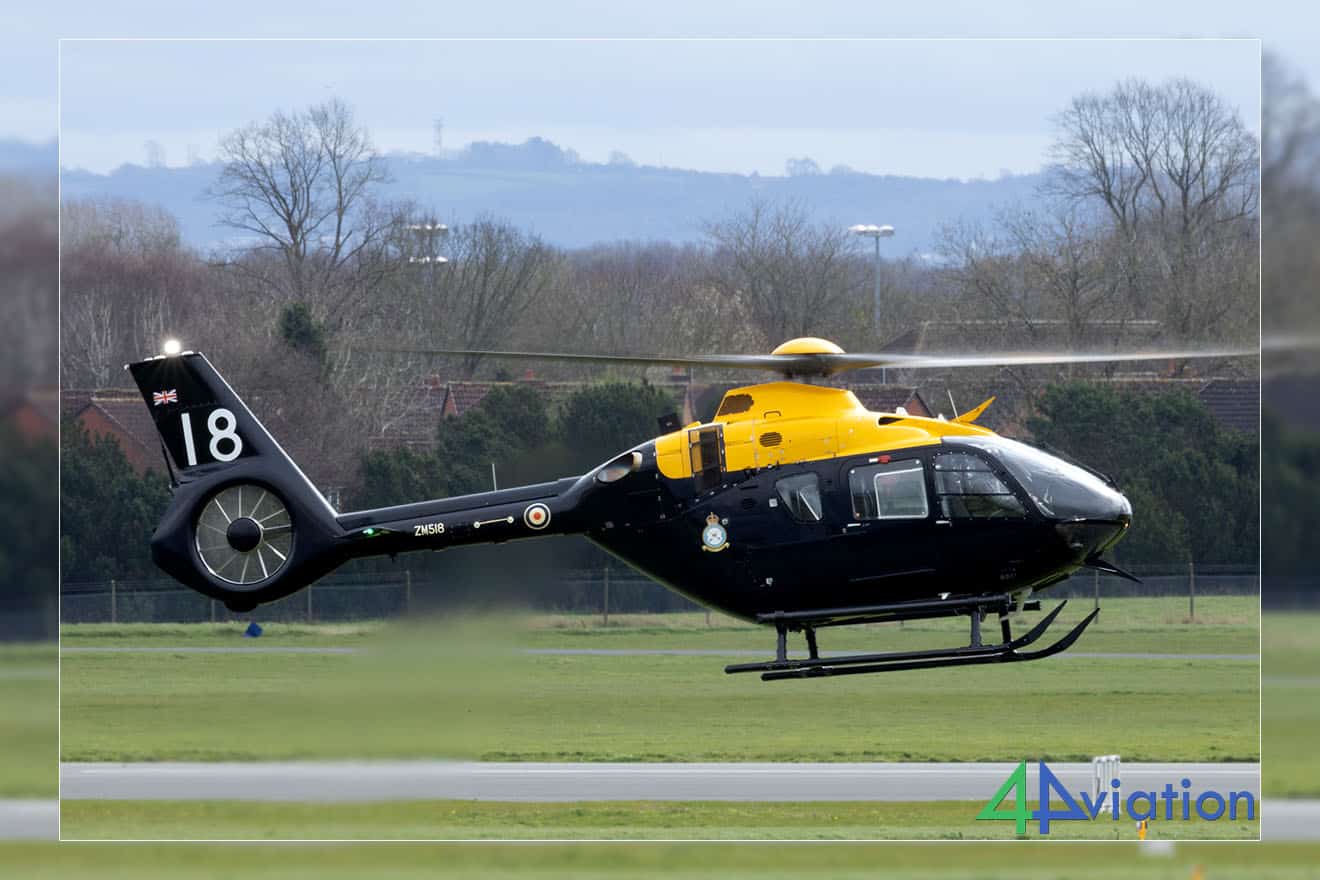
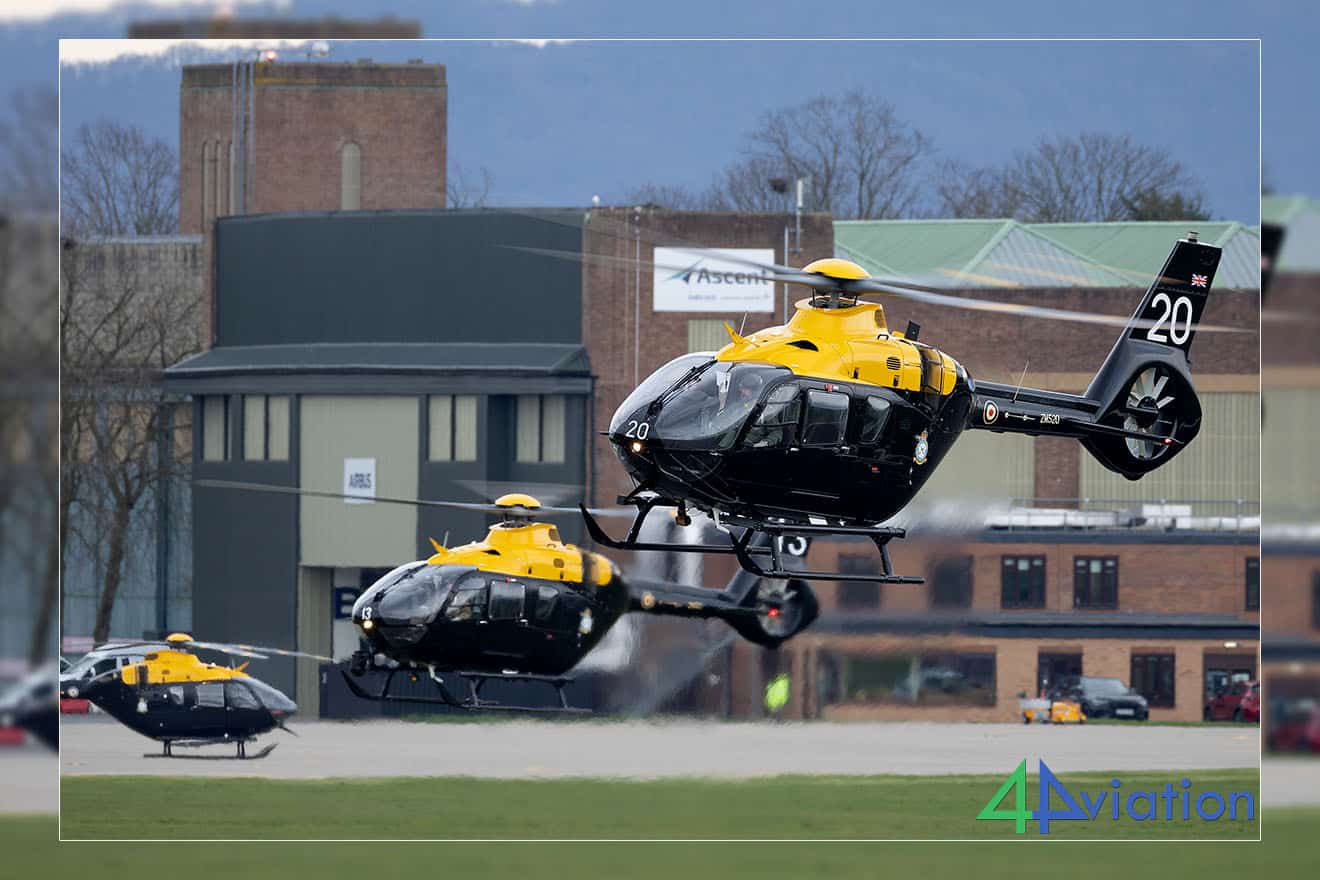
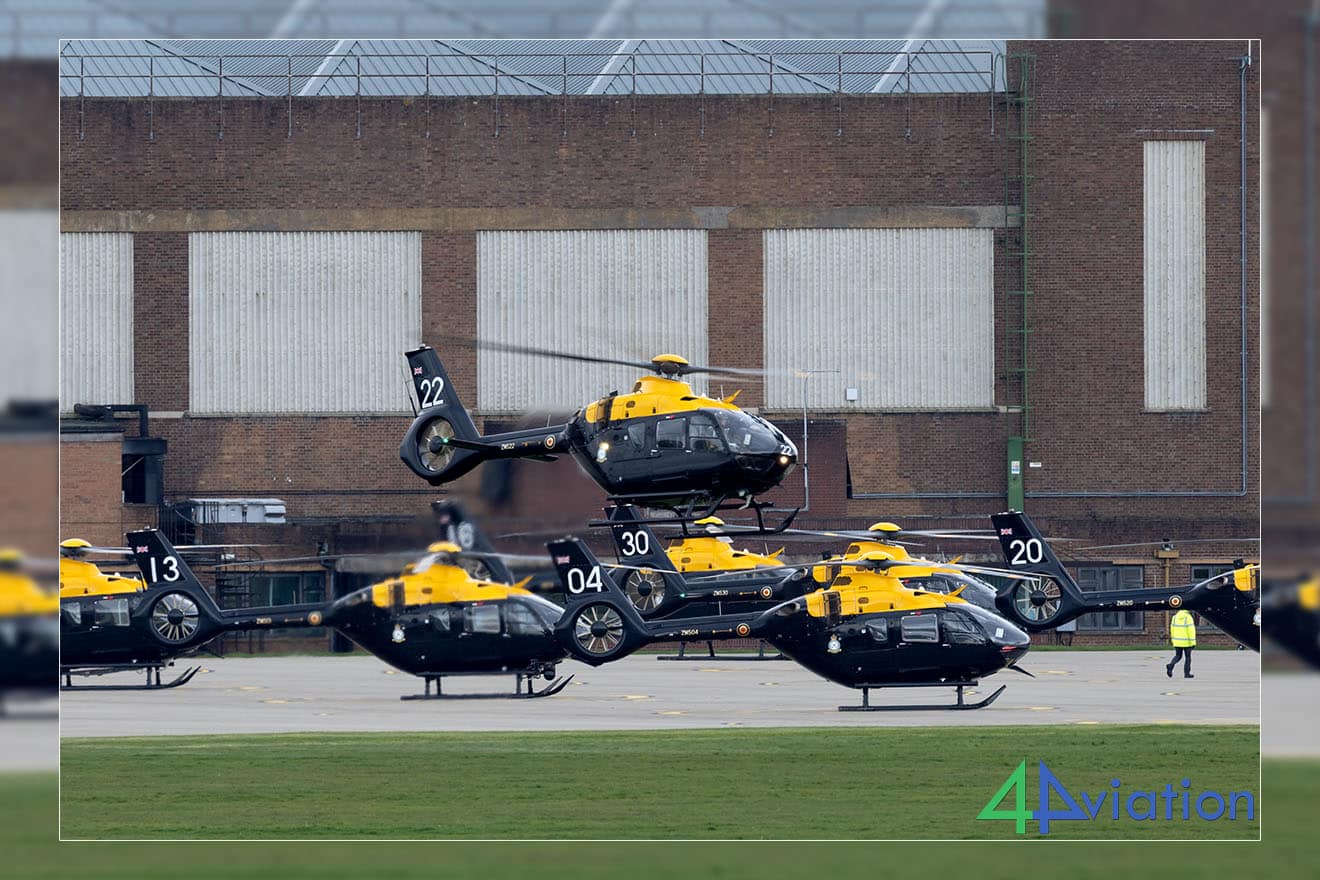
The morning was lightly overcast, so we selected a viewing point on the western side of the airfield overlooking several helicopter platforms. Normally this would mean awkward backlighting, but the cloud cover combined with the striking yellow-and-black colour scheme of the helicopters produced excellent photographic conditions regardless.
More than a dozen Juno helicopters were already parked outside and, one by one, they departed for training sorties. By the time the last aircraft had left, the first was already returning.
The plan had originally been to continue on to RAF Valley, over two hours away, but ADS-B showed flying had effectively stopped there. Weather apps revealed why: a 300-foot cloud base had rolled in over the airfield. Meanwhile, winds at Shawbury had increased substantially and a planned sling-load exercise was cancelled.
With the group’s flexibility and broad aviation interests, 4Aviation quickly adapted the programme. Instead, we headed to the Royal Air Force Museum Midlands at nearby RAF Cosford.
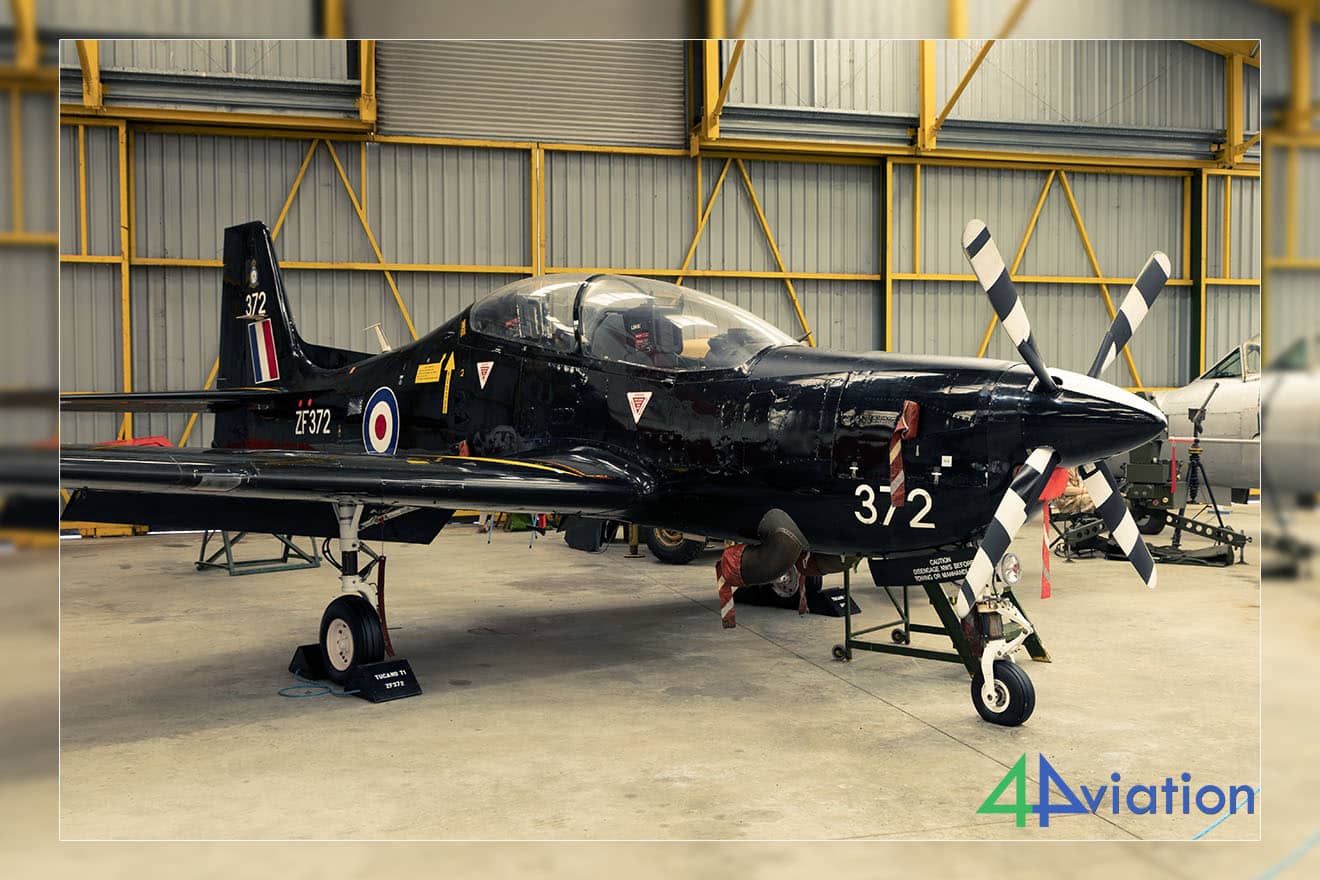
In recent years the RAF has streamlined its museum collections, moving aircraft between Cosford and Hendon. Both museums house unique aircraft with remarkable histories. Unfortunately, one large hangar at Cosford was undergoing renovation, meaning many aircraft had been squeezed into other halls, making photography extremely difficult. Particularly painful for us was seeing the former Dutch Lockheed SP-2H Neptune being dismantled — soon it will disappear entirely from public view.
After two hours there we continued to the Midland Air Museum. At the entrance we briefly considered visiting the large antiques market taking place nearby, but aircraft naturally won.
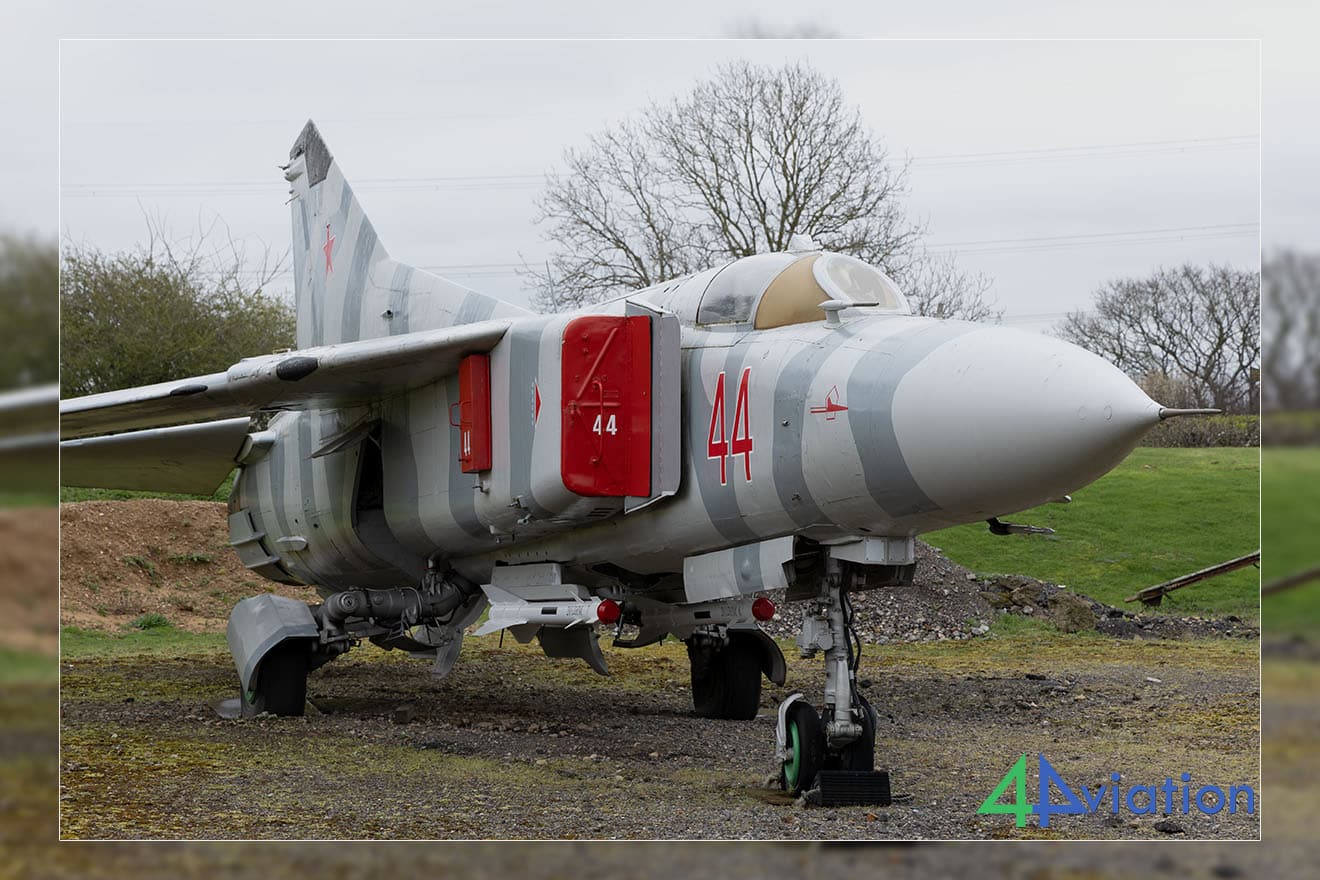
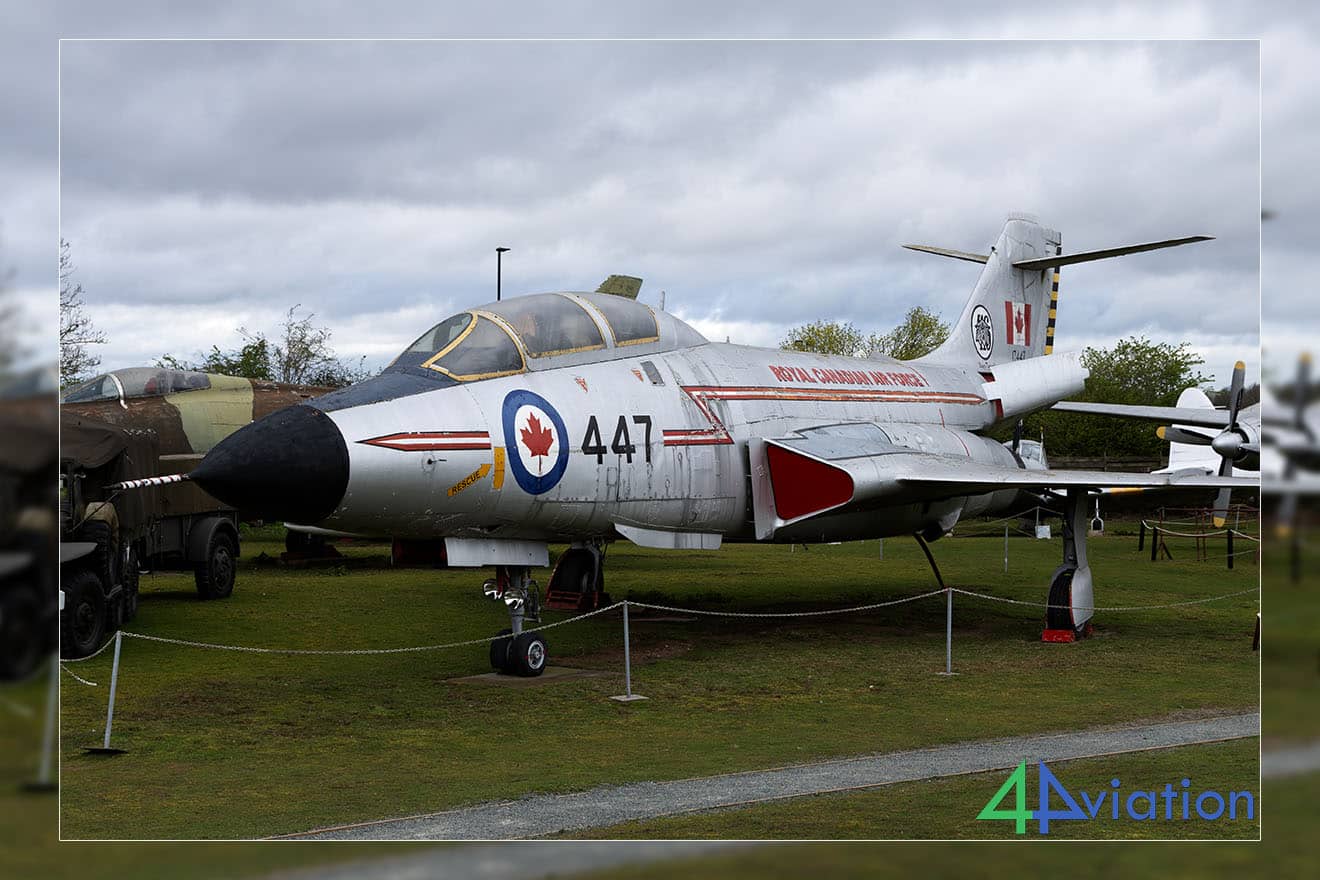
This museum also proved excellent, with a wide-ranging international collection, although some aircraft wore rather questionable paint schemes. Rain had started falling lightly by then, making it the ideal moment to explore the indoor collection — including the cockpit of a Vulcan bomber. Once again, very worthwhile.
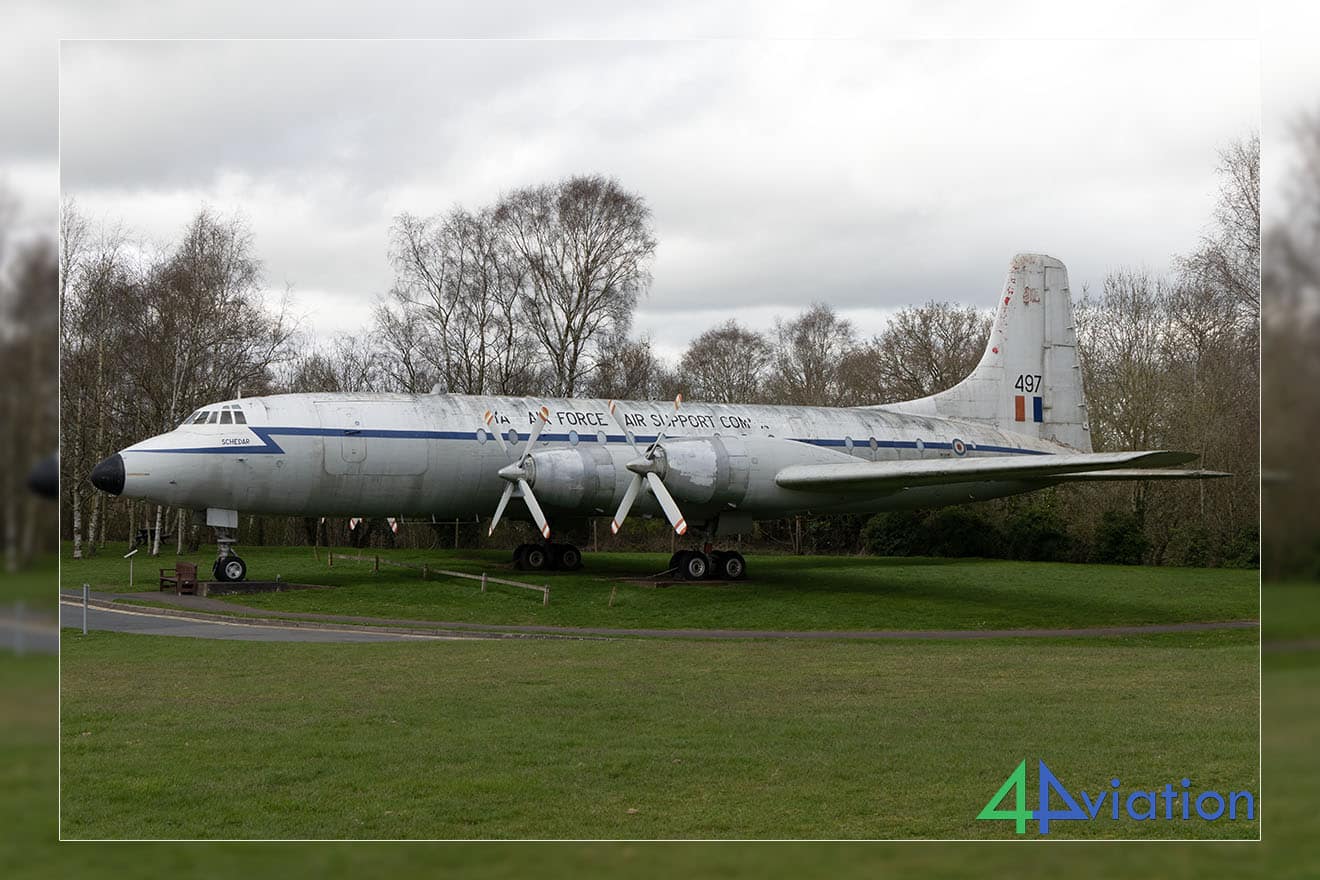
Before leaving we made a quick perimeter drive around Coventry Airport and discovered a remarkably well-preserved Hawker Siddeley Nimrod, which of course deserved a quick photo stop of its own.
From there it was roughly another ninety minutes to our hotel in Lincoln for the next two nights. Having stayed there before, we instinctively found both our way around the hotel and our favourite Indian restaurant just a few minutes away.
Cobra Warrior Grounded, Coningsby Delivers the Goods
Wednesday, 25 March 2026, was supposed to be the day we finally visited the very reason for organising this tour: RAF Waddington during Exercise Cobra Warrior 26/1.
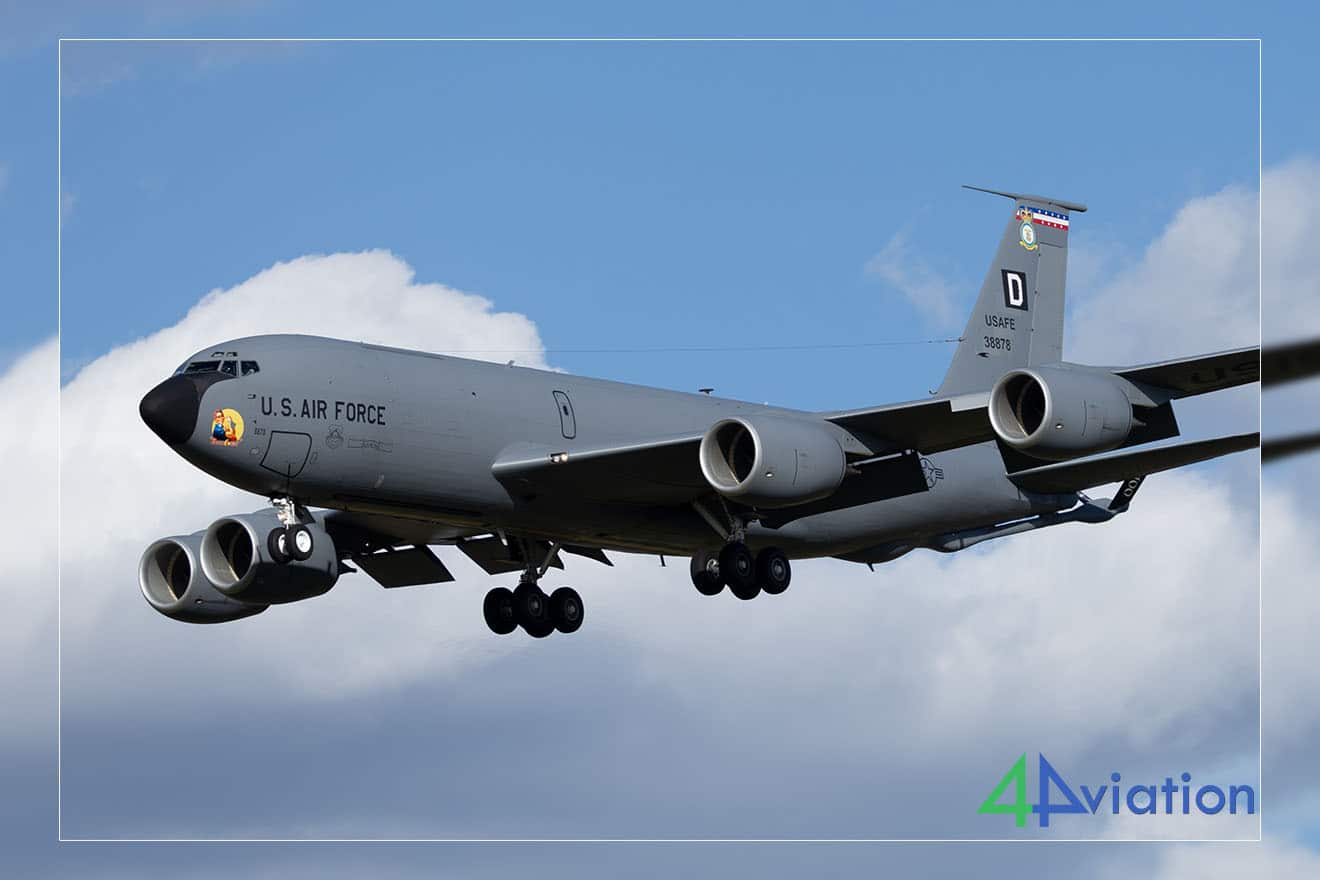
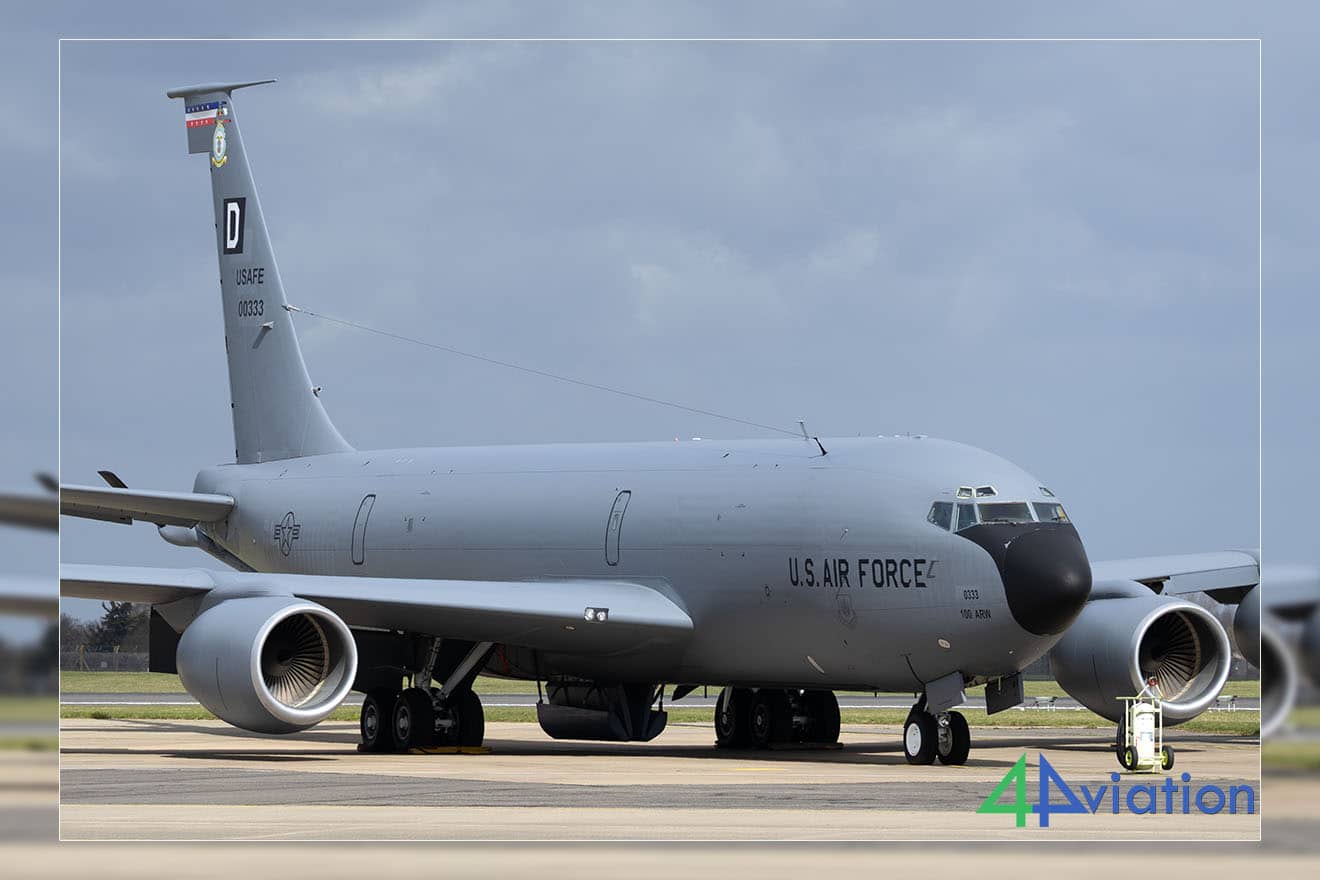
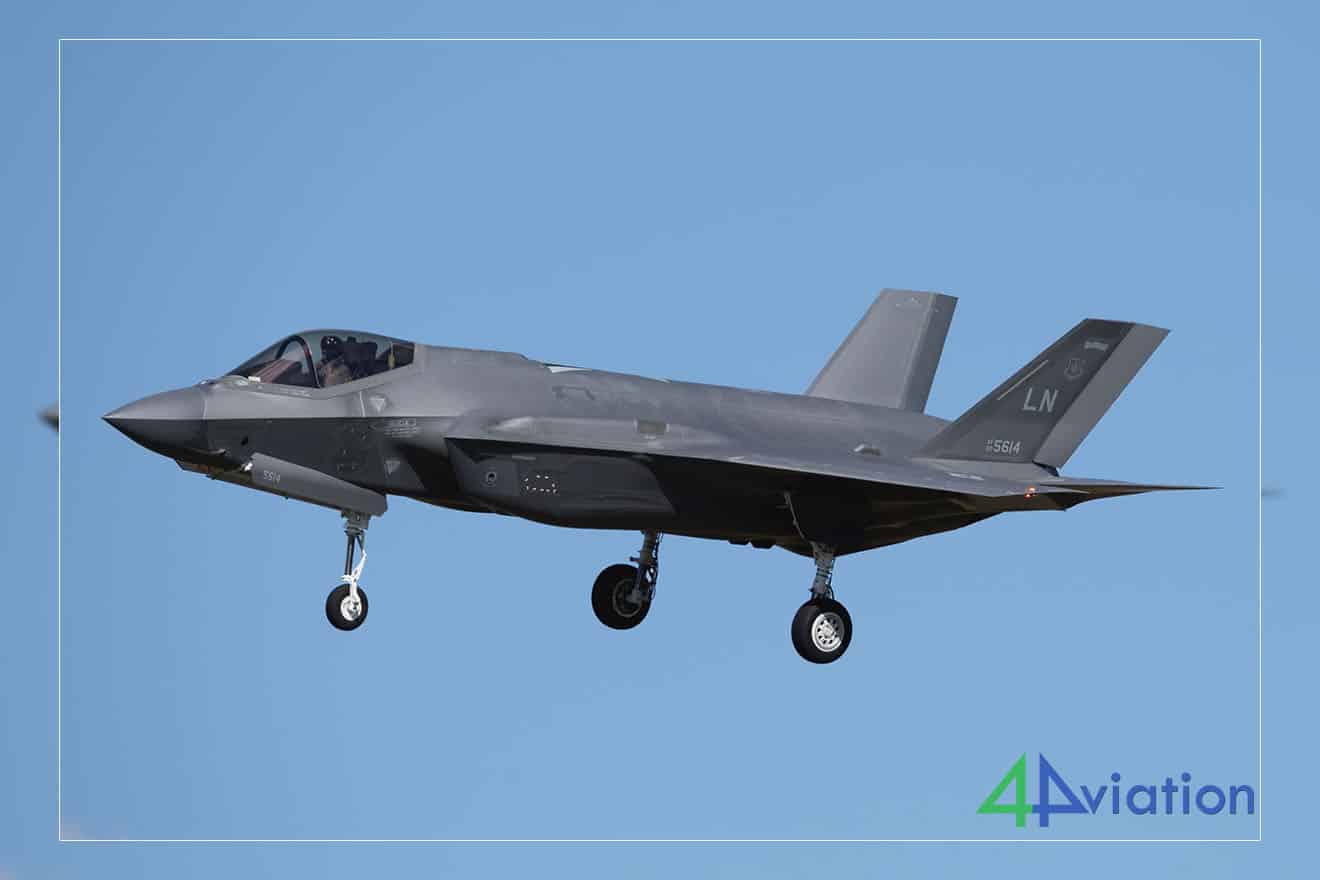
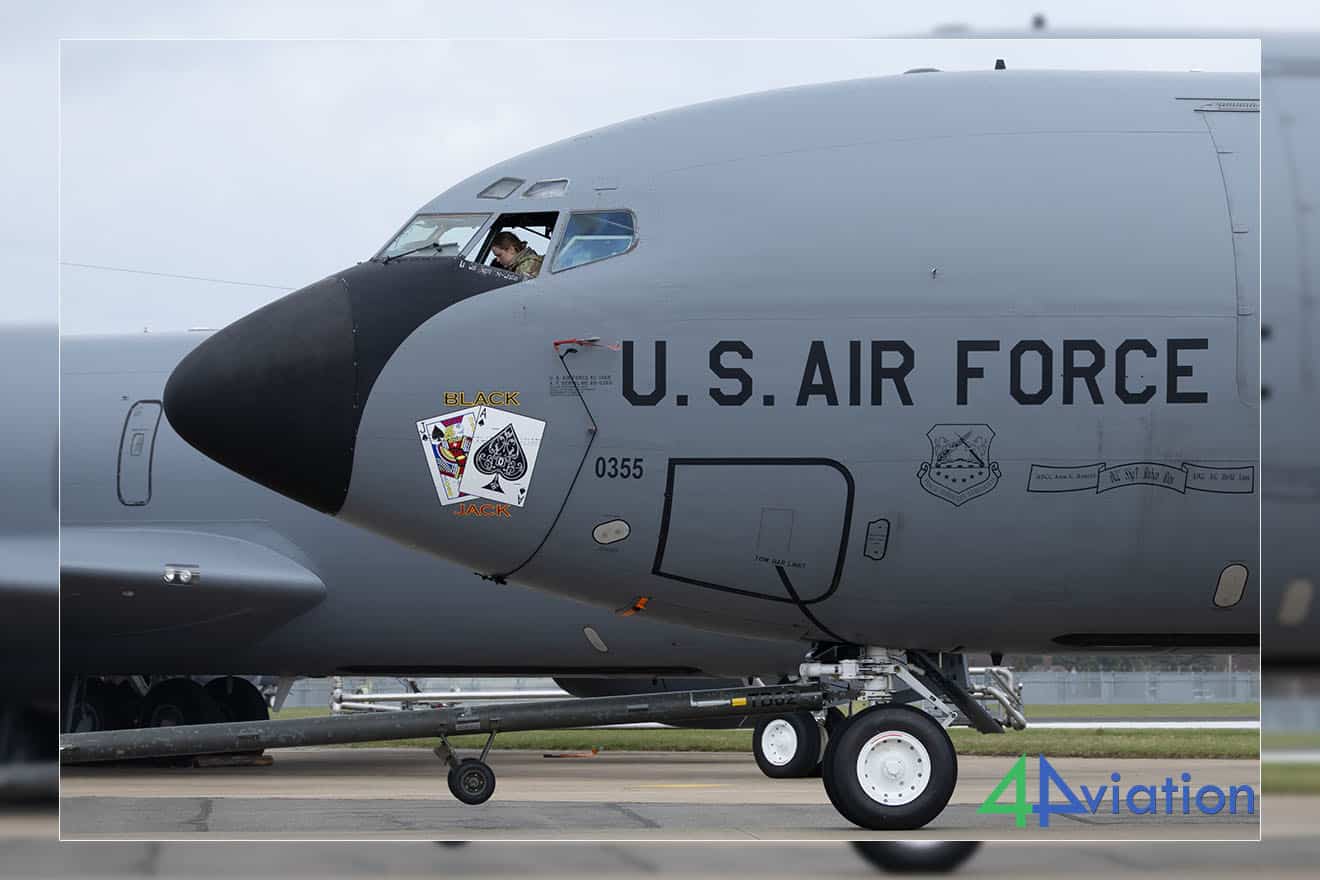
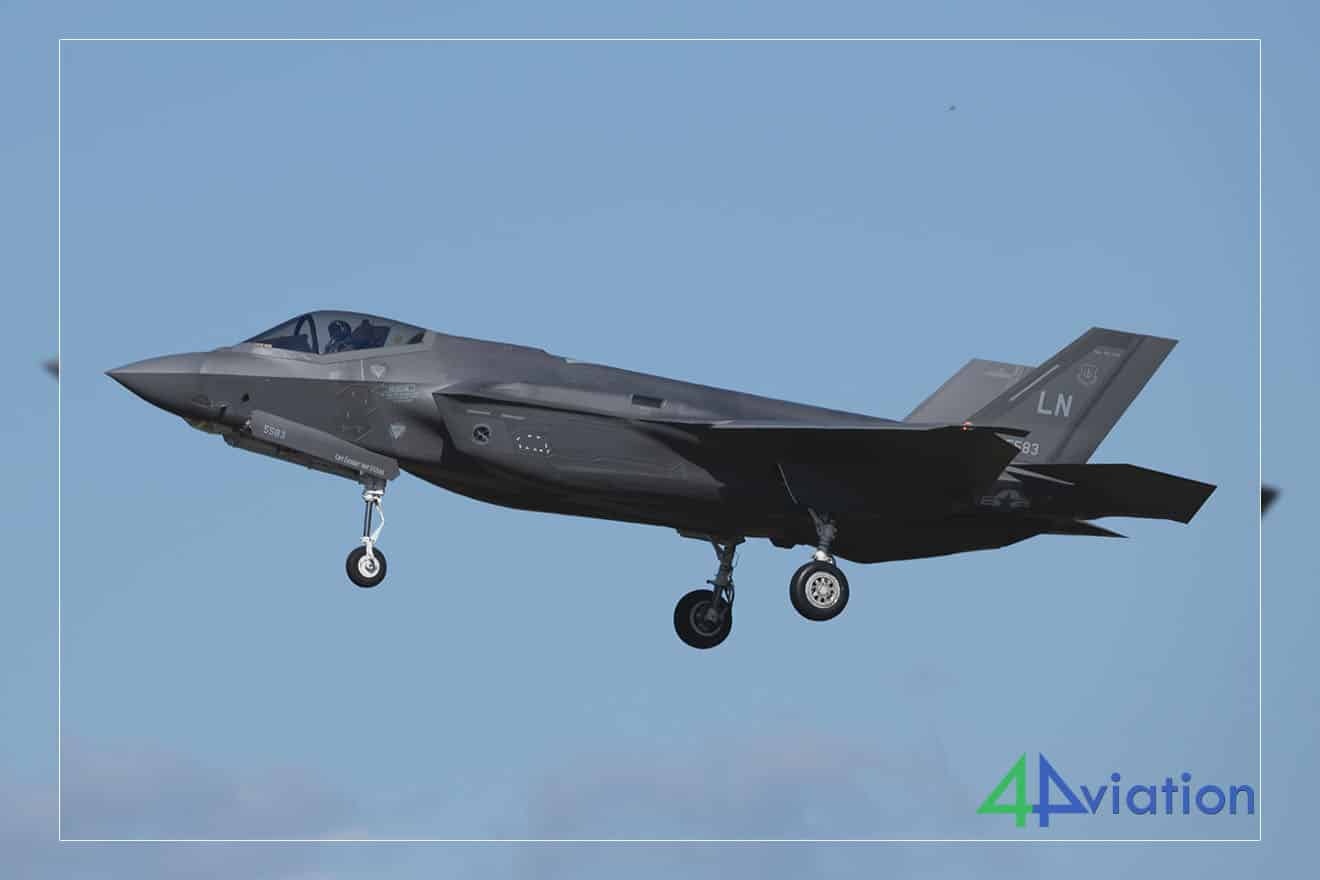
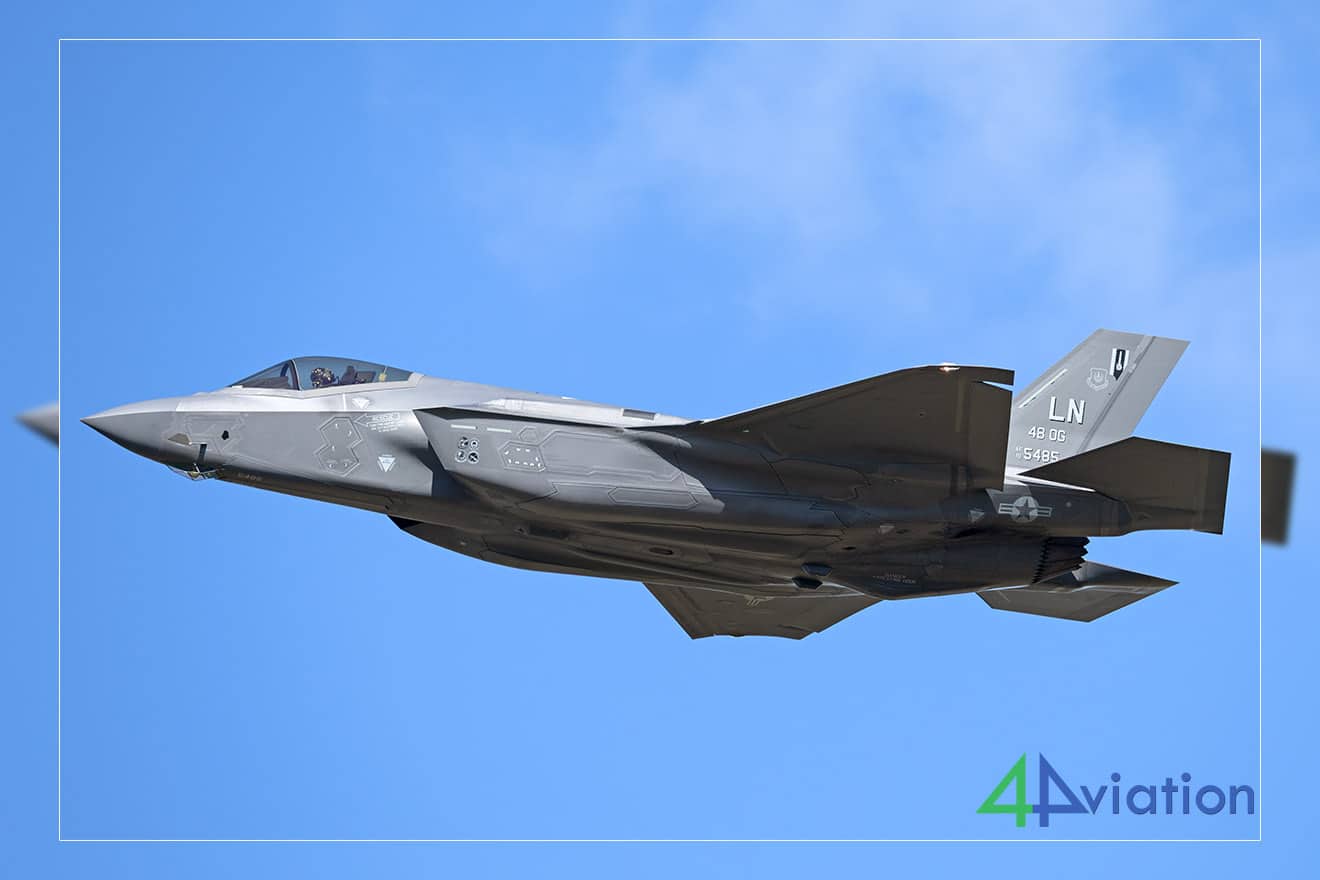
Restrictions on parking and viewing locations were tighter than during previous editions, but by arriving early at the WAVE we secured an excellent position for the minibus. Activity began promisingly enough with two F-35As from Lakenheath performing a low approach, followed shortly afterwards by a KC-135R from neighbouring RAF Mildenhall.
Then everything went quiet. Far too quiet.
The Polish F-16s remained tucked away under covers, no Beech aircraft were parked outside, and no MQ-9s were visible either. Strong winds were sweeping across the airfield and, as we later learned, had effectively cancelled the day’s activity.
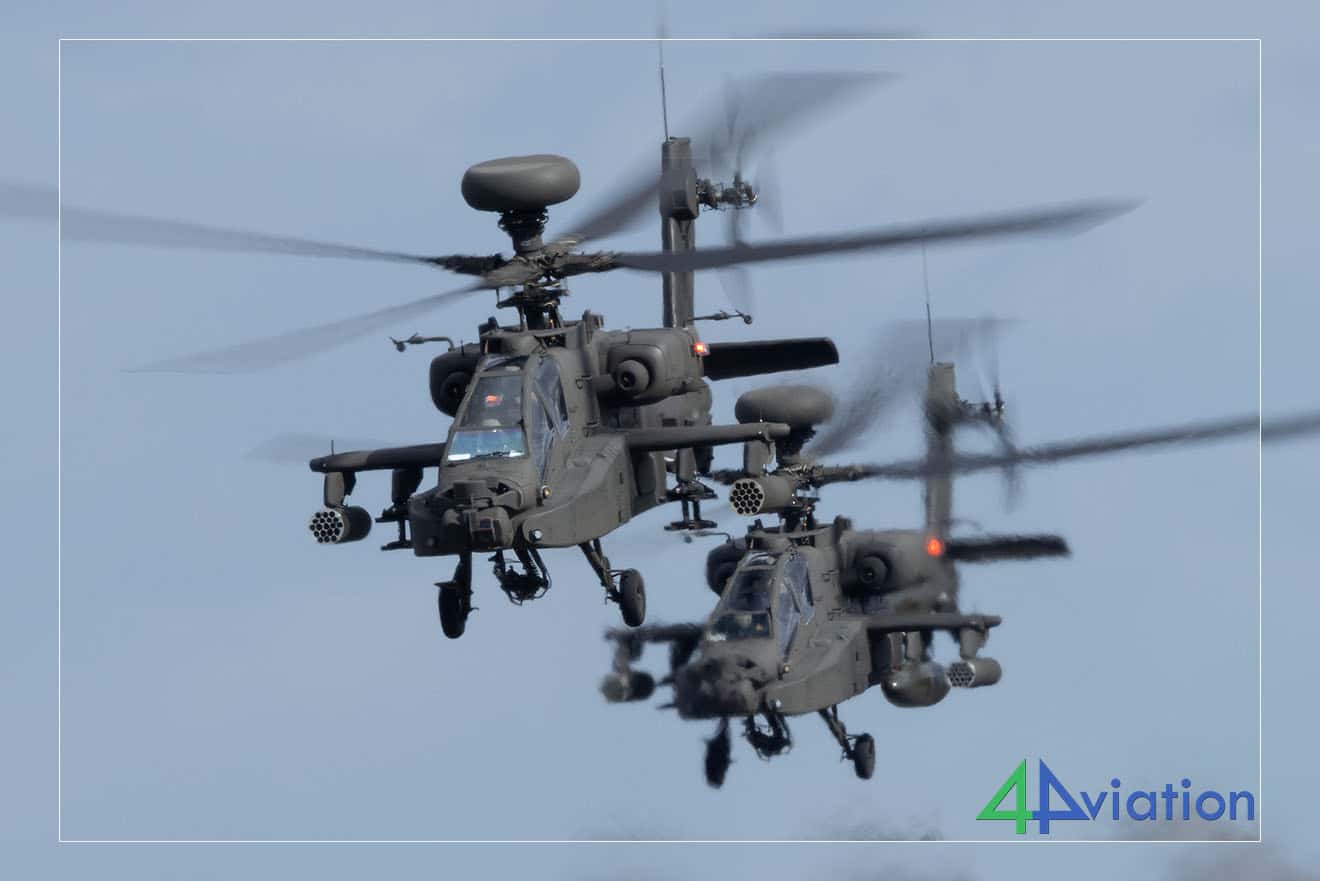
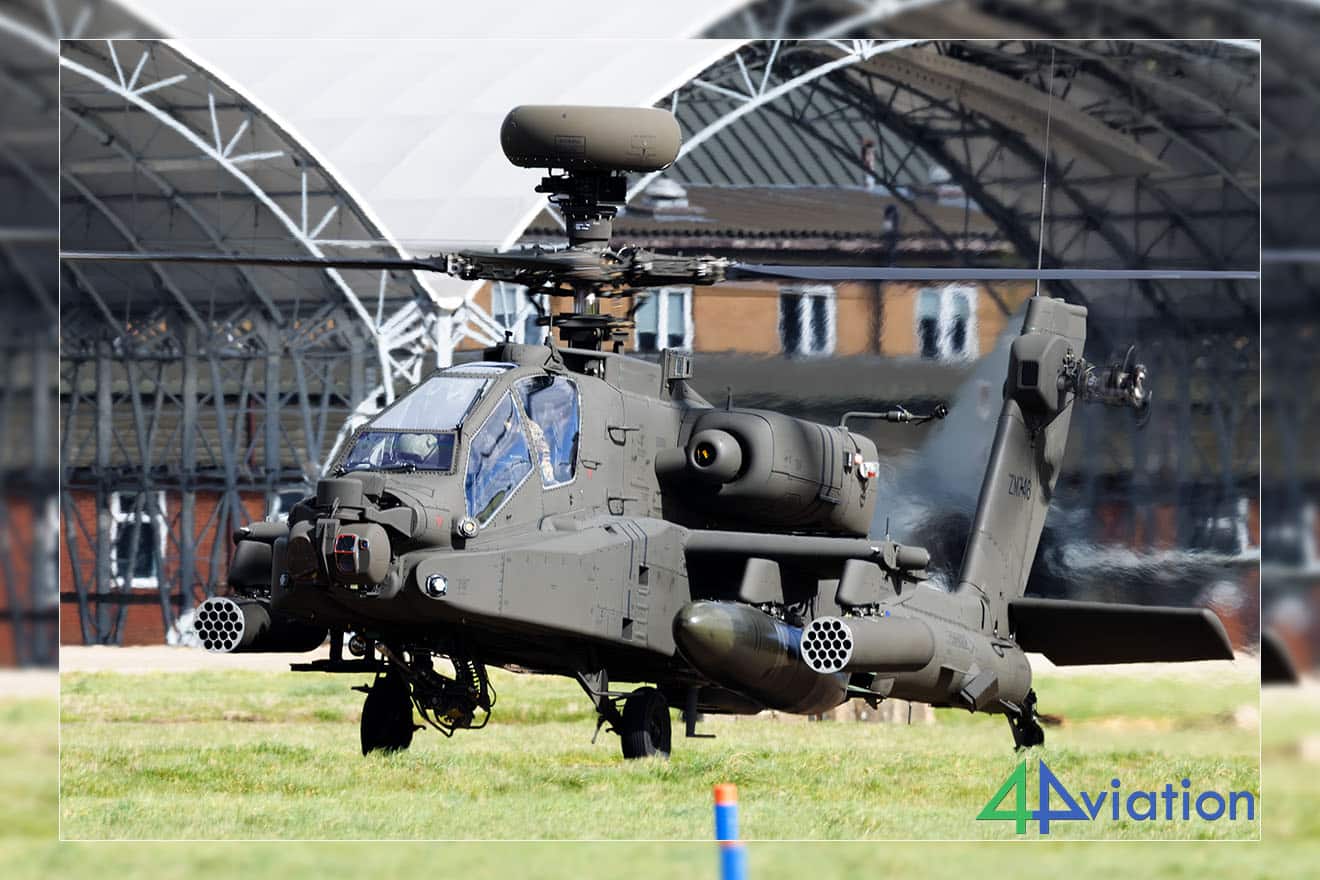
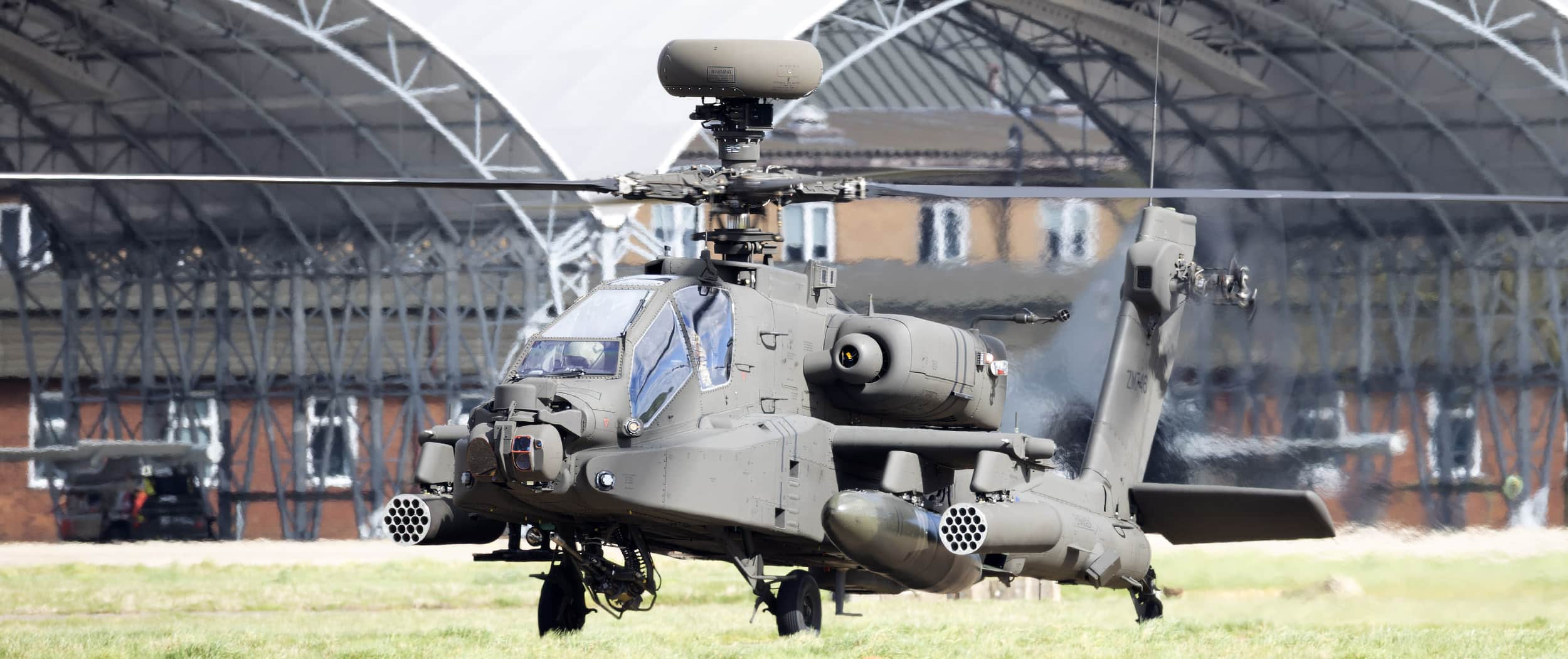
There was still a glimmer of hope when several Army Apaches appeared from the north. Perhaps they would stop in for fuel? Unfortunately not — they diverted instead to RAF Coningsby.
That sounded like a far better option anyway, especially since it was only a thirty-minute drive away.
Arriving at Coningsby we immediately found six Apaches beautifully parked in the sunshine on the short taxiway near the platform. The spotters’ car park was absolutely packed, but fortunately a space became available just as we arrived.
Moments later the first pair of Apaches fired up and departed in spectacular fashion, initially flying north along the runway before making a dramatic 180-degree turn and roaring directly overhead.
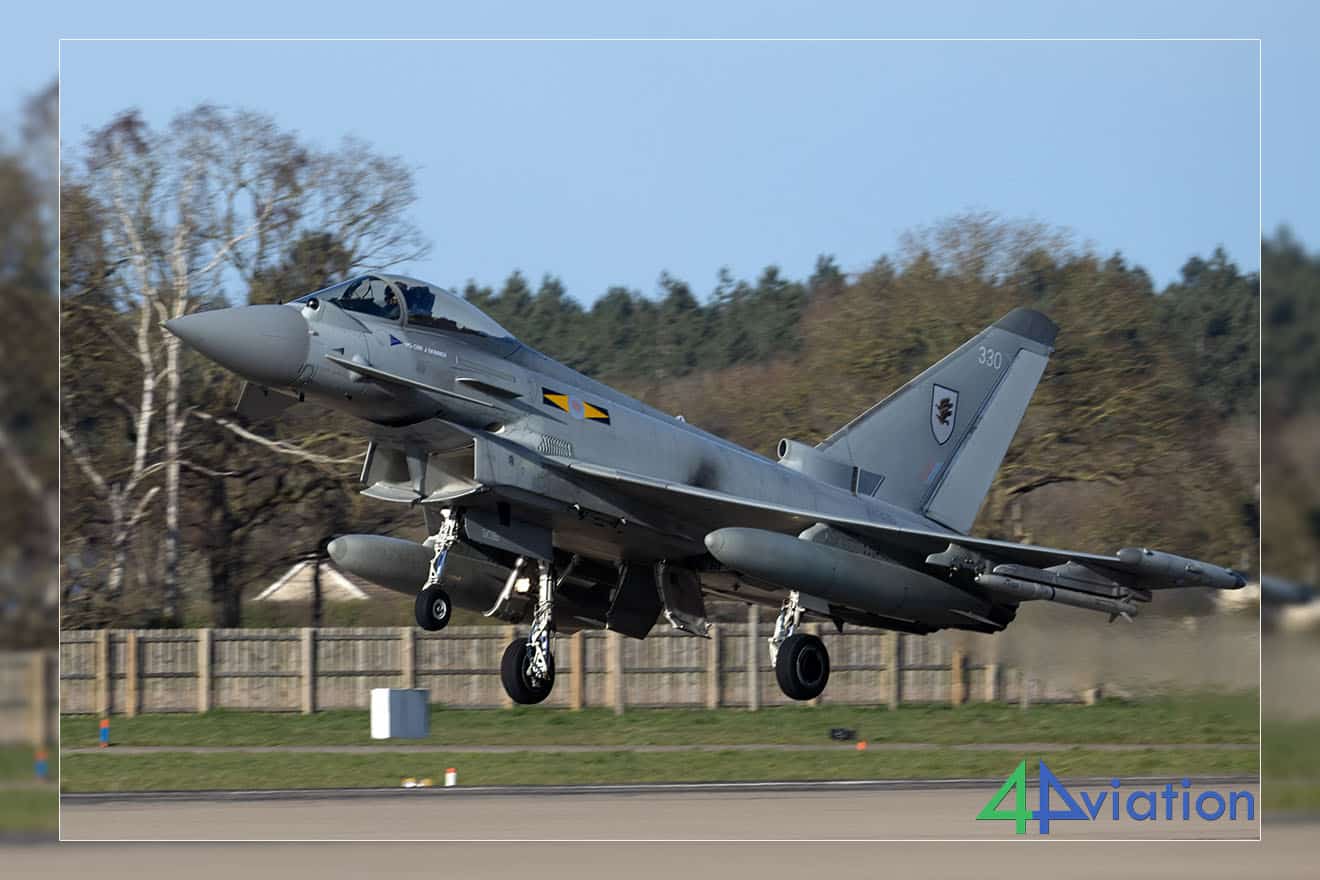
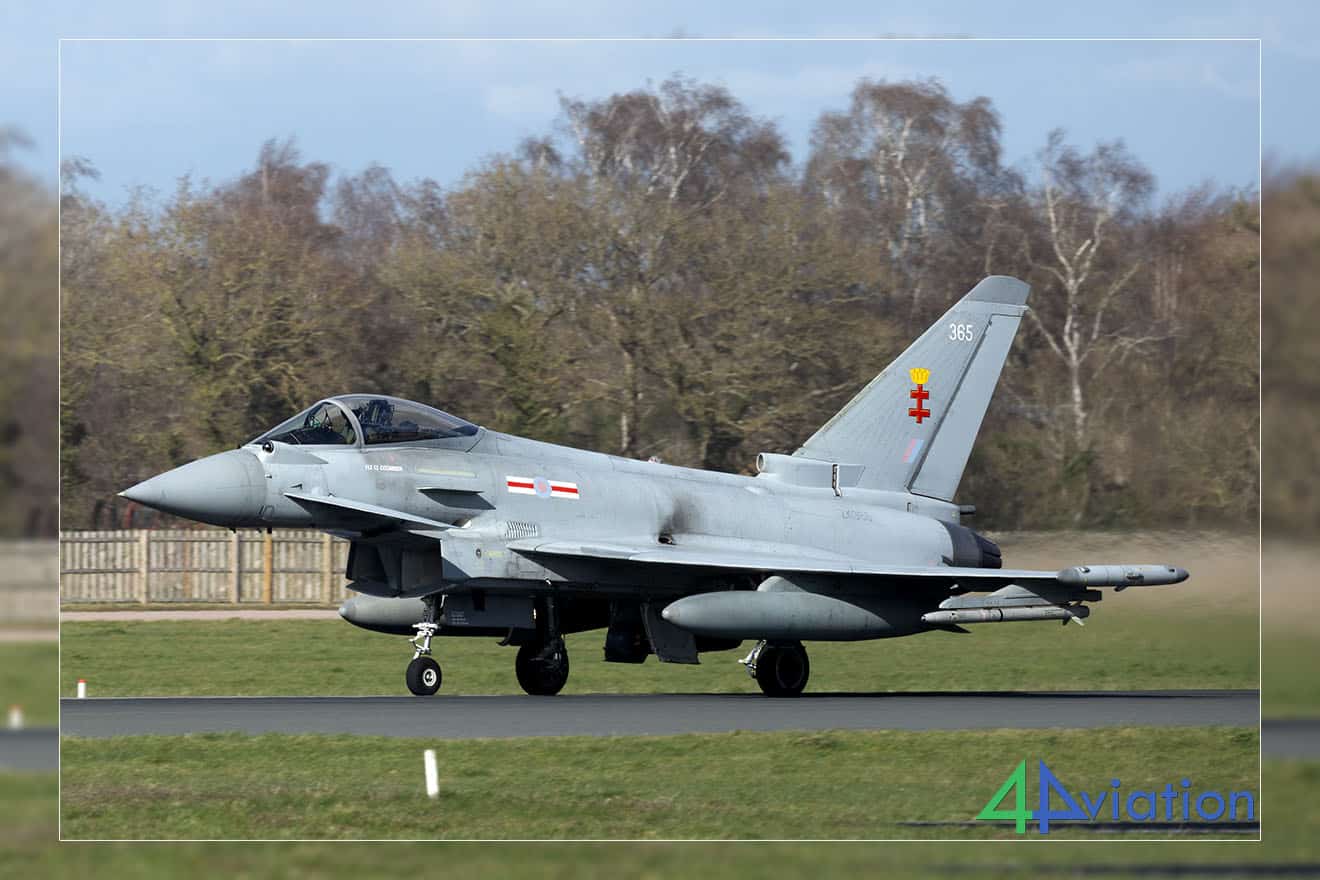
Soon afterwards the Typhoons started launching. Around ten departed during the afternoon and we photographed them from several locations during both departures and recoveries.
To finish the day we paid a quick visit to preserved Lightning and Wessex aircraft at Tattershall Thorpe before returning to the hotel and ending the evening with excellent pizza in town.
Betting on Lakenheath Pays Off
Thursday, 26 March 2026, began with a strategic dilemma: where should we go?
Since Cobra Warrior had effectively produced nothing the previous day, a return to RAF Waddington seemed logical. However, rumours were circulating about significant activity at RAF Lakenheath.
Friday was expected to be a non-flying day there, meaning Thursday would likely see the departure of four USMC F-35Cs alongside a strong possibility of flying FF-coded F-22As.
The group unanimously voted to head south immediately.
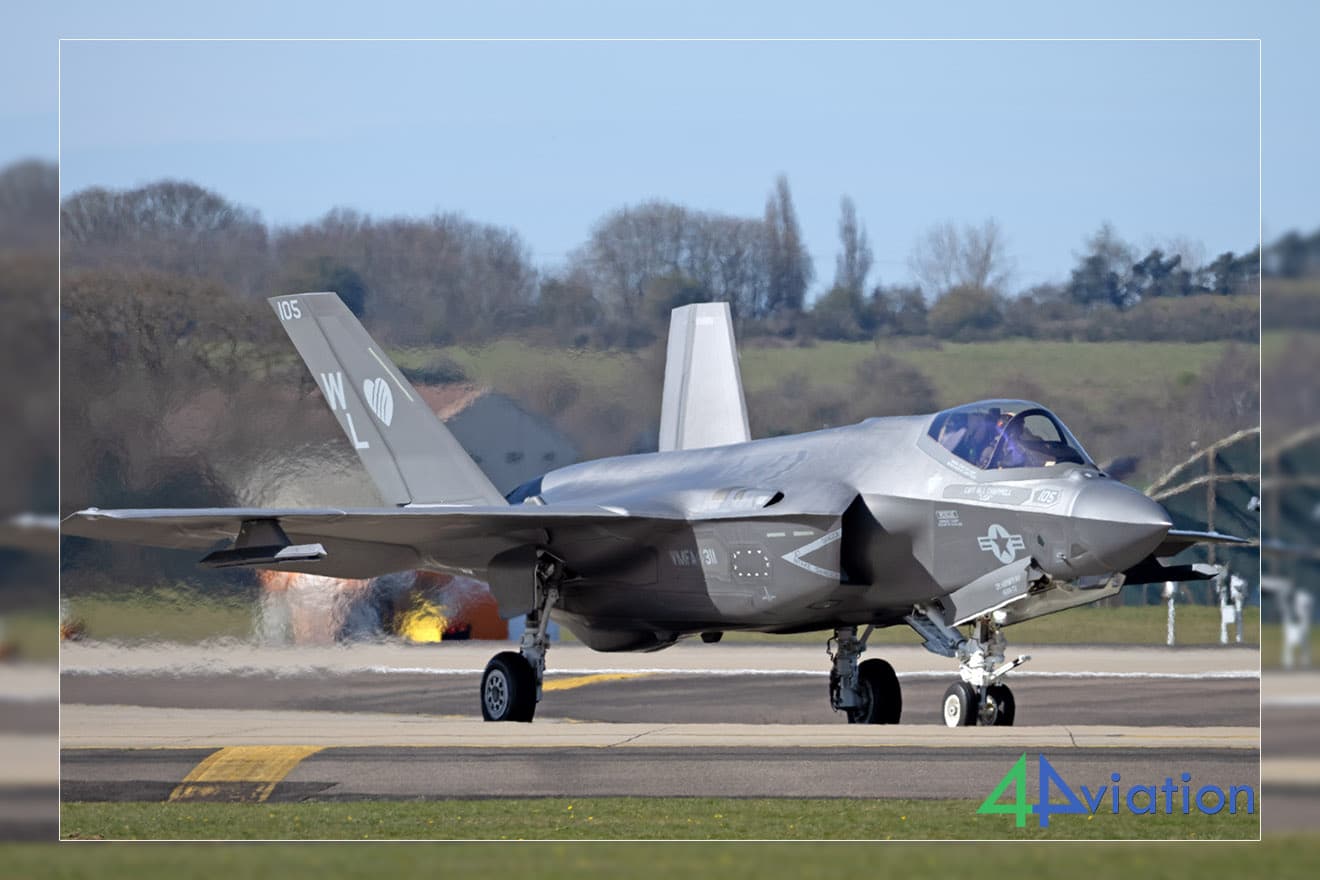
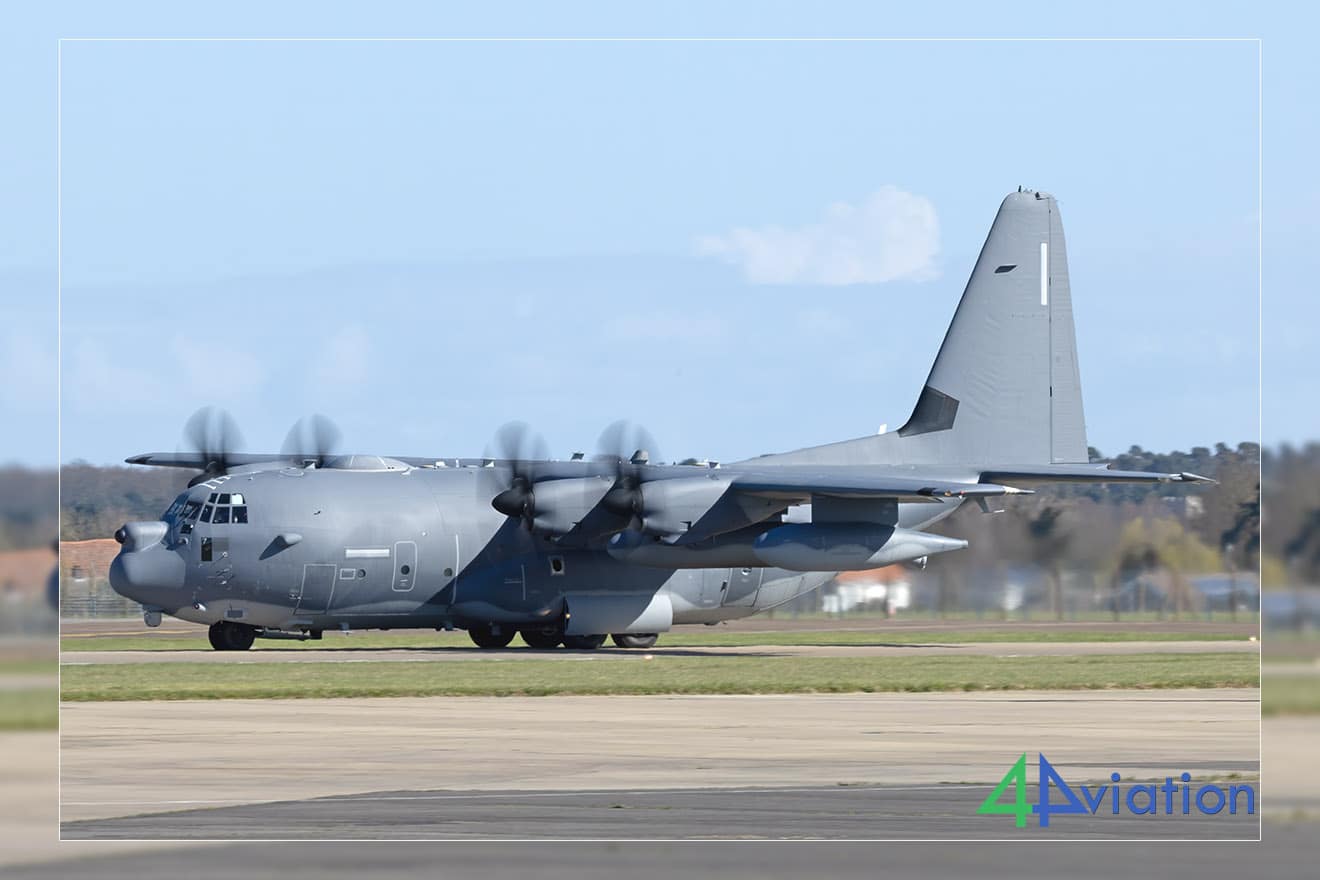
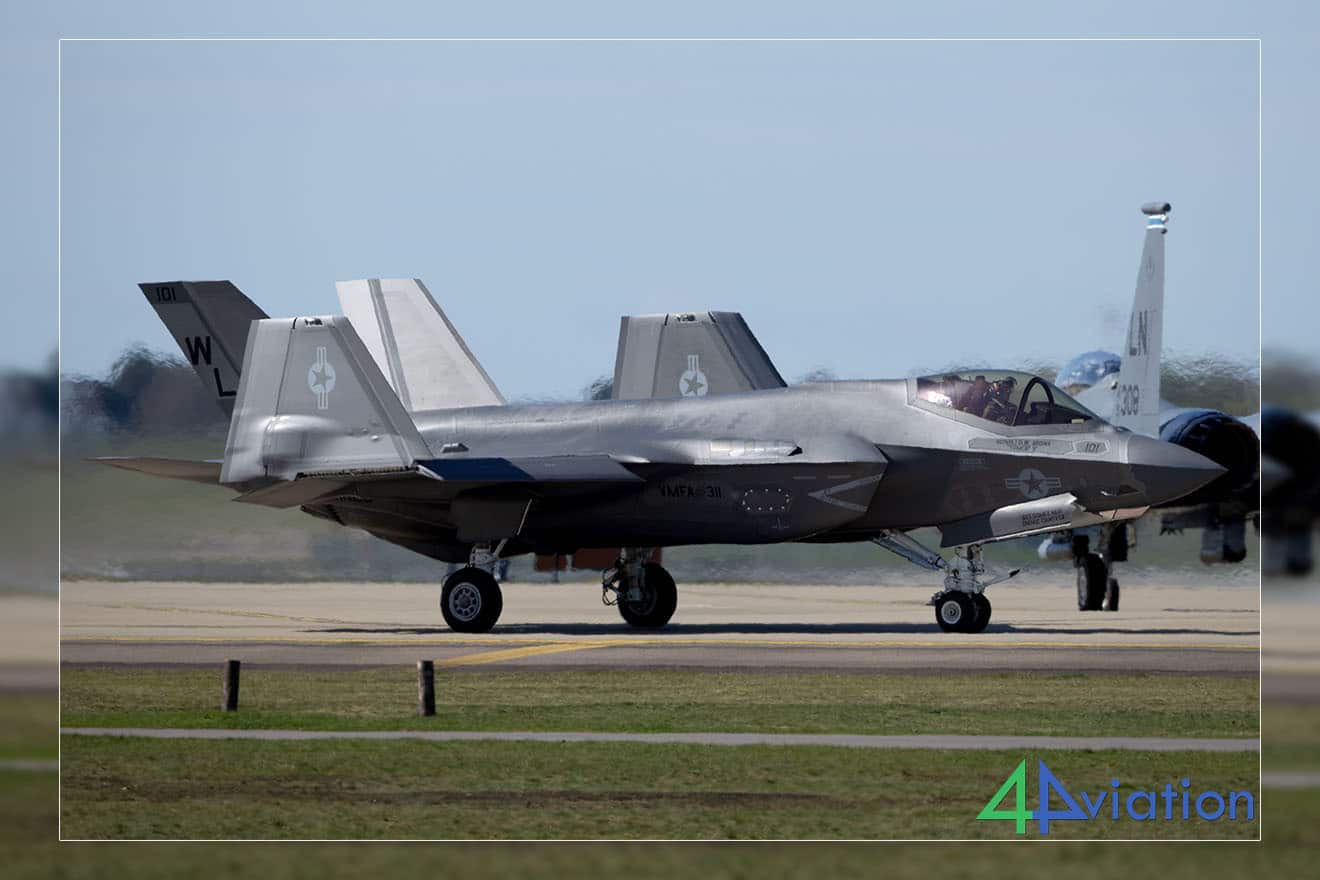
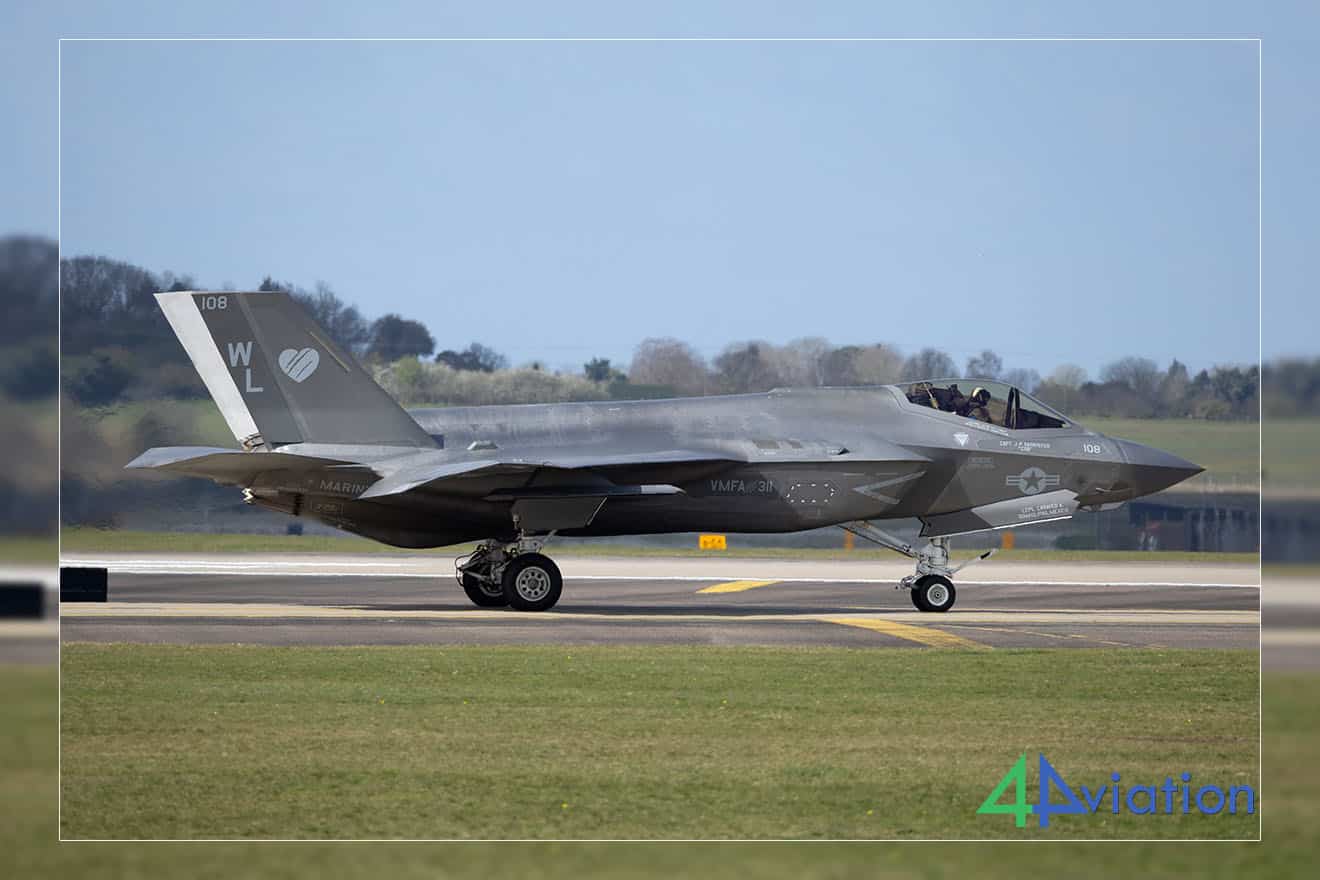
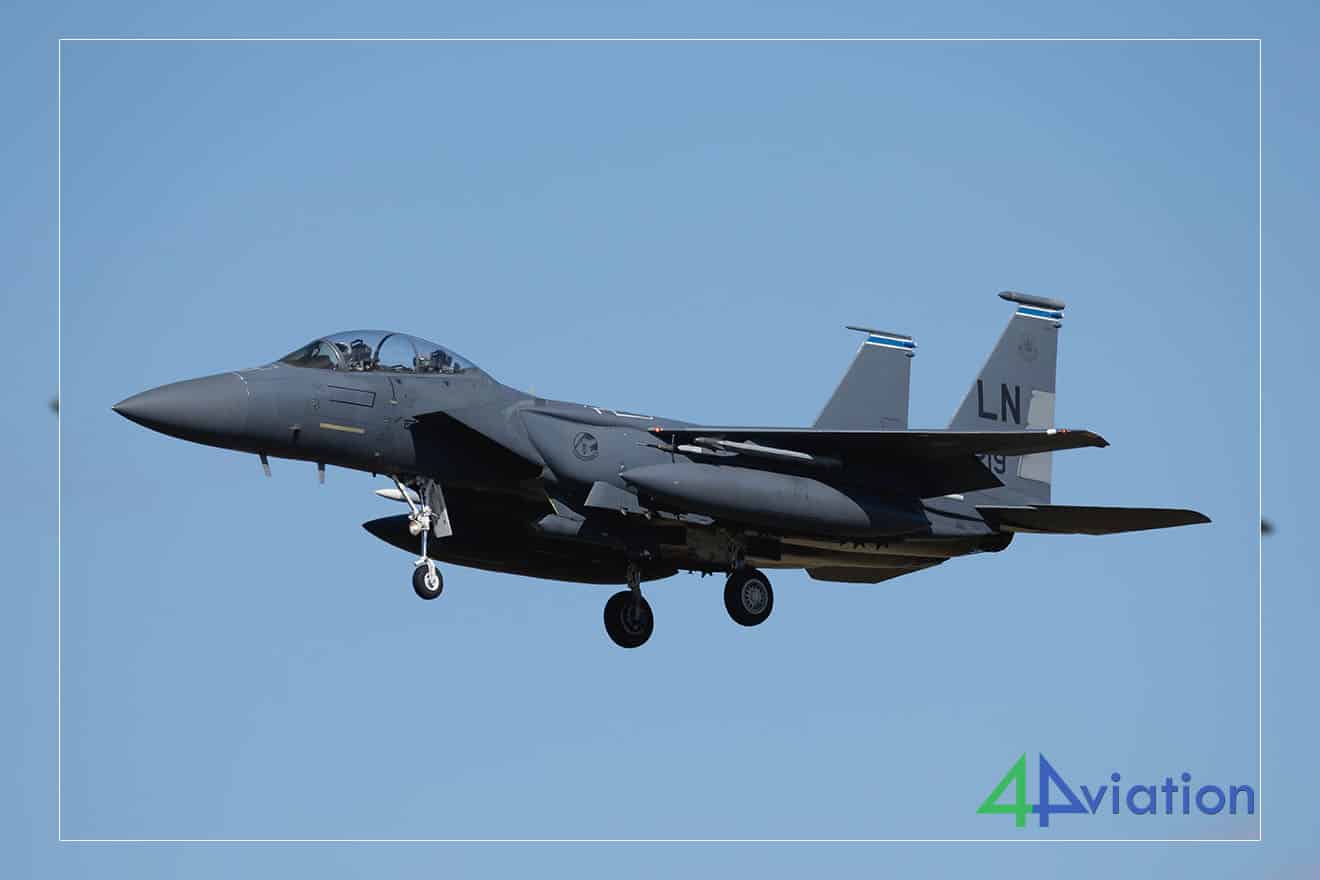
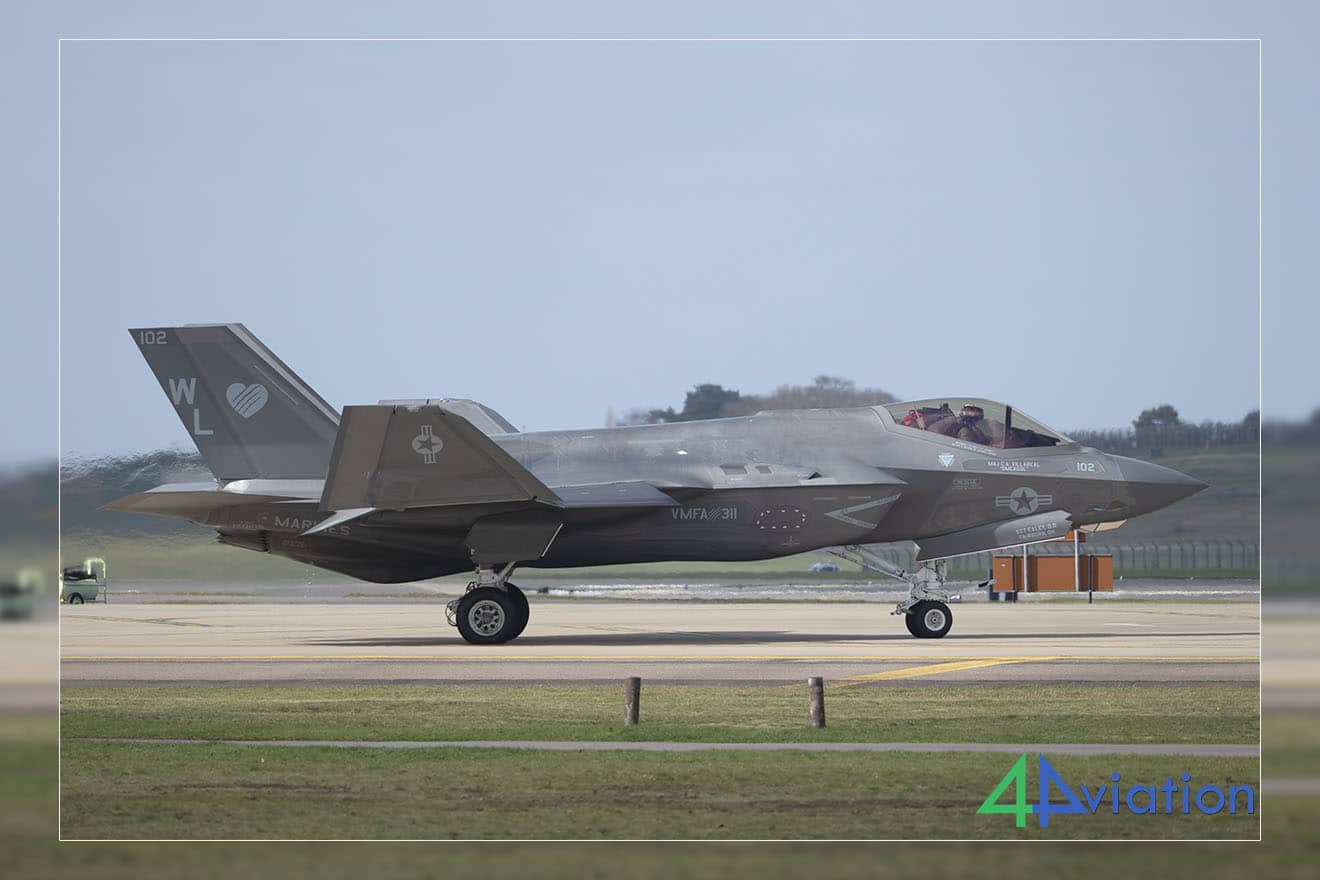
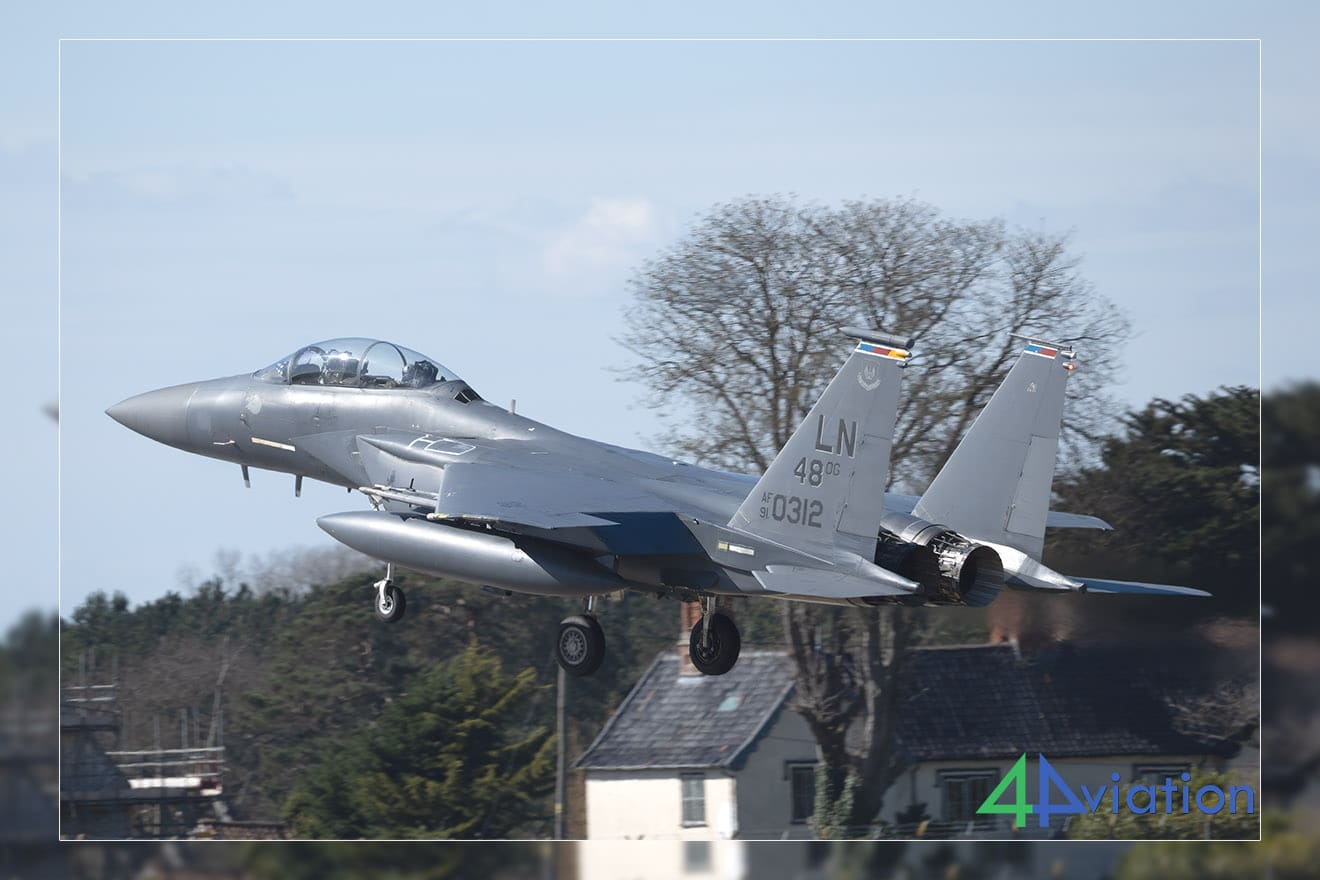
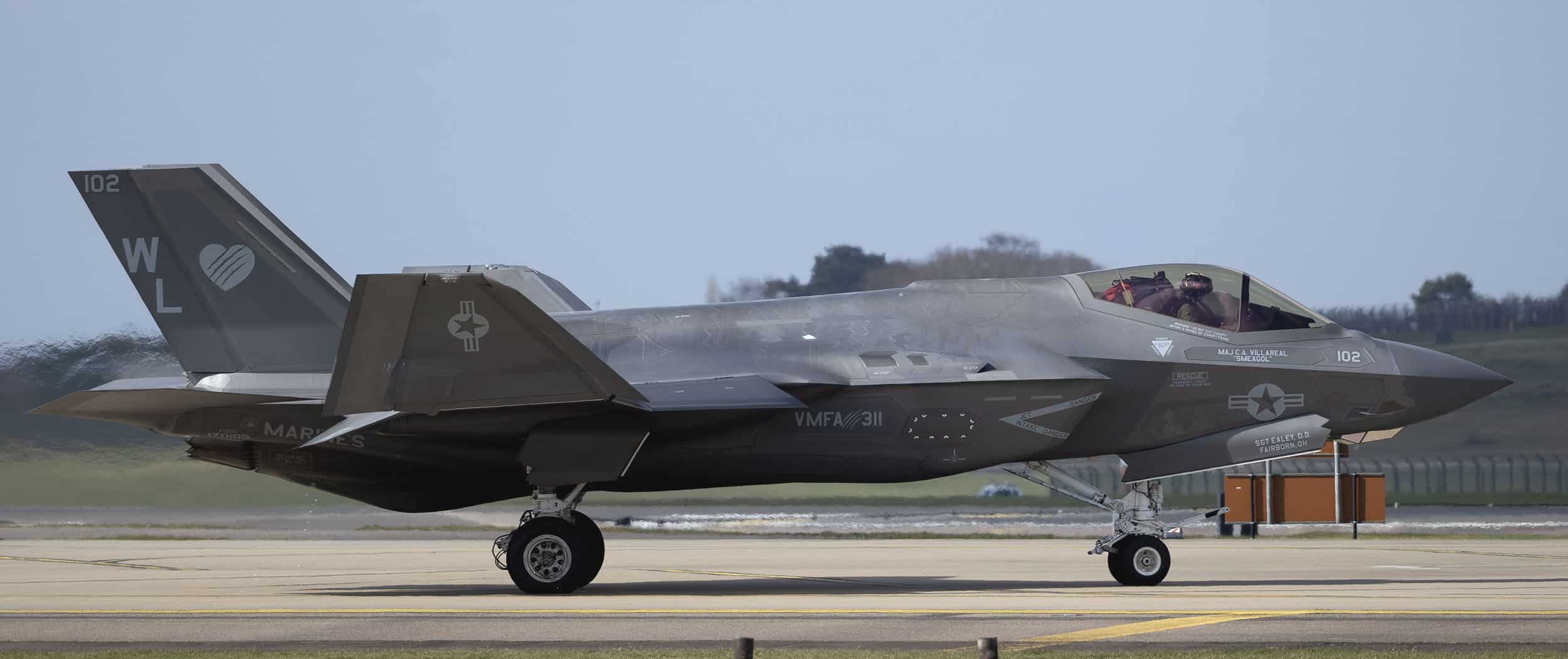
After one final wave towards Waddington we first stopped at RAF Mildenhall, where two MC-130Js fitted with the latest modifications departed. Shortly afterwards we arrived at Lakenheath just in time to see several local F-15Es launch, followed by the four F-35Cs. Three local F-35As returned soon after, ensuring there was constantly something to see, hear or photograph.
Despite three of the four squadrons being deployed to the Middle East, the base still generated respectable flying activity — admittedly nowhere near normal levels, but certainly enough to keep everyone entertained.
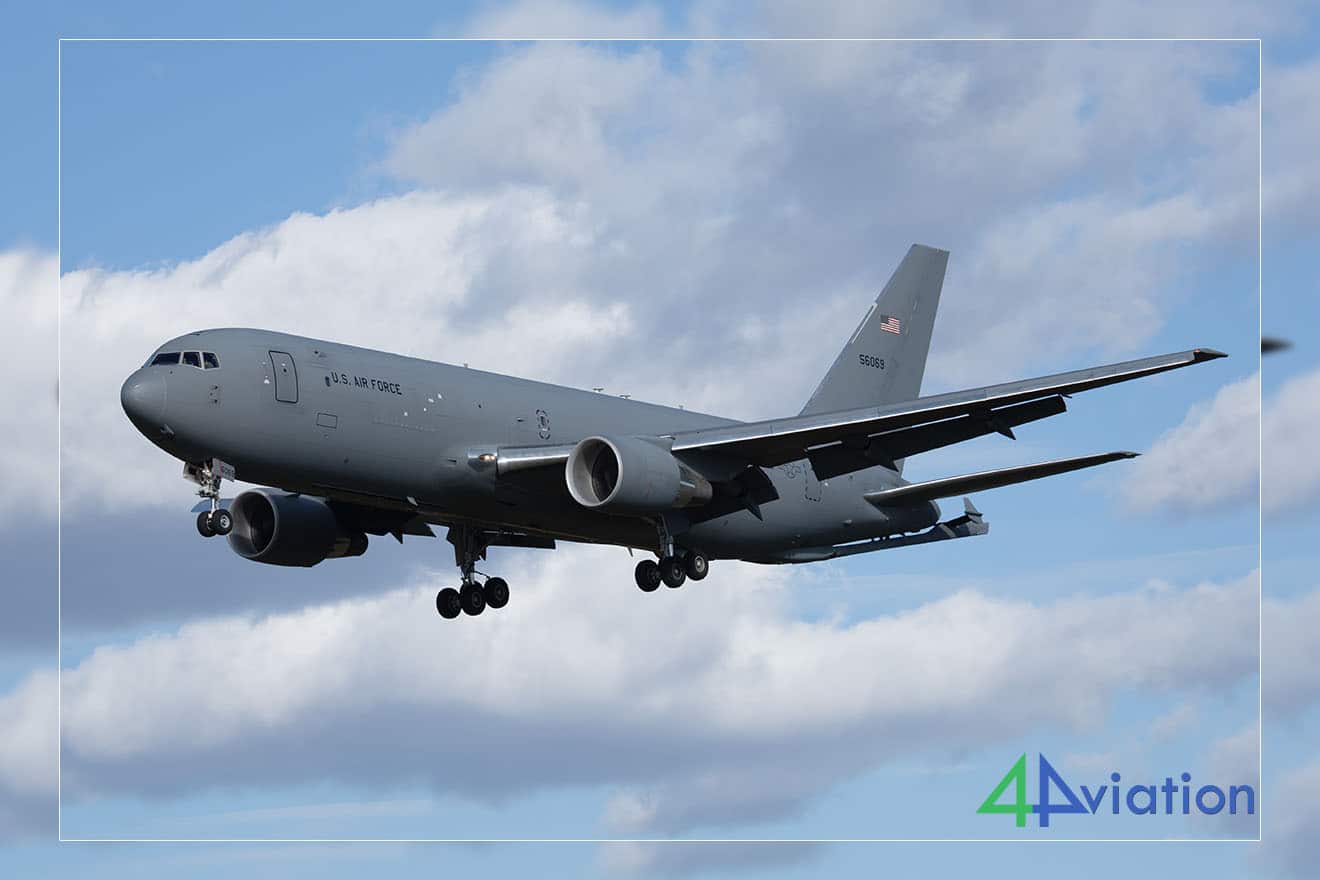
Early in the afternoon four F-22As departed and, after they returned, we headed back to Mildenhall where tankers supporting the bombers were recovering alongside additional aircraft including a C-17 and a KC-46.
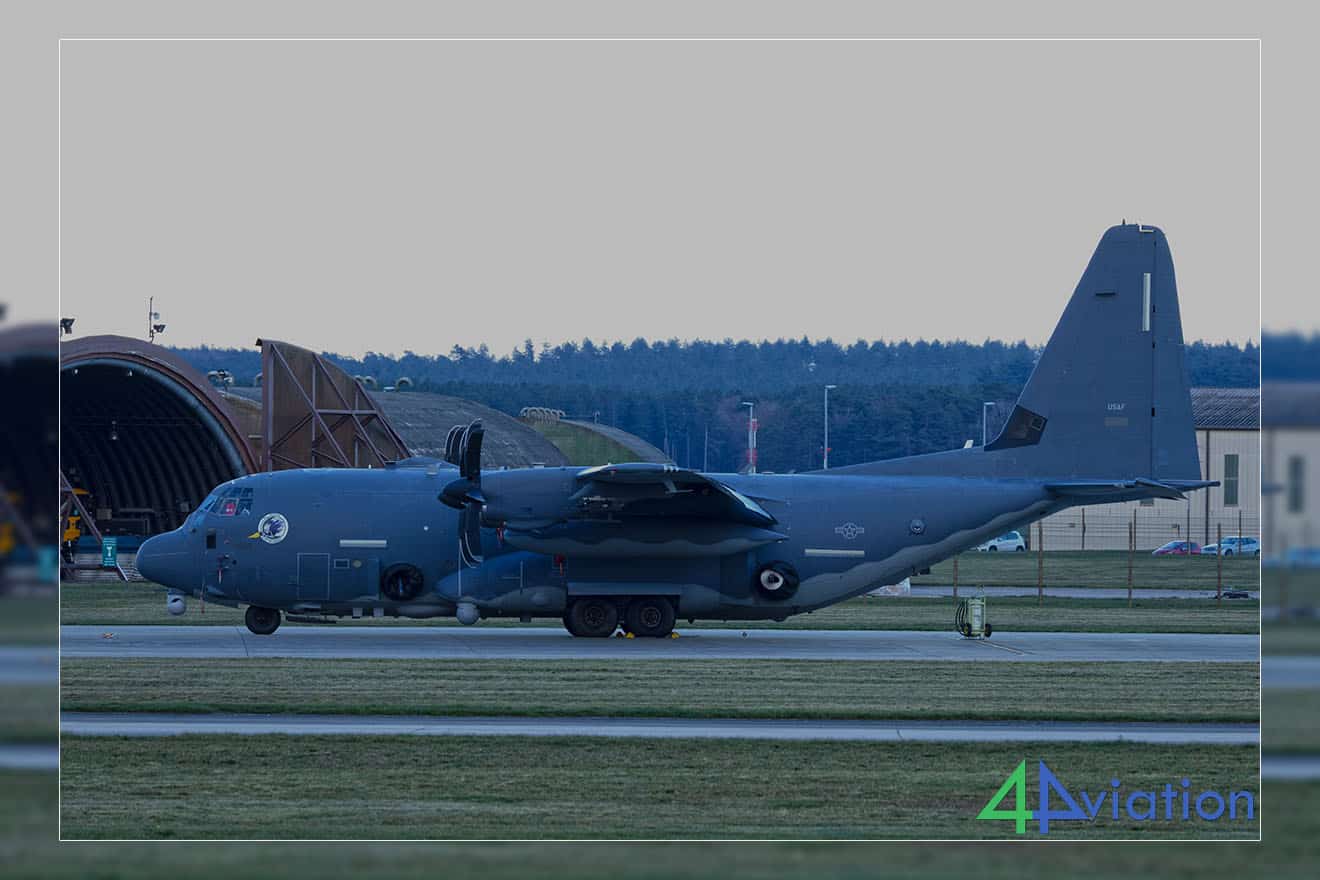
A full drive around the airfield revealed even more tanker movements and, on the 67th SOS ramp, a row of five unmarked visiting MC-130Js.
Still the day was not over.
As the sun shifted around the runway, we returned once more to Lakenheath where lighting conditions now perfectly illuminated two of the three AC-130Js, while also giving us an excellent view of the impressive line-up of twelve F-22s.
An absolutely superb day, with everyone thoroughly delighted.
Naturally, the only fitting conclusion was dinner and drinks at our favourite pub in Mildenhall, recently refurbished and looking better than ever.
Museums, Surprises and a New Plan
As expected, Friday, 27 March 2026, brought no “normal” flying activity at the American bases, although operations related to Iran continued.
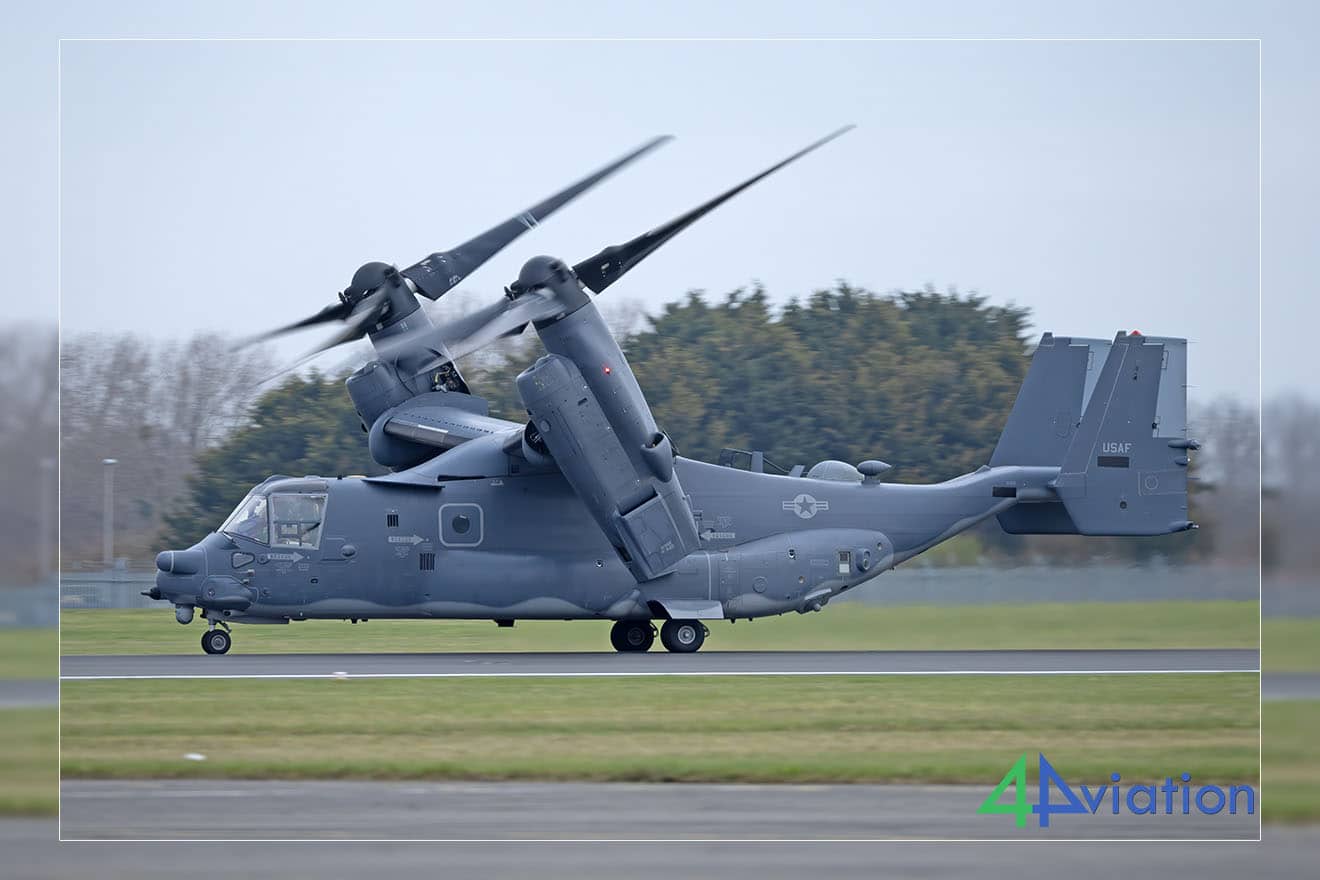
We still began the morning at RAF Mildenhall, where we caught the final departing CV-22B heading towards the Middle East. Overnight numerous additional tankers had arrived, so another perimeter tour produced yet more interesting photographs.
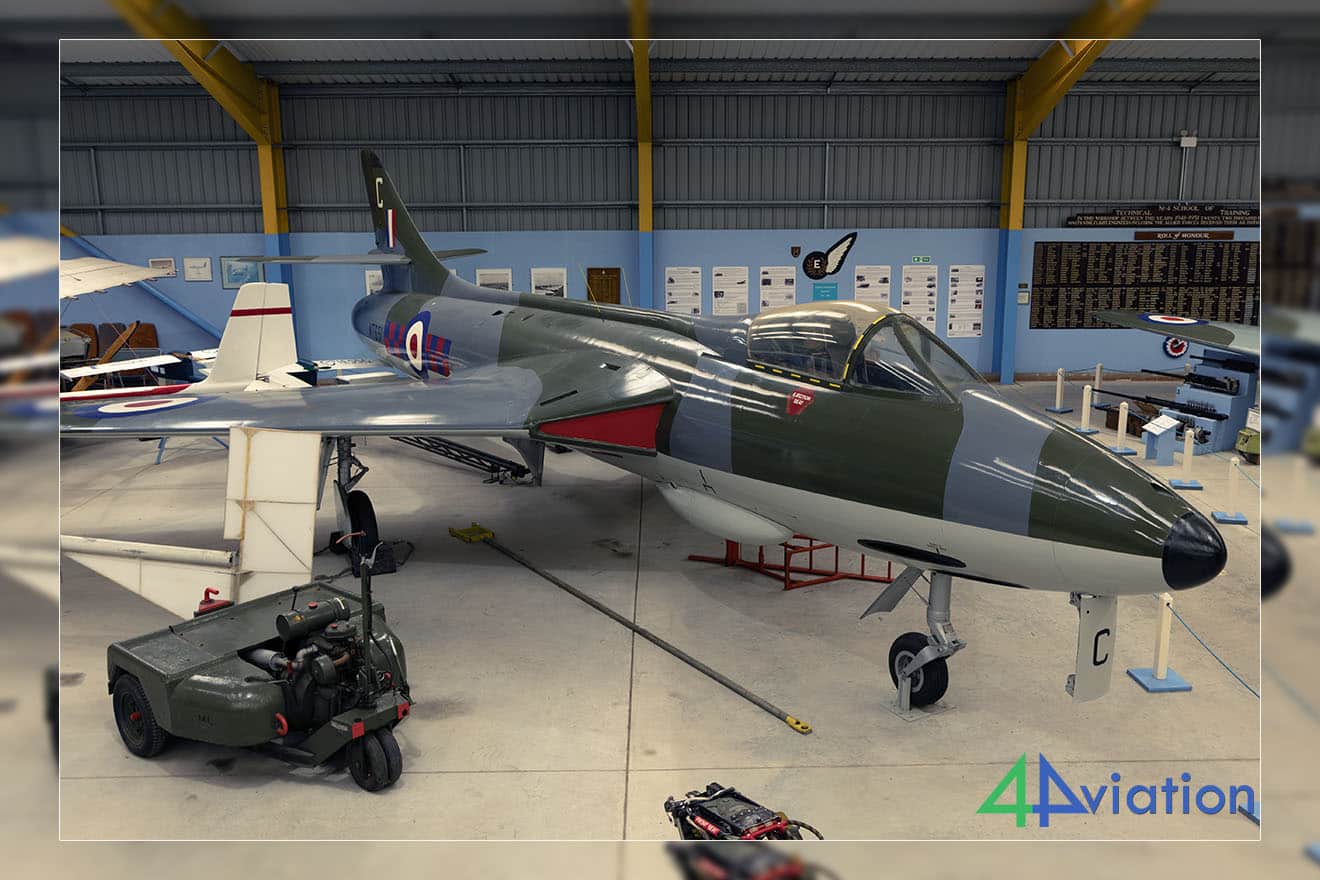
The excellent Newark Air Museum had long been high on everyone’s wish list, making it the obvious next stop. Along the way we revisited Fleet Hargate where we had spotted a roadside Hawker Hunter the previous day, this time stopping properly for photos.
An hour later we arrived at Newark, a superb museum where both indoor and outdoor photography opportunities are outstanding. Many aircraft are beautifully restored and accompanied by informative displays, while restoration work continues on several others.
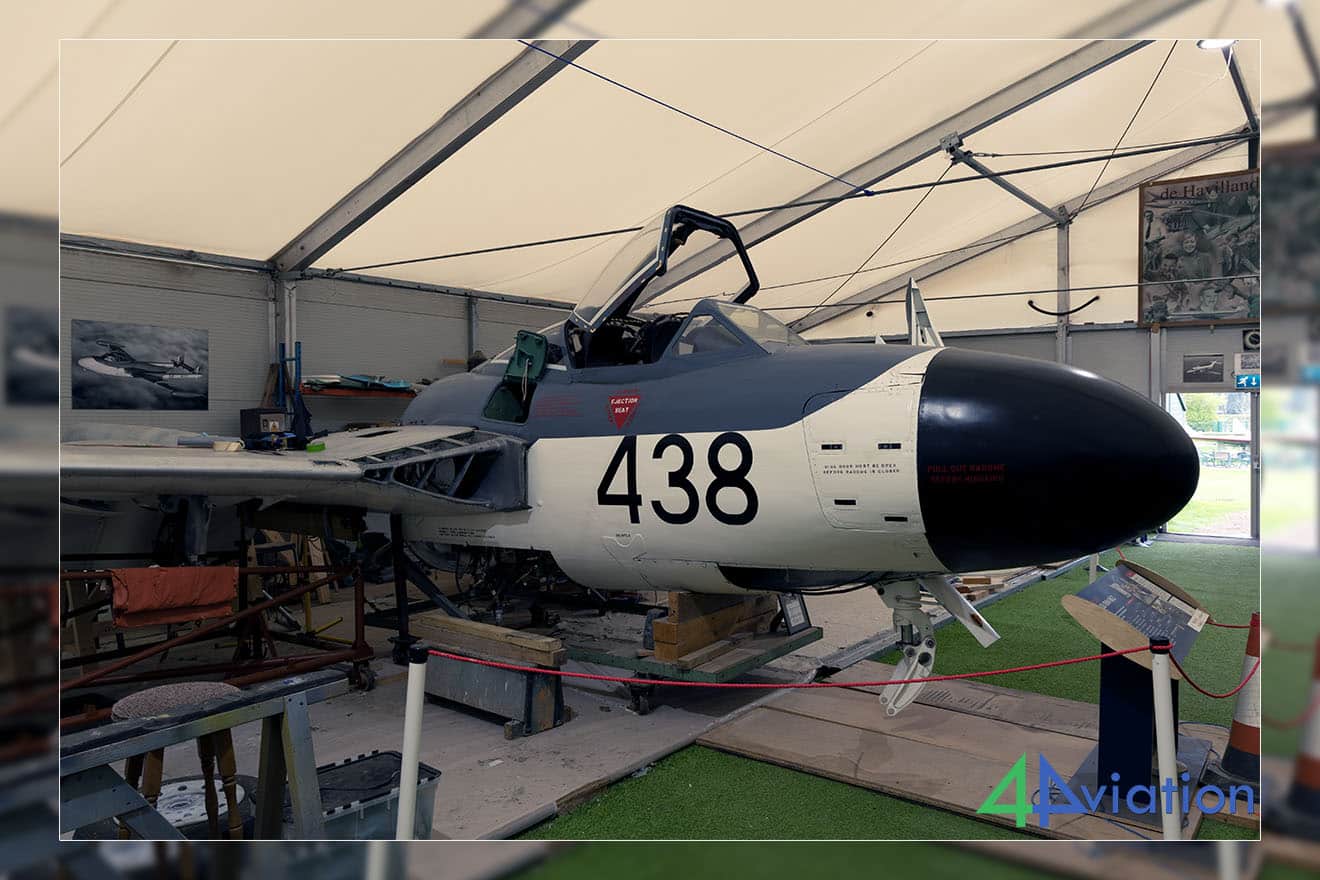
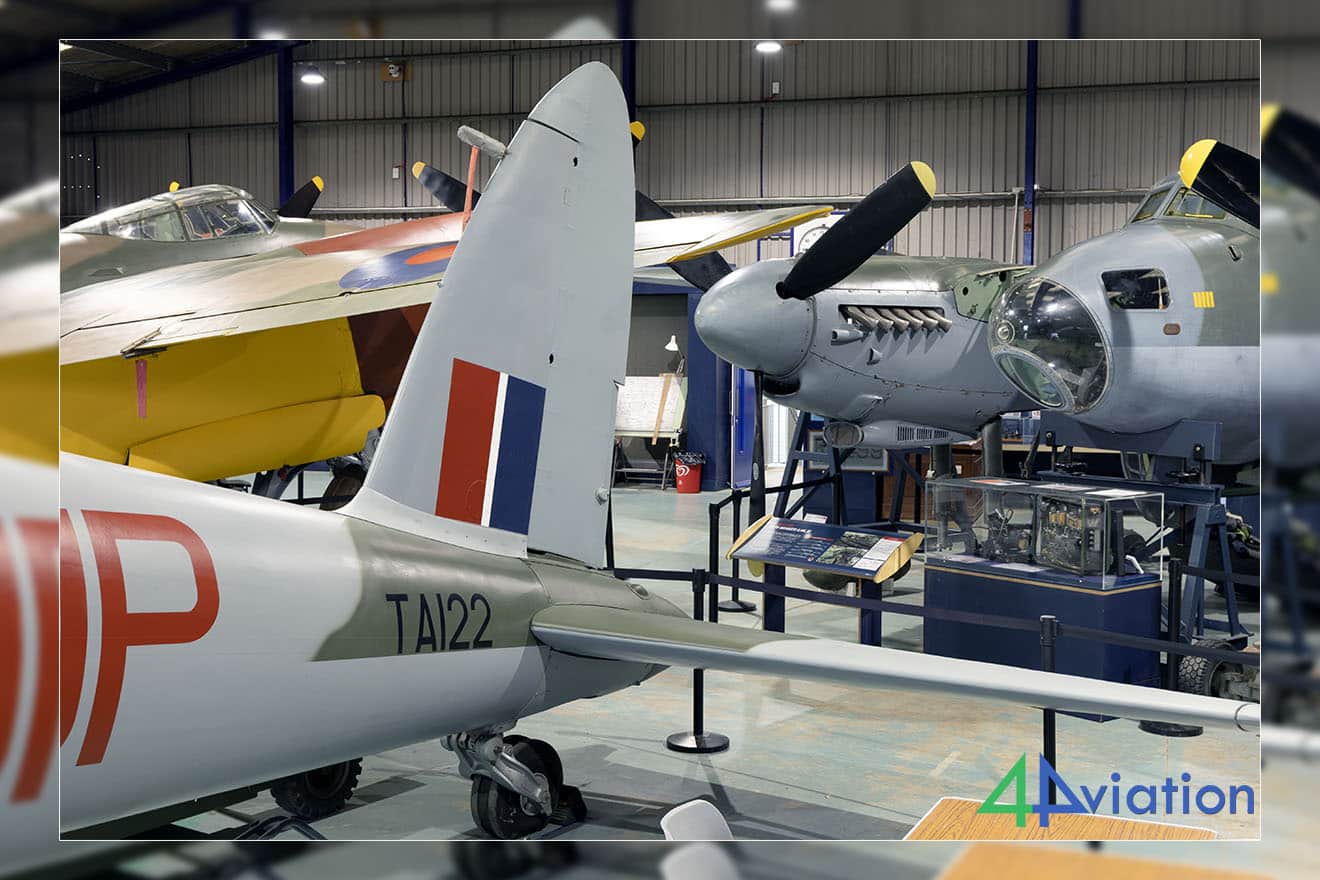
The second museum of the day was the lesser-known de Havilland Aircraft Museum. While smaller in scale, it houses an extraordinary trio of Mosquitos in immaculate condition, alongside various other de Havilland products and restoration projects awaiting further attention.
At 17:00 the museum closed and we set course for our final hotel of the tour in Maidstone in preparation for the following morning’s ferry home — at least, that had been the original plan.
During the drive, however, new information began filtering through. At 08:00 the remaining six USMC F-35Cs were expected to depart from Lakenheath. Then, at 11:00, the twelve Raptors were scheduled to launch, while several A-10s were anticipated to arrive around 18:00.
So what do you do with information like that?
Exactly: share it with the group and make a new plan together.
After arriving at the hotel, the tour leader produced a revised schedule outlining all available options, which was shared in the group chat before dinner discussions began. Everyone was highly enthusiastic about the F-35s and Raptors, though far less excited about waiting for the A-10s — understandable, given previous deployments had rarely arrived on schedule and evening light conditions would have been poor anyway.
The final plan was settled over dinner at the Thai restaurant around the corner.
One Last Early Start
The downside of the revised plan was obvious: Saturday, 28 March 2026, would require an extremely early departure.
Allowing for the two-hour drive plus a safety margin, we left at 05:00 and headed north once again. At “our” usual Greggs stop in Barton Mills we picked up breakfast rolls before arriving shortly after 07:00 at the forrest entrance near RAF Lakenheath.
And trust me — we were definitely not the first spotters there.
08:00 passed. Then 09:00. Nothing.
Eventually the scanners came alive, tankers began appearing on ADS-B over Mildenhall and shortly after 10:00 four F-35Cs finally departed. One aircraft from the second pair had gone tech, leaving the remaining two temporarily behind.
Interestingly, the departing four were not marshalled into the usual holding position, instead remaining parked facing directly towards the spectators. This provided significantly better photographic conditions and far less heat haze compared with Thursday’s departures.
The F-22 situation, however, remained completely quiet and eventually we decided to begin the journey home — though not before one final visit around RAF Mildenhall to document everything that had changed over the previous 24 hours.
From there it was straight to Calais for the slightly delayed 15:00 ferry crossing, roughly four hours later than originally planned.
Passengers were dropped off in reverse order at St Job in ’t Goor, Prinsenbeek and Arnhem, while the final participant was taken onwards to Düsseldorf where the minibus had originally been rented. Both the final participant and the tour leader arrived home around 01:00 on Sunday morning after yet another successful adventure.
True, we never actually witnessed Cobra Warrior 26/1 flying activity, and the weather was not always ideal. Yet in return we enjoyed an outstanding alternative programme which, according to every participant, turned out even better than the original plan.
And ultimately, that is exactly what it is all about.
The second edition of Cobra Warrior is scheduled for September — and, as things currently stand, it remains firmly on the programme.