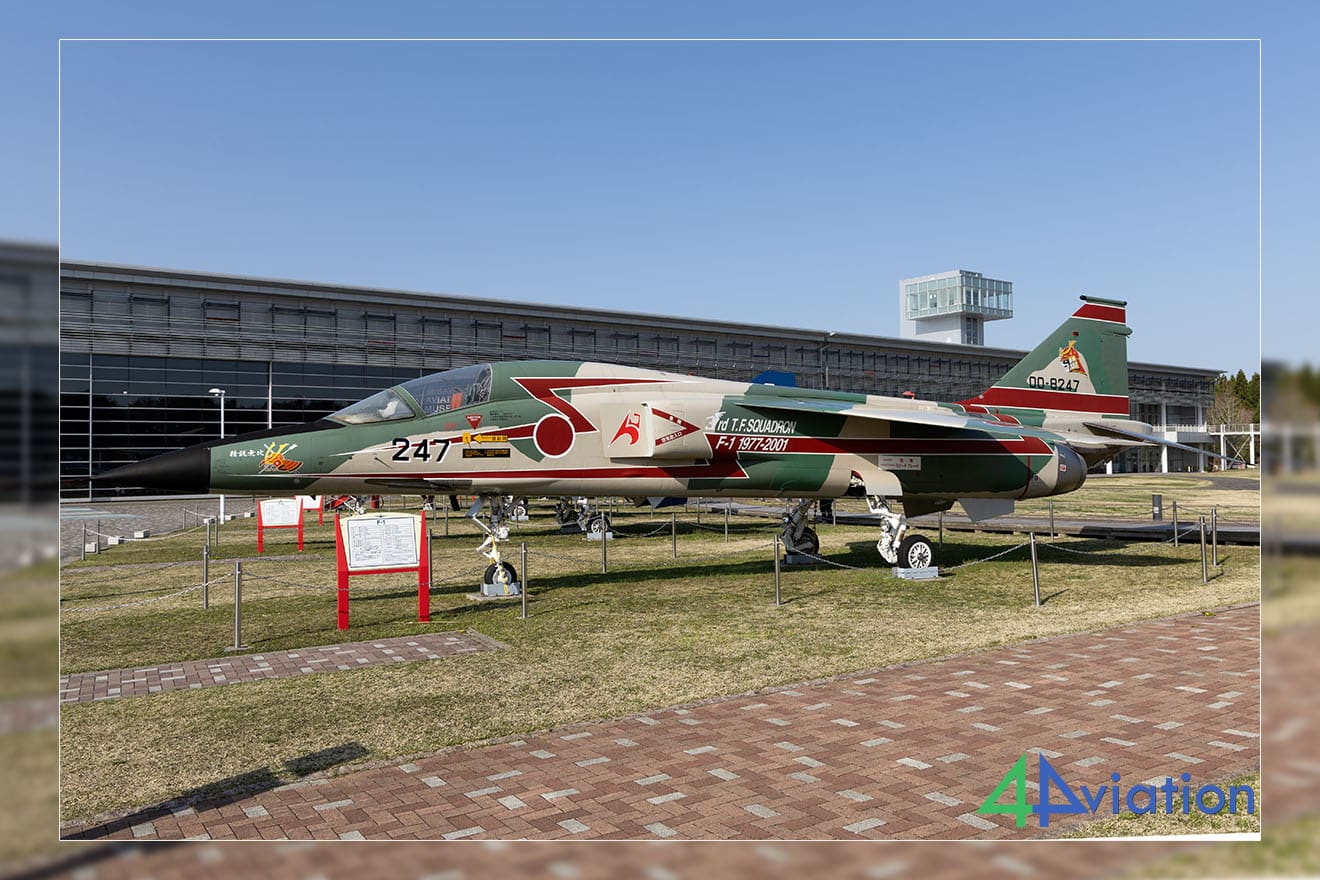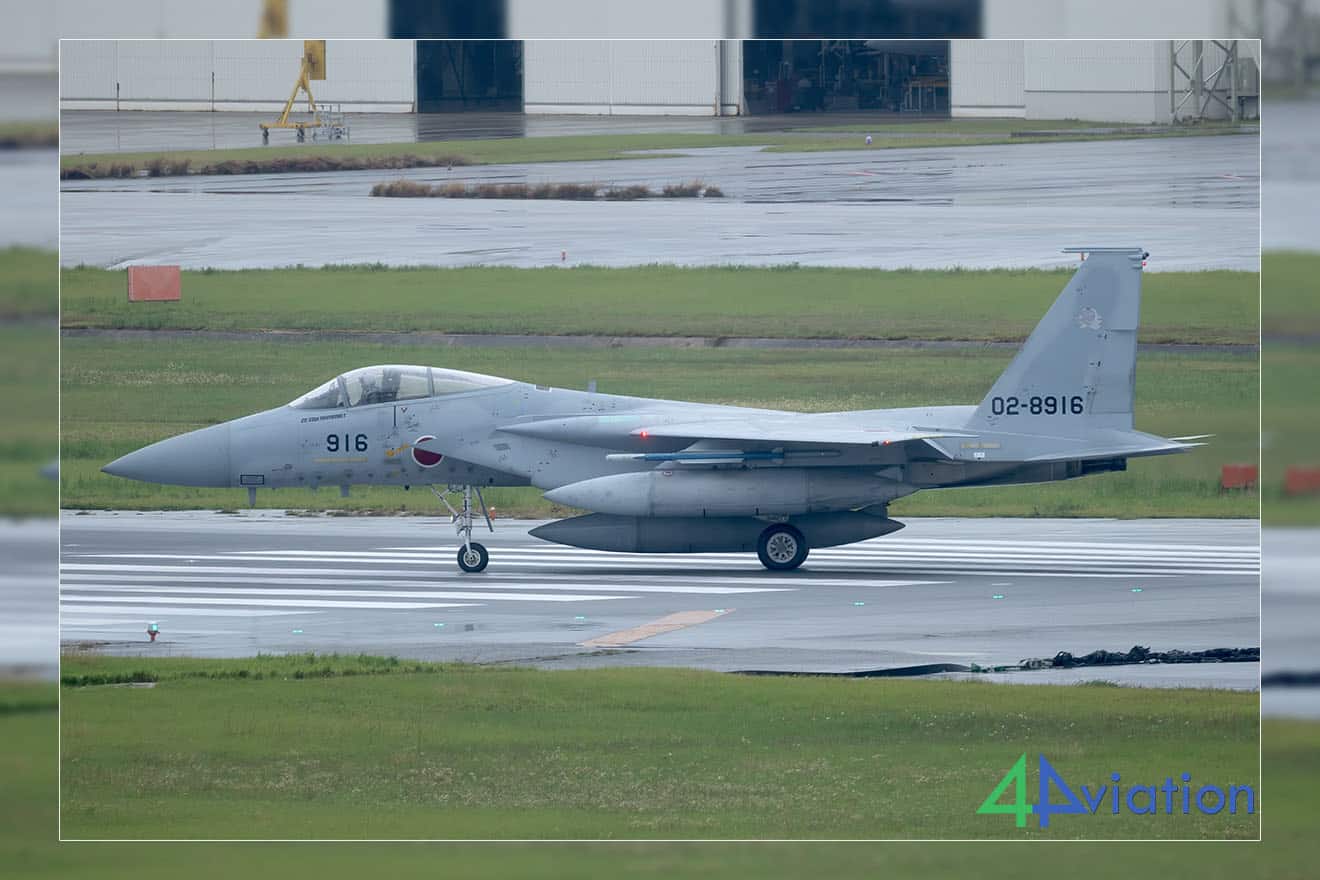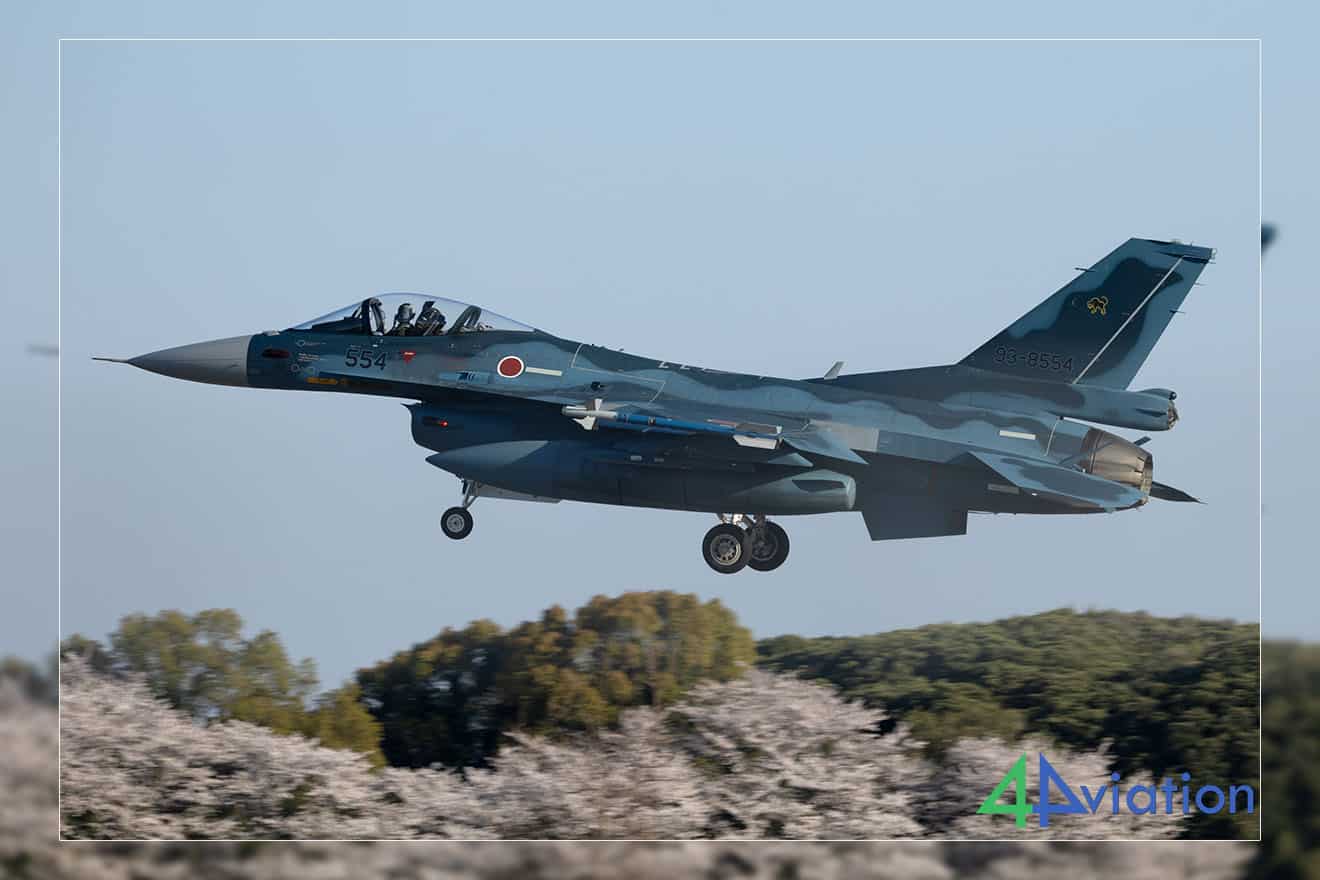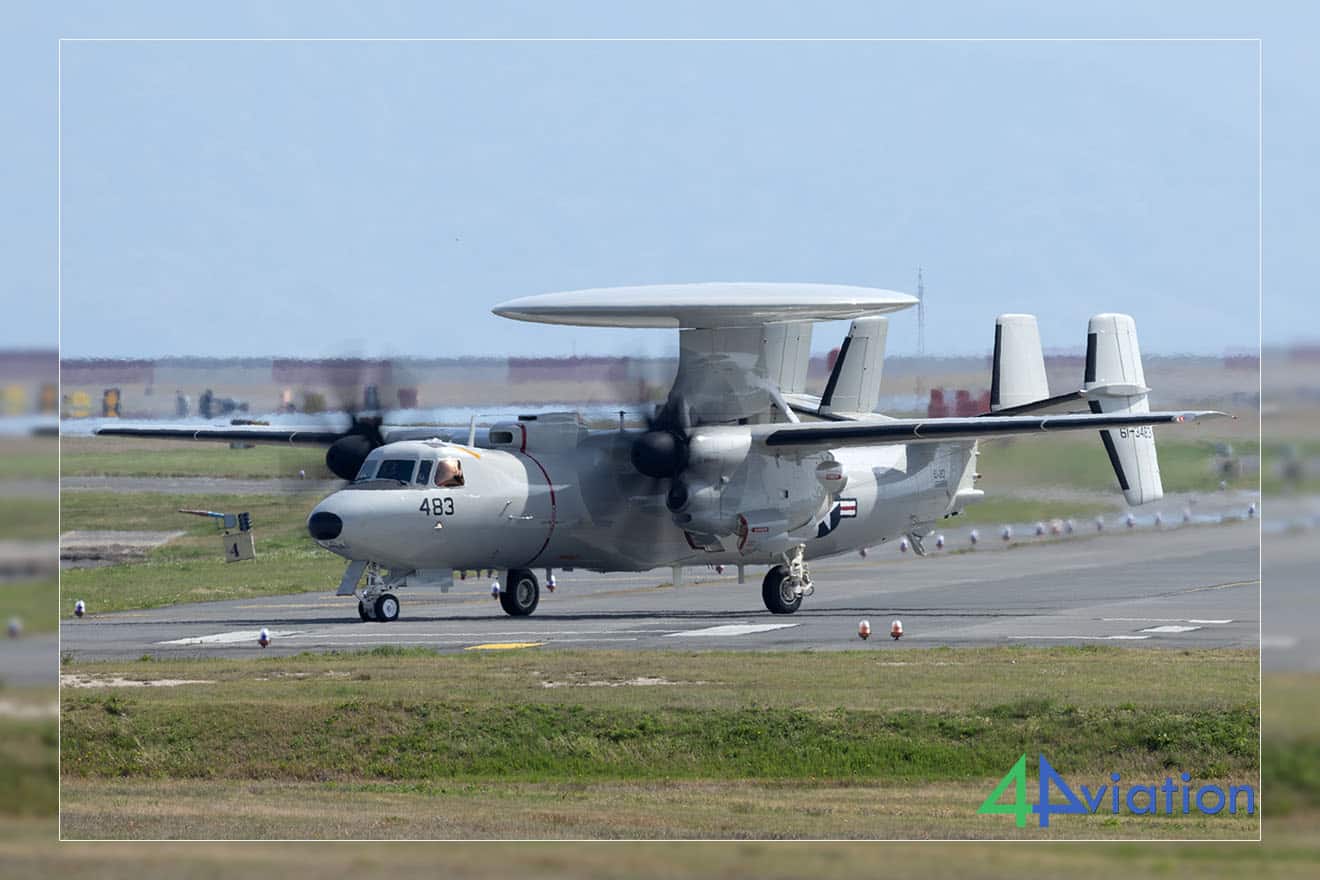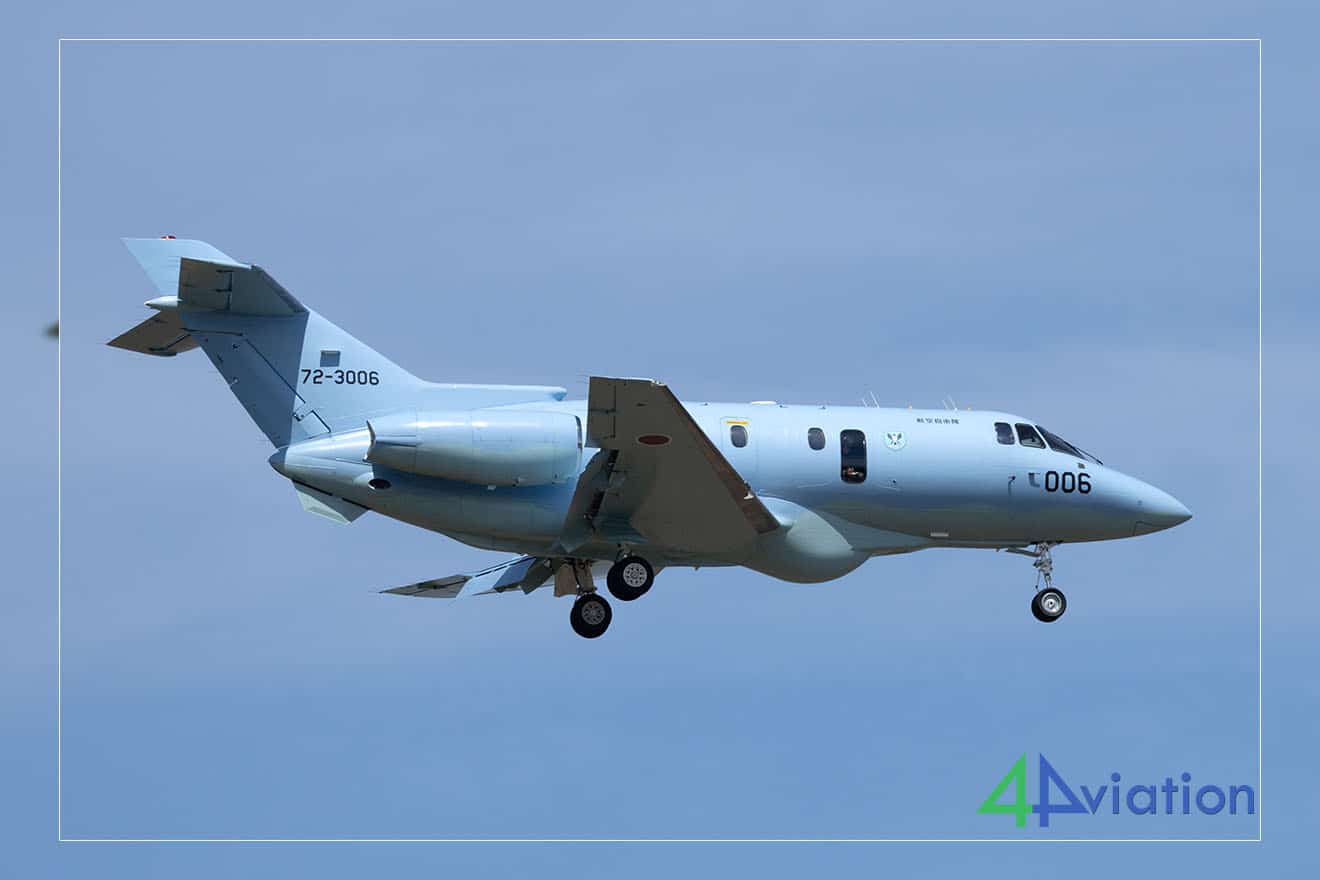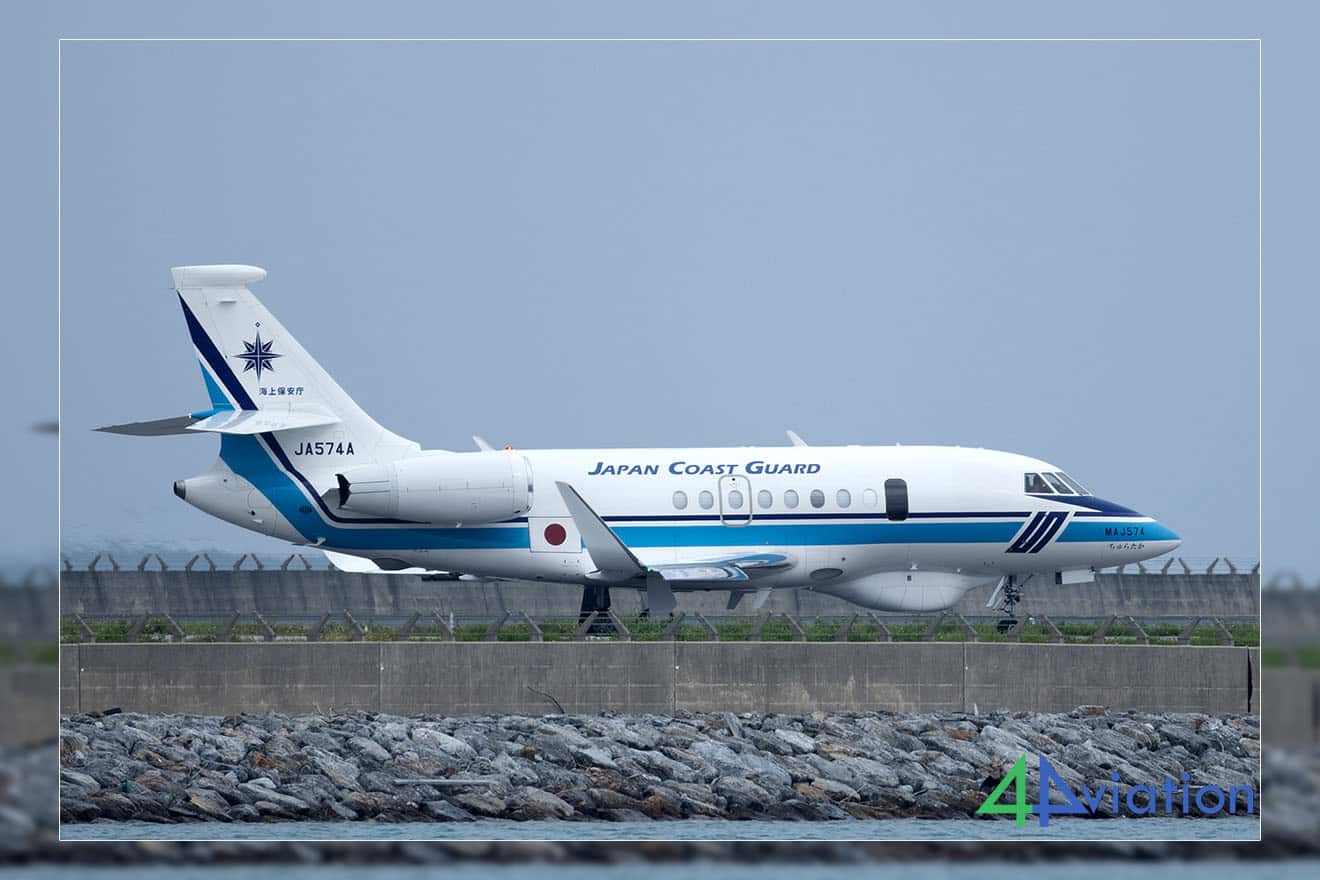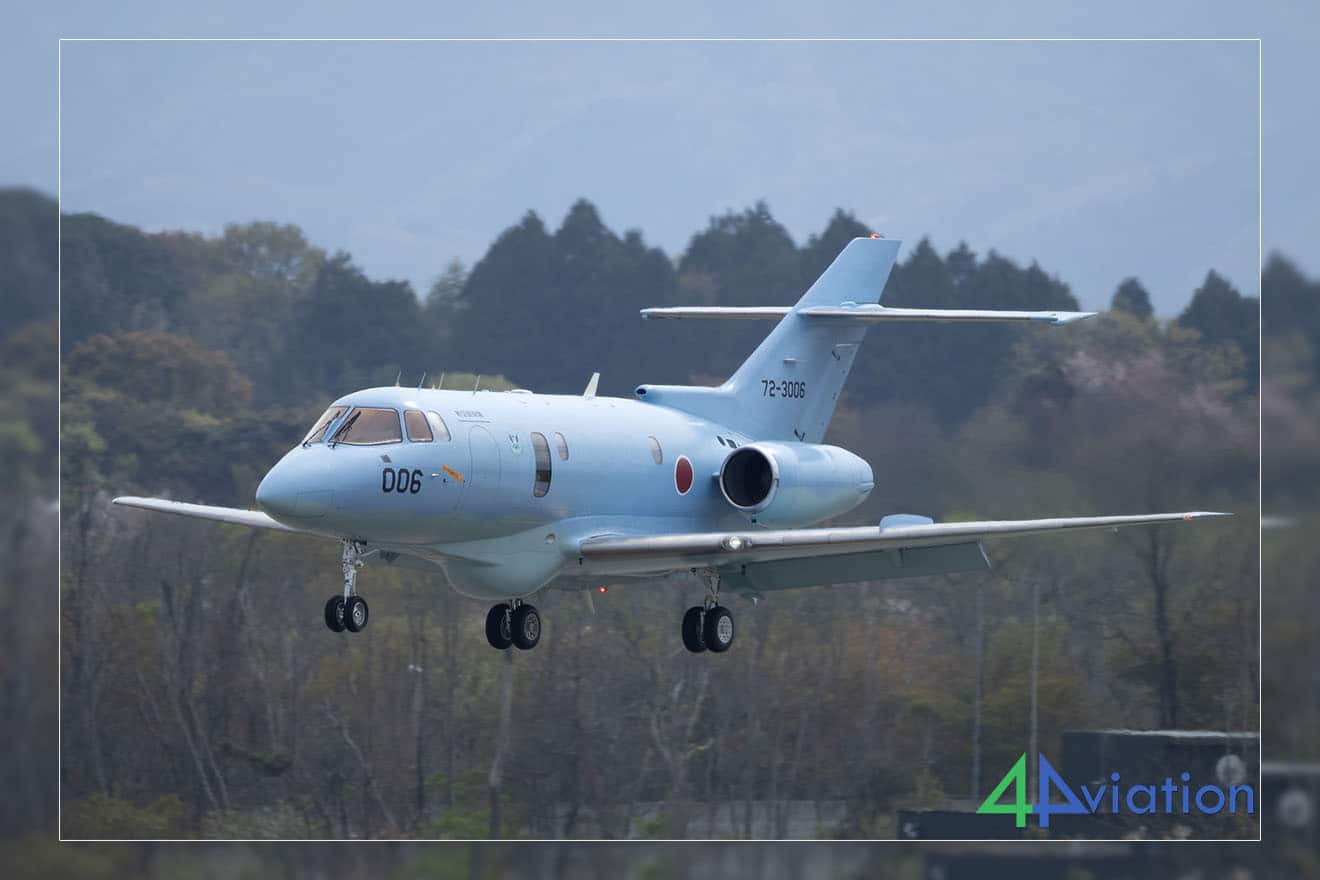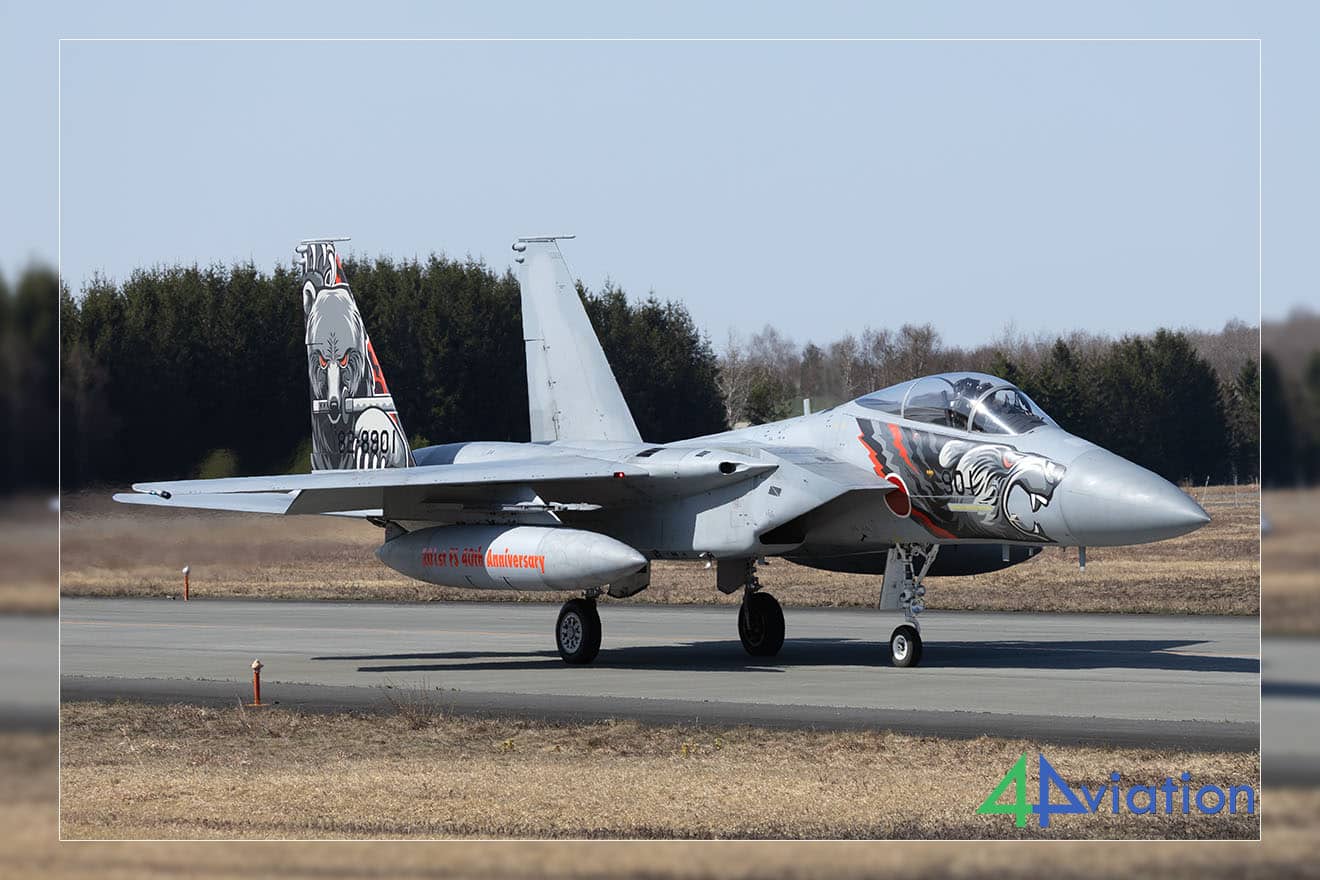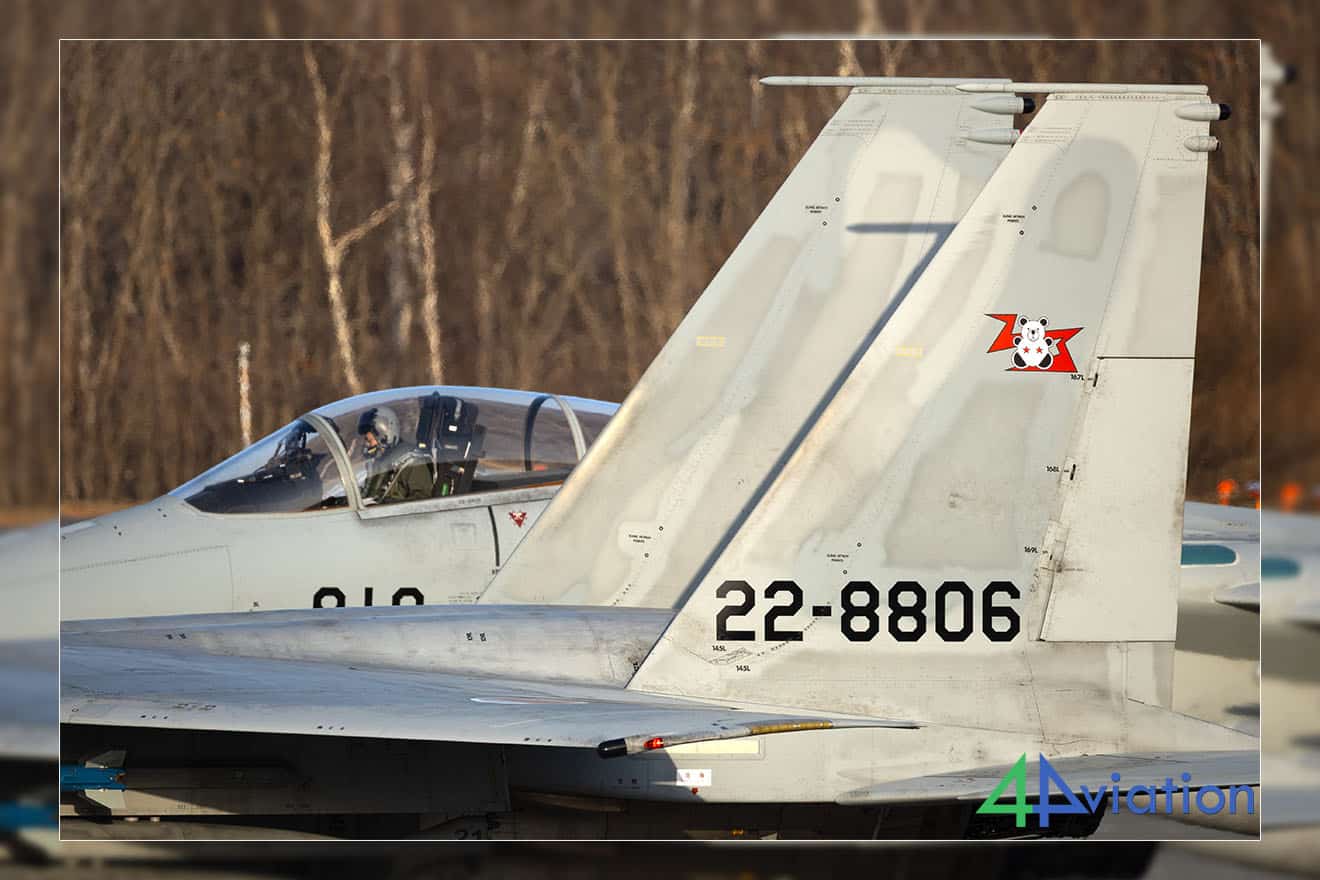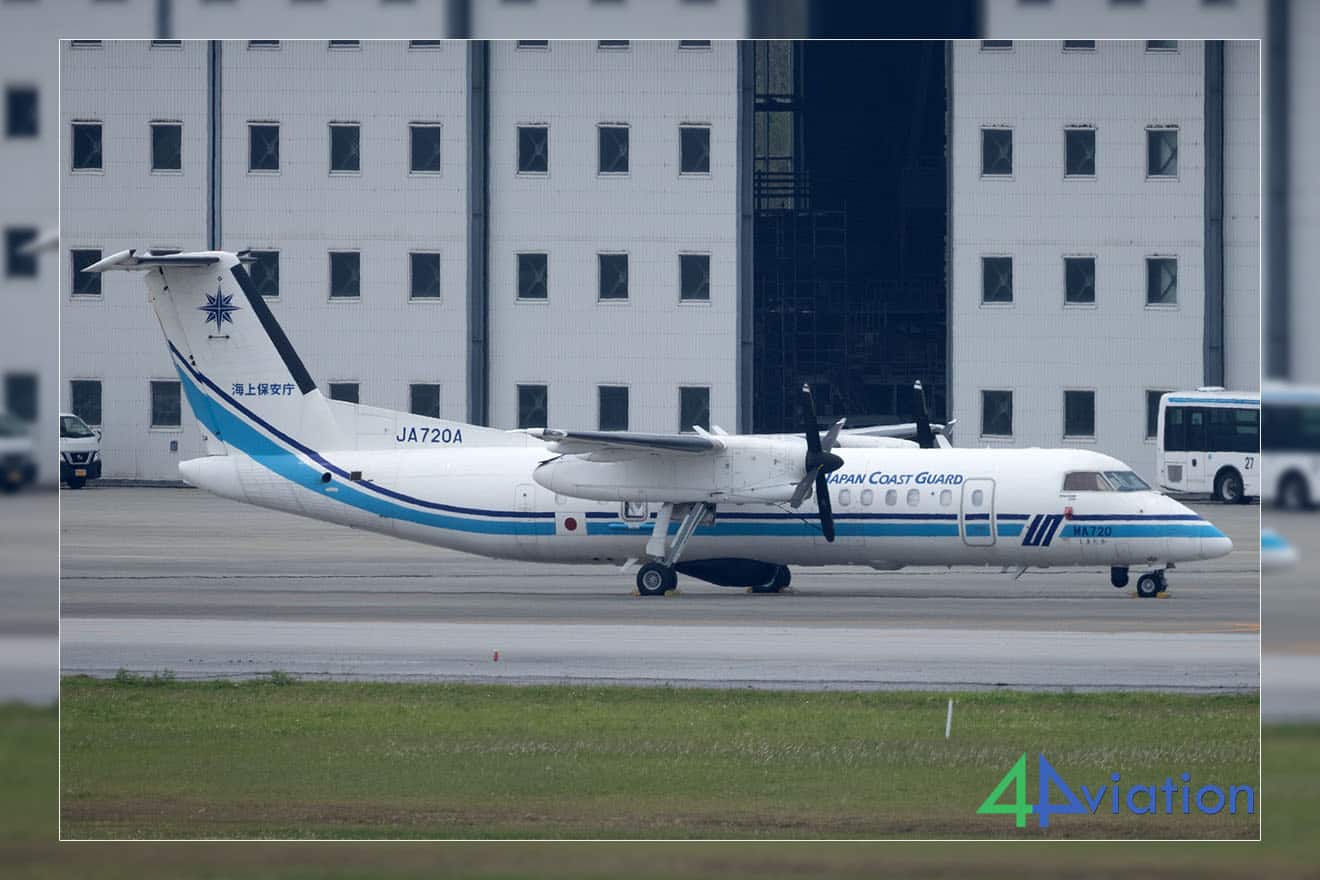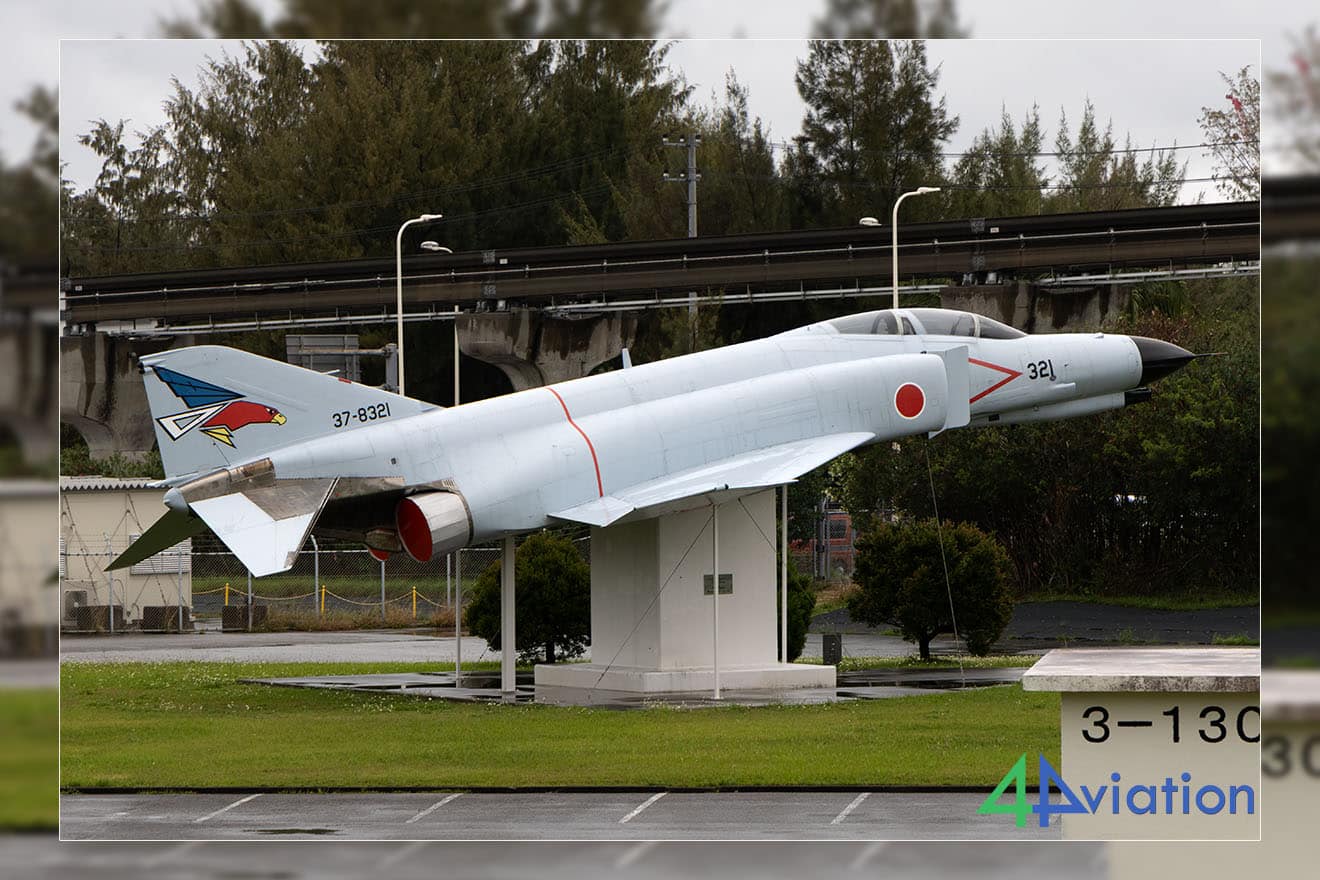
Japan 2026
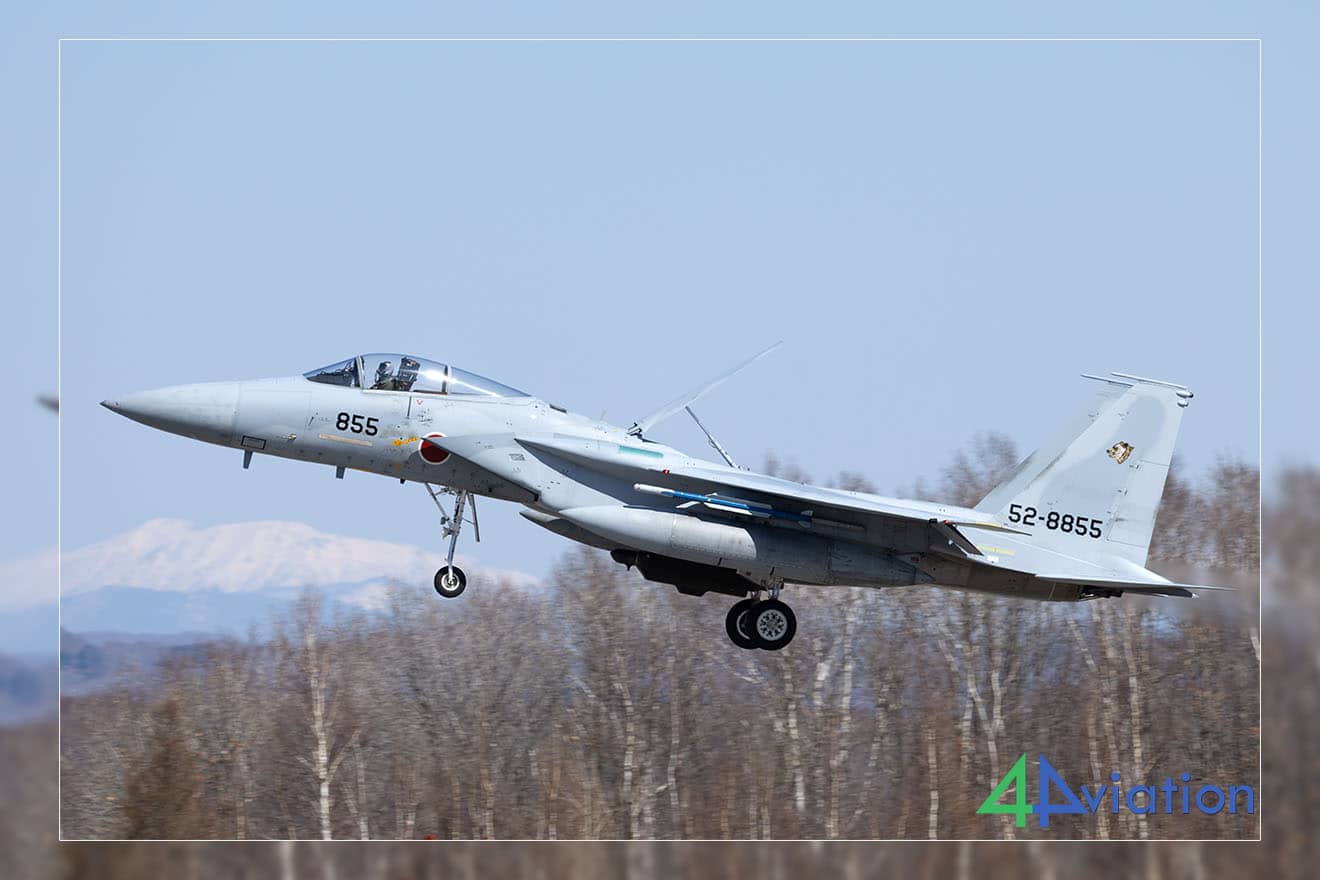
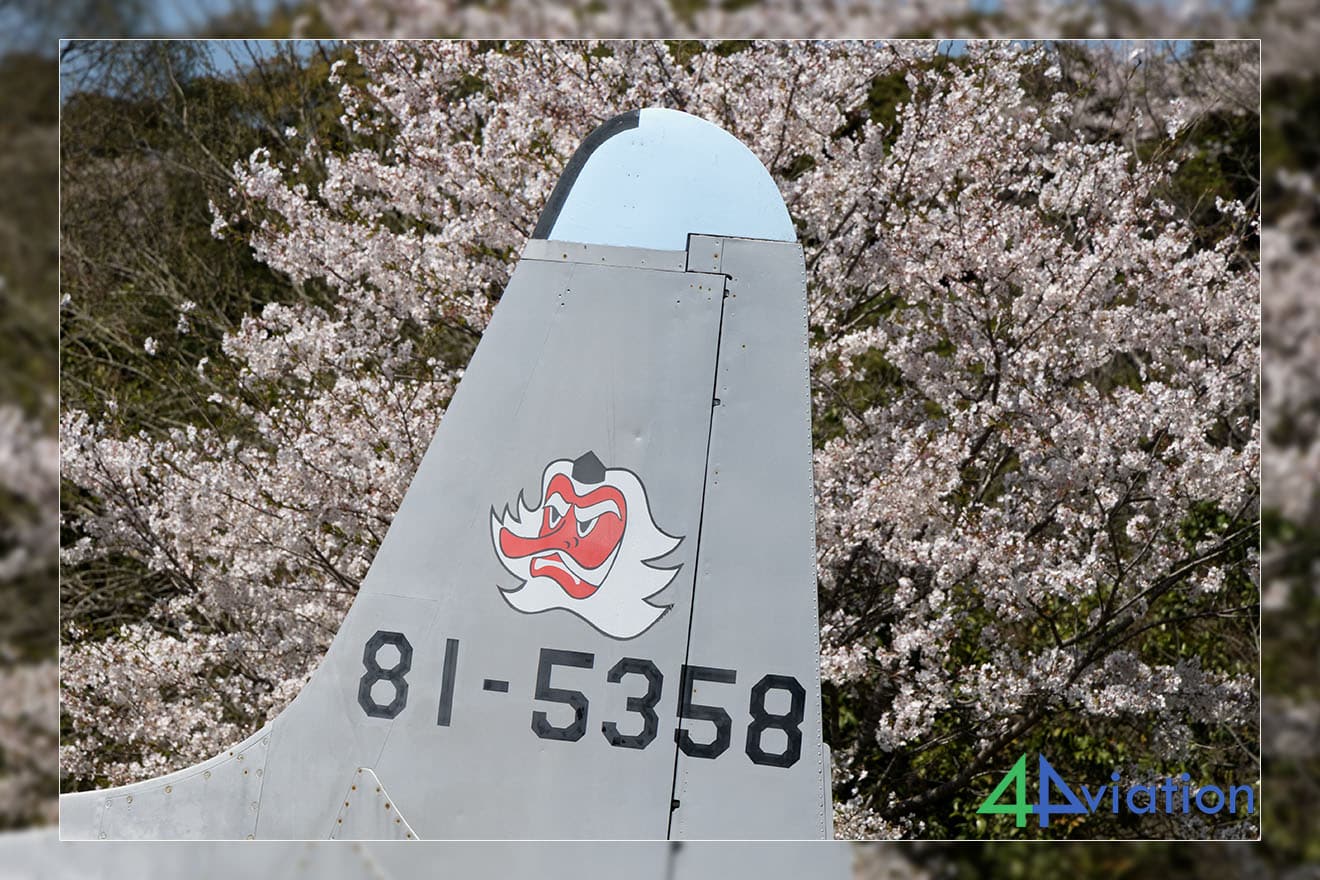
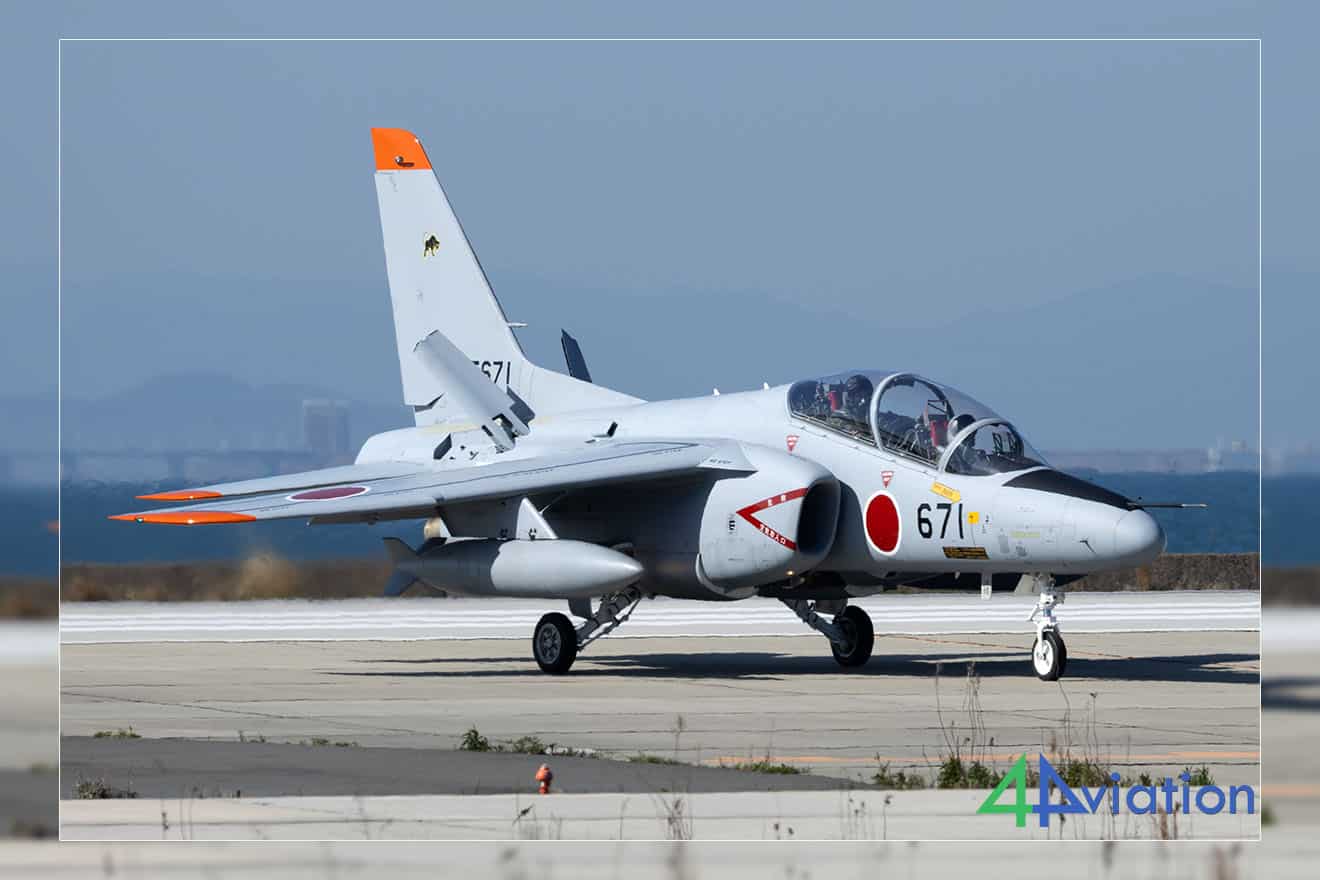
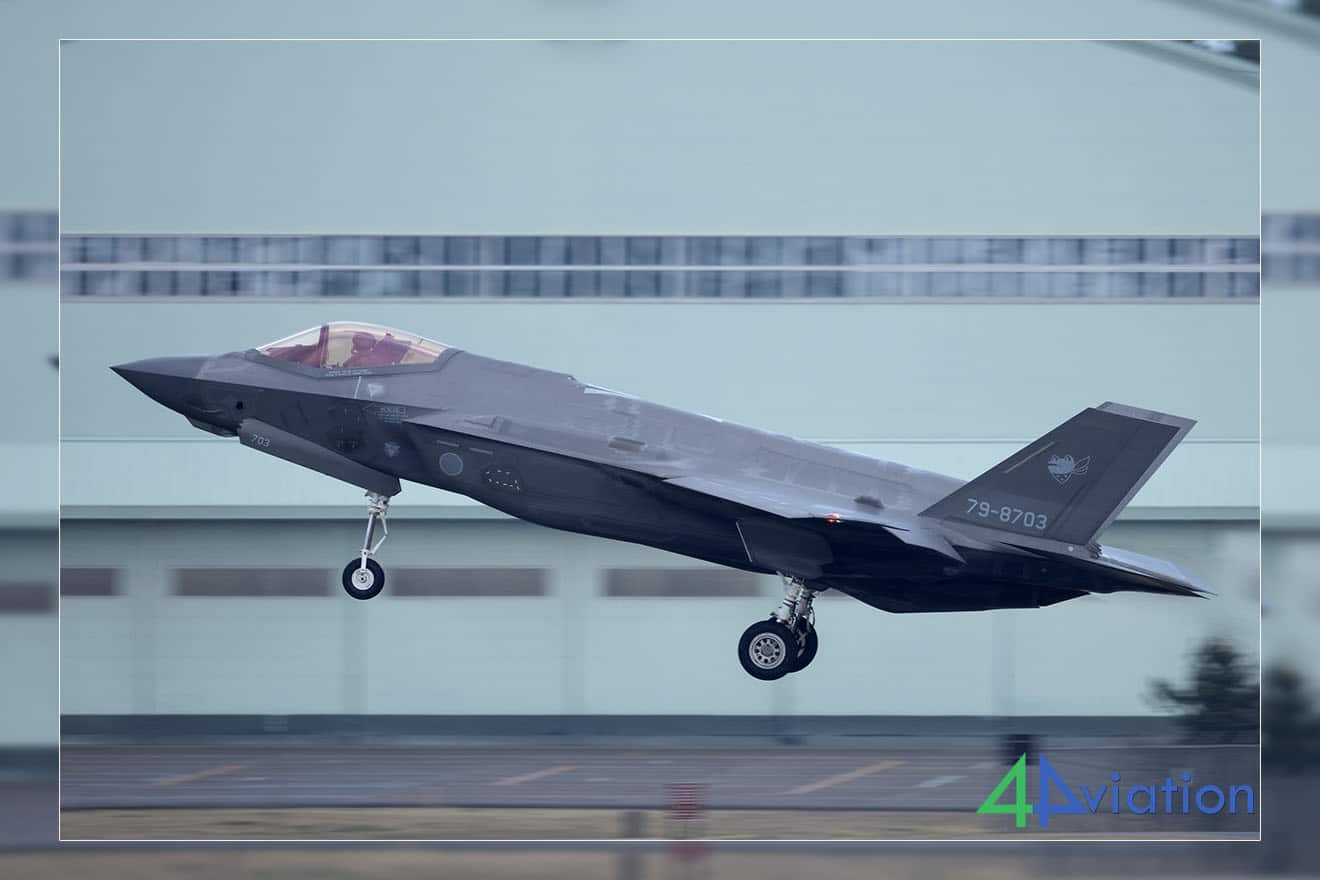
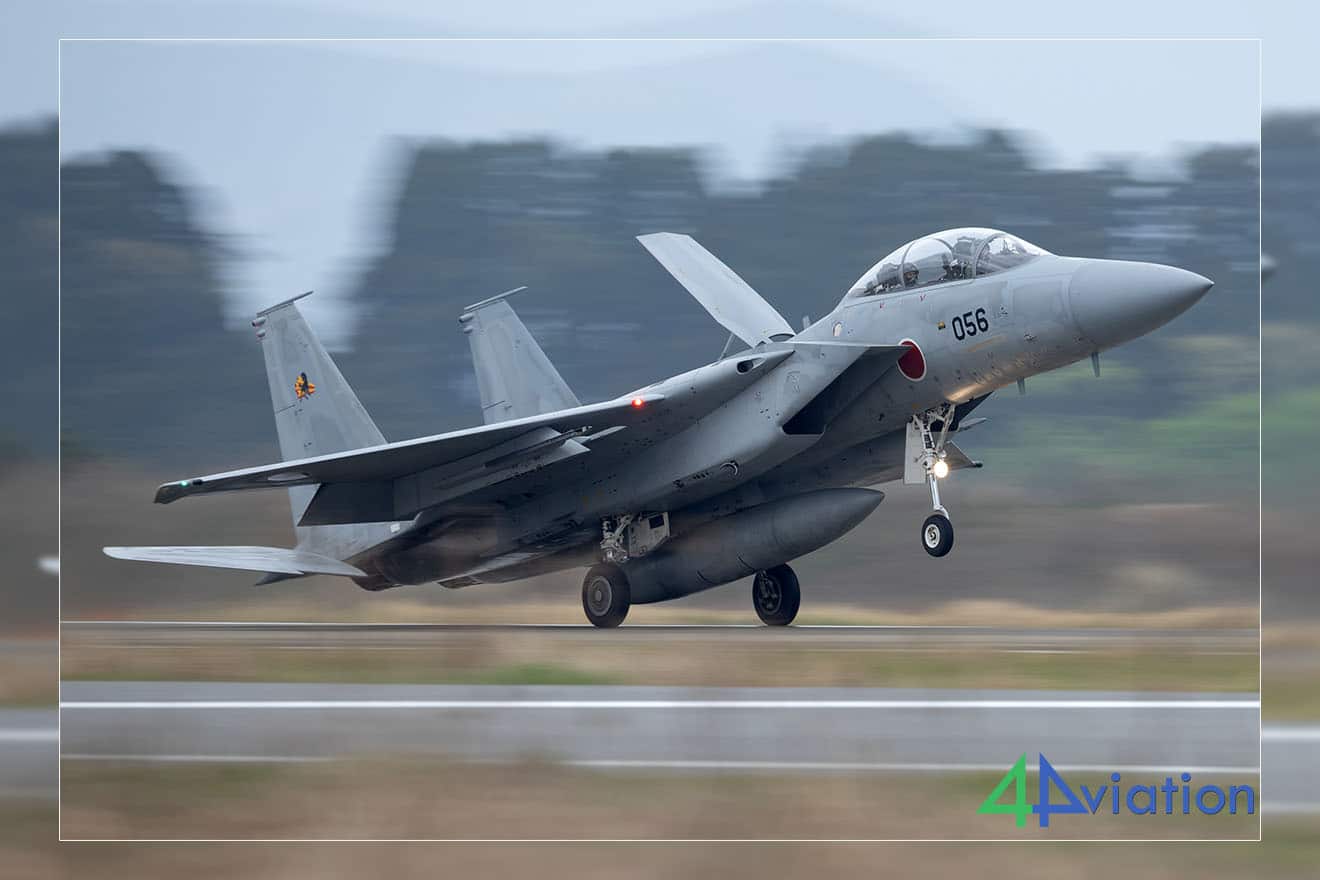
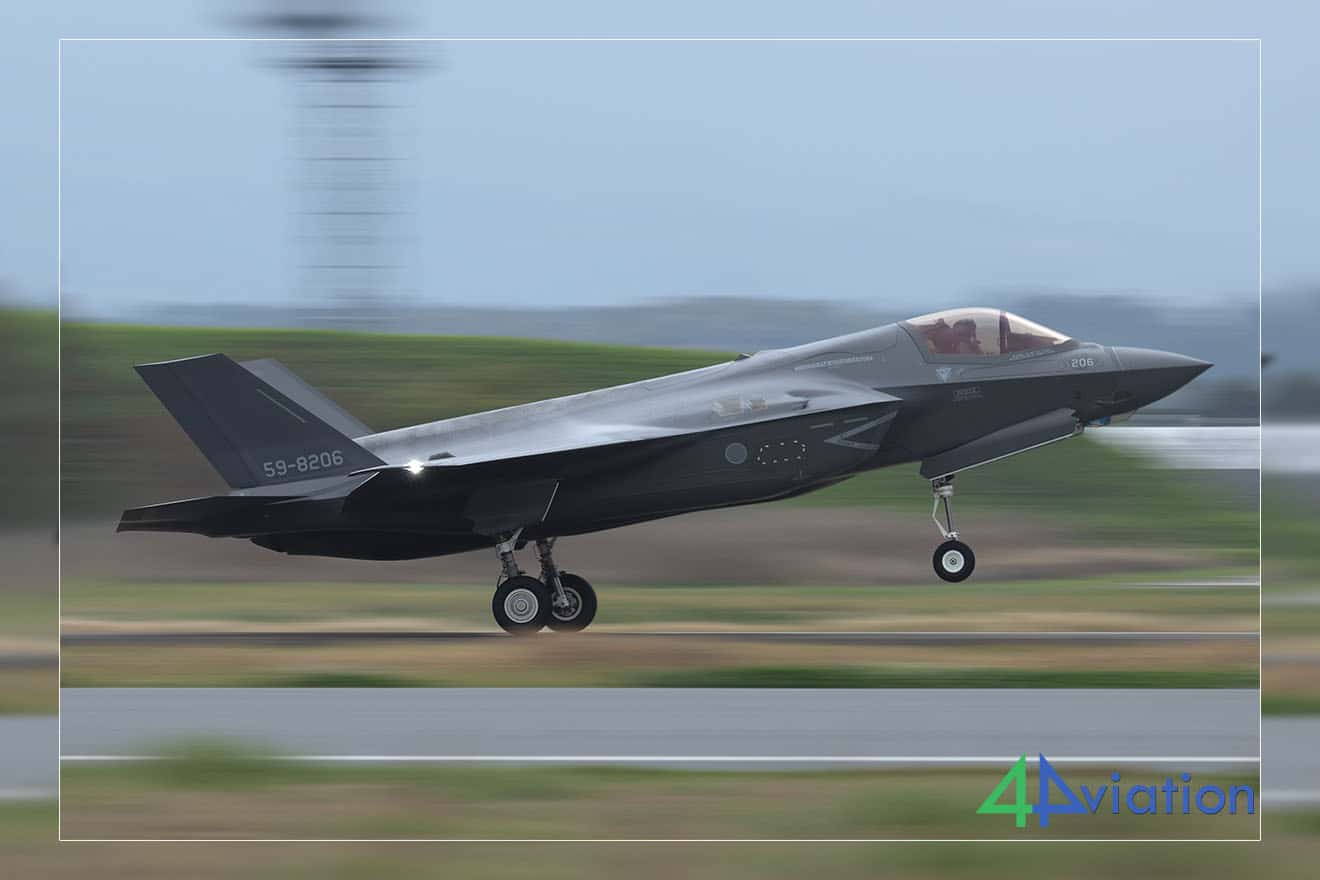
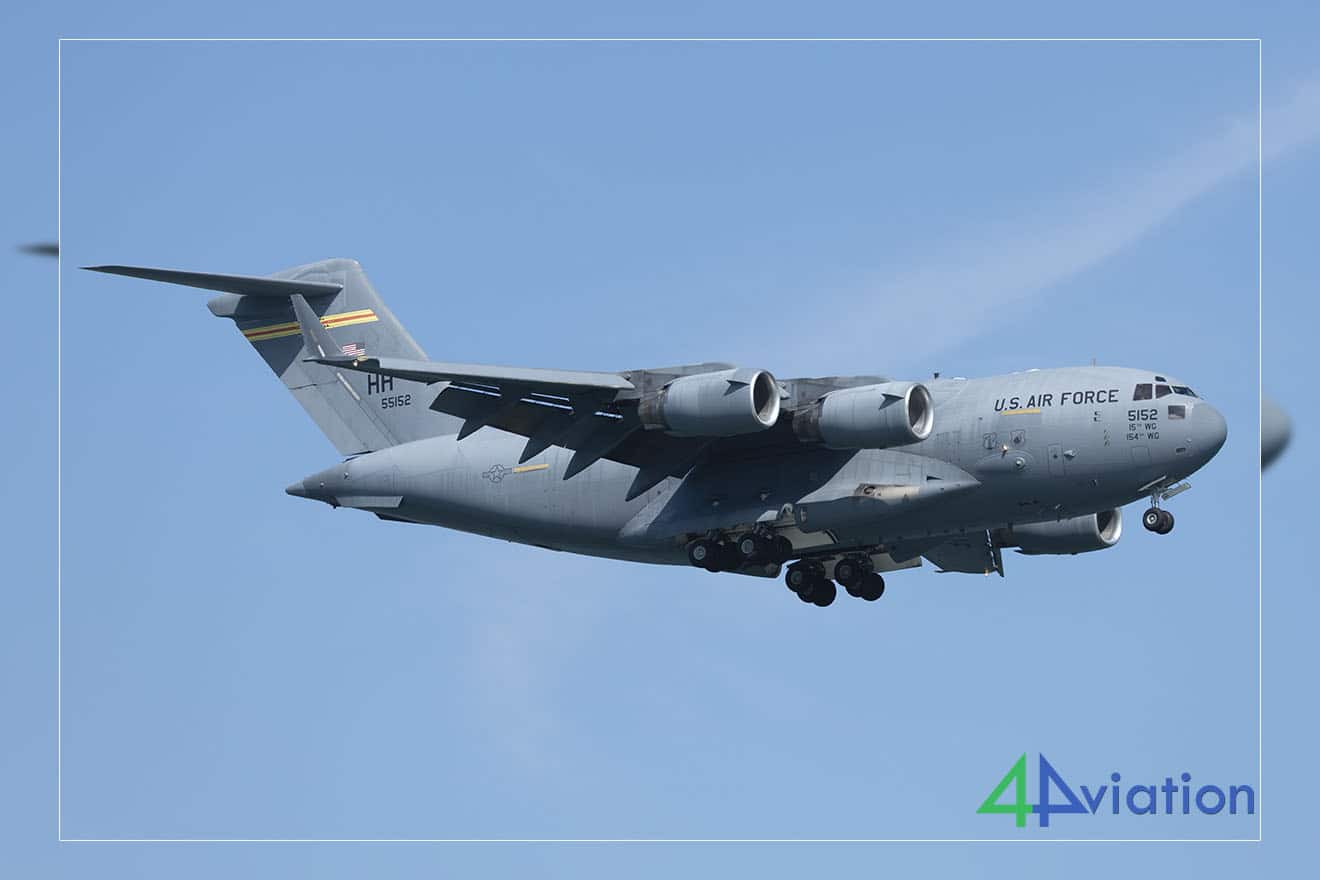
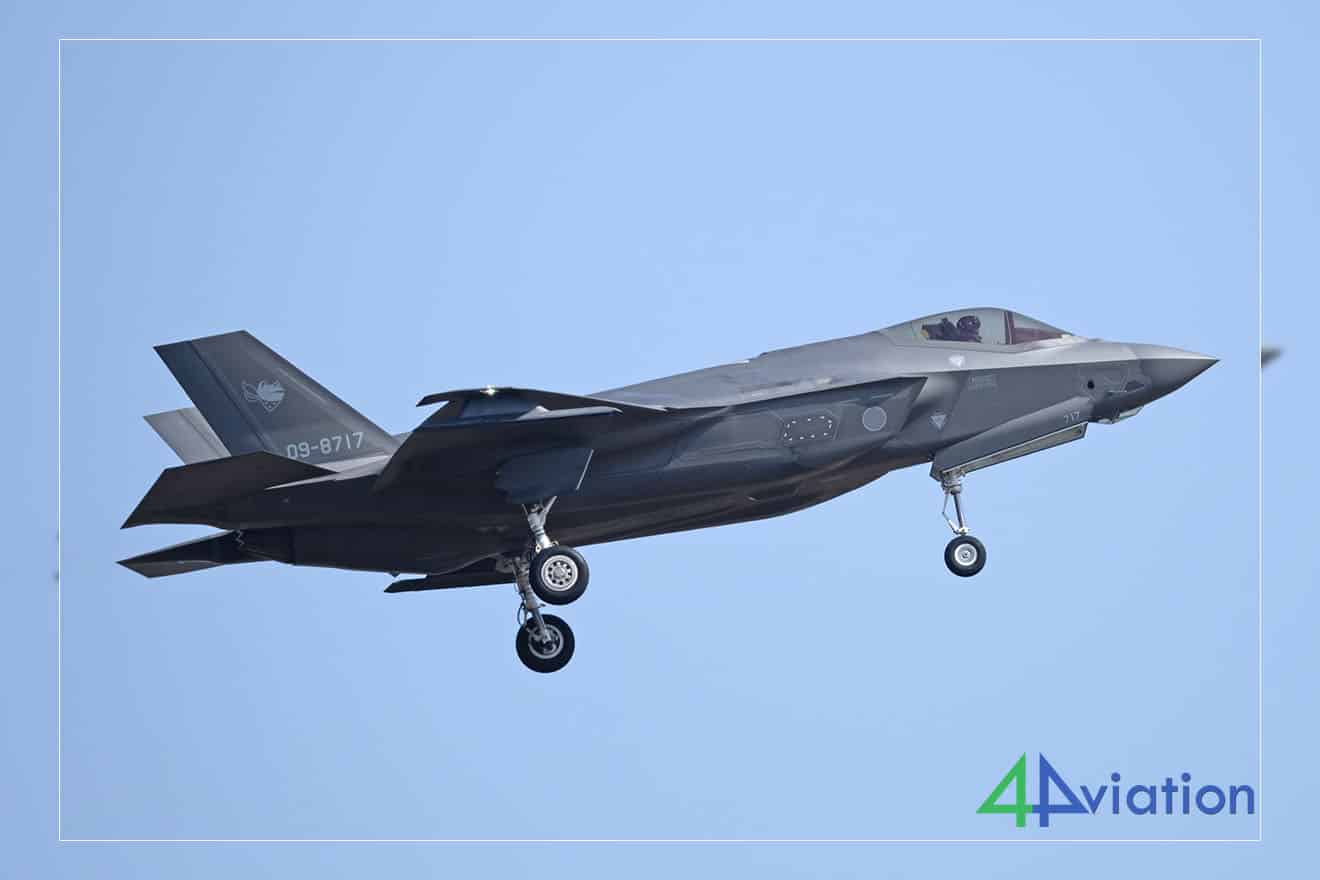
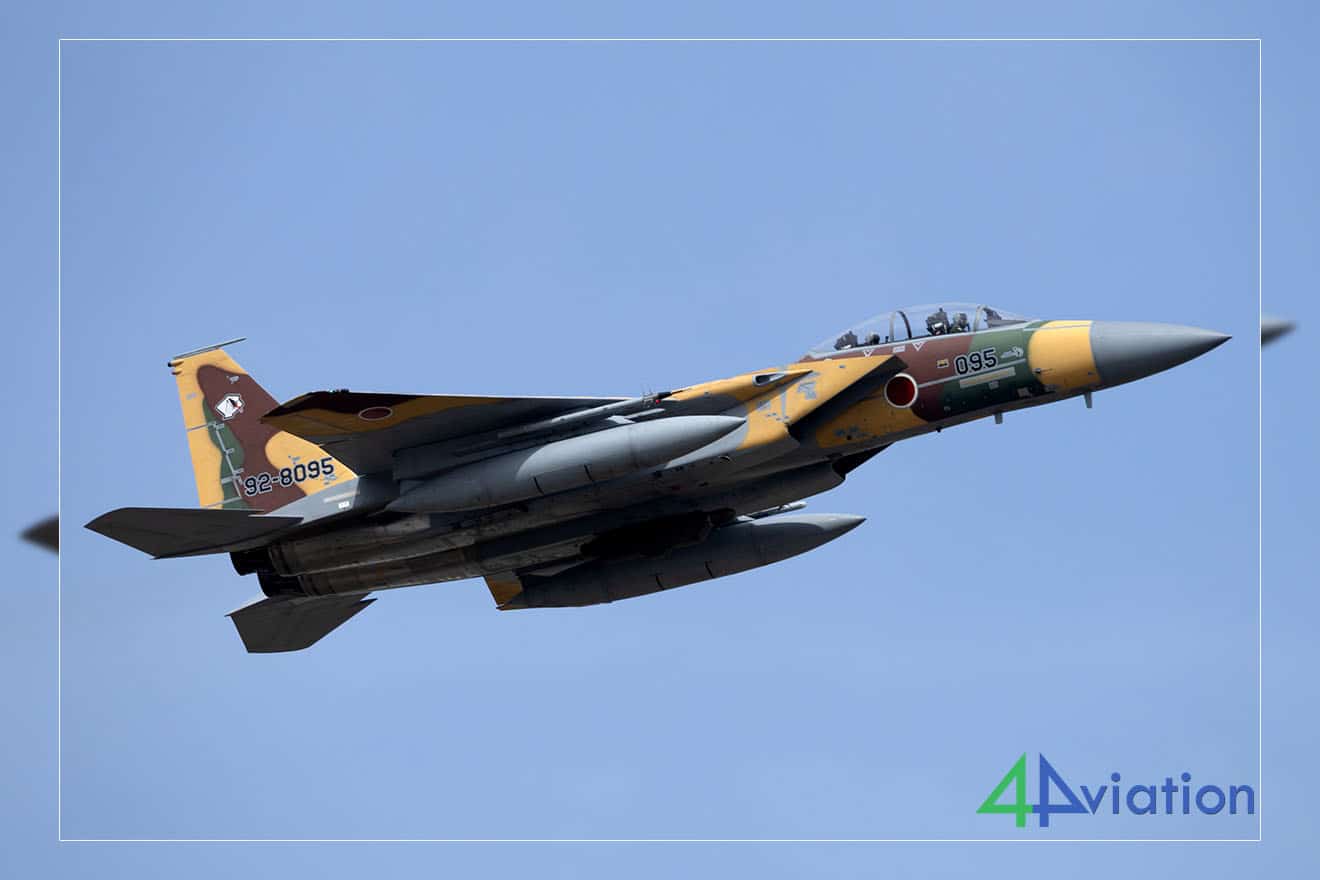
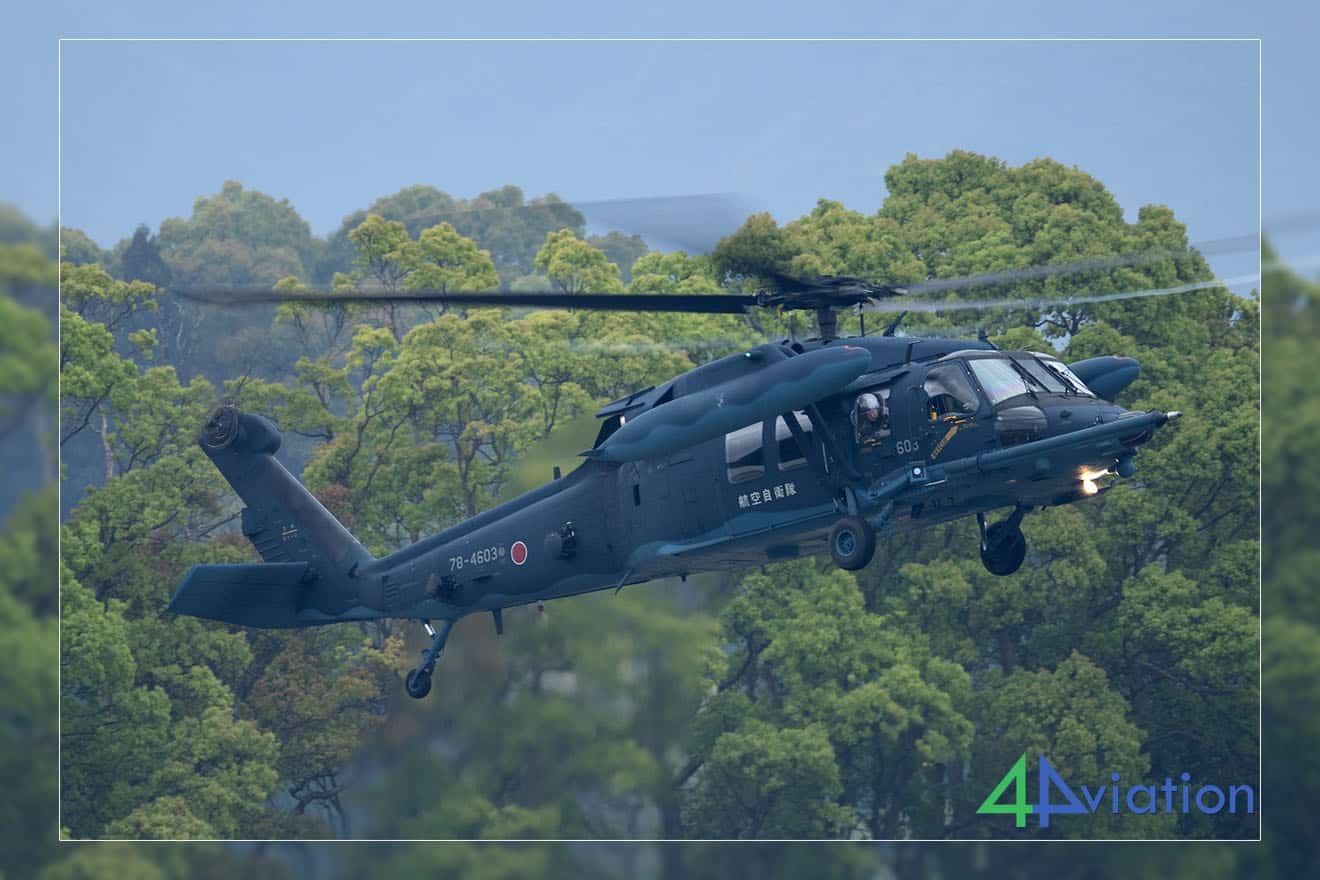
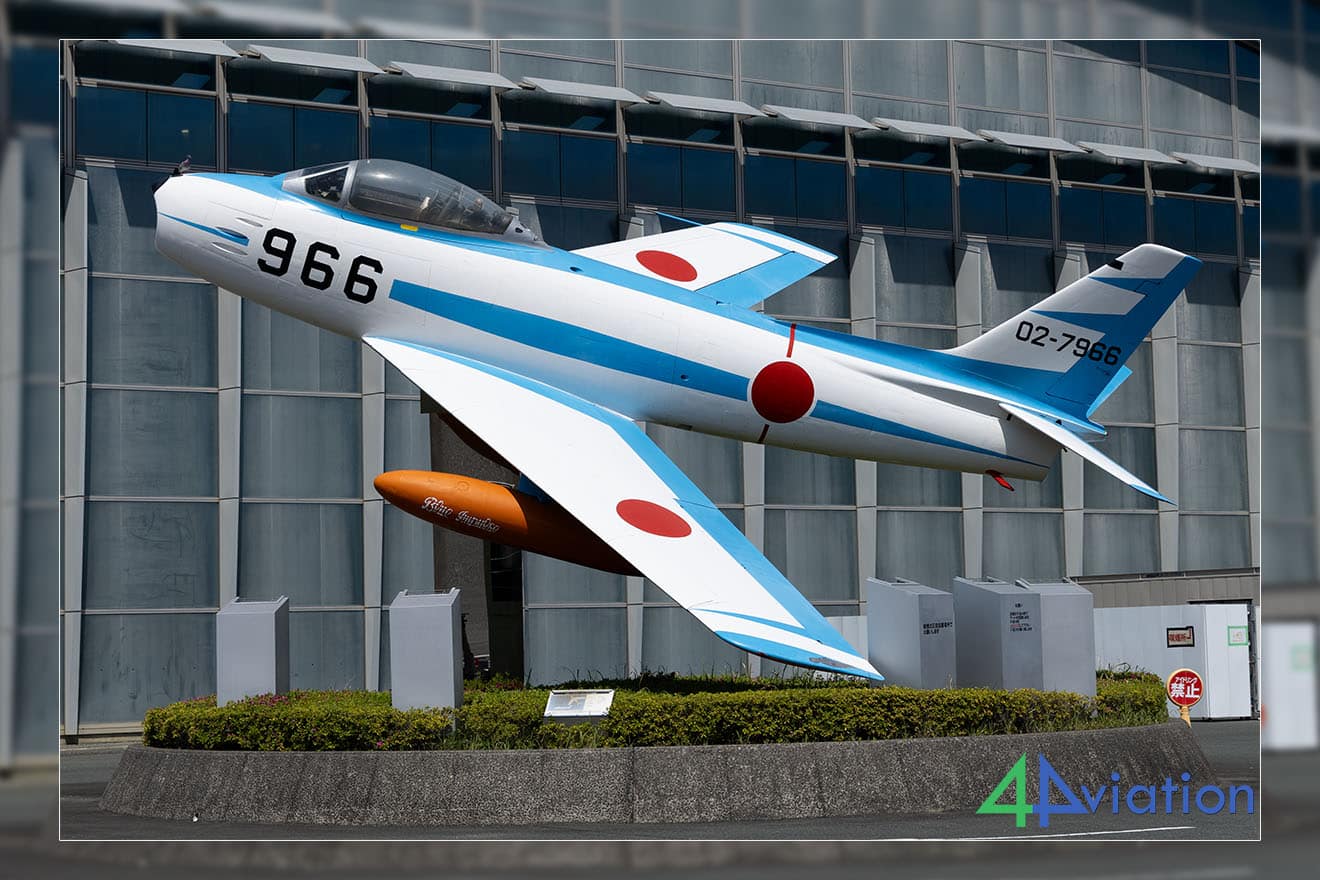
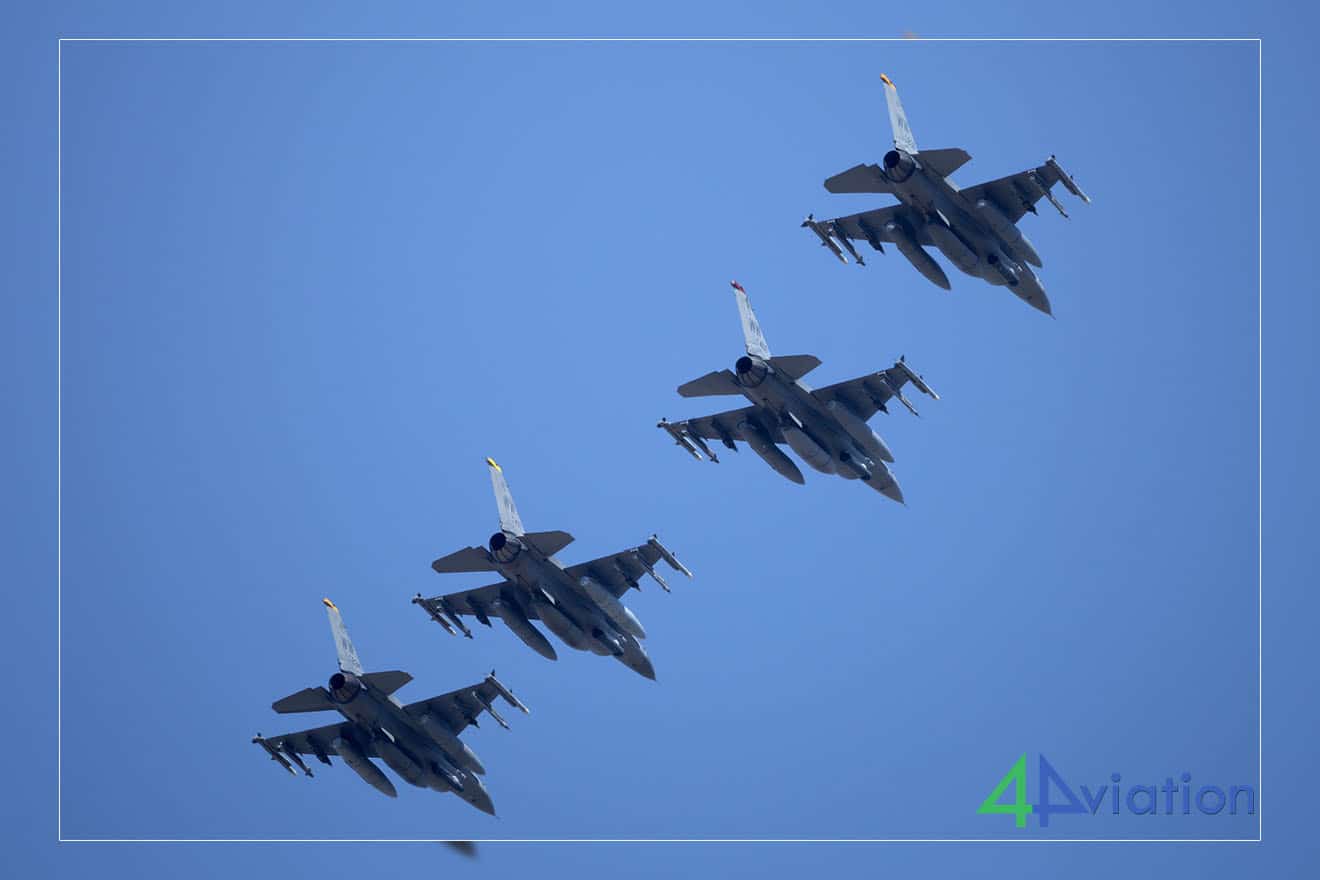
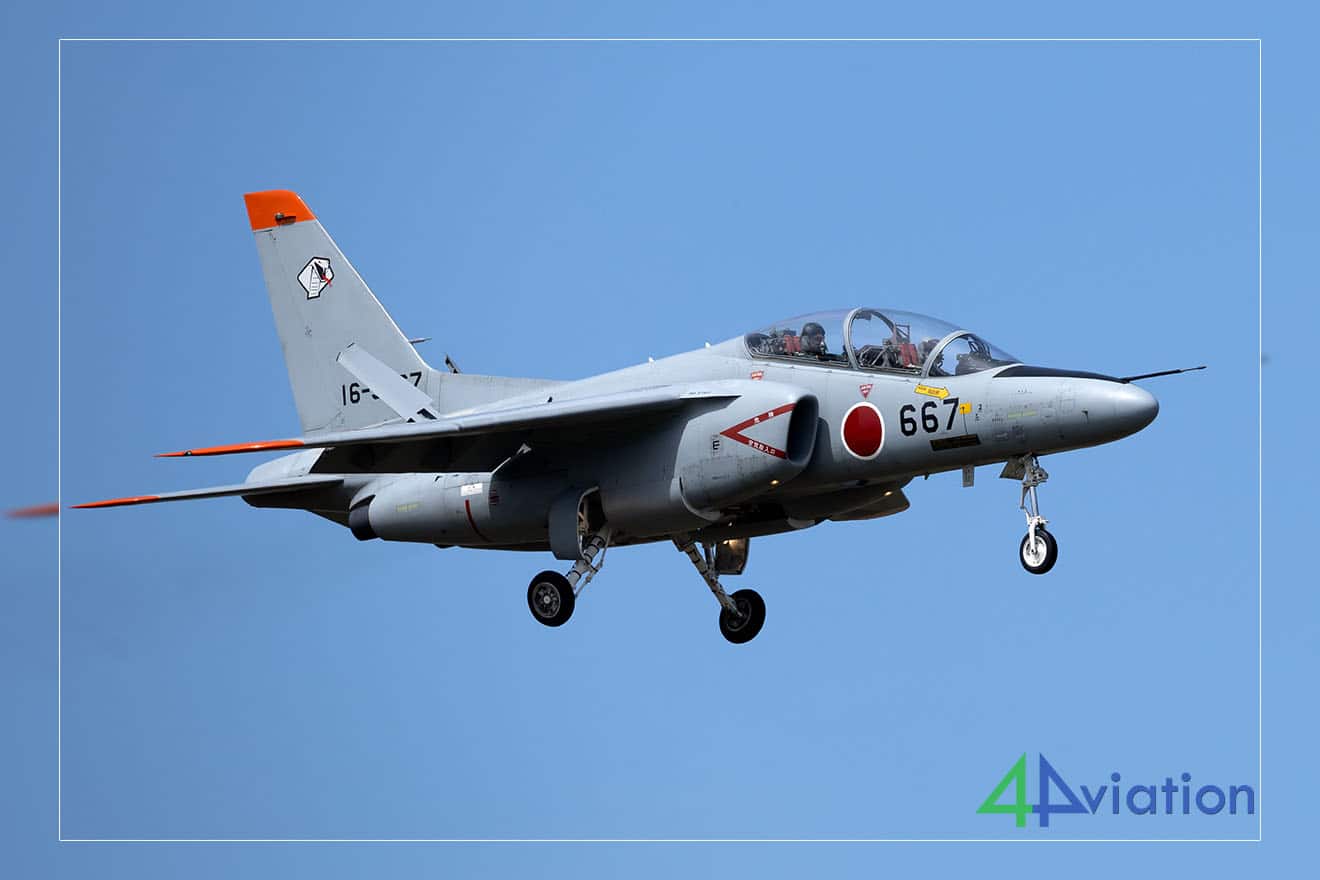
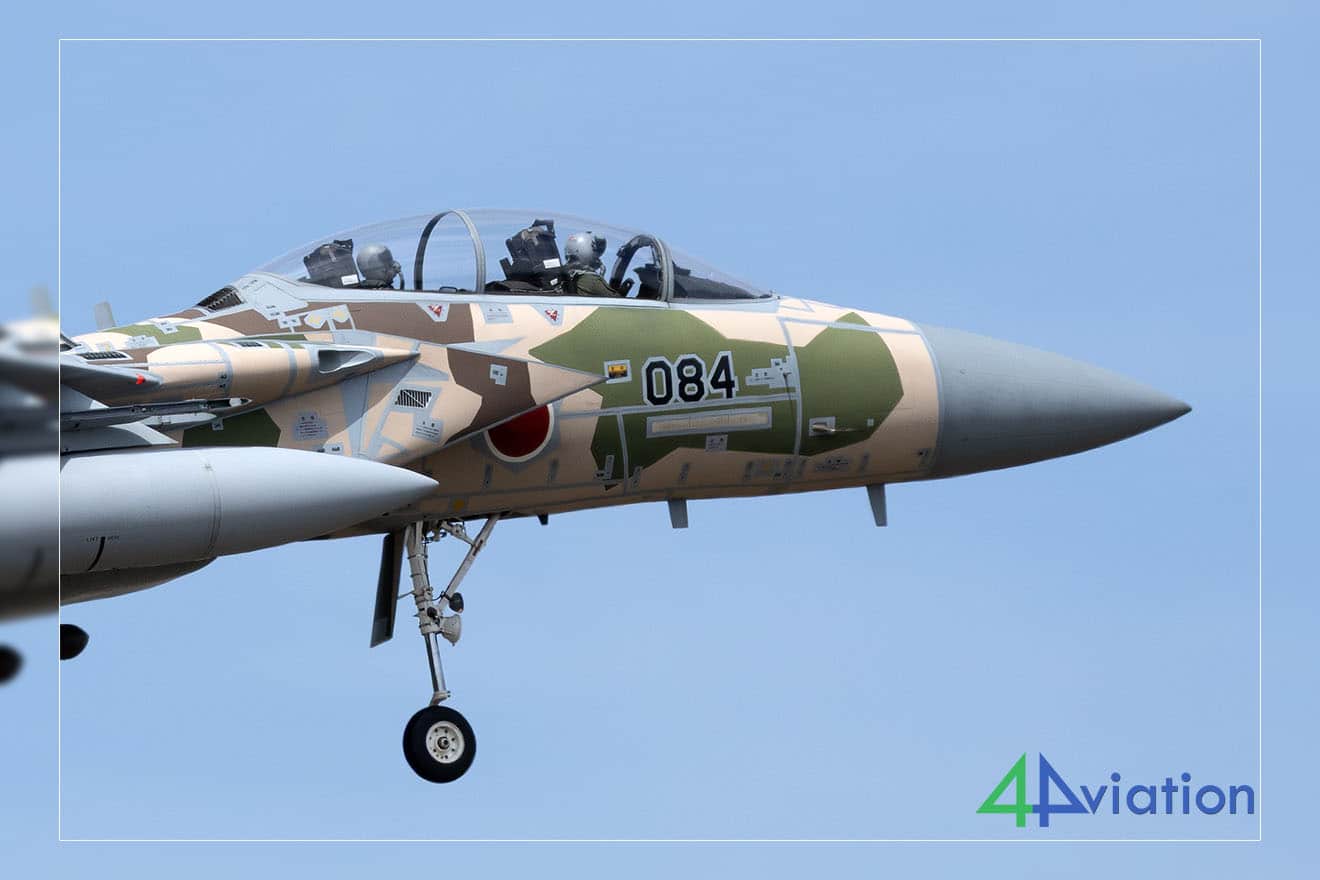
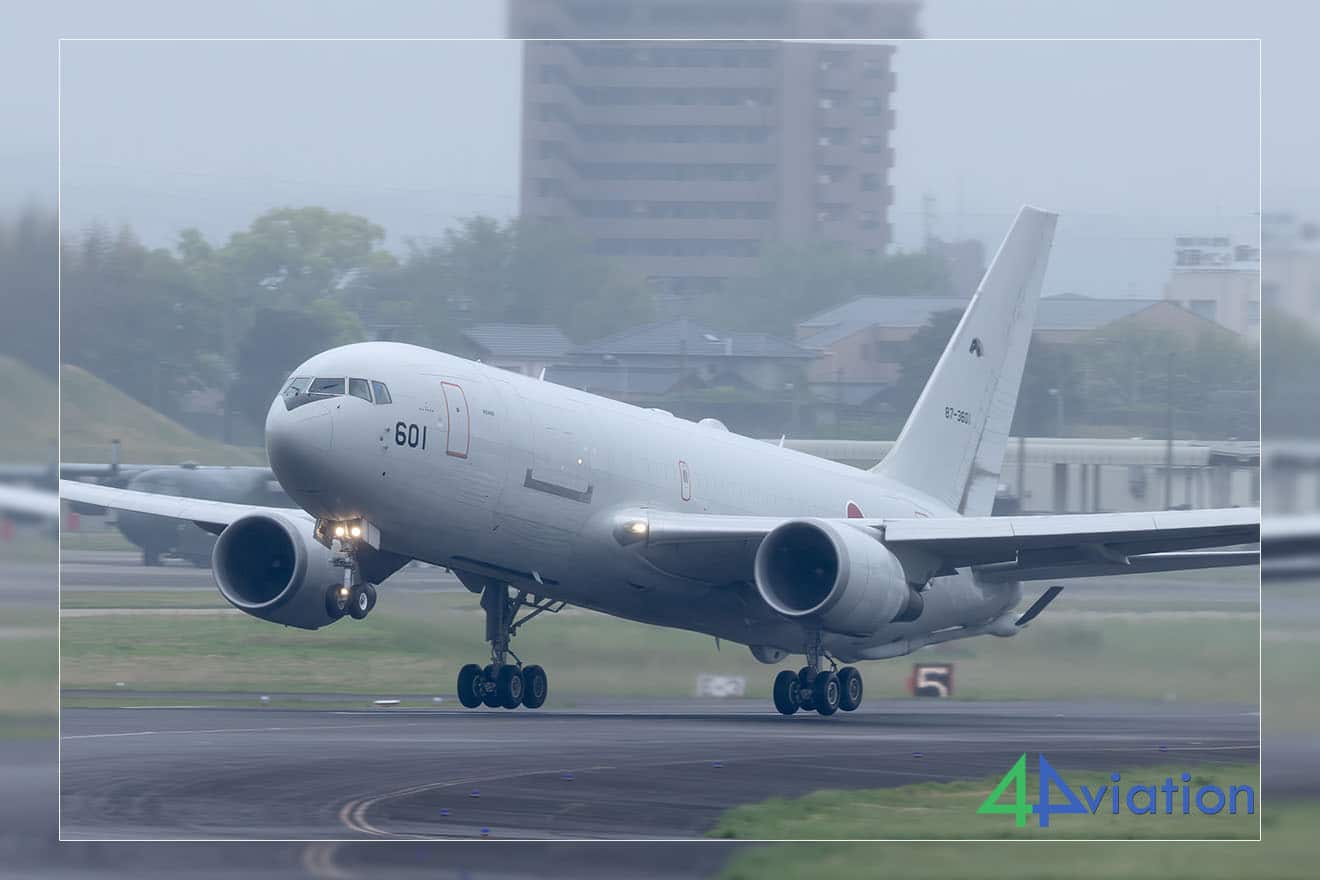
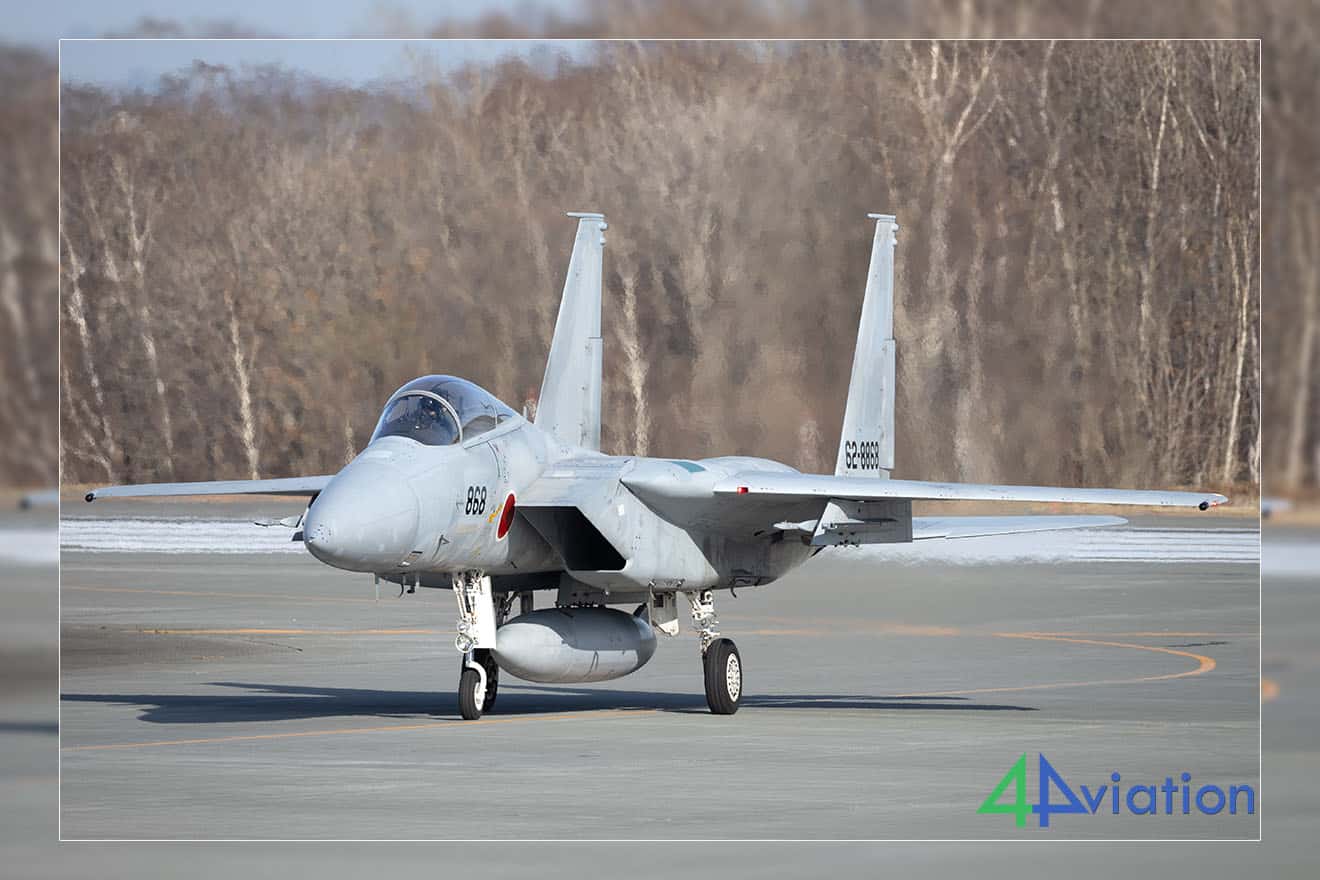
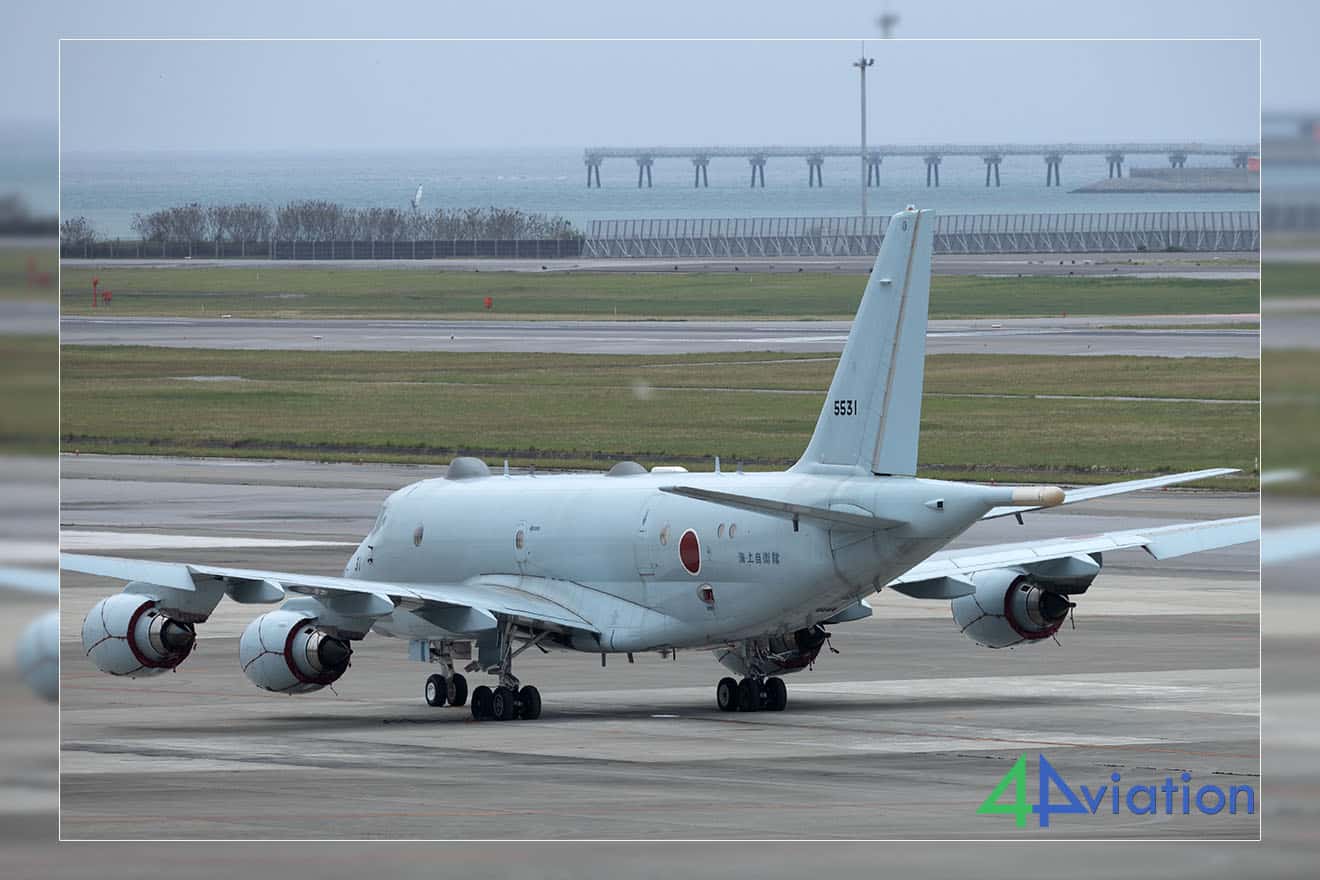
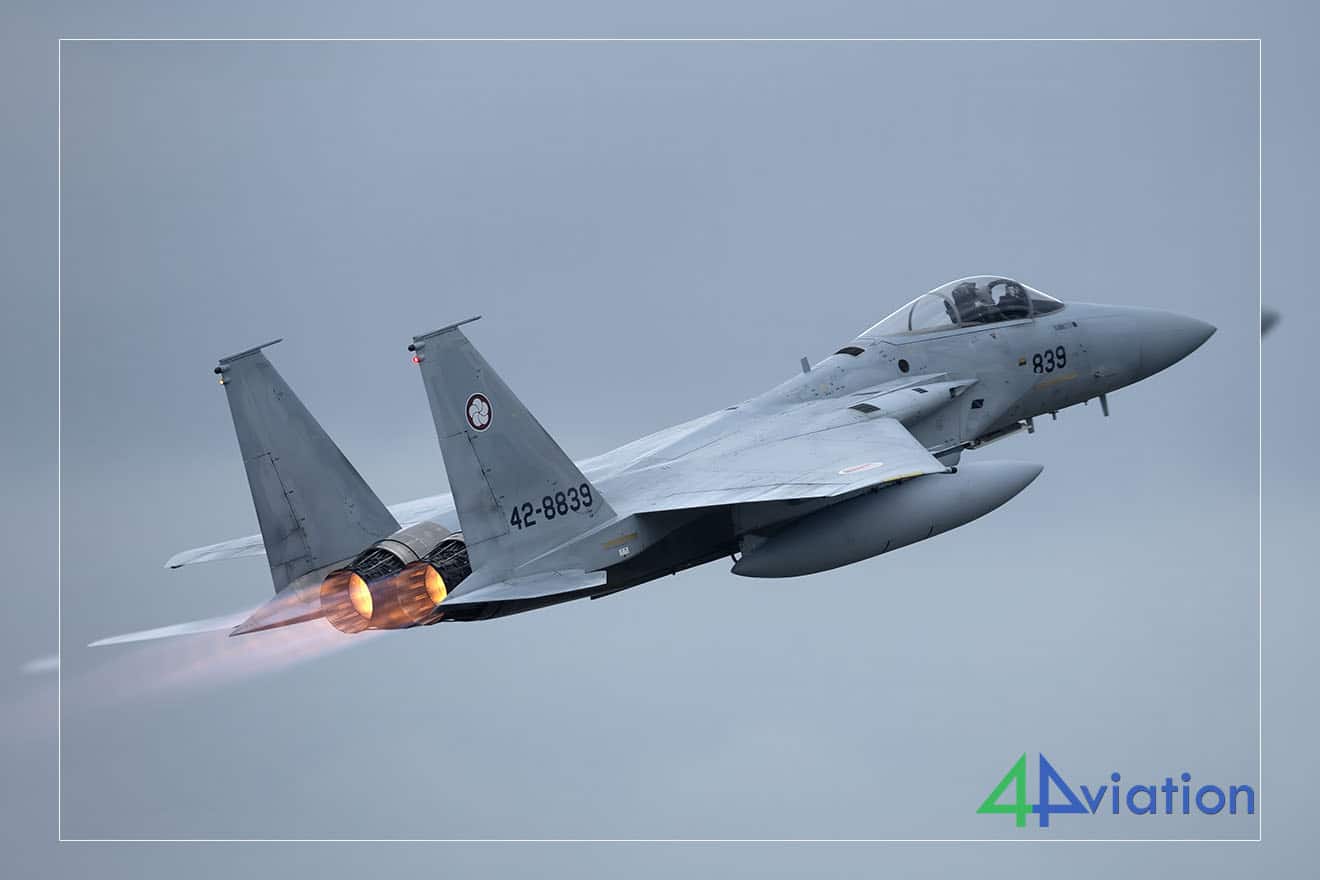
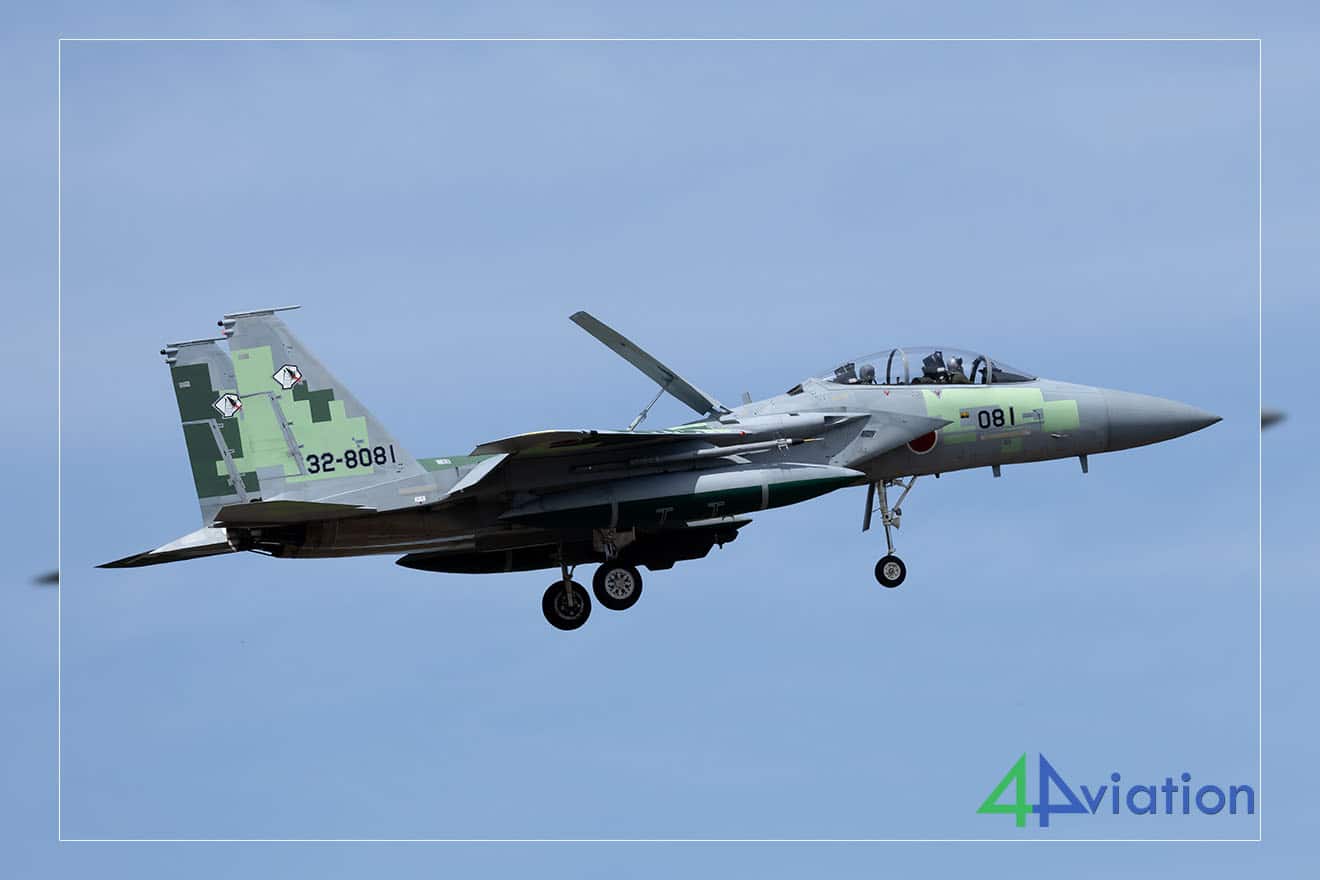
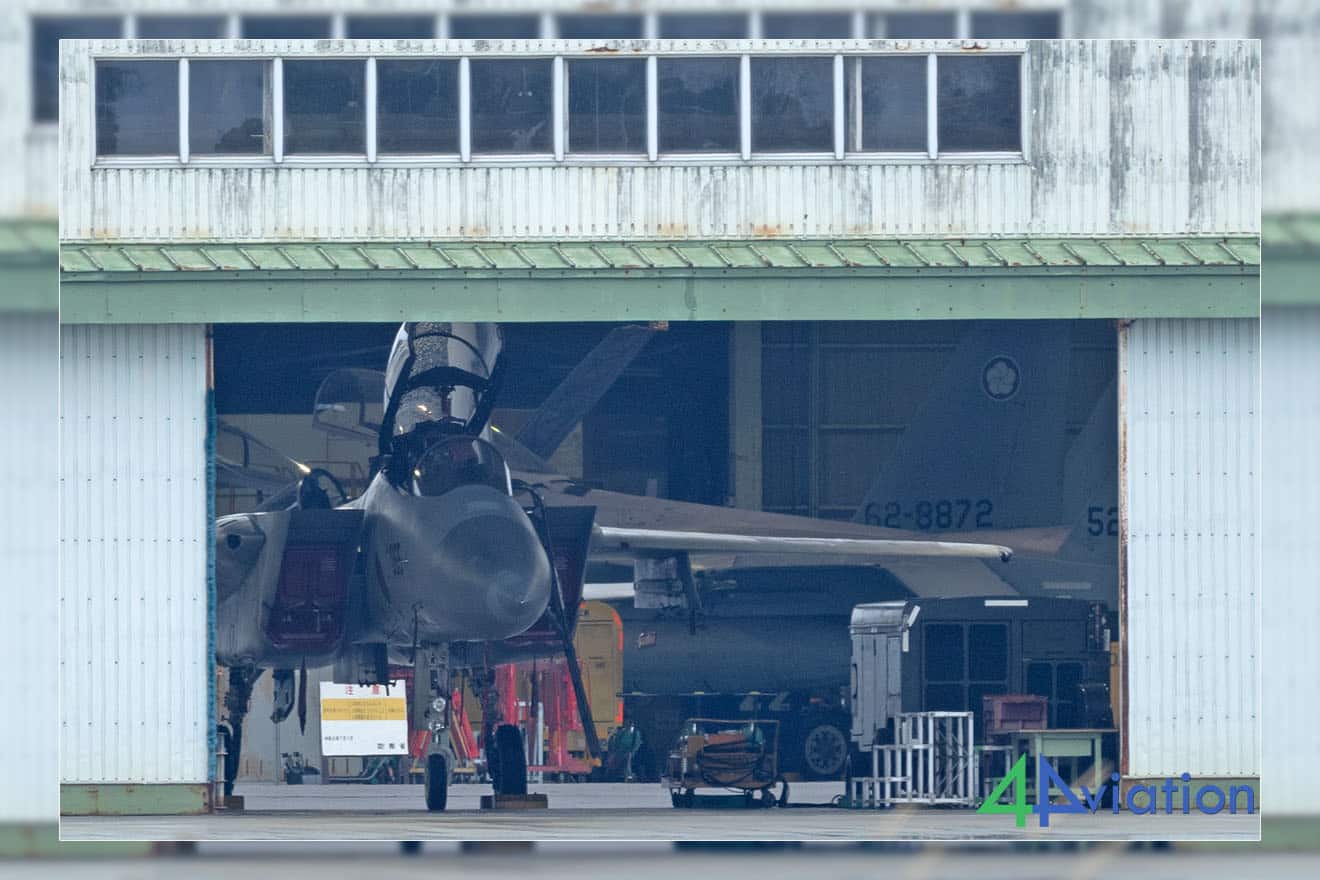
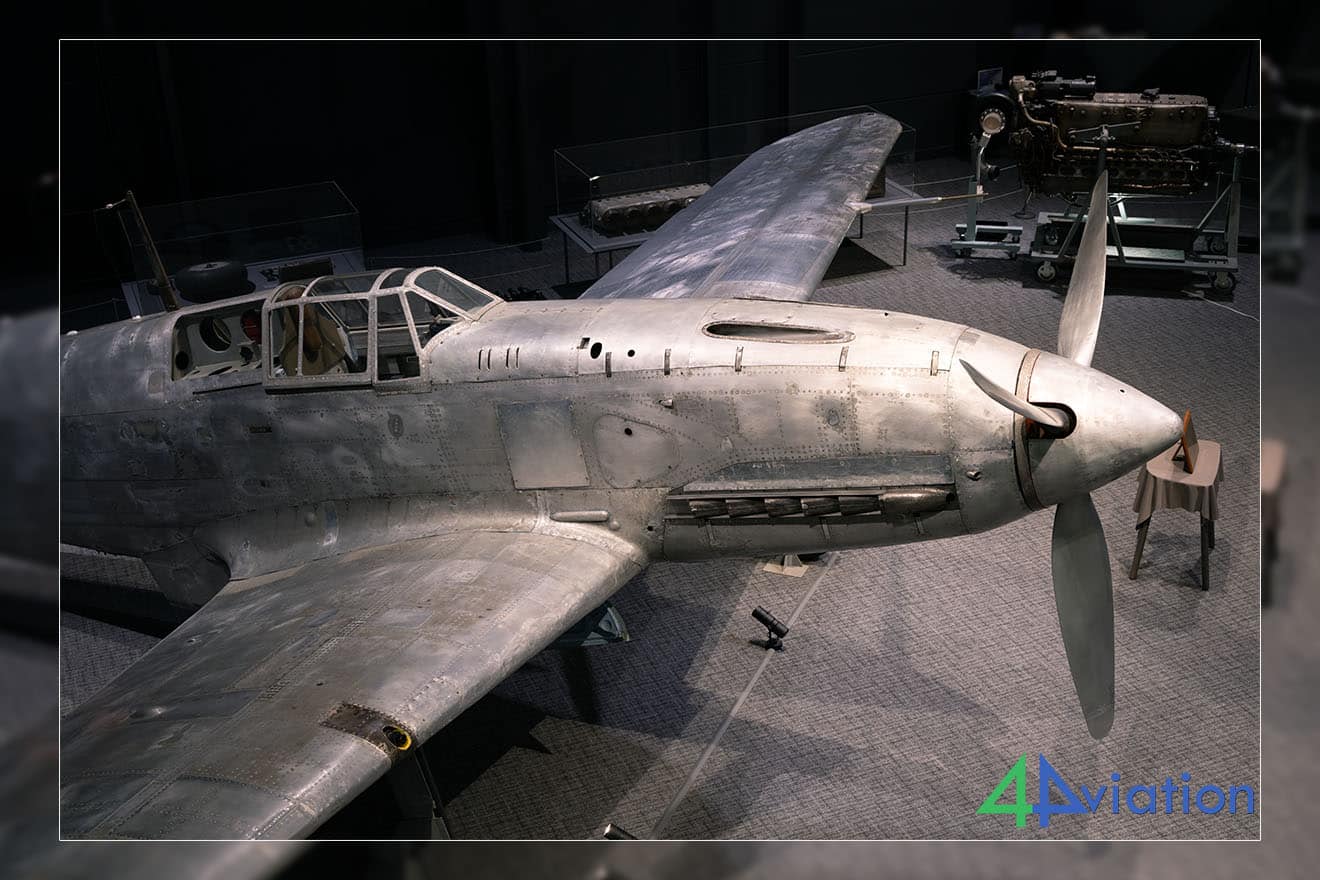
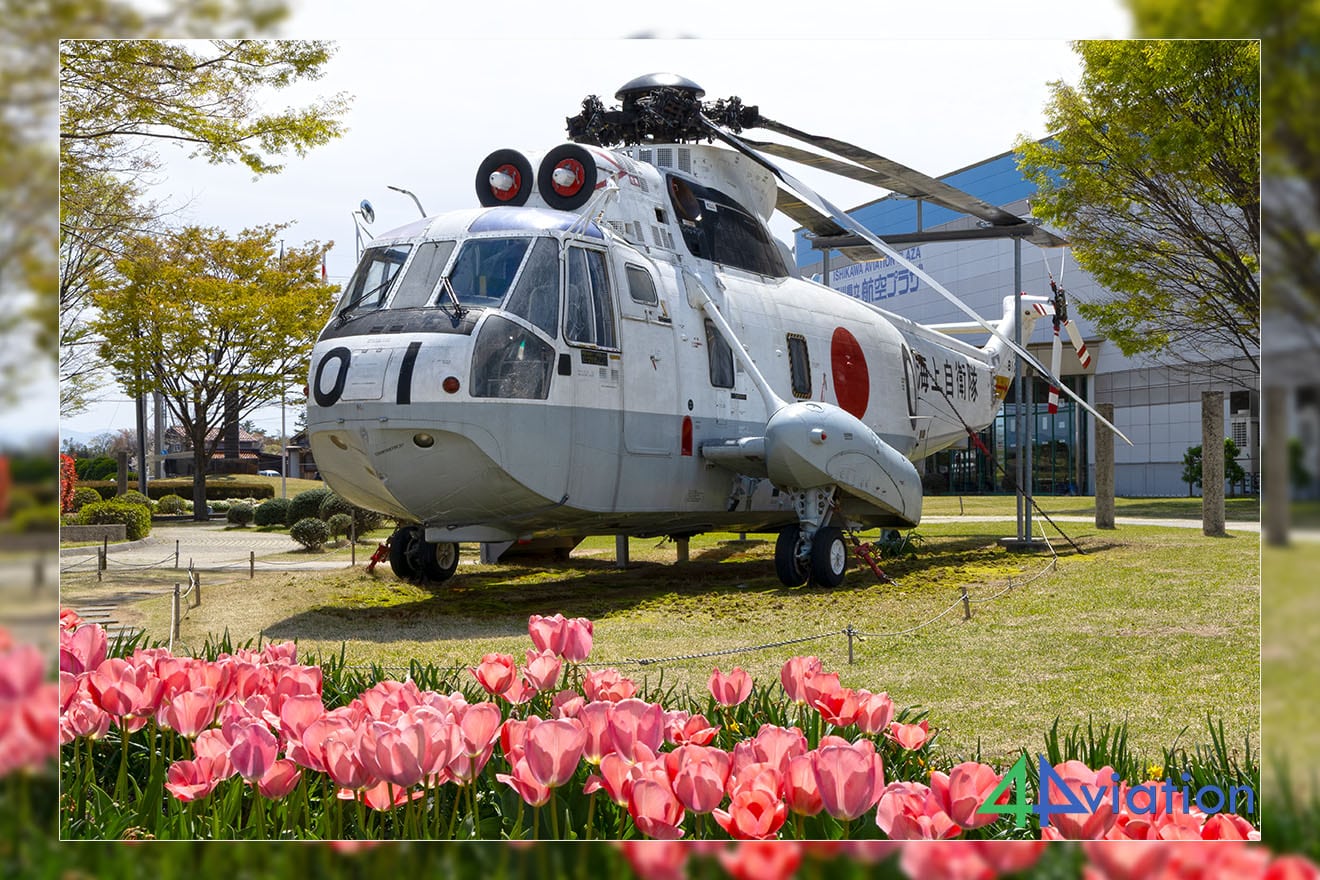
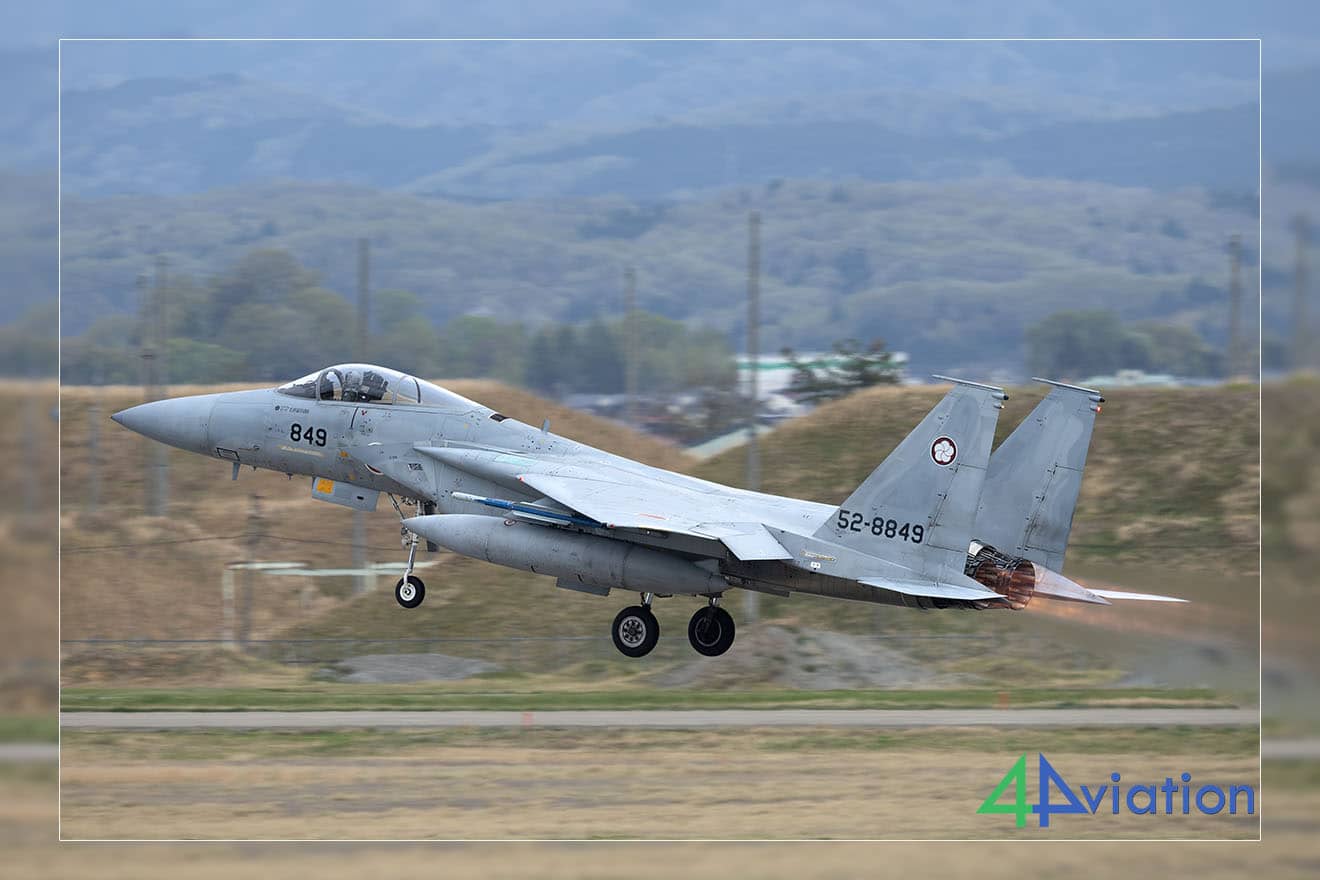
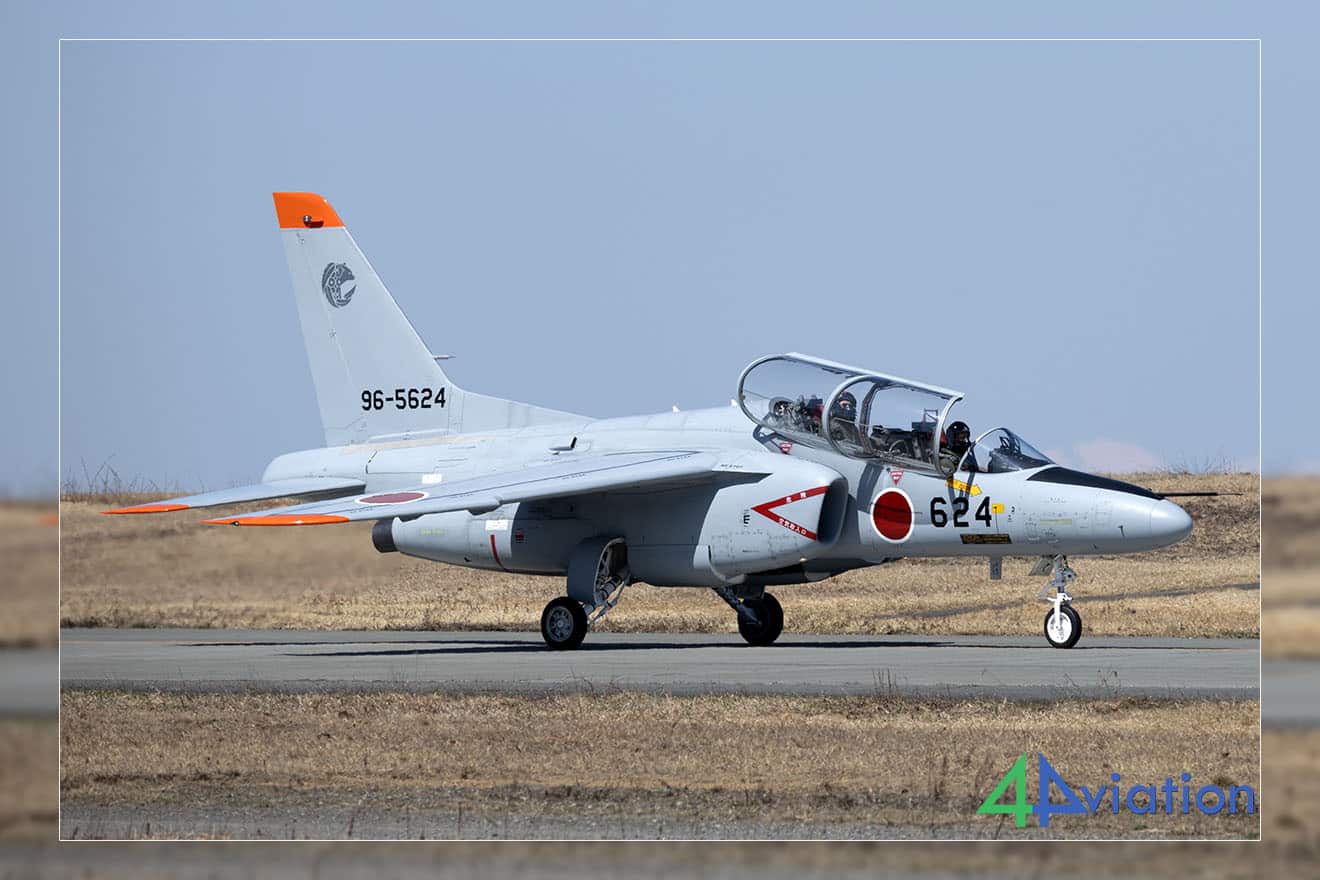
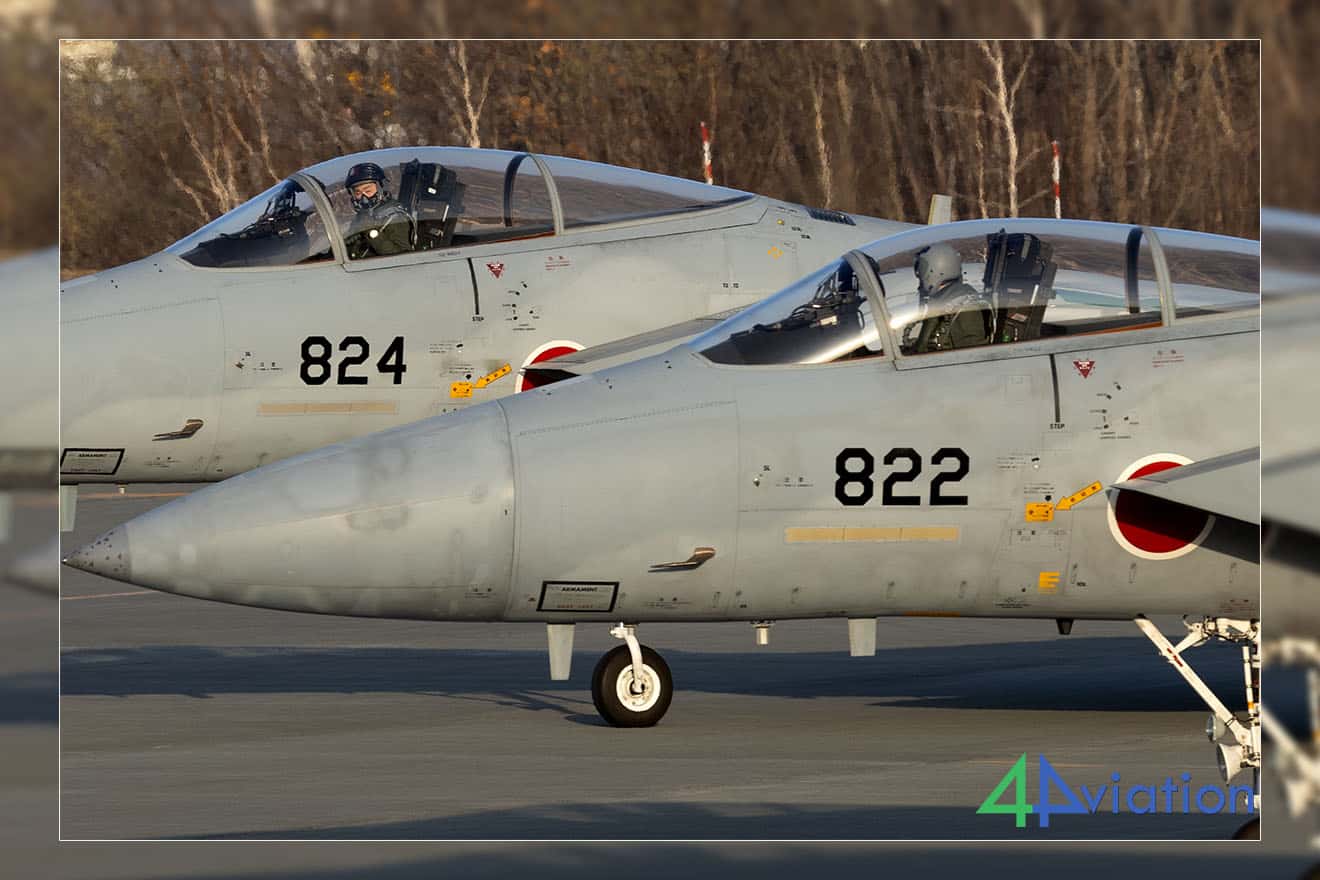
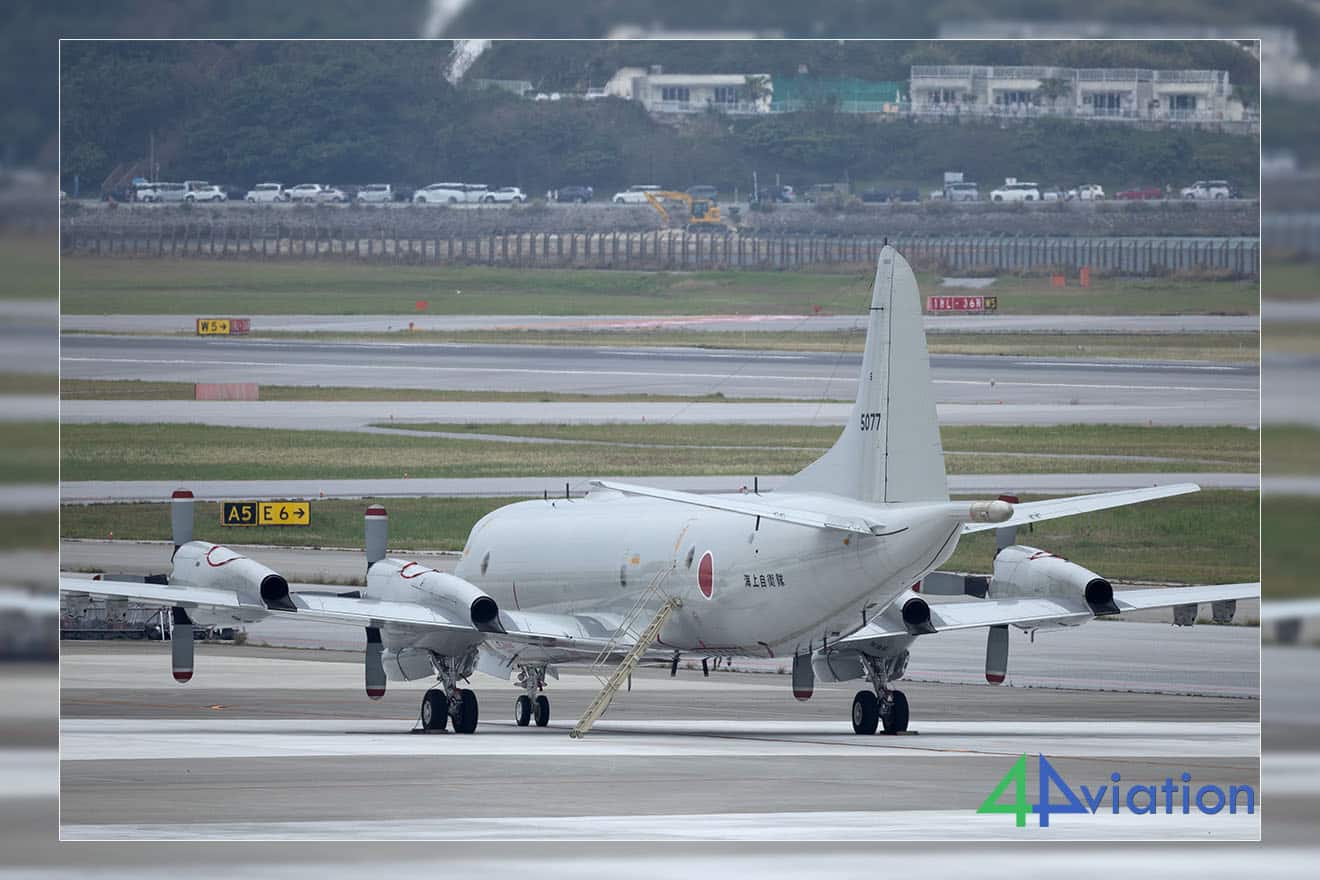
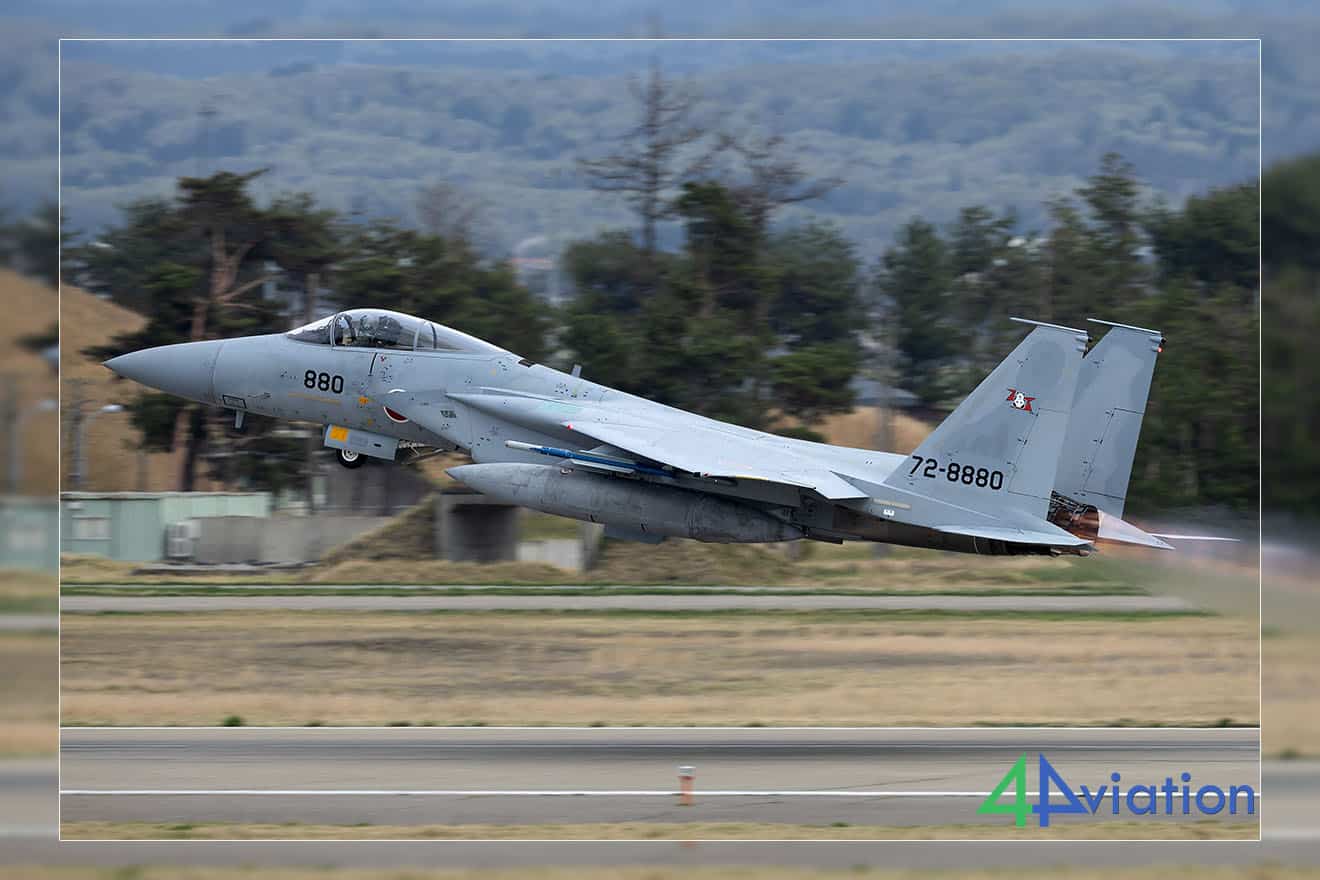
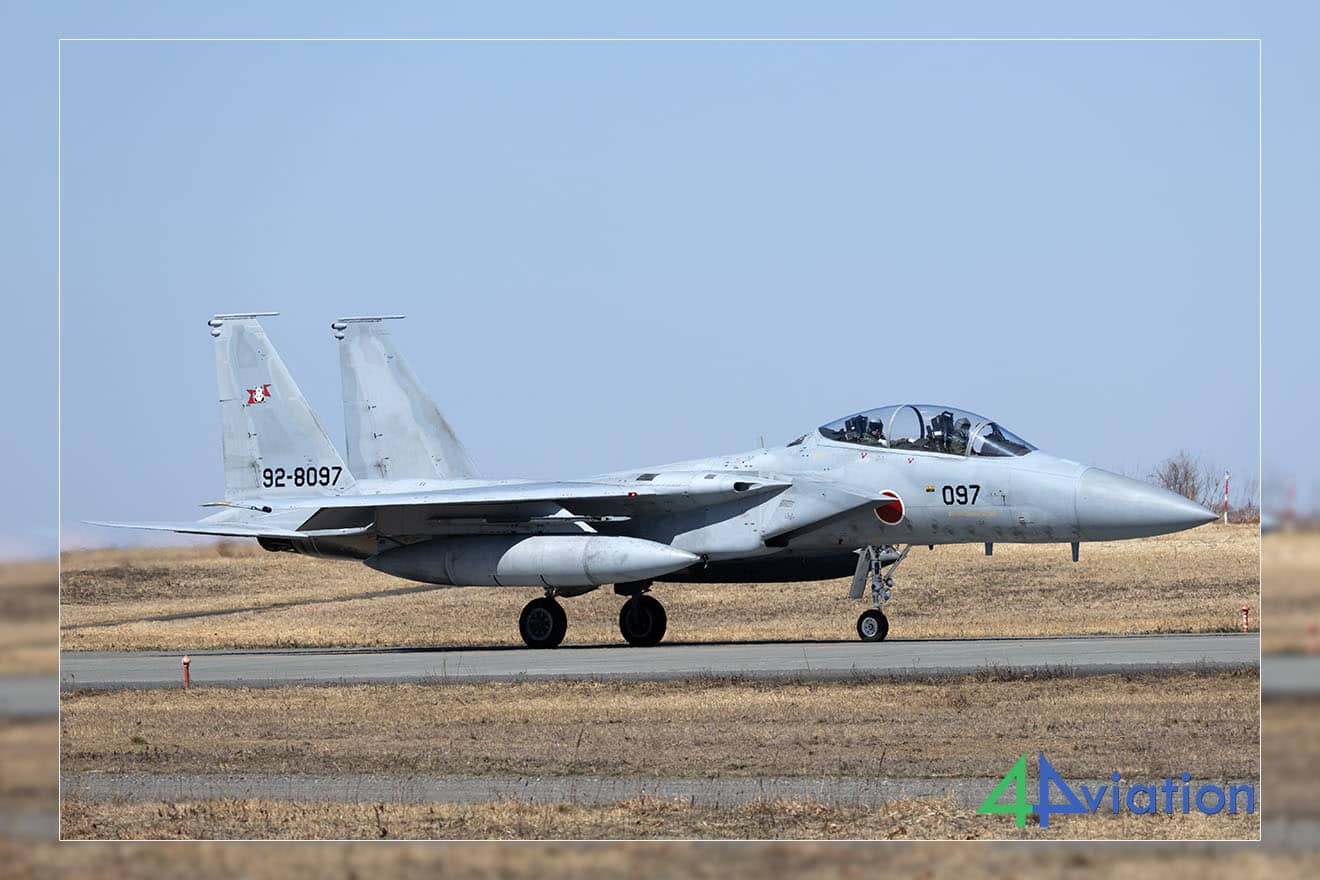
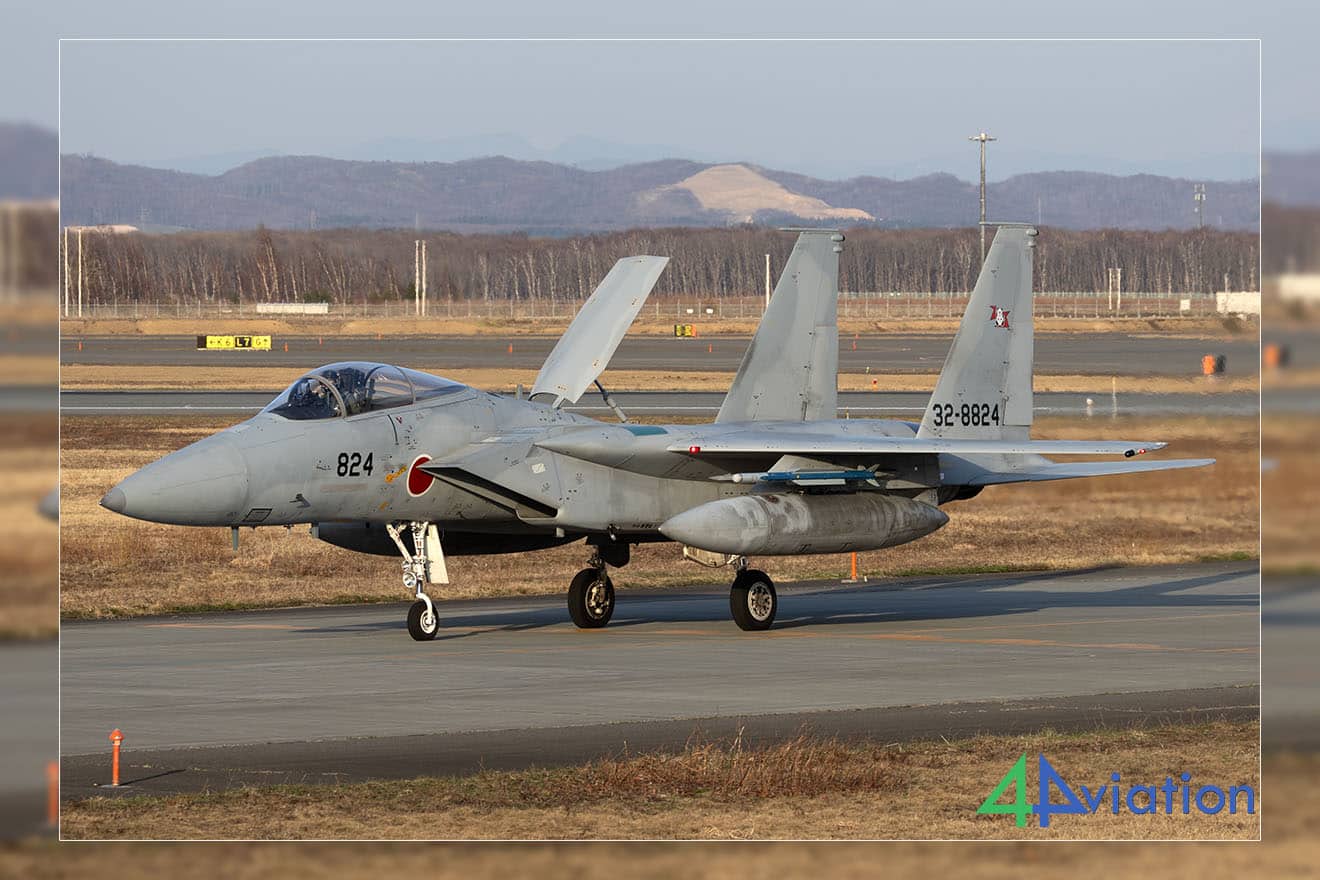
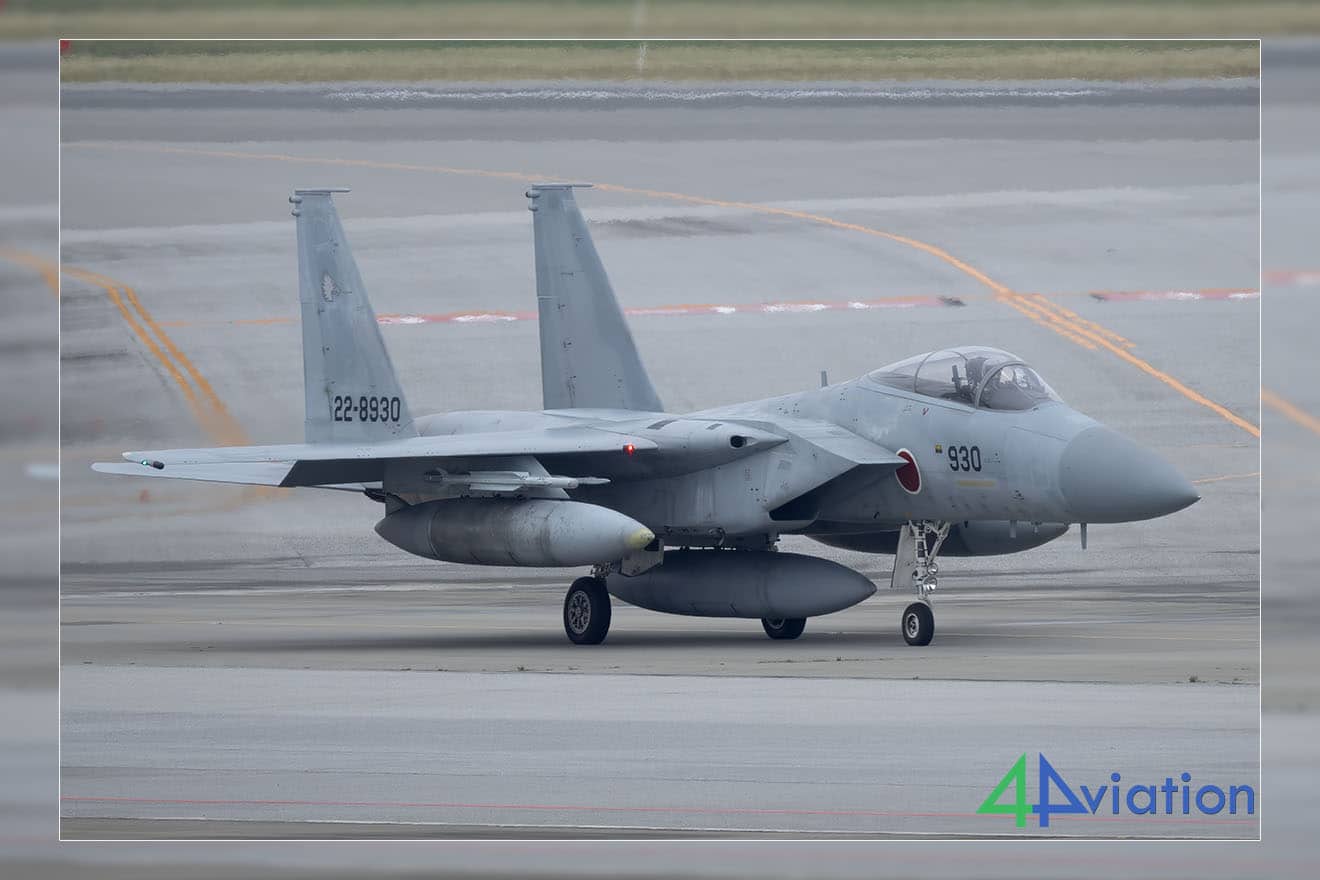
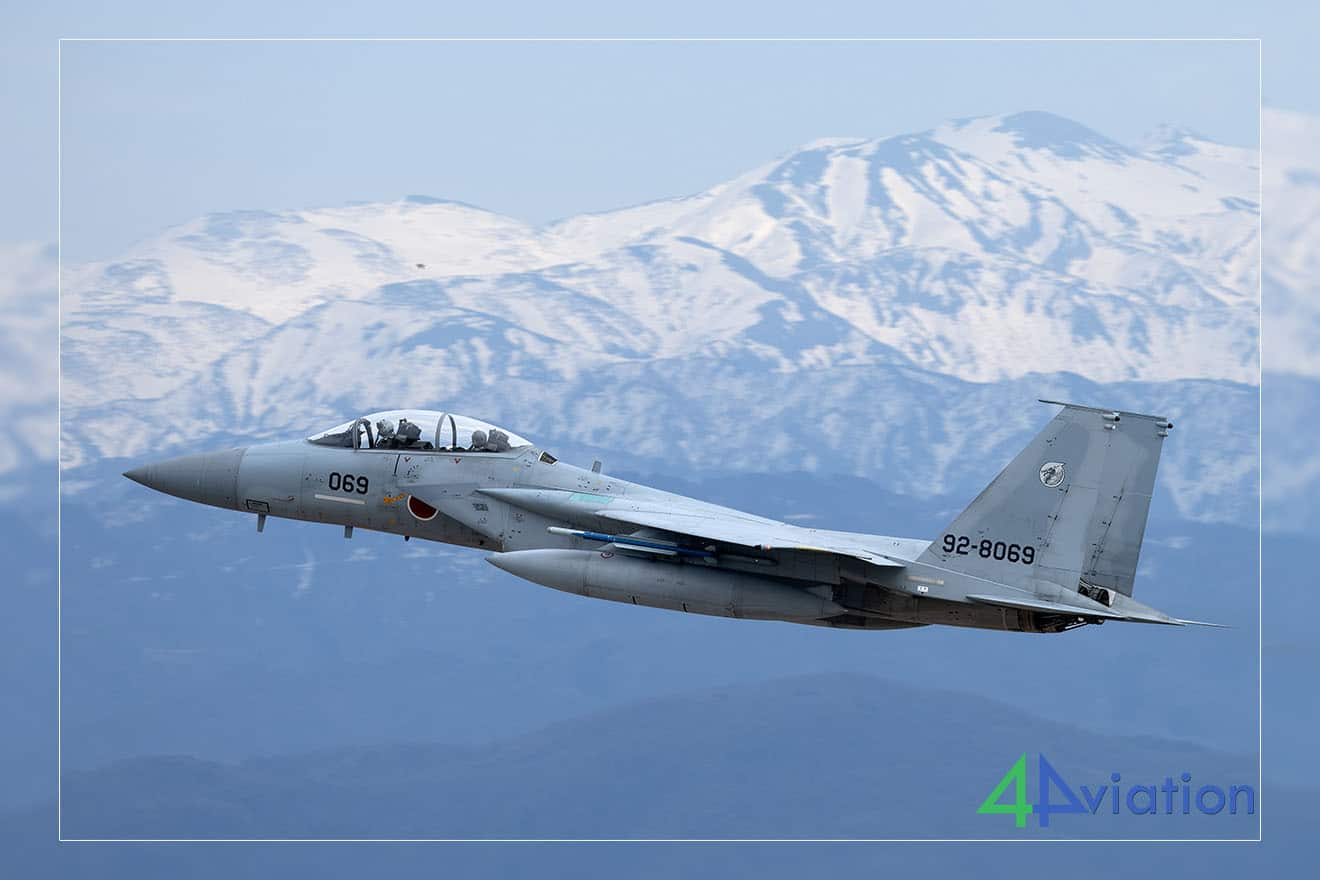
The 4Aviation Japan Fighter Tour is an intensive tour during which all fighter bases are visited over more than two weeks, most for two days to maximize the chance of achieving a good score with the based aircraft. This edition was no different; we experienced both good and bad days, but everyone returned home with a substantial collection of new photos of all fighter types and all squadrons of the Japanese Air Self-Defense Force.
Emjoy reading the report with over 130 pictures (over two pages).
Keep informed
Chances are that we will return to Japan for a Fighter Tour. If you want to be informed if we have details about this, please click the button to send us a message.
Departure from Schiphol – The journey begins
On Saturday 4 April 2026, a group of ten aviation enthusiasts gathered at the meeting point at Schiphol Airport for a long but promising journey to Japan. From gate C2 we were transported by bus to our Finnair A350. The spacious aircraft offered more than enough room for everyone, and the just-over-two-hour flight to Helsinki was wonderfully relaxed.
Upon arrival in Finland, we were informed that we were expected at gate 52. First, we smoothly passed through customs formalities, after which we had a few hours to grab something to eat, walk around, relax, and get to know each other better.
Our next flight was already waiting in the form of a Japan Airlines Boeing 777. Here too there was plenty of space; most of us were even able to use two or sometimes three seats. We had all expected to fly to Japan via the northern route, but due to the current airspace situation we flew south-west over Eastern Europe, routing around various sanctioned and conflict areas. Eventually we entered Japanese airspace near Tottori, followed about an hour later by our landing at Tokyo Haneda.
As usual in Japan, all formalities were handled quickly and efficiently. This was followed by a short bus ride to Terminal 1 for the final leg of the outbound journey: a domestic JAL flight to Naha in Okinawa. Remarkably, this flight—very unusual by Japanese standards—departed about fifteen minutes late, accompanied by the usual extensive apologies.
Around 20:00 we landed at Naha, just as the car rental company a few kilometres from the airport was about to close. Fortunately, we had arranged in advance for them to wait for us a little longer. The handover of the two minibuses went very smoothly, and not long after we were picked up for the short ten-minute ride to the hotel.
By around 21:30 everything was sorted, and a travel day of over thirty hours finally came to an end. Fortunately, most of us had managed to get some sleep during the long flight to Japan, as the next morning would start early again.
First action on Okinawa – Eagles & Kadena classics
Monday 6 April 2026 started early with an excellent breakfast at the hotel. Afterwards, we quickly stocked up on supplies at a nearby Family Mart to get us through the rest of the day. Just before 08:00 we were already positioned at the southern approach of Naha Air Base.
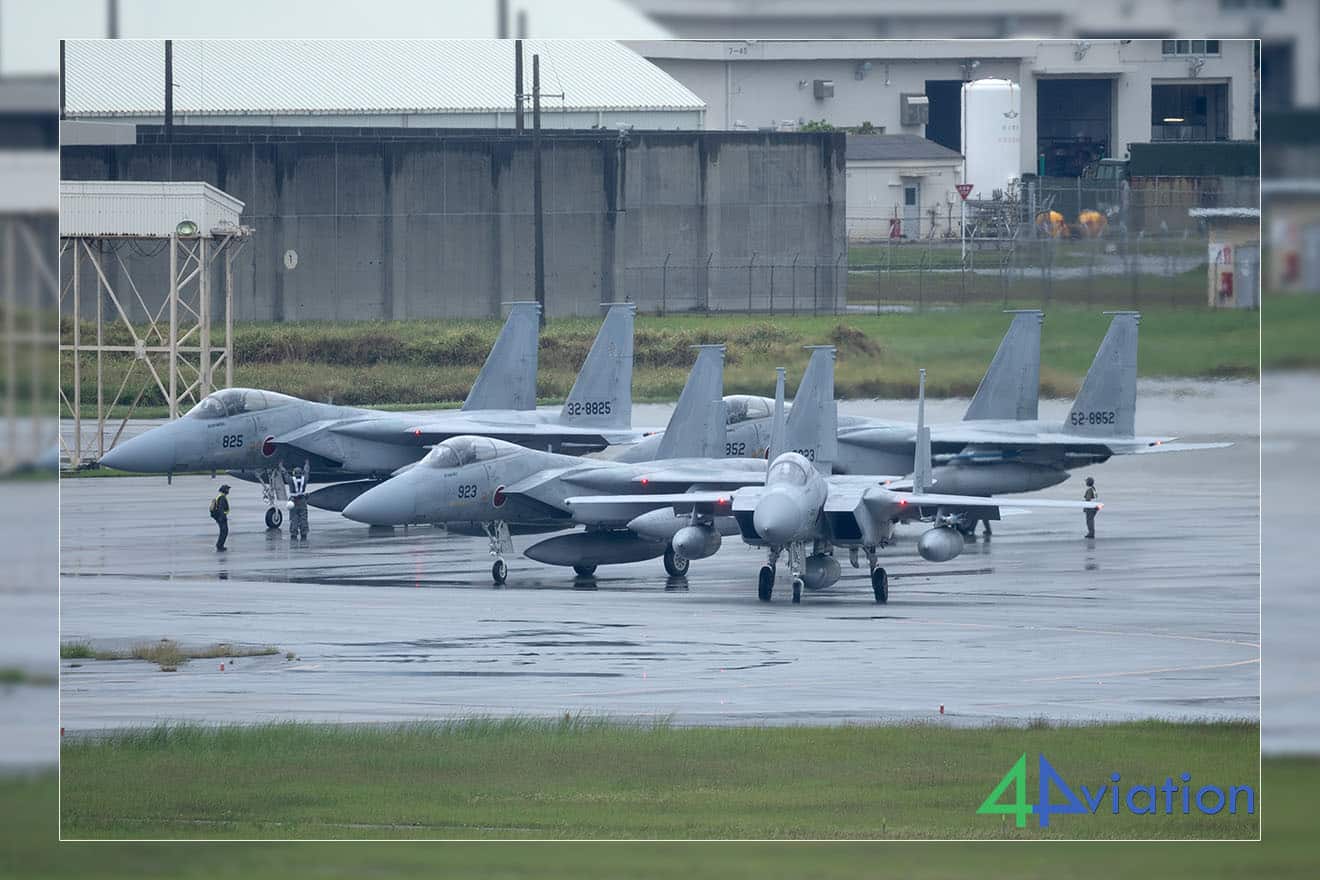
On the ramps there was already a decent collection of aircraft, although the number of F-15 Eagles was somewhat disappointing—only three, which for true Eagle enthusiasts is rather modest. Fortunately, there was plenty of civilian traffic to enjoy. Several participants clearly appreciated the wide variety of Asian airlines that are not commonly seen in Europe.
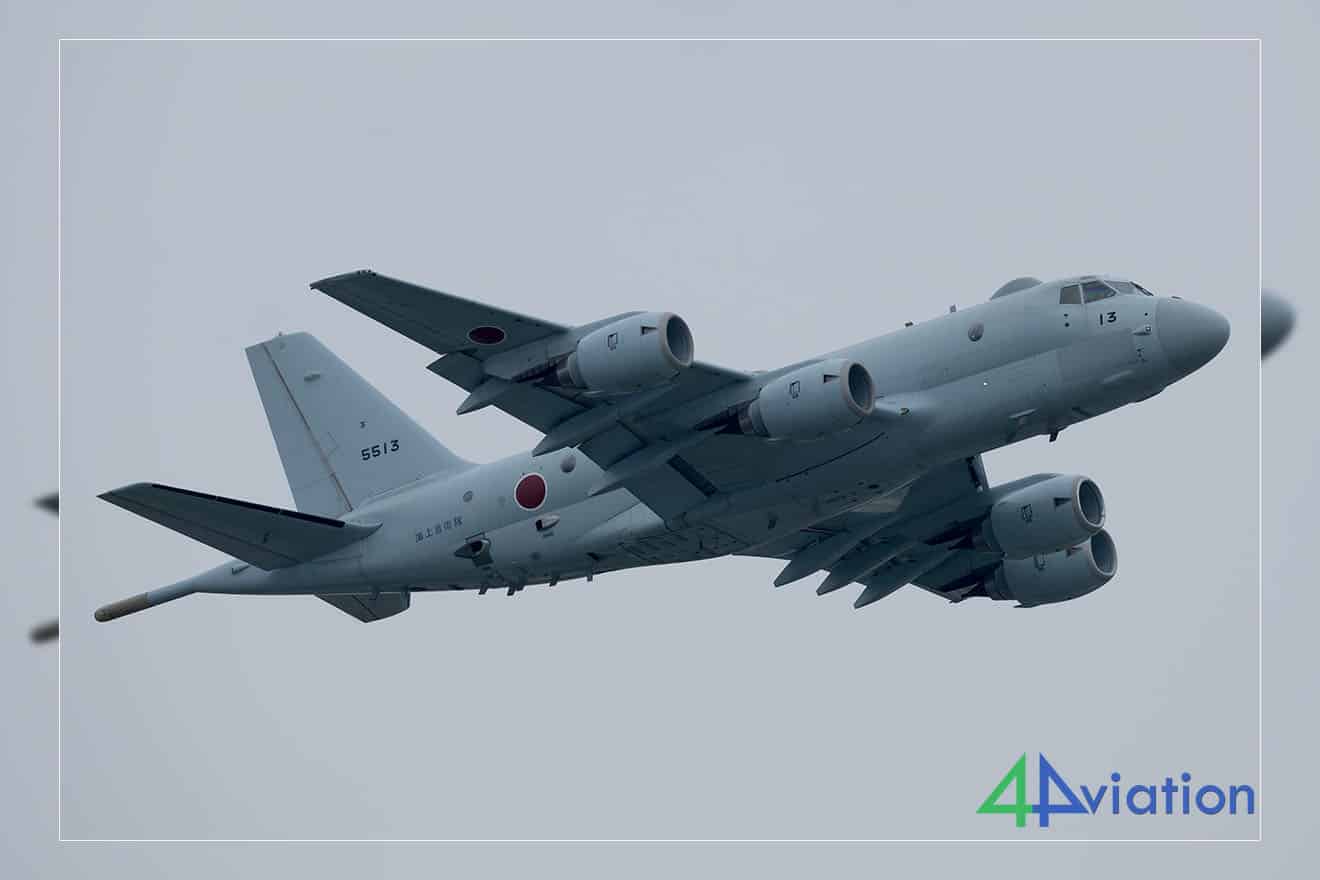
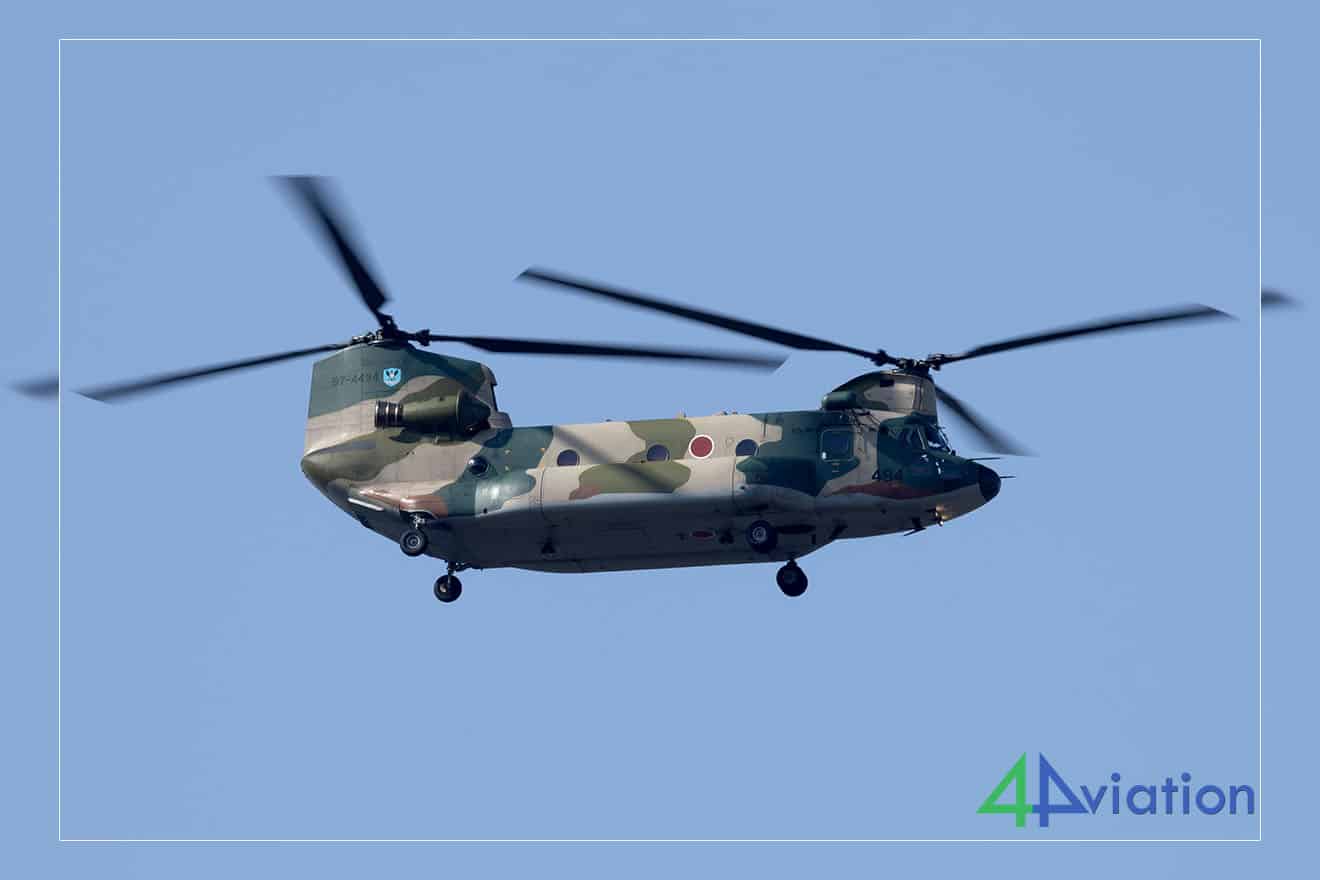
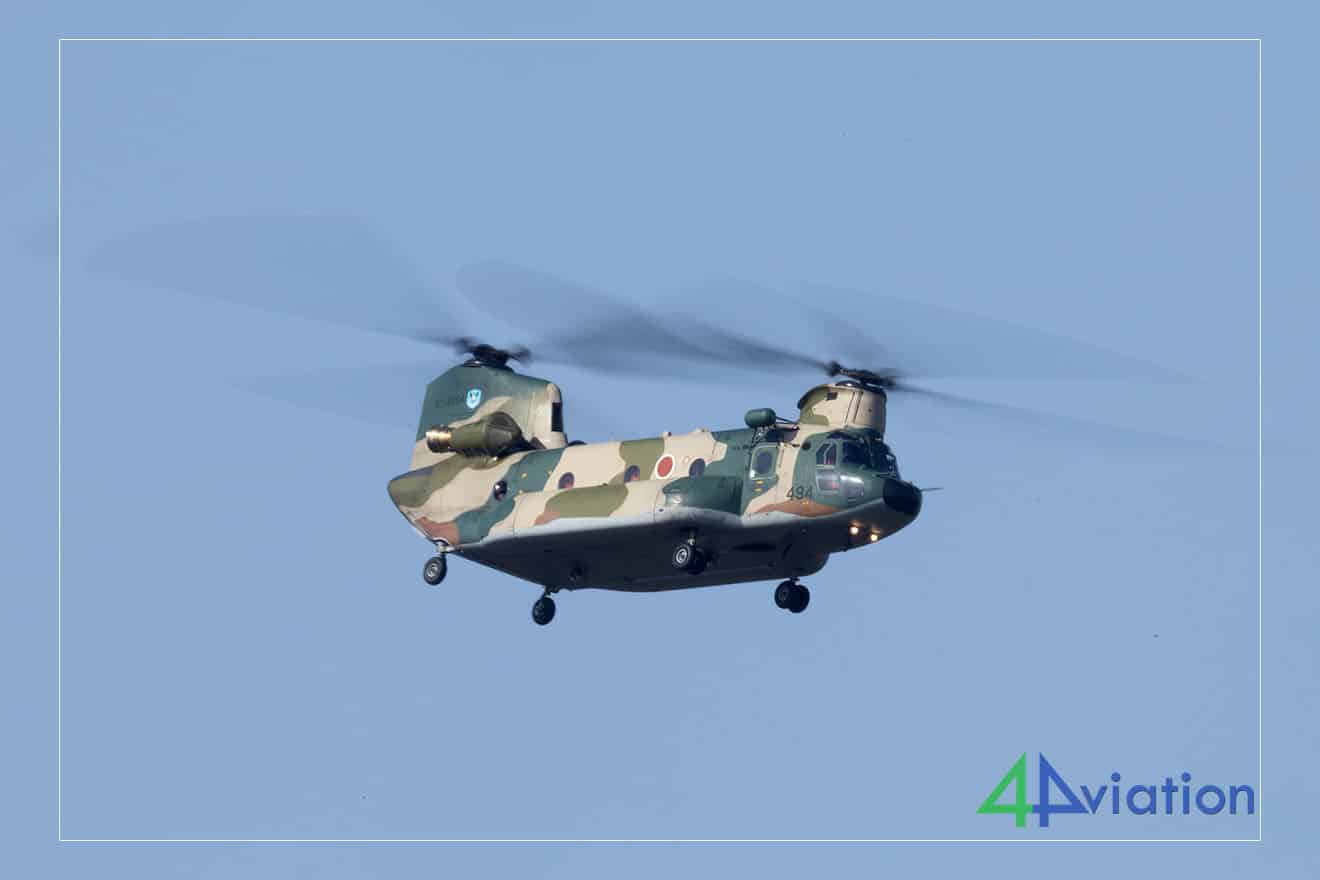
In the morning we saw, among other movements, a Chinook from both the Air Force and Army depart, along with a Kawasaki P-1, an E-2 Hawkeye, and other traffic. When several Eagles were subsequently towed out, we quickly changed location in the hope of more action. That proved to be a good decision, as shortly after arriving we saw two QRA Eagles depart almost immediately at high speed.
The weather unfortunately did not cooperate that day, and neither did the flying activity; it never really became busy. Part of the group therefore wanted to return to the morning location, which in hindsight turned out to be the right choice. There we saw the two QRA Eagles return , after which they moved to the end of the runway where the aircraft were being checked over. This resulted in a great photo opportunity.
At the same time the weather suddenly changed again. Within minutes, a dozen Eagles were rapidly towed back into the shelters, and the ramp was suddenly empty. Time to move on—towards Kadena Air Base. On the map it is not far from Naha, but with Okinawa’s busy roads it still meant almost an hour’s drive.
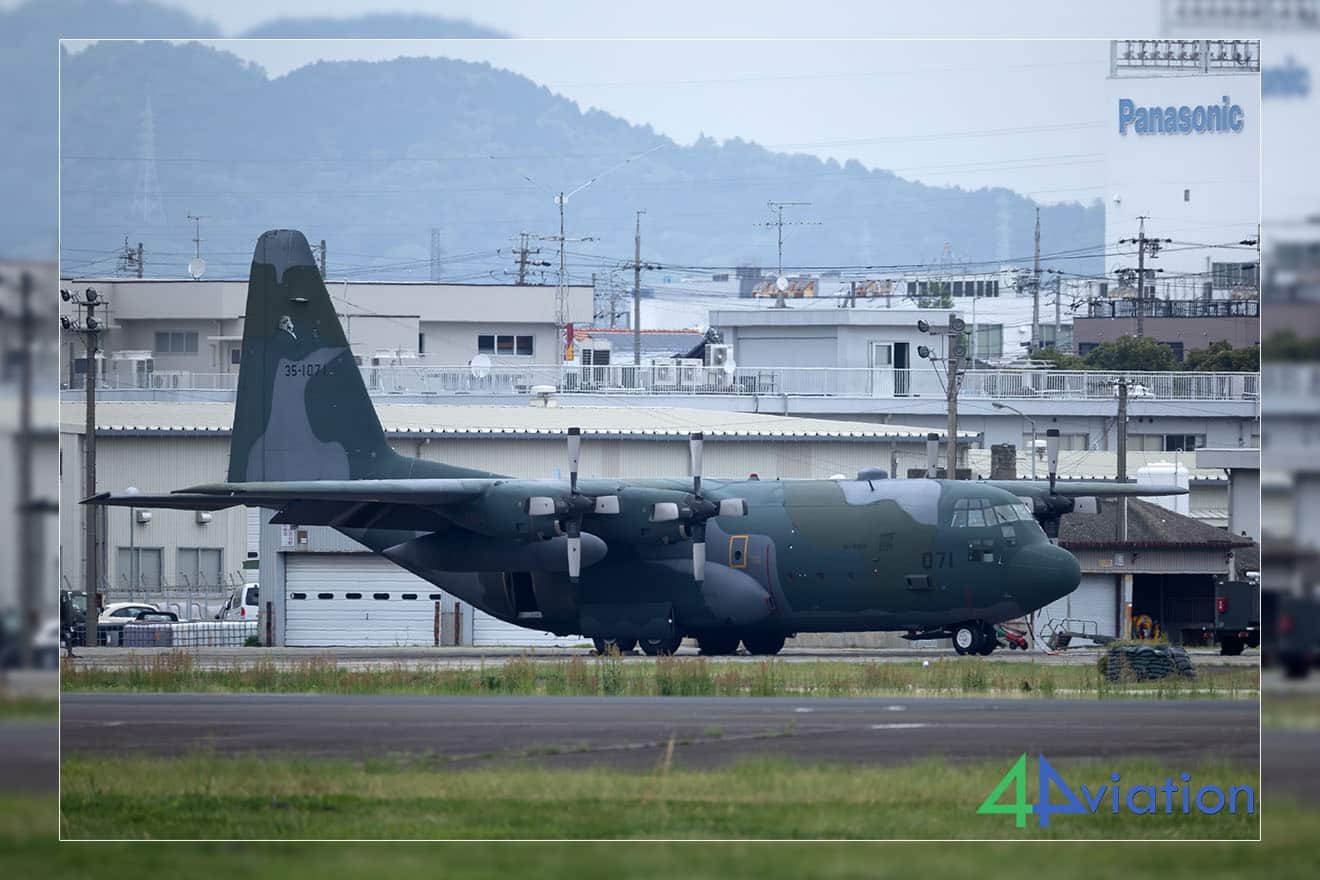
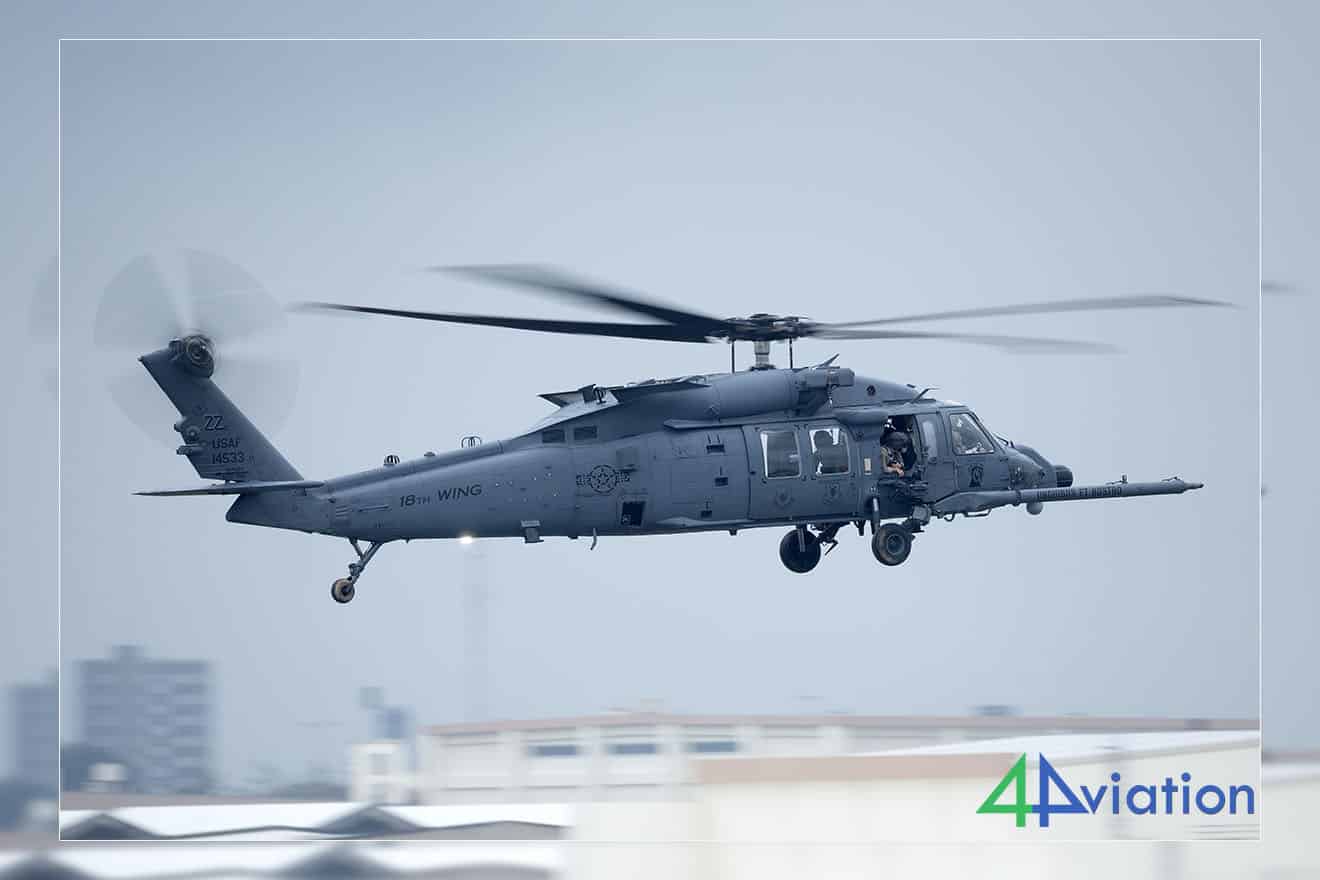
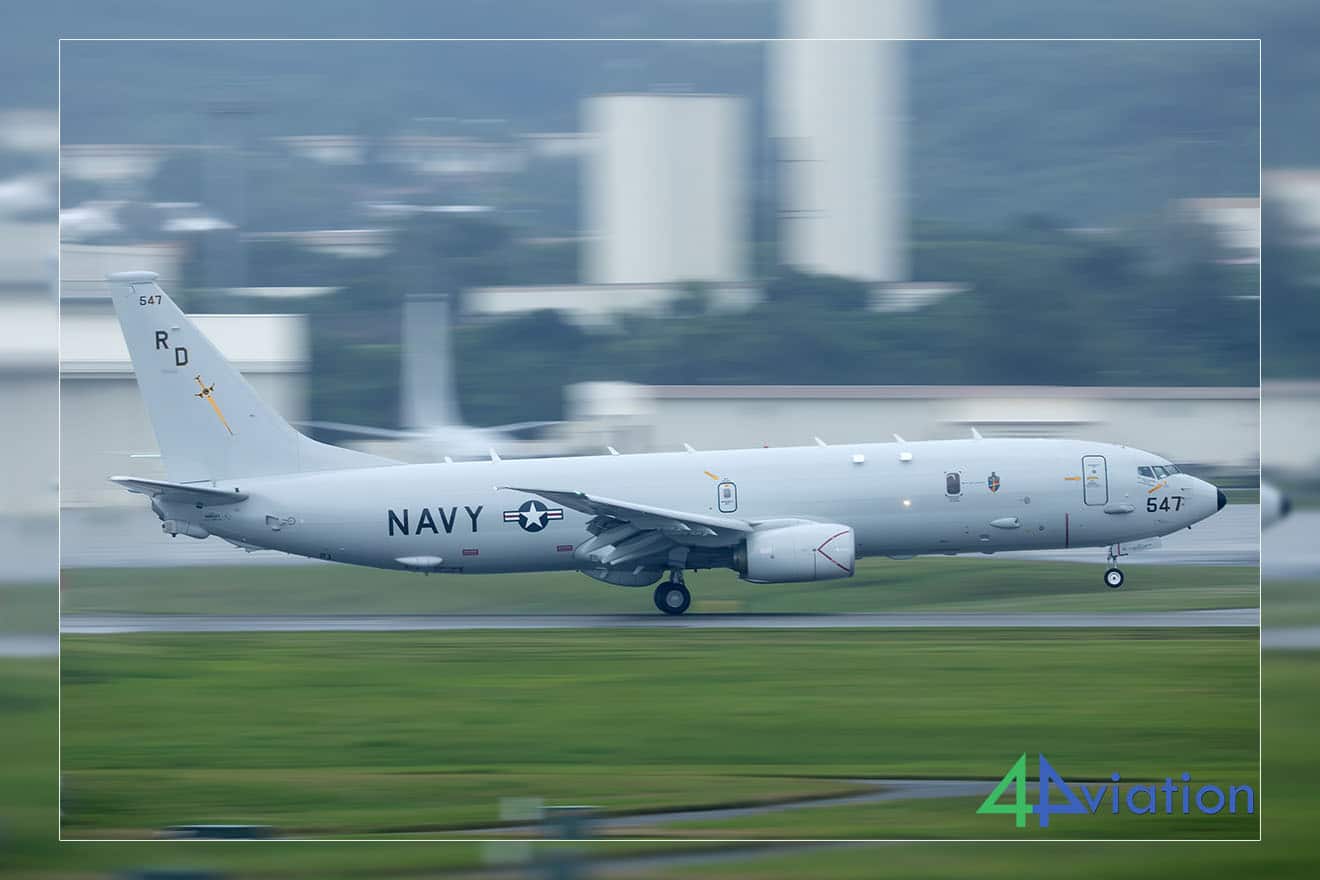
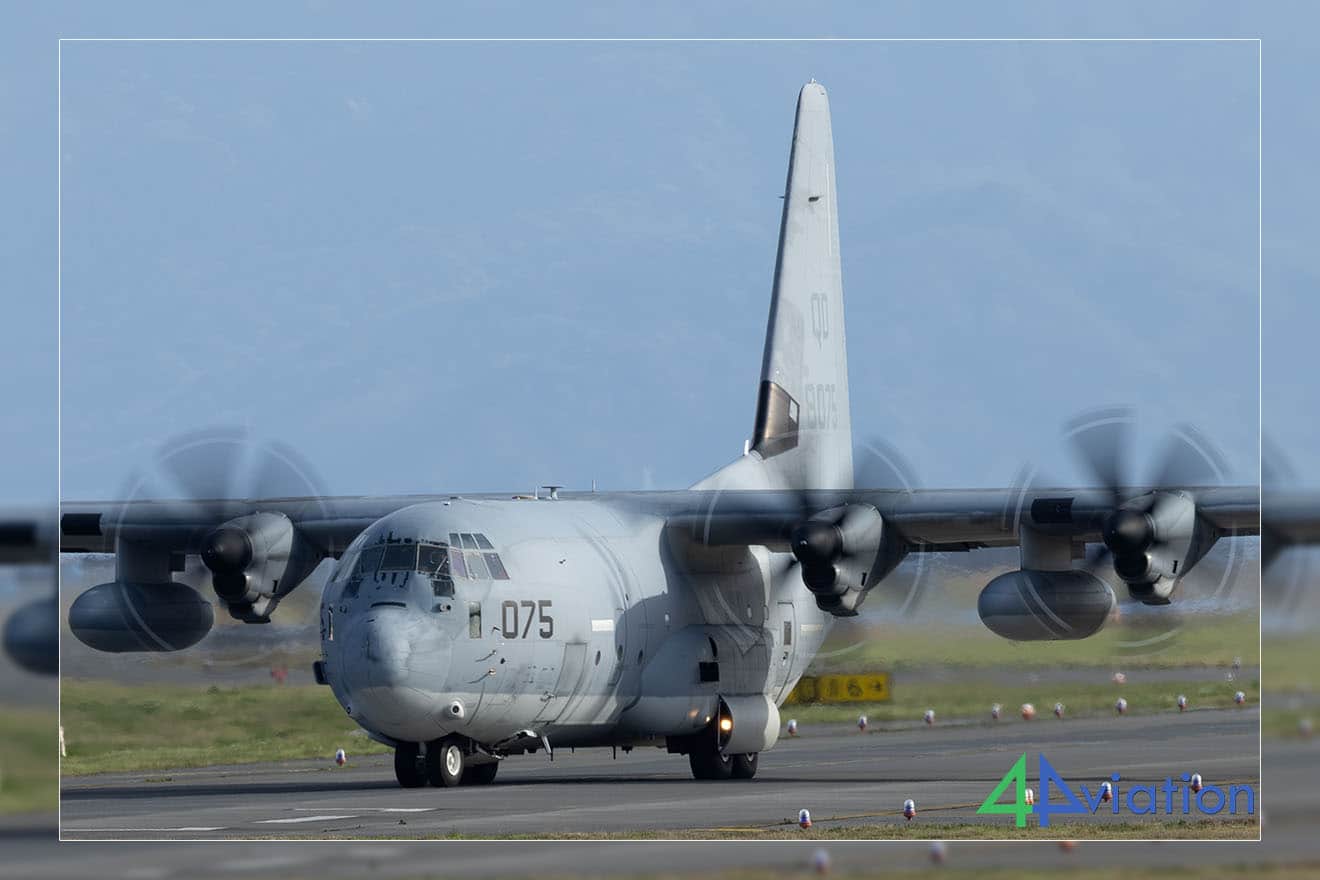
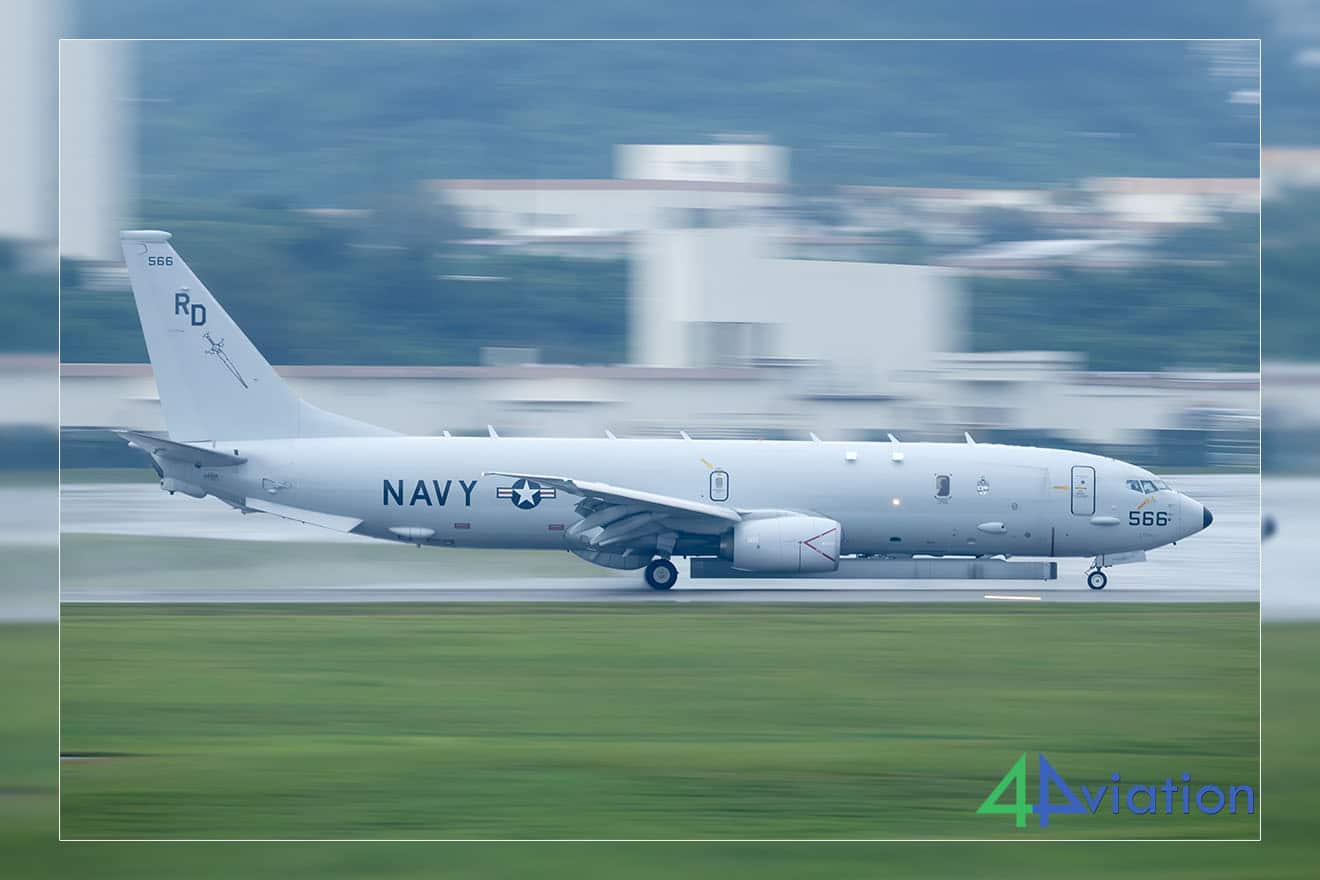
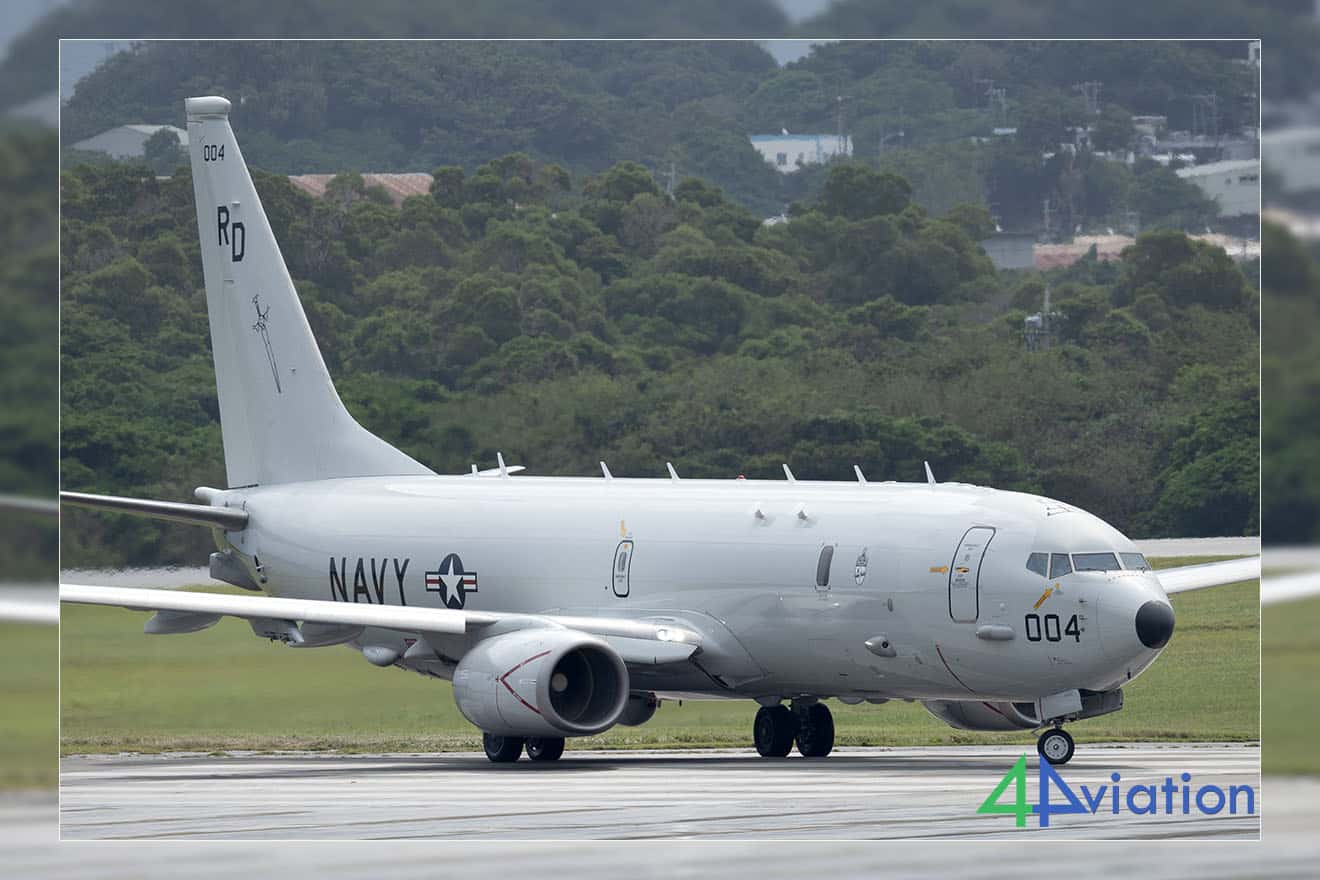
We had only just arrived at Kadena when two USMC aircraft and an MC-130 came in, while an HH-60W was flying circuits. The following hours remained pleasantly active, with several P-8 Poseidons arriving and departing. Despite sometimes challenging light conditions, they were still well photographable.
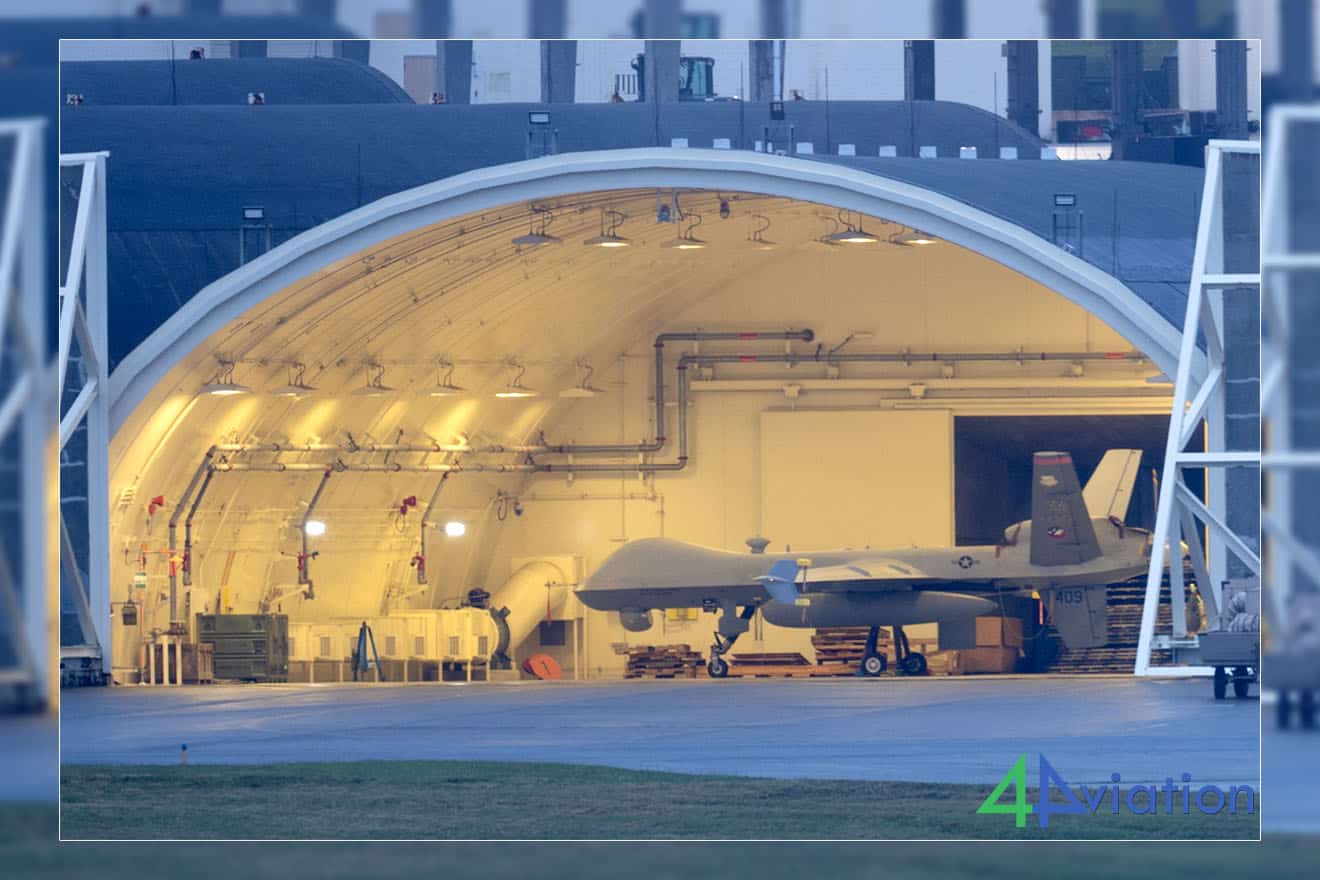
As dusk fell and the lights in the hangars and shelters came on, a few nice evening shots were captured. Around 18:30 the spotting day came to an end and we drove back to the hotel. Soon afterwards the whole group gathered in the hotel’s cosy traditional Japanese restaurant to discuss the day over a good meal. On to tomorrow.
Storm over Kadena – but the action continues
The weather forecast for Tuesday 7 April 2026 was frankly poor, with warnings even issued for strong storms moving across Okinawa. Nevertheless, we set off early in heavy rain towards Kadena Air Base for a morning session.
Once there, however, it surprisingly turned out to be dry and fairly clear. That meant we could continue where we had left off the previous day: photographing aircraft. The first interesting departure was a New Zealand P-8 Poseidon. At least… not everyone actually saw it fly. Part of the group had decided to drive around the airfield to collect serials, which worked well, but meant missing this unique departure. Fortunately, we had already seen it on the ramp the day before.
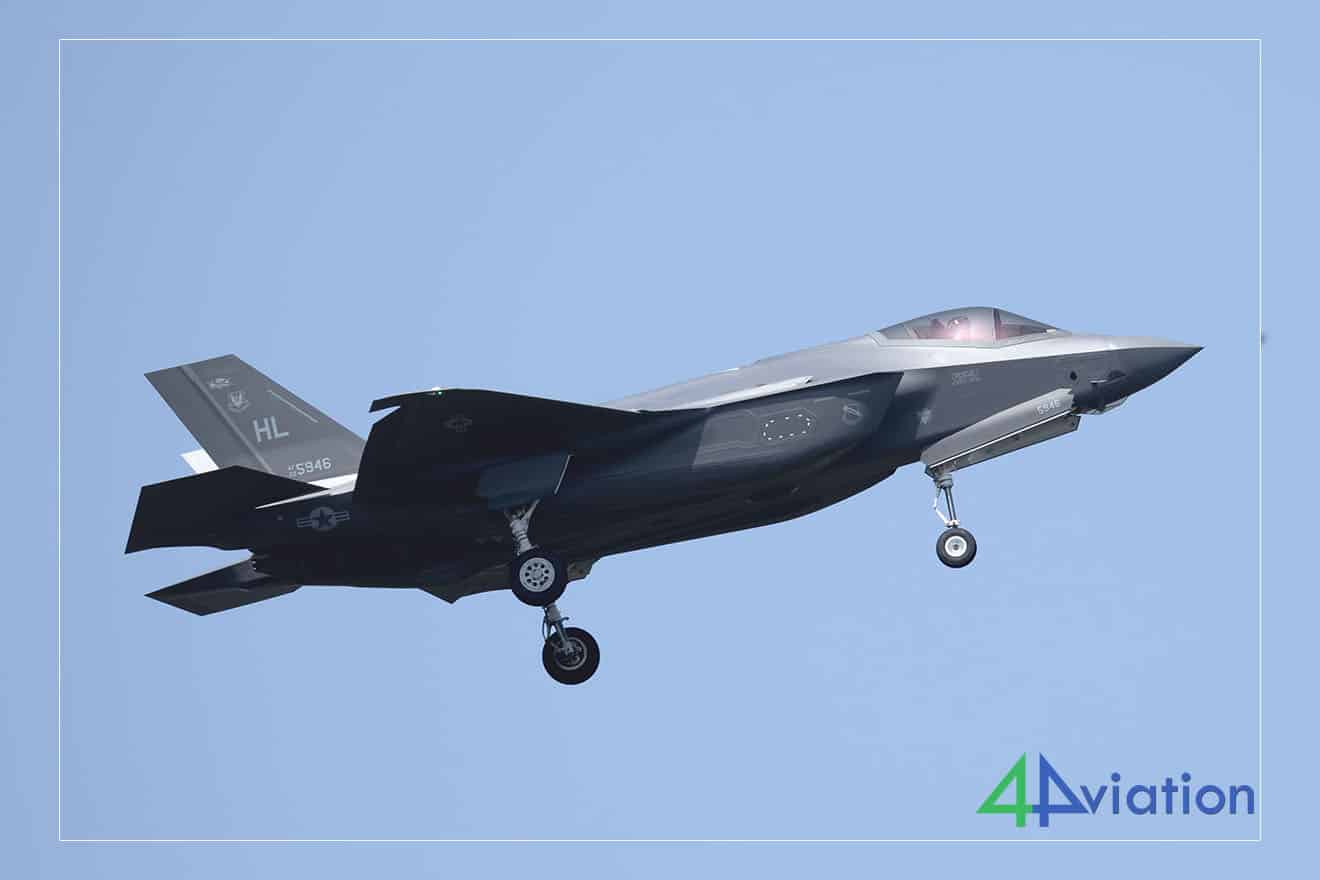
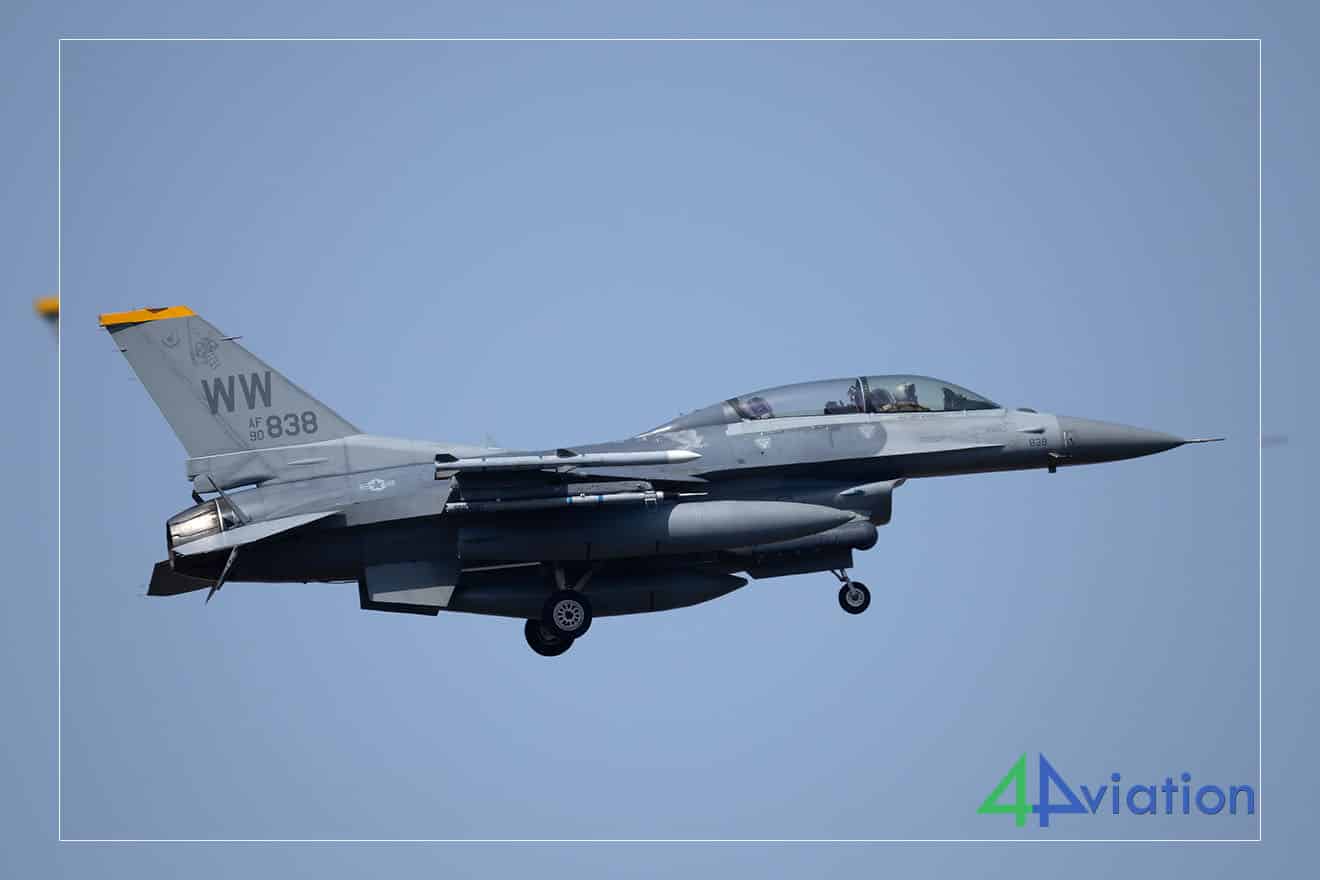
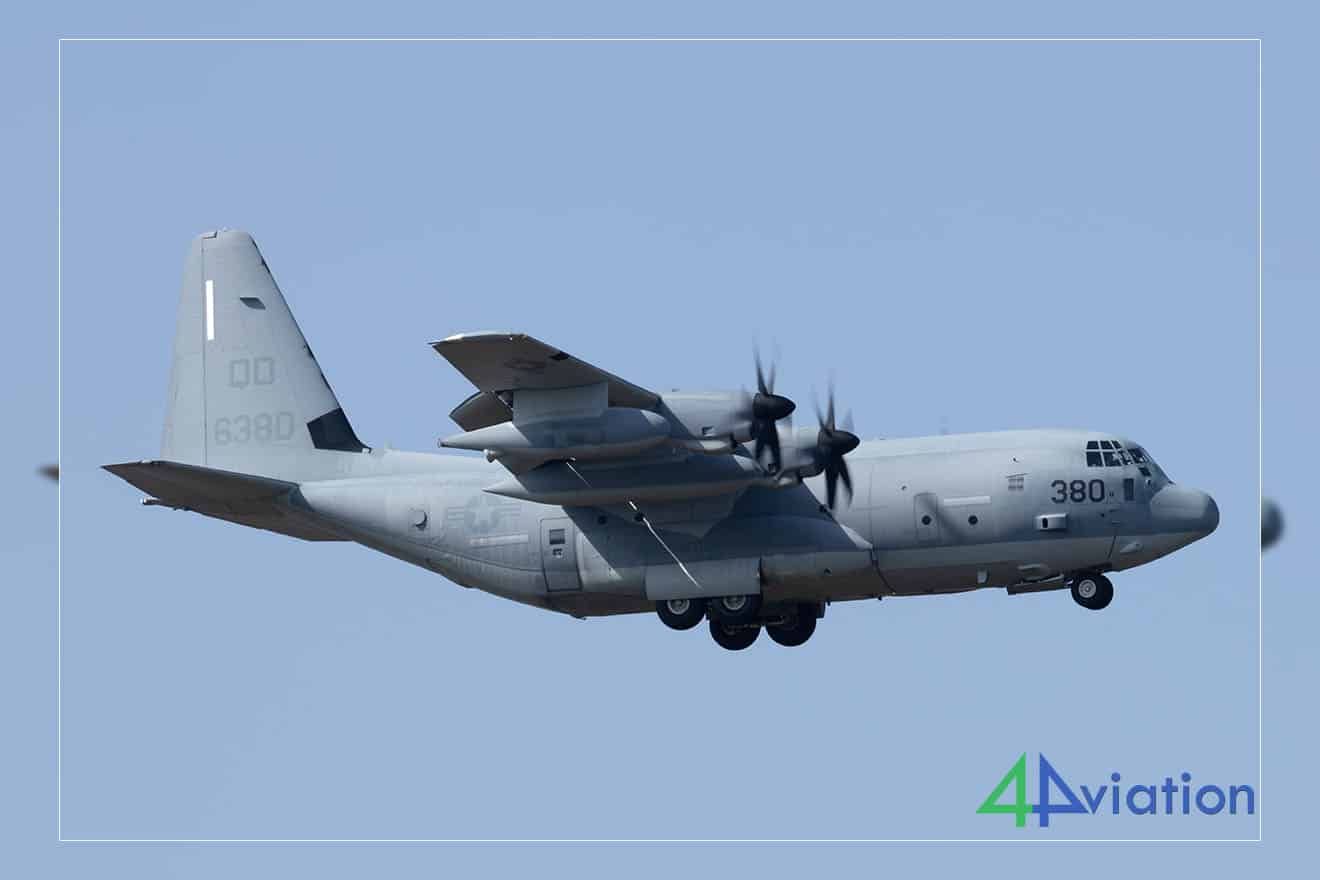
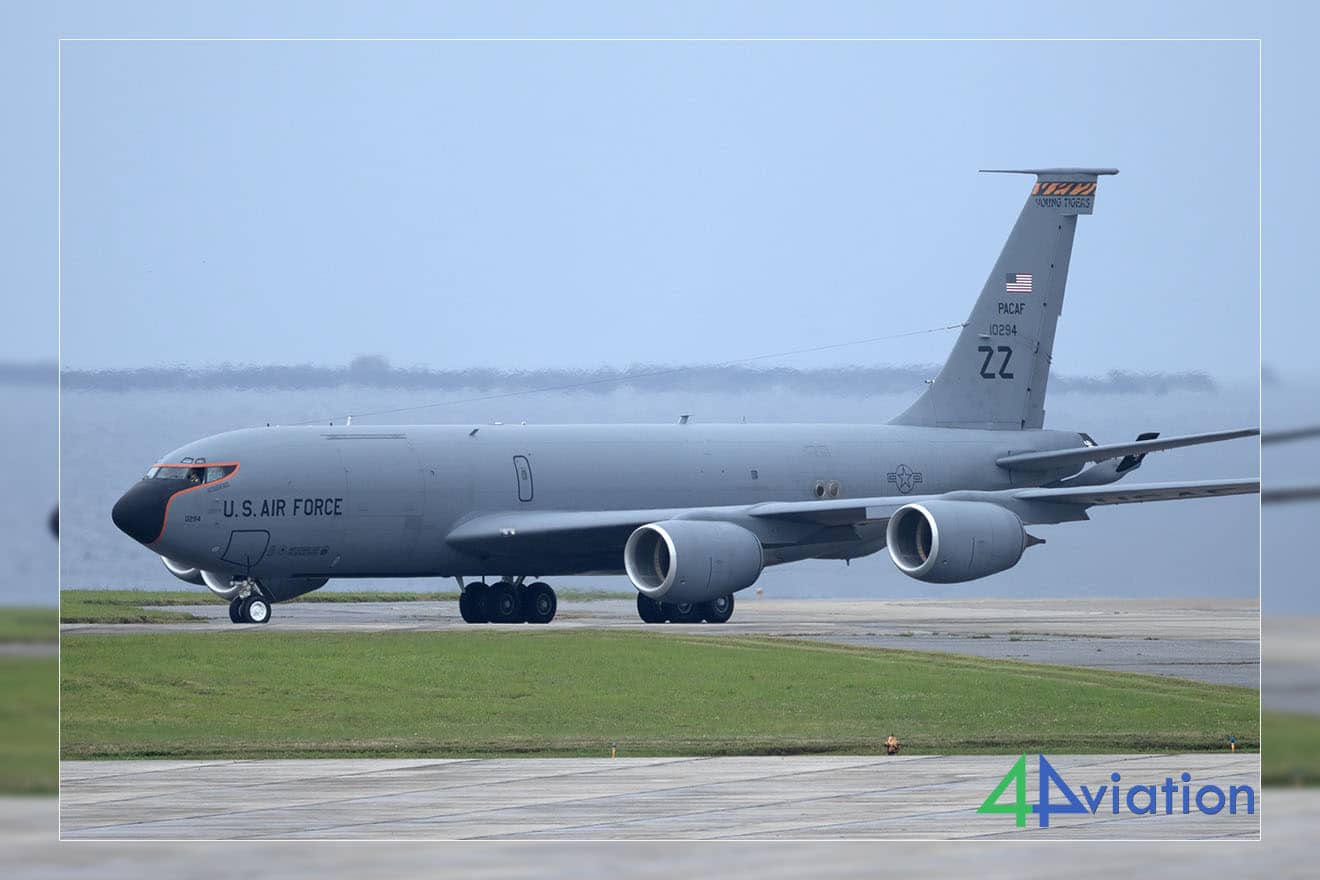
Further departures included a USMC KC-130J, several KC-135s, and more P-8s, but fighter activity remained notably quiet. Since the local Eagles had left about a year earlier, Kadena has been filled with rotating units. During our visit there were F-16s from Colorado and Atlantic City, and F-35s from Eielson and Hill AFB—excellent material, but only when they fly.
Across the ramp, two US Navy MQ-4C Tritons were parked, which we had also seen the previous day. These were briefly towed out, giving us a good opportunity to photograph them.
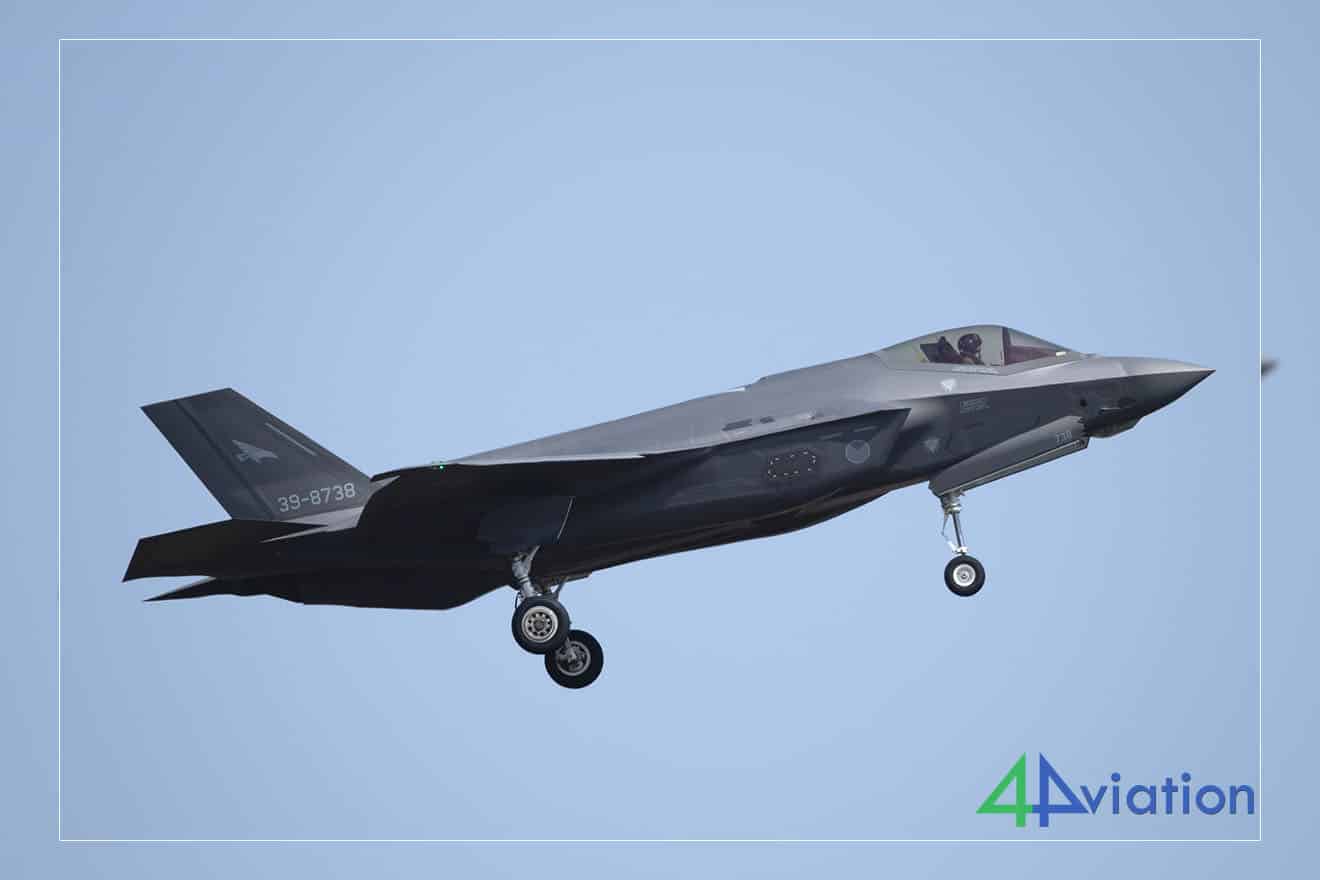
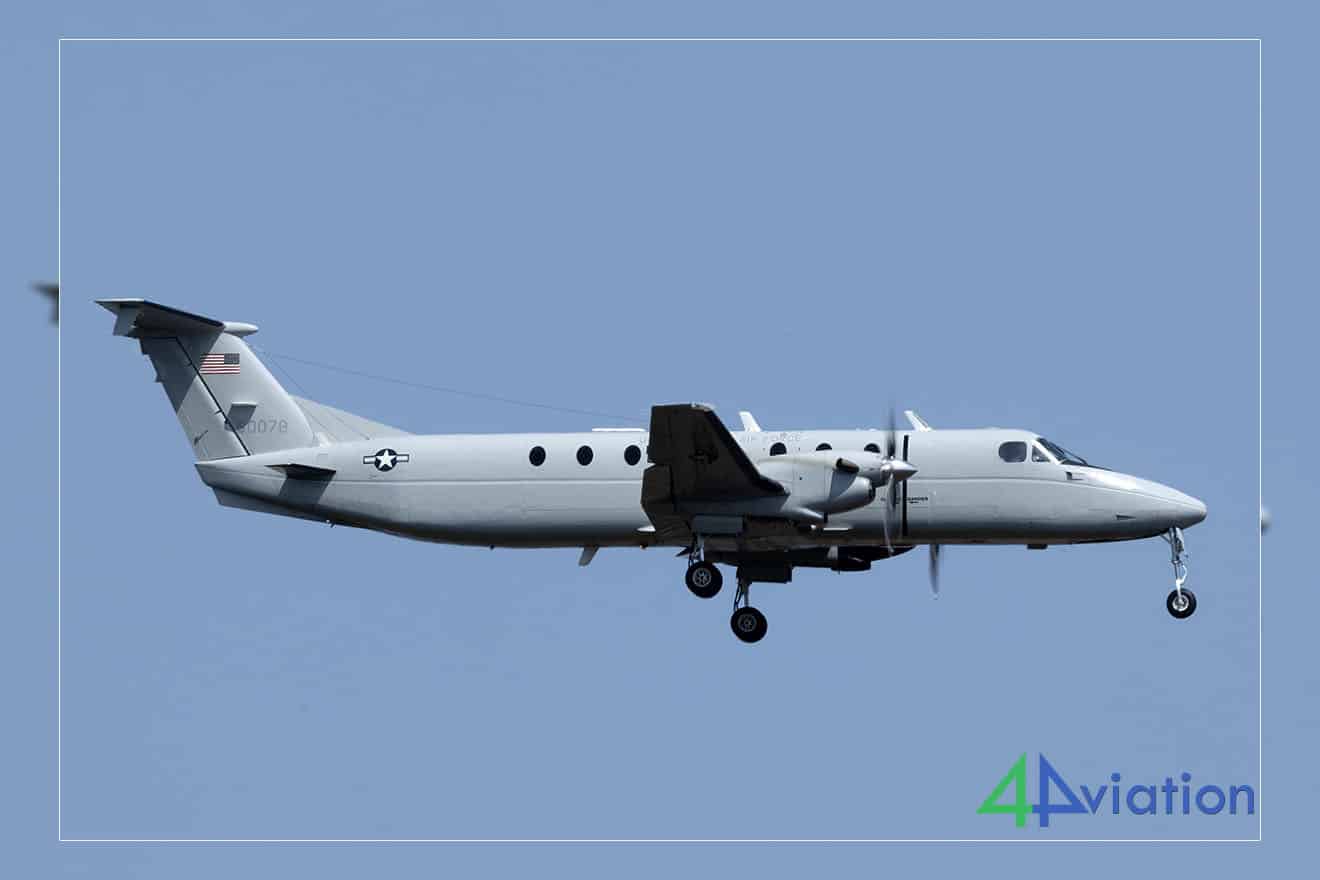
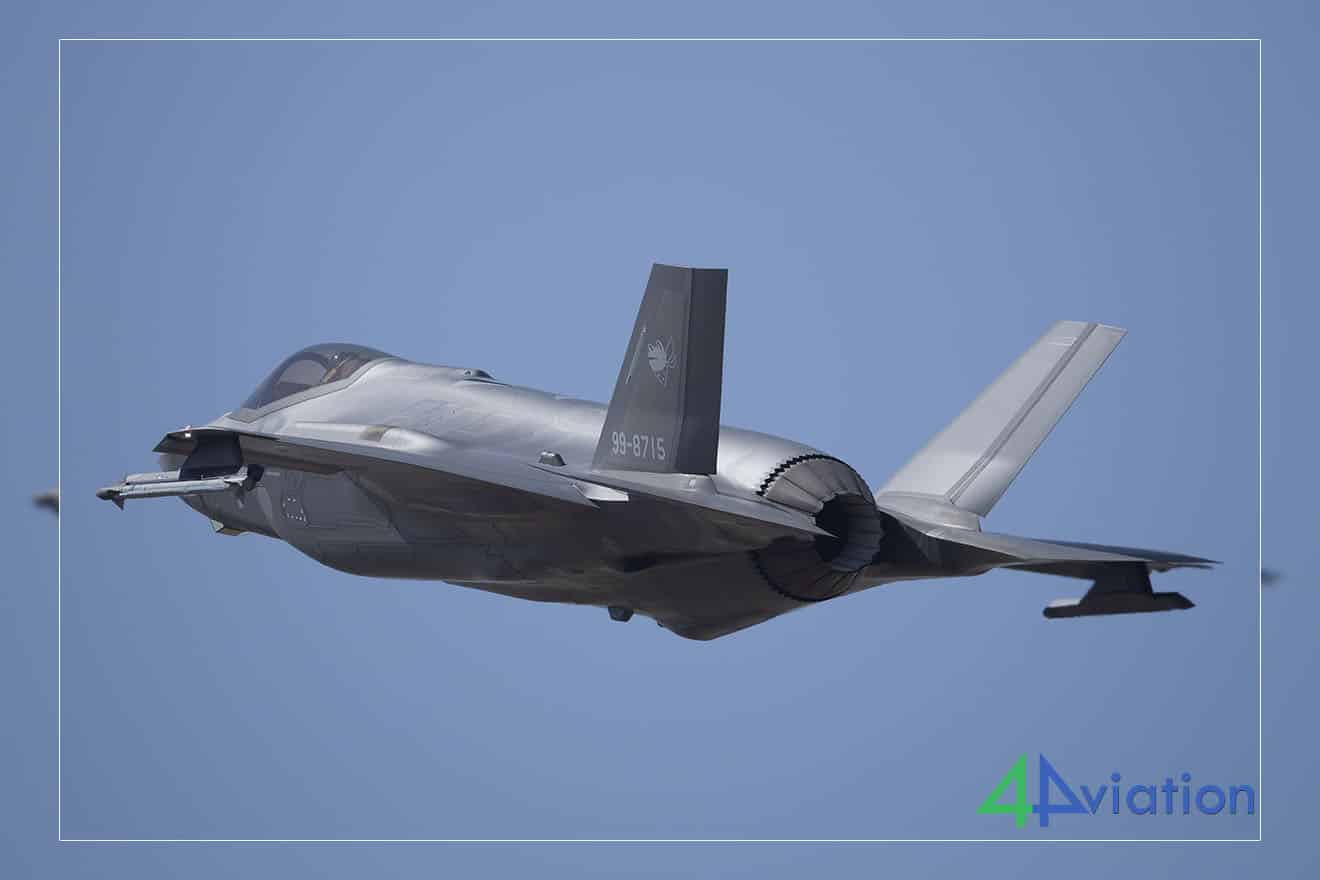
Just as we were about to head back towards Naha, activity suddenly picked up. An E-11 taxied out for departure, and almost simultaneously four F-35s became active—two from Hill and two from Alaska. At exactly that moment, the weather changed again and a heavy rain shower hit us. Despite this, all four were quickly followed by seven additional F-35s, several of which could still be captured well.
We then drove back to Naha, as we were scheduled to fly to Fukuoka later that day. Upon arrival at Naha, another intense rain cell passed over, reducing visibility on the ramp almost completely. Fortunately, it cleared quickly, and real Eagle activity resumed: four Eagles arrived and several departed—exactly what we had hoped for.
After check-in, we still had time on the observation deck, where more F-15 movements were seen before boarding.
The flight to Fukuoka went smoothly on an ANA Boeing 737. Upon arrival, we picked up two more rental cars at the domestic terminal—these would remain with us until Sunday.
F-2 paradise on the coast – Tsuiki in top form
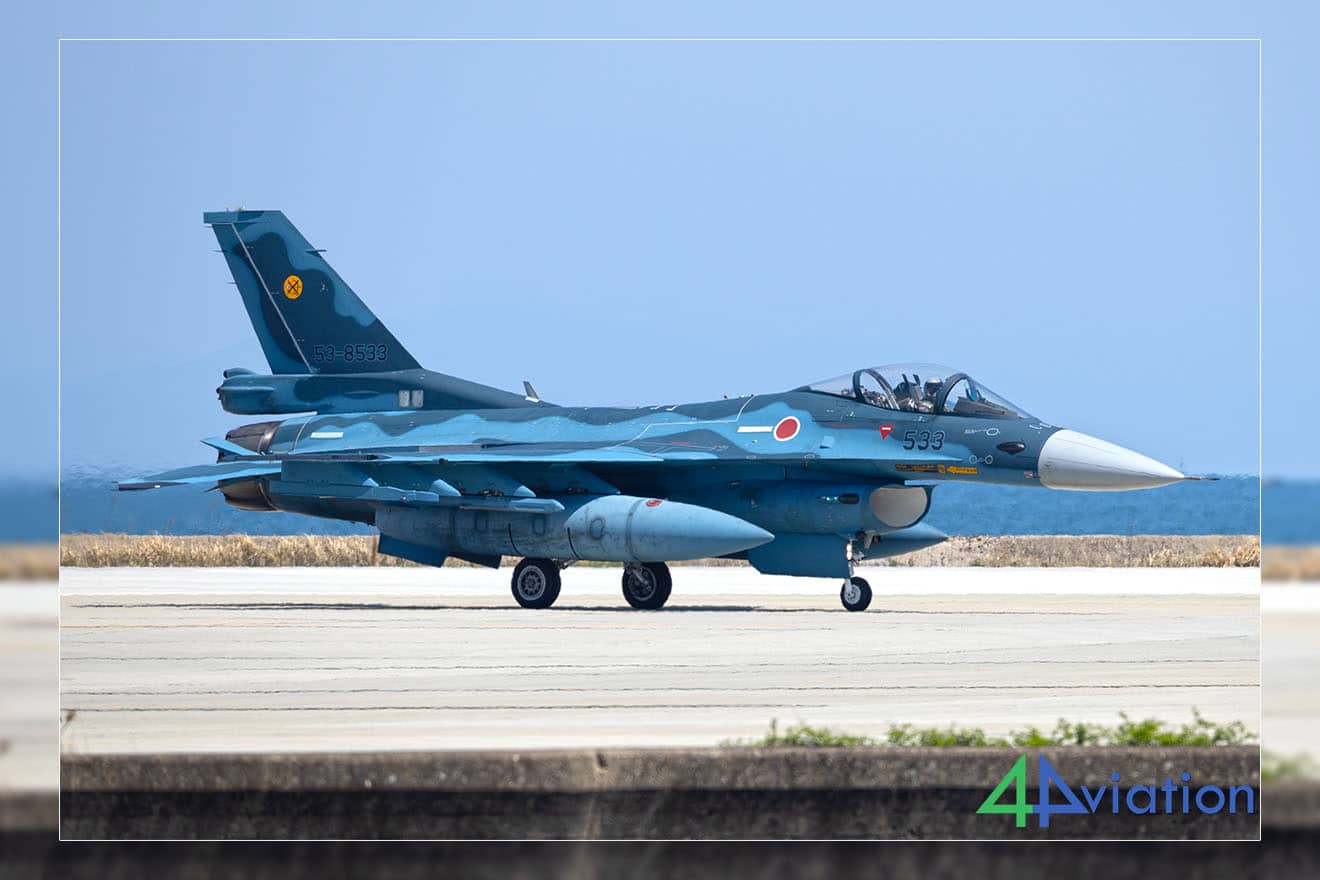
Wednesday 8 April 2026 was dedicated to JASDF Tsuiki, about a 1.5-hour drive away. This base is home to two unique Mitsubishi F-2 squadrons and had long been high on the list.
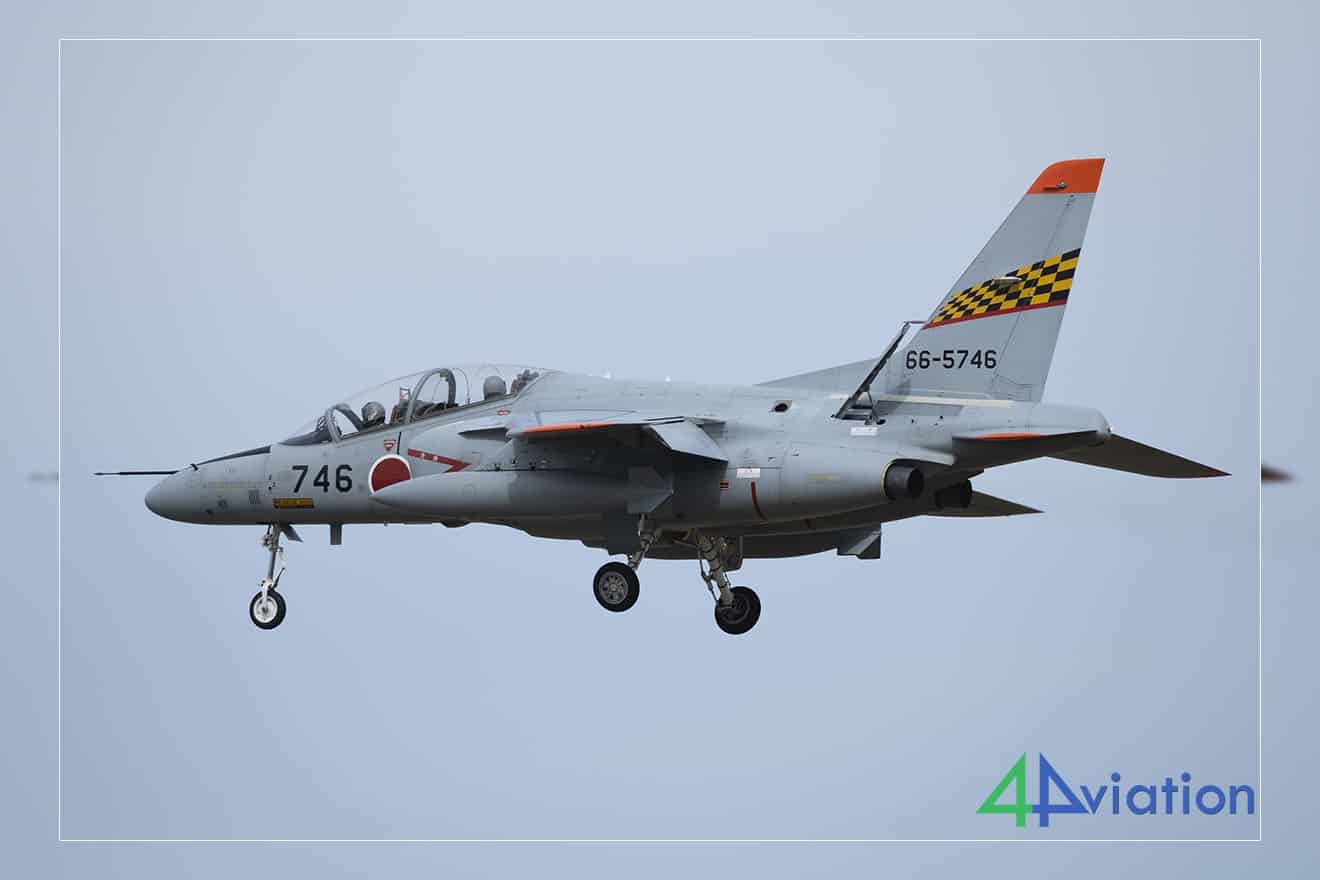
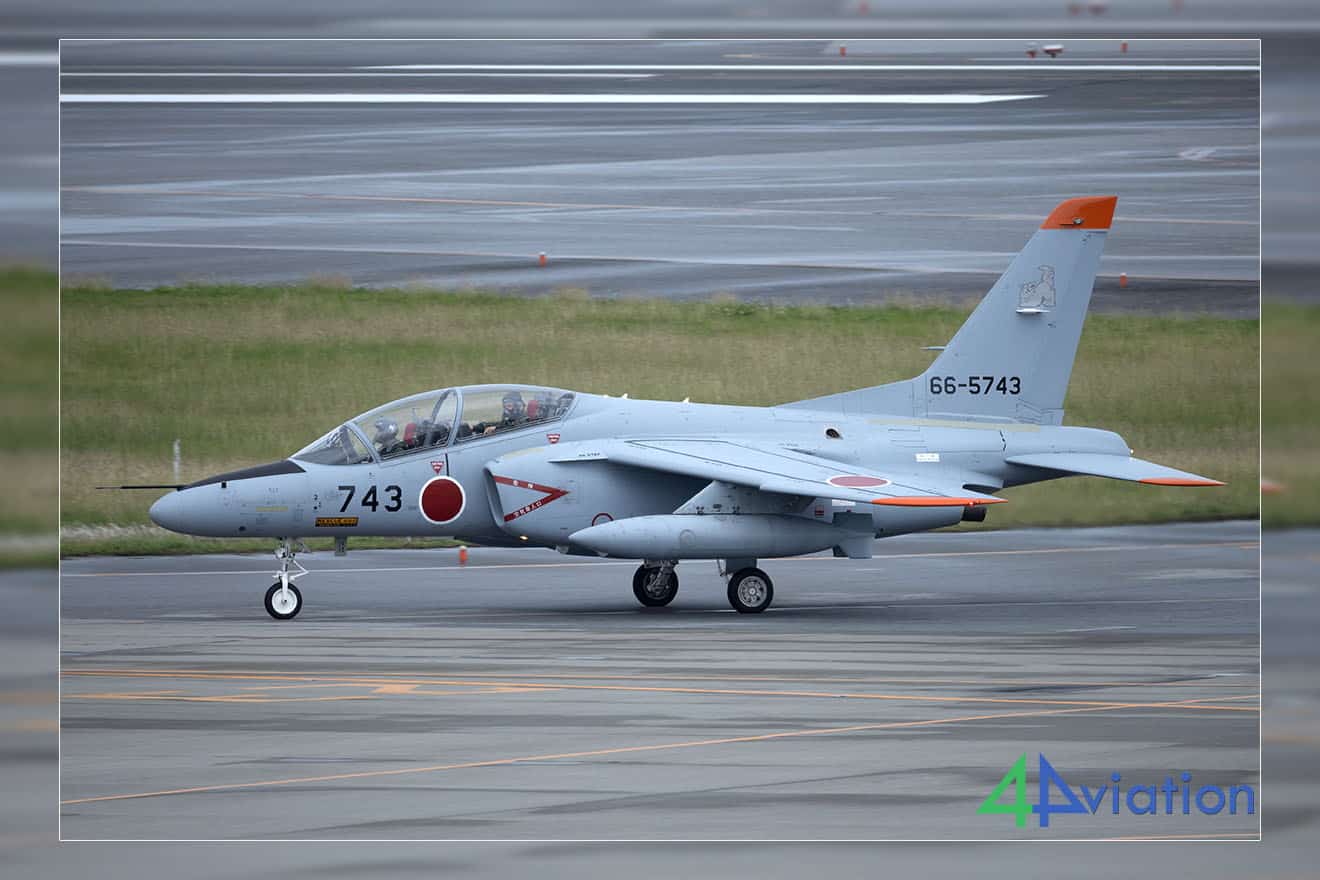
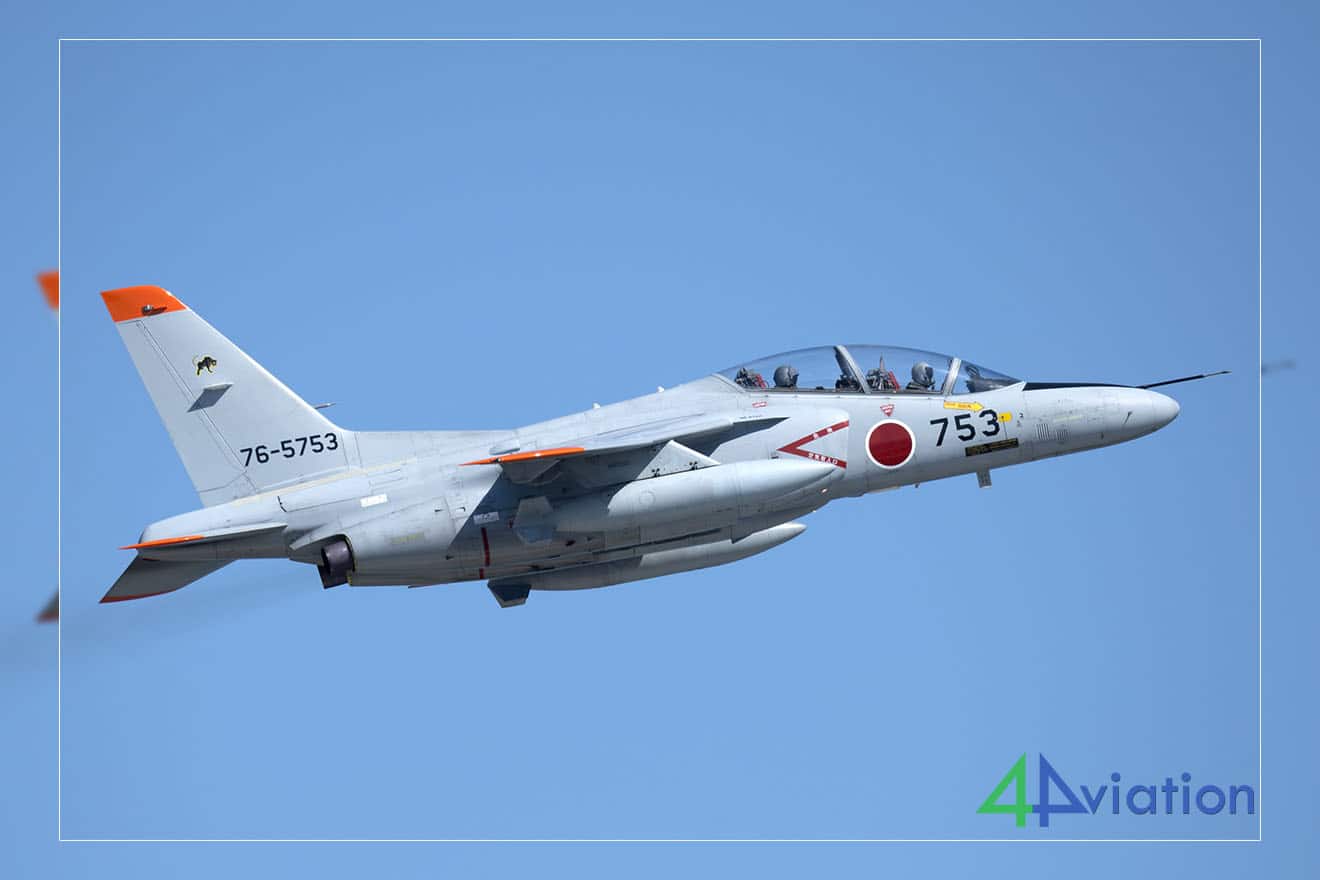
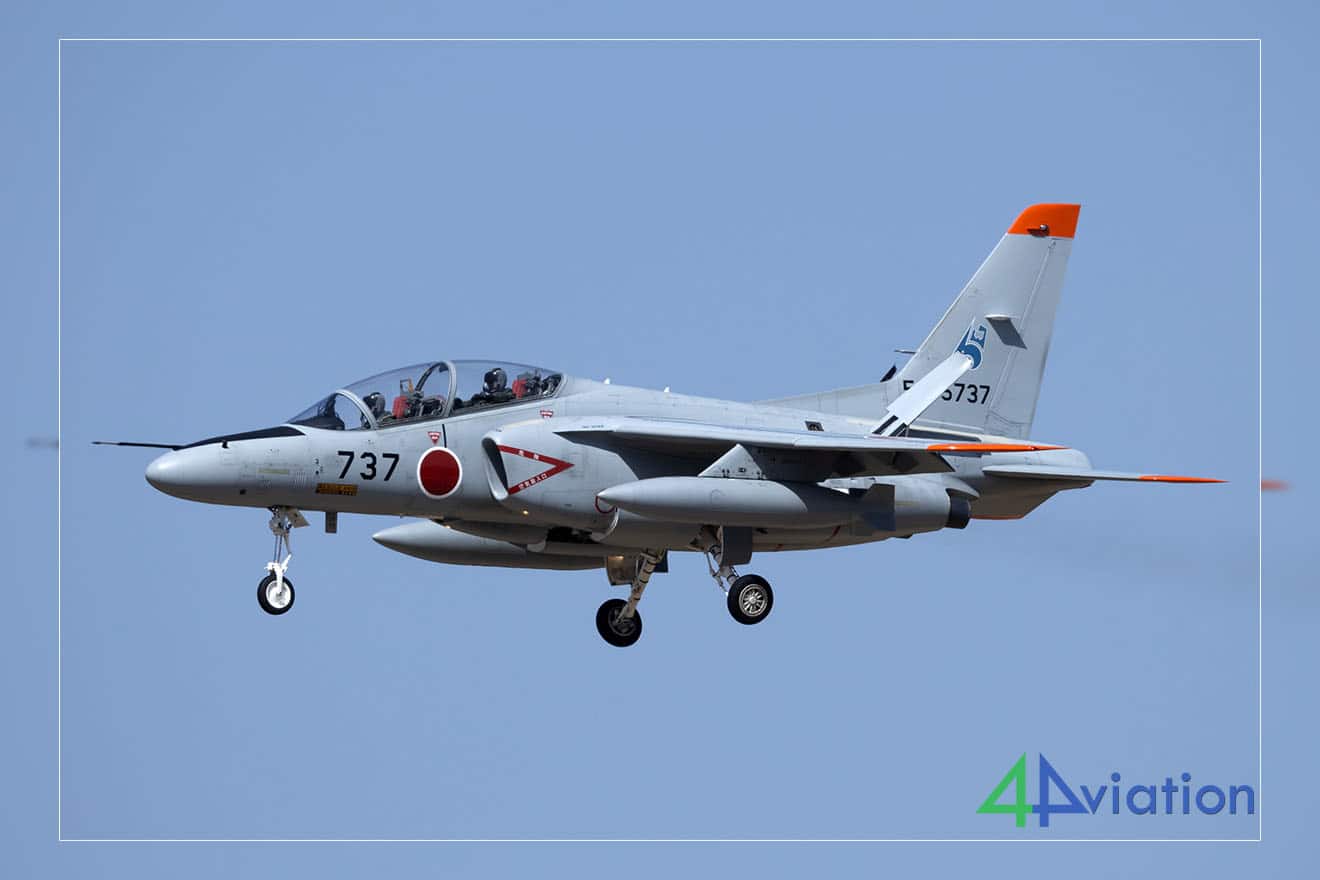
Upon arrival at the spotting location, we were greeted by clear blue skies, although the ramp itself was not particularly busy. It was clear that aircraft had already departed, confirmed when a T-4 trainer performed a low approach over the runway. That was the signal to move to the coastal location—the ideal spot for both departures and arrivals.
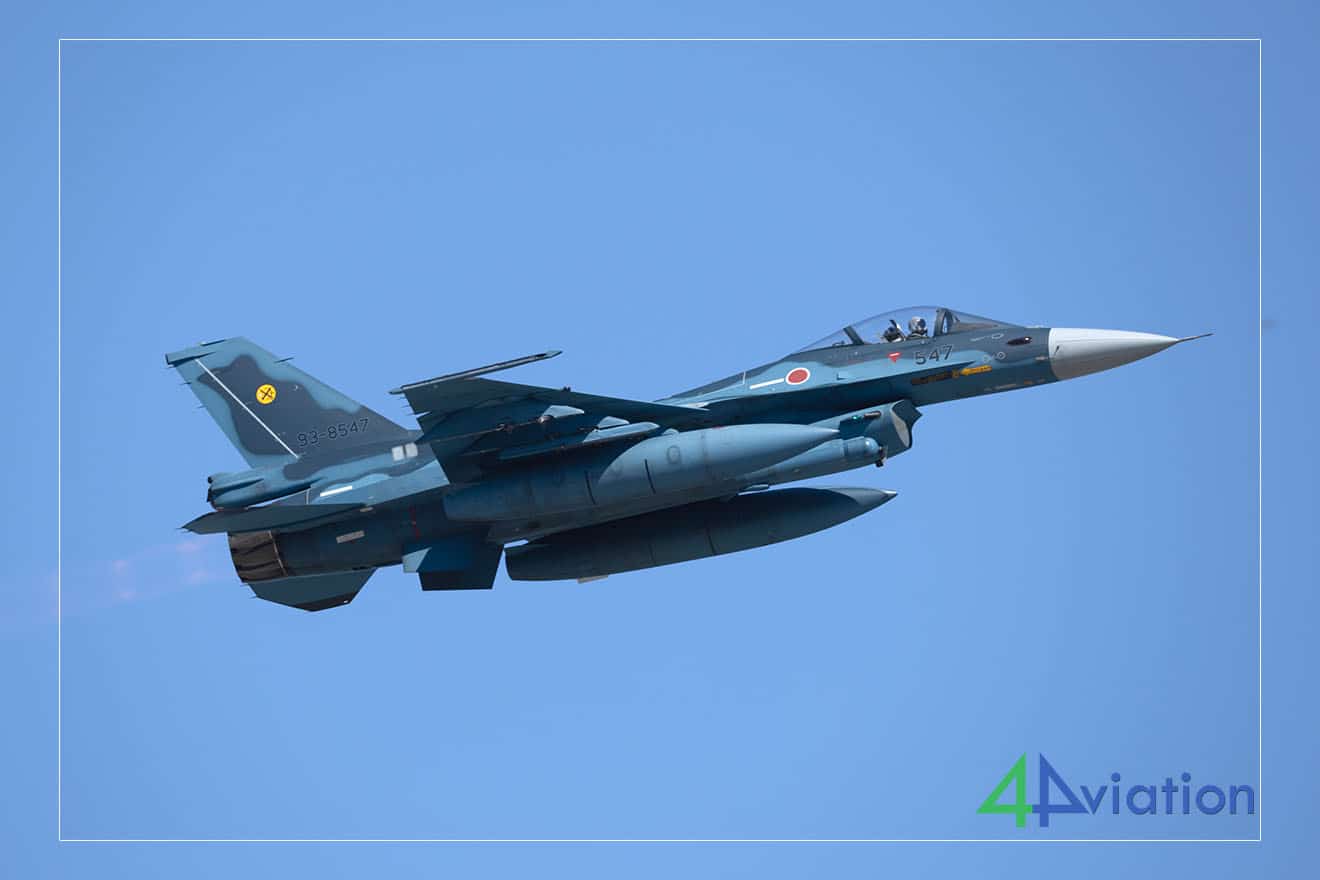
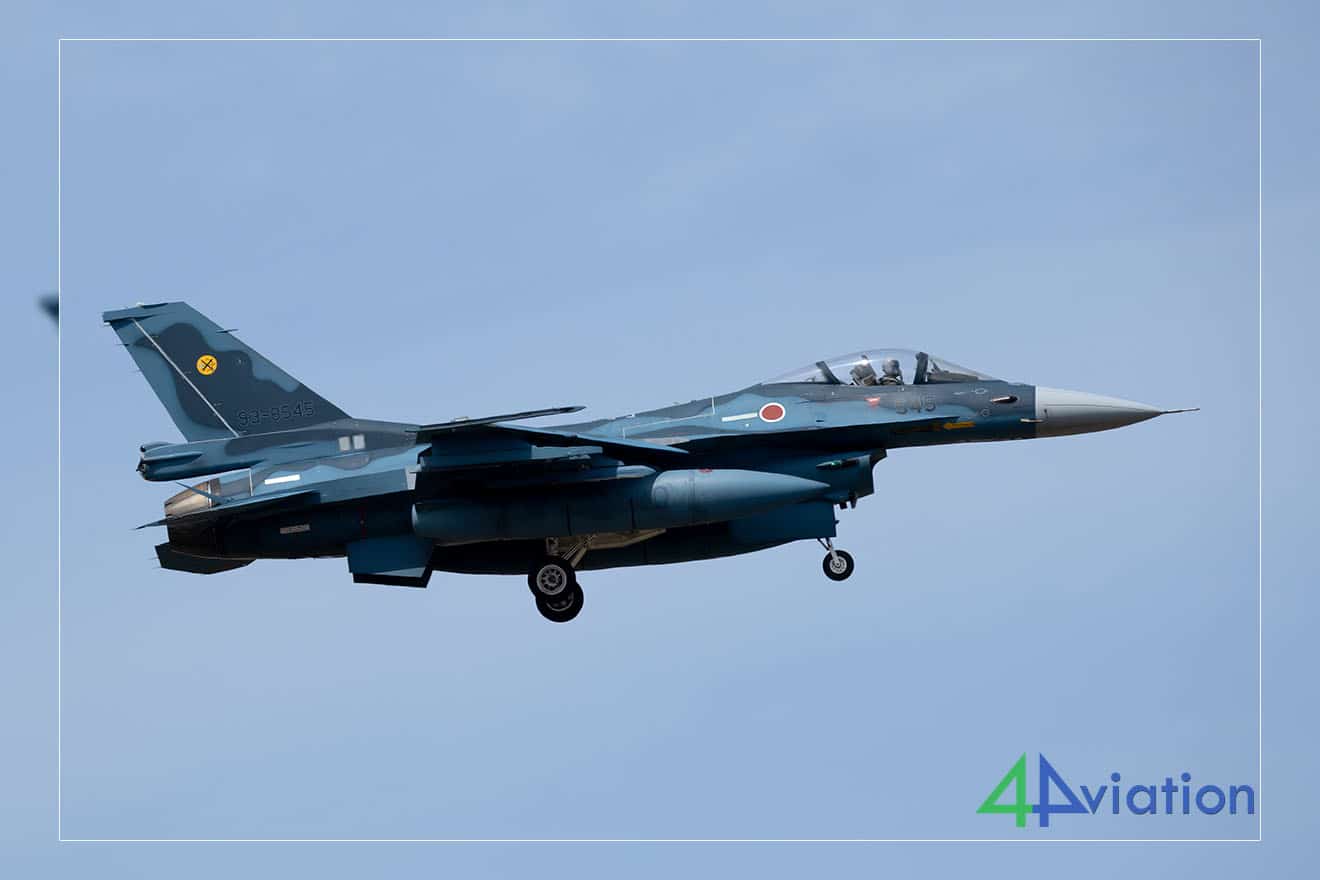
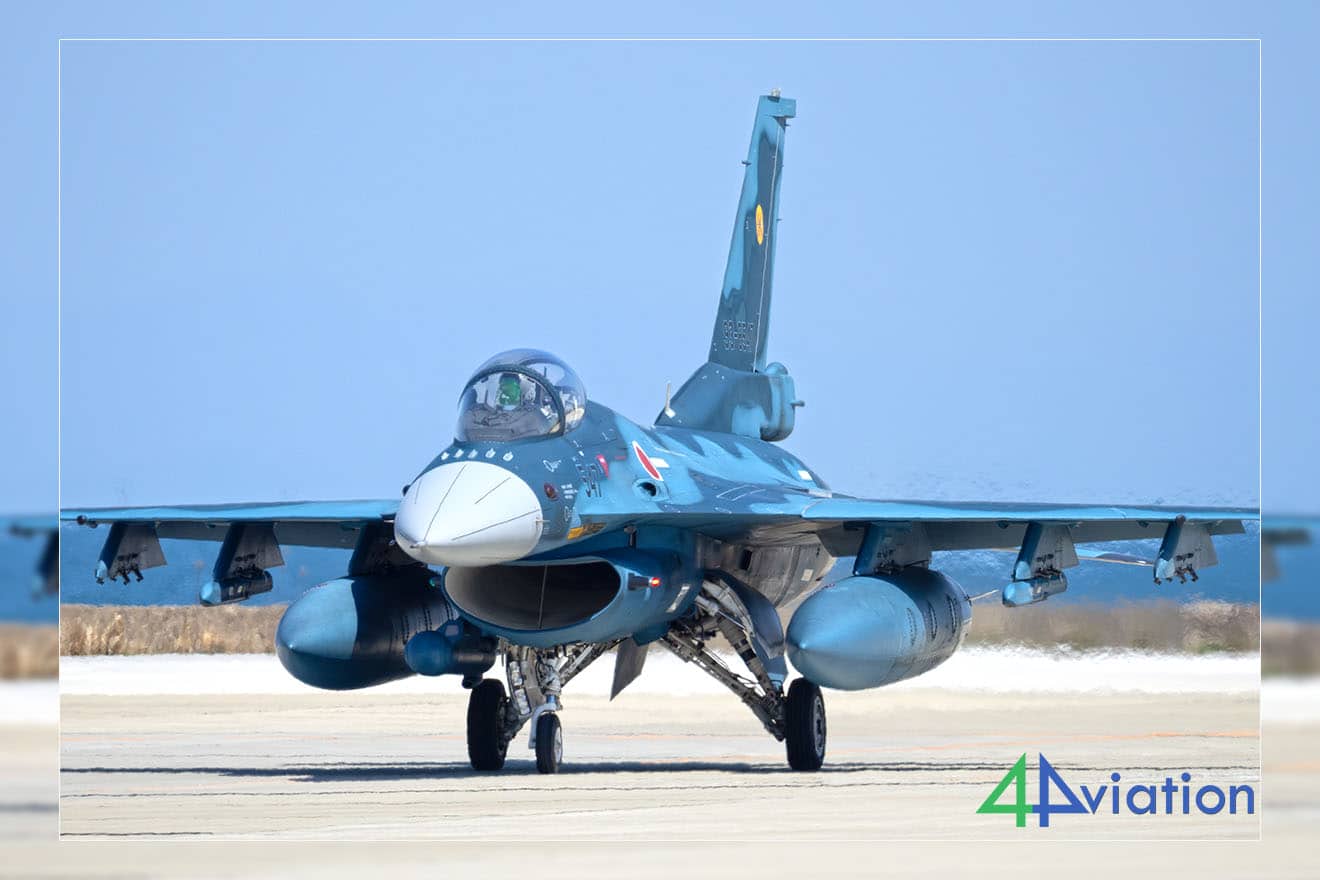
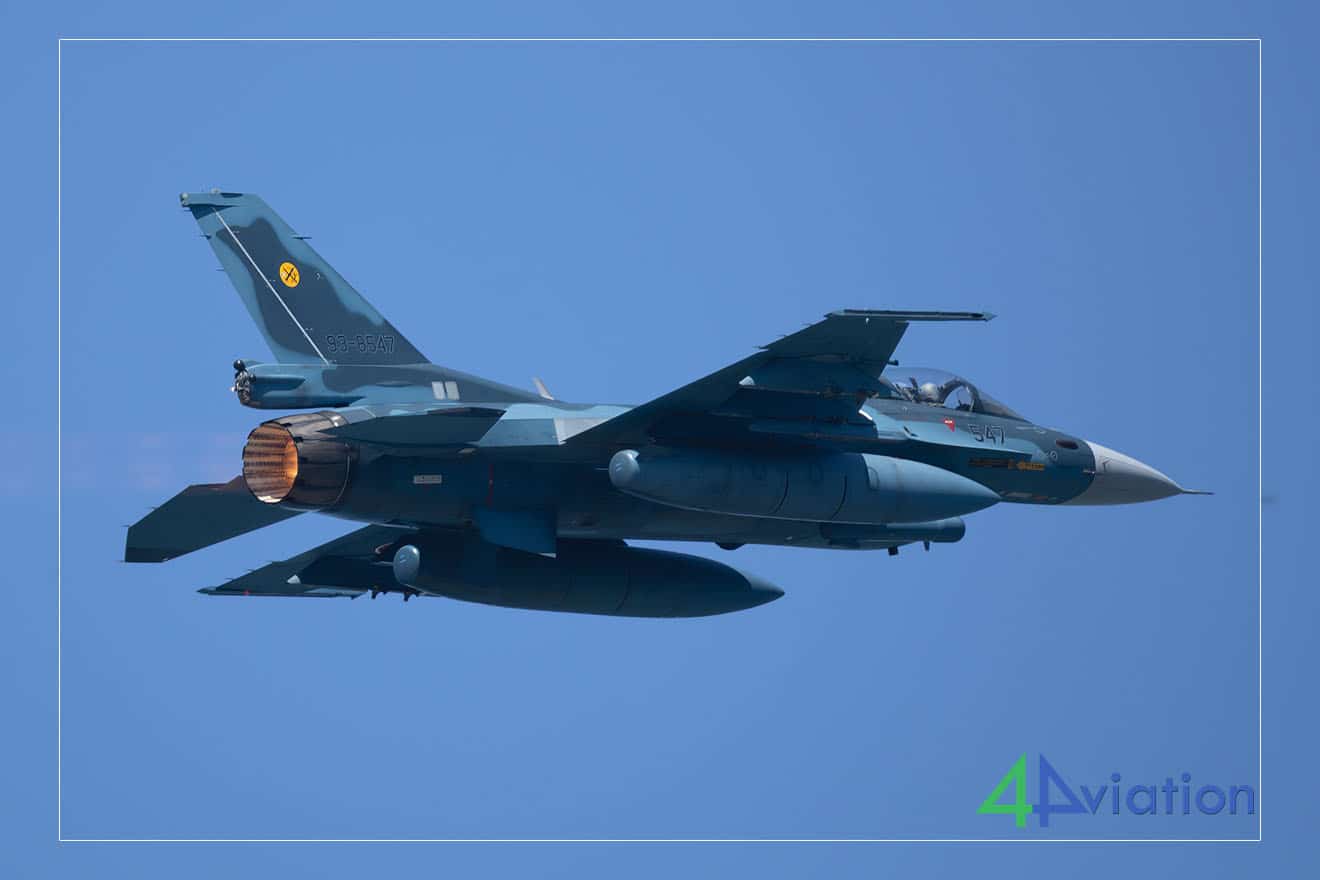
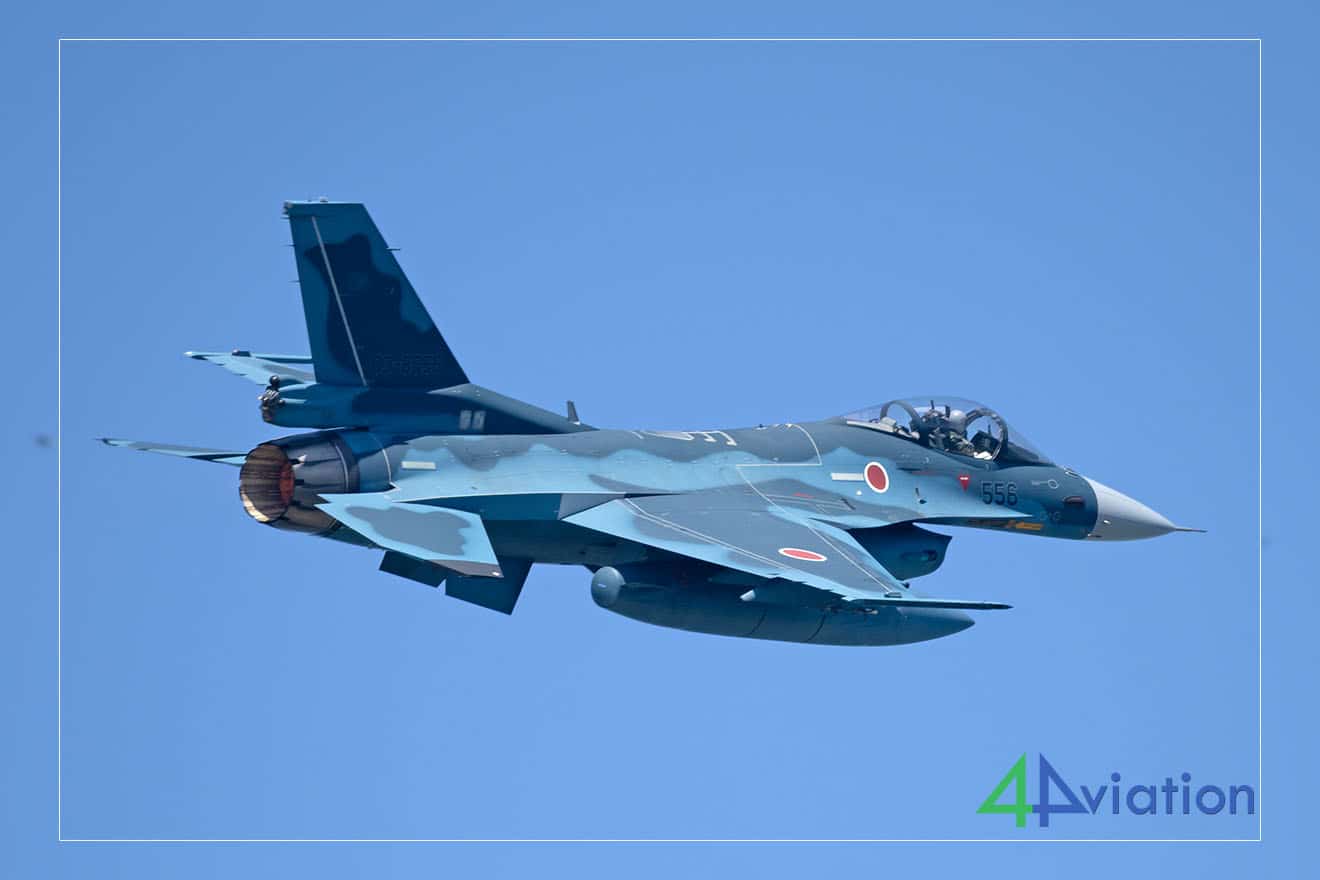
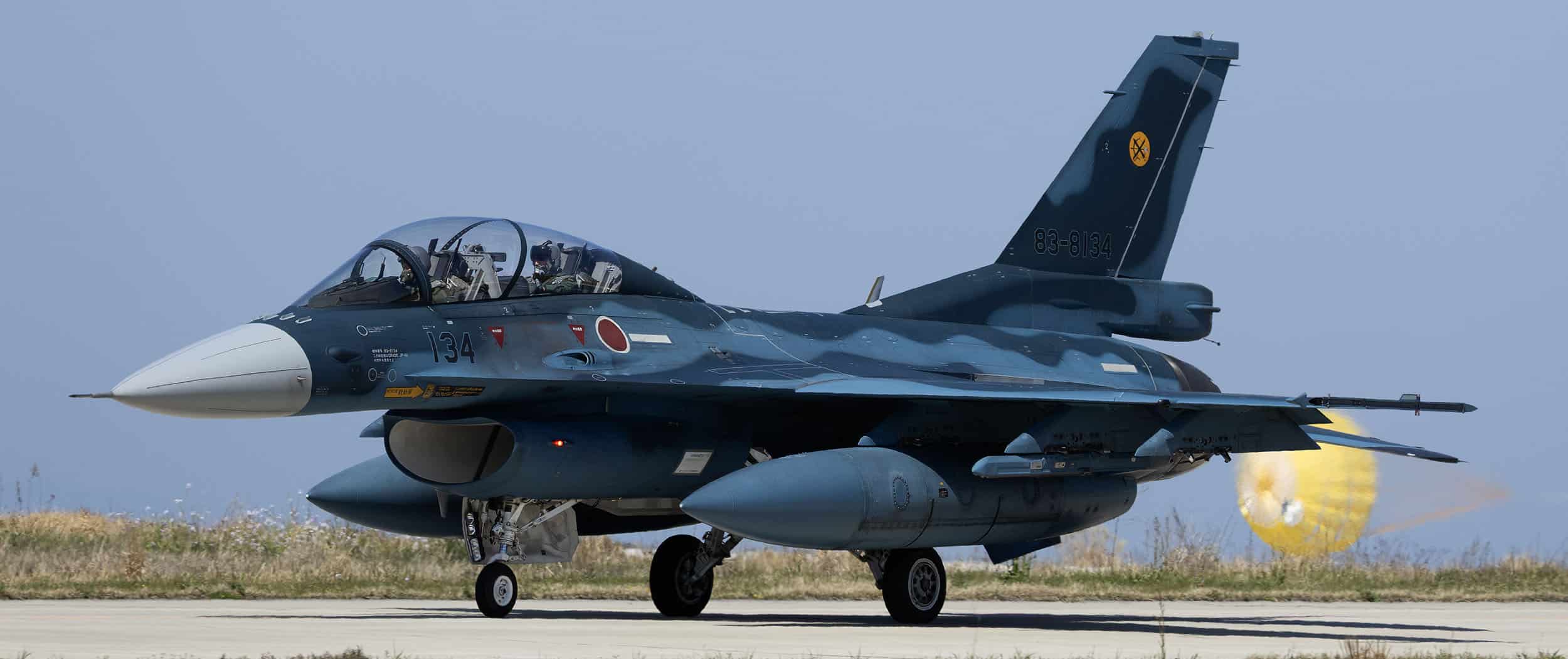
We had barely arrived when the T-4 passed again, and more activity could be heard in the distance. Soon afterwards, multiple F-2s took to the air: F-2As from 3, 6, and 8 Hikotai, along with an F-2B from 6 Hikotai. This meant we immediately had almost all variants of the aircraft in action.
Shortly afterwards, the first jets returned. Over the course of the day, roughly a dozen F-2s flew in three missions, which we photographed from multiple coastal positions. After the final session, we briefly returned to the official spotting area.
There, we were unexpectedly approached by an elderly Japanese lady who handed us a bag full of fresh bread rolls. A typical, heartwarming moment.
What a country. What a day.
Around 17:00 we departed southwards for a three-hour drive to the hotel, stopping en route for a relaxed meal at a roadside restaurant.
Ladders and Eagles: a dynamic day at Nyutabaru
Up until Thursday 9 April 2026, we had not really needed ladders—but at JASDF Nyutabaru that changed. We were at the local hardware store by 07:30 to pick some up, which fitted easily into the rental car.
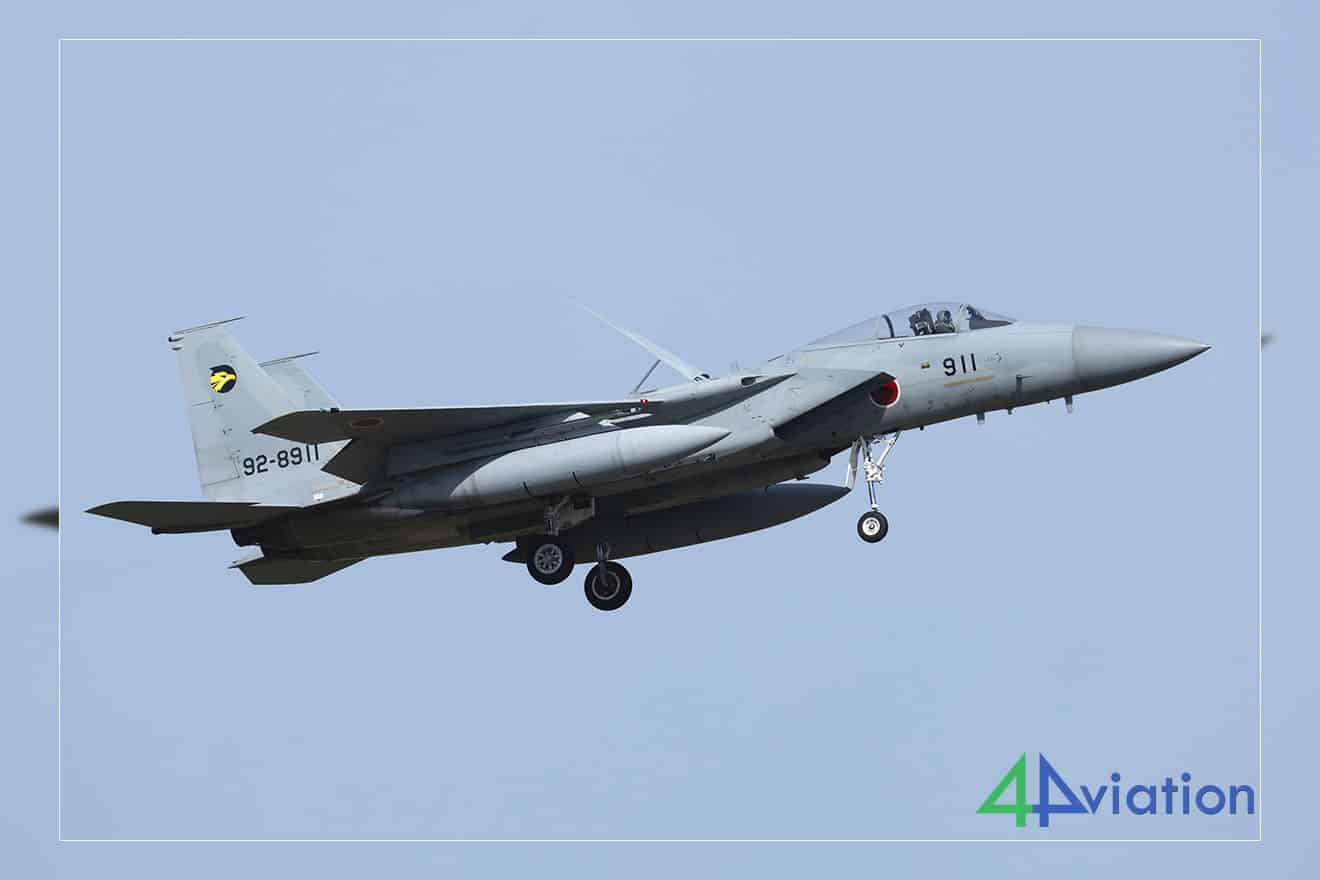
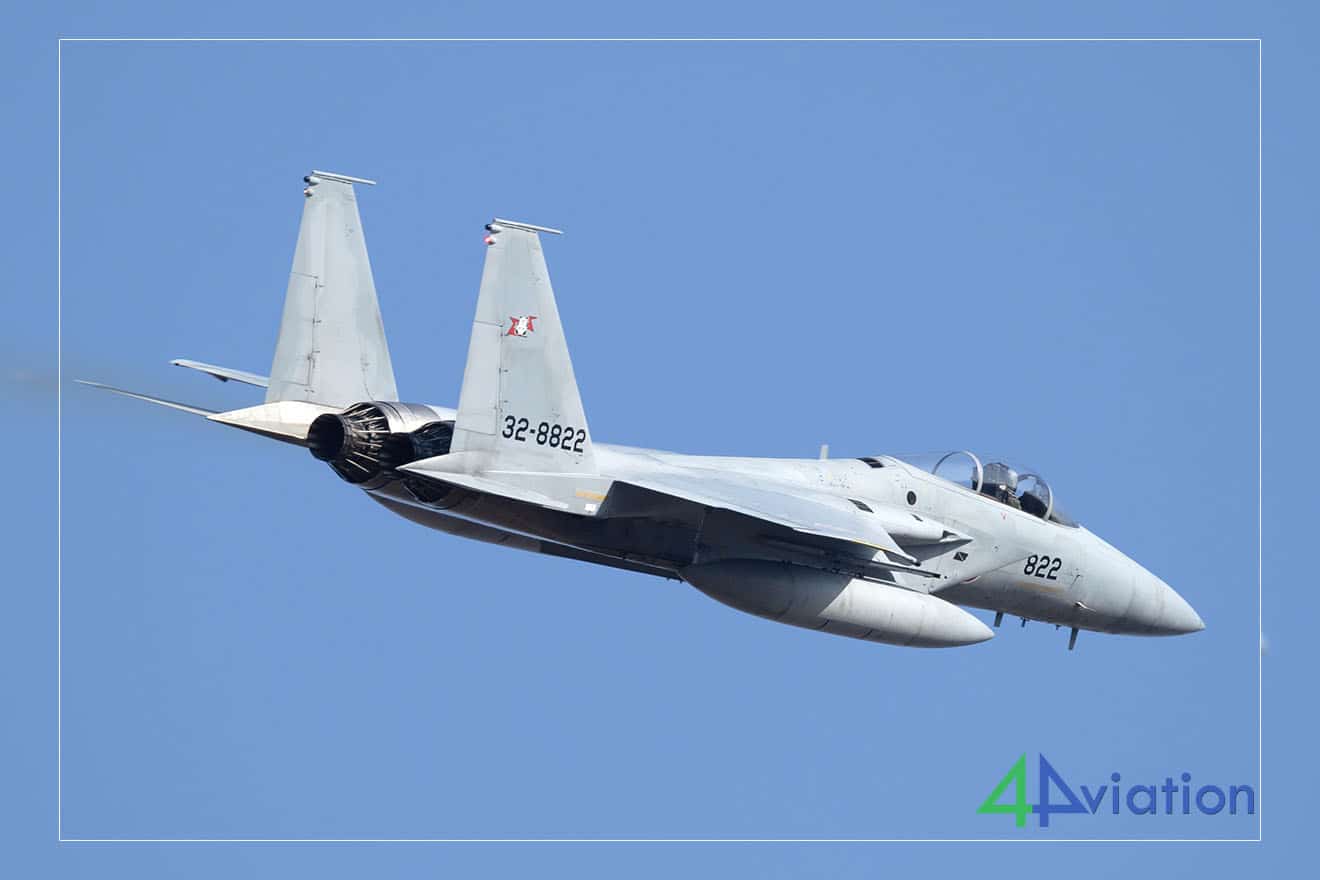
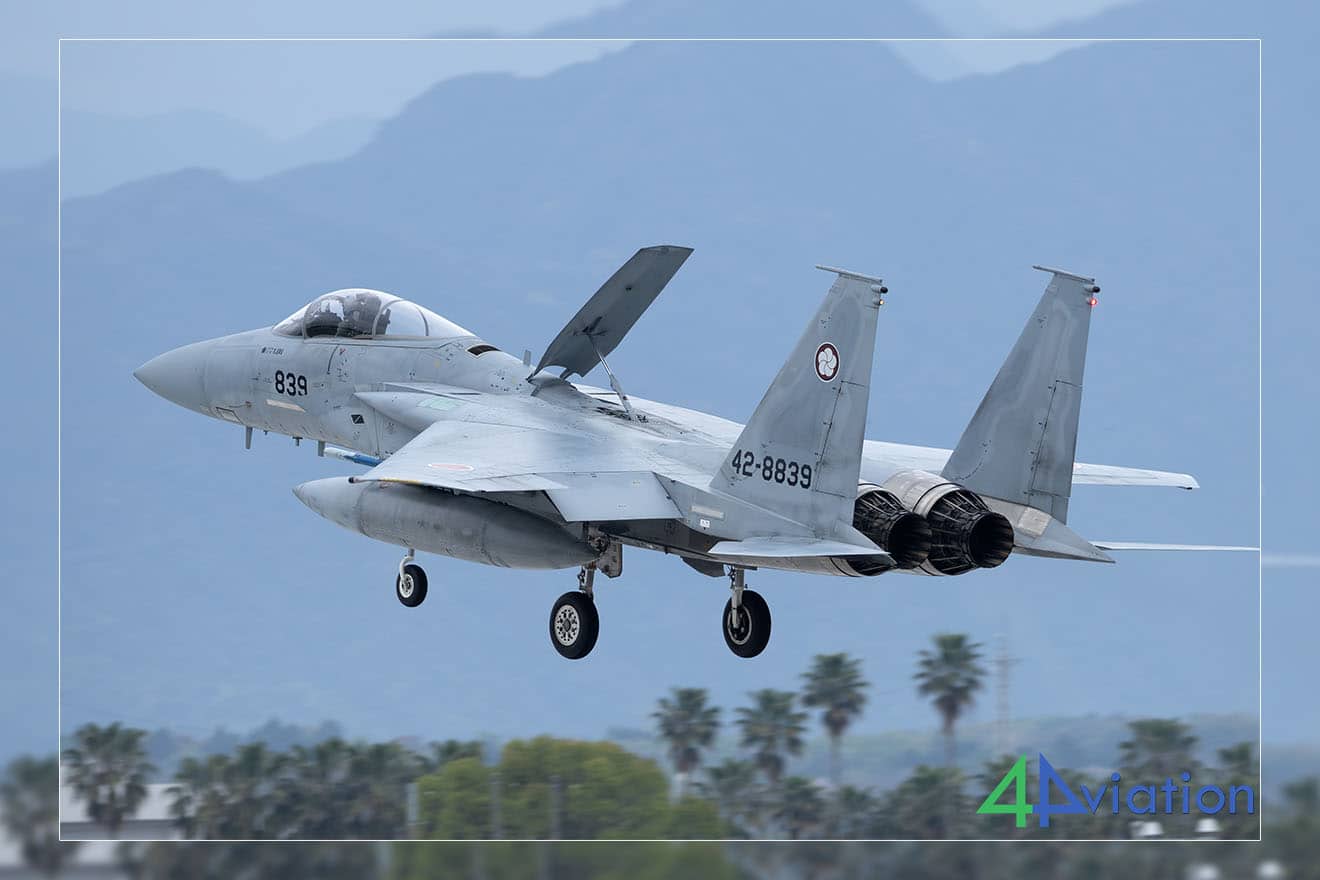
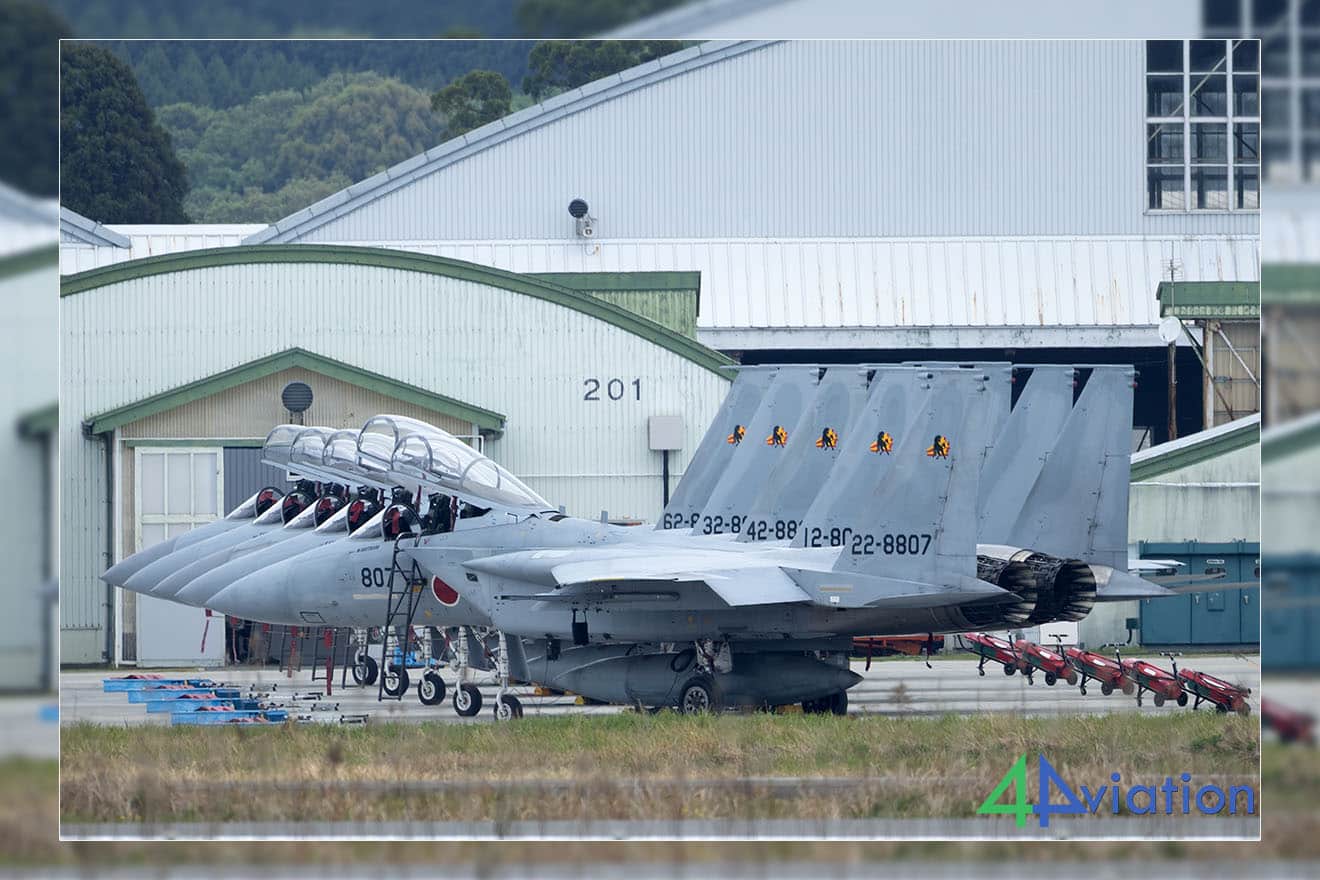
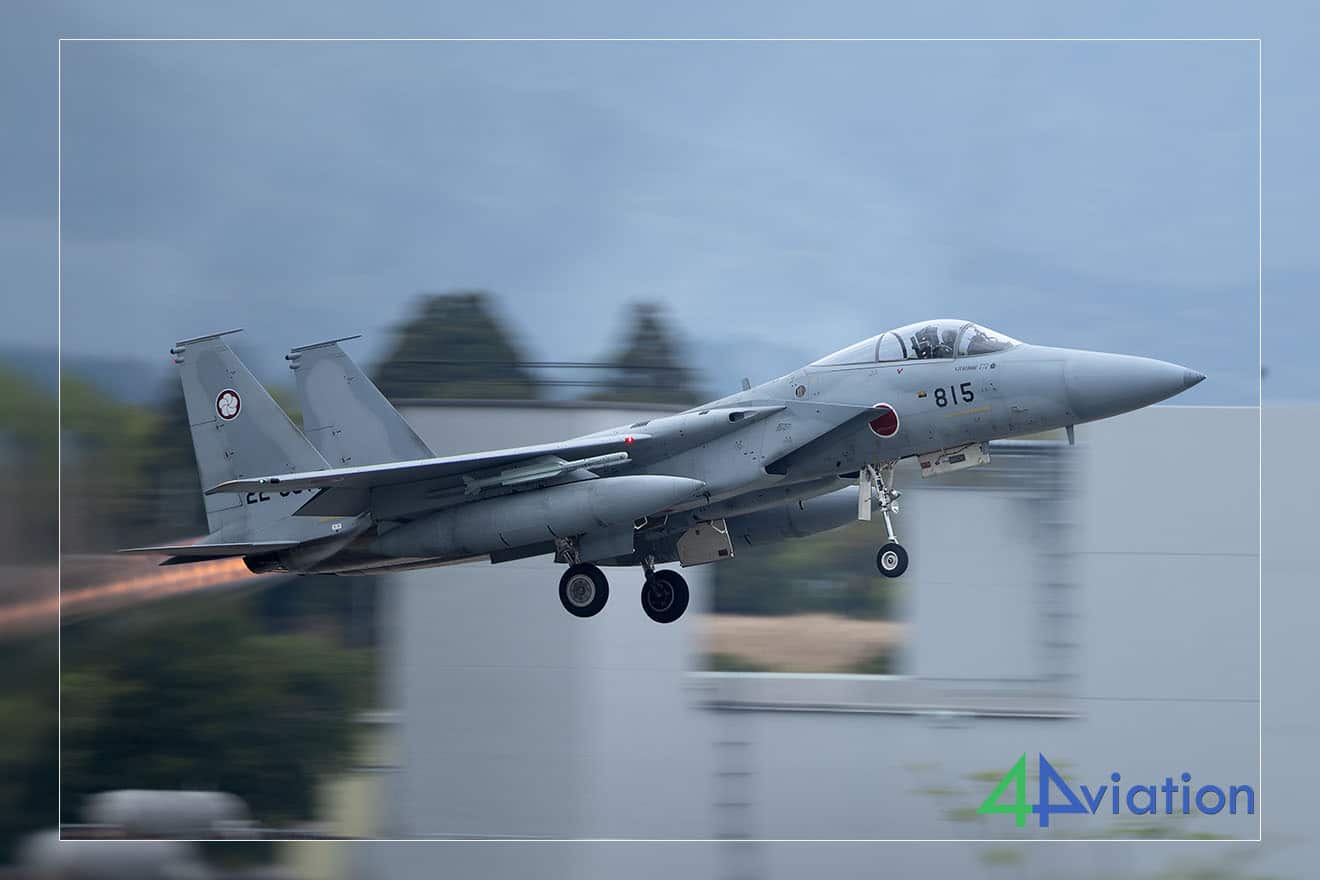
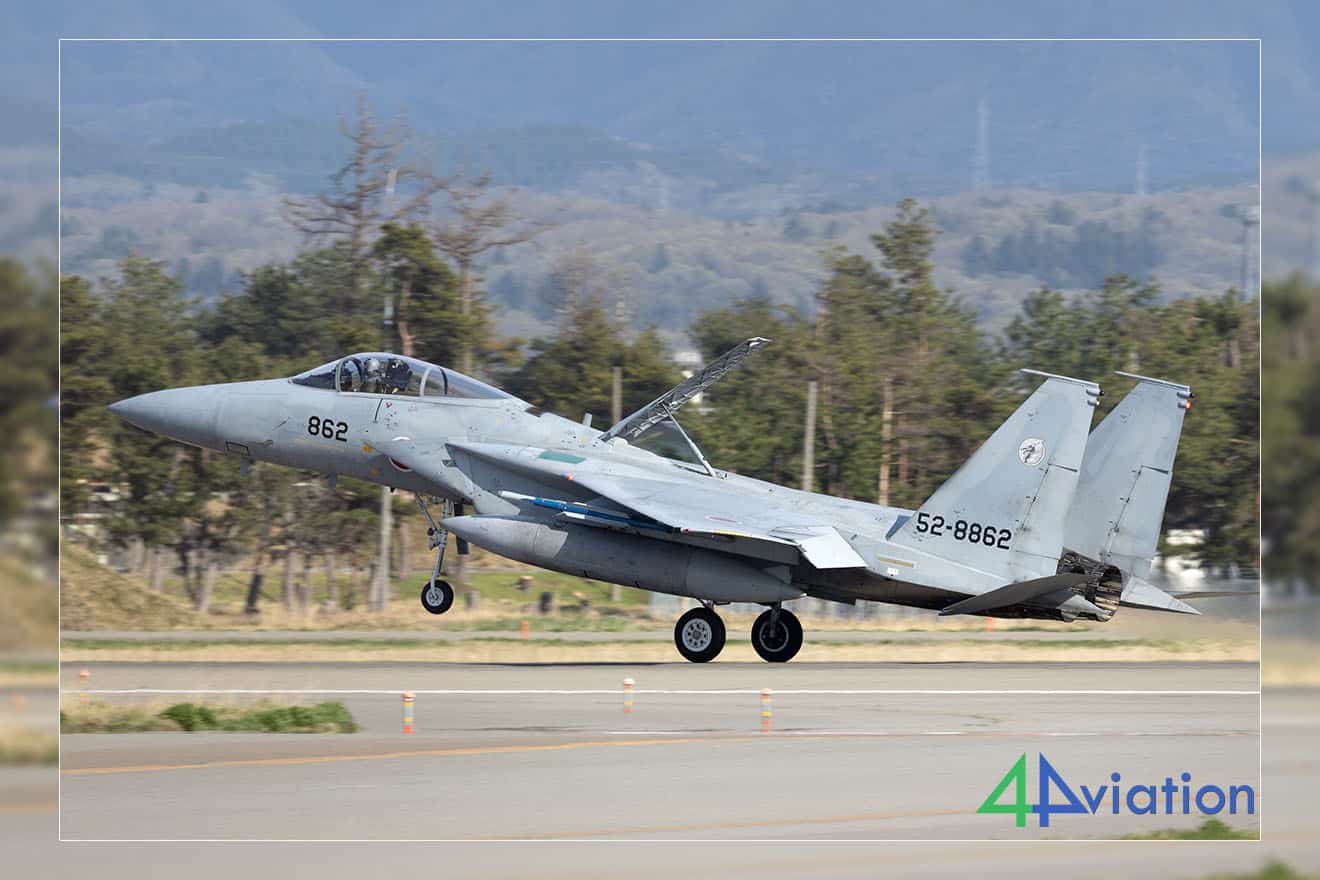
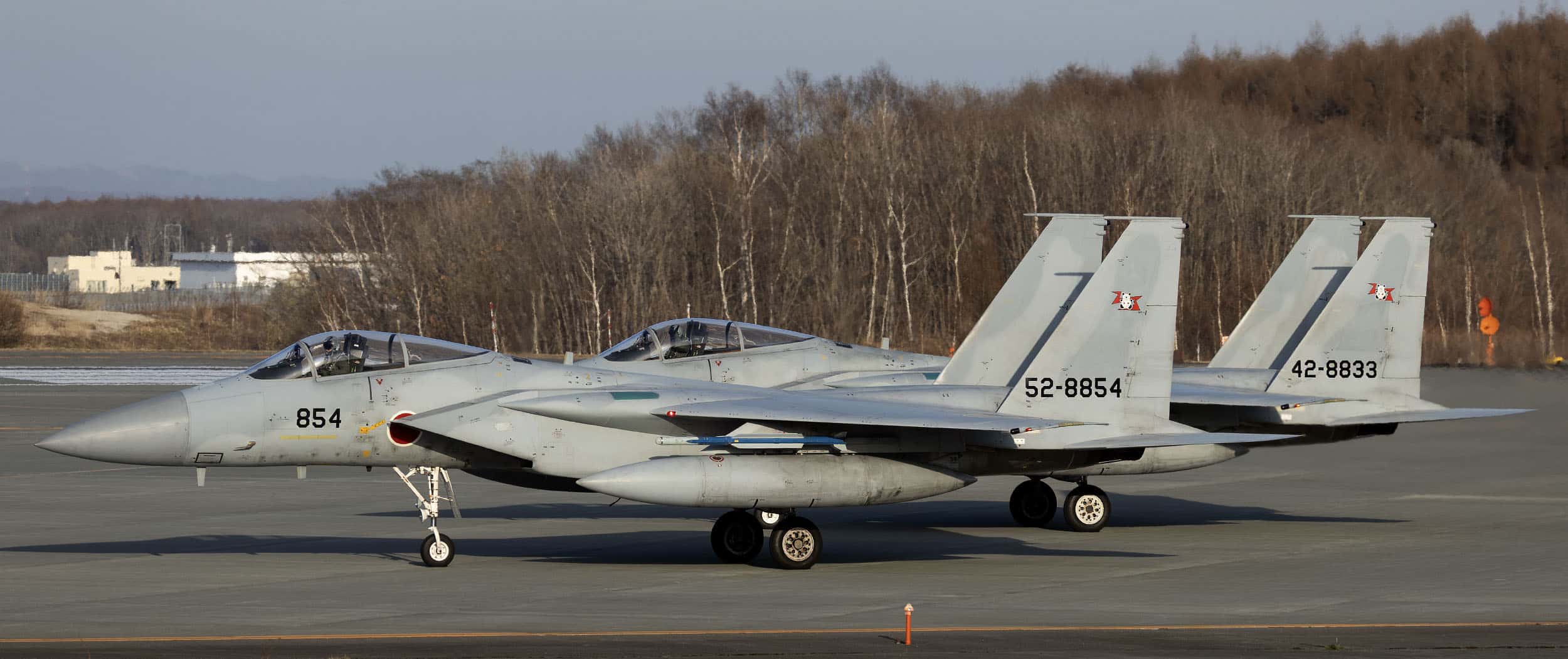
Less than half an hour later we were at the spotting area. We did not have to wait long: eight F-15s from 305 Hikotai immediately approached and landed right in front of us.
According to local spotters, operations would be quiet until around 13:00 due to a ceremony on base. A part of the group therefore went to Miyazaki Airport, while four of us stayed to document line-ups and movements.
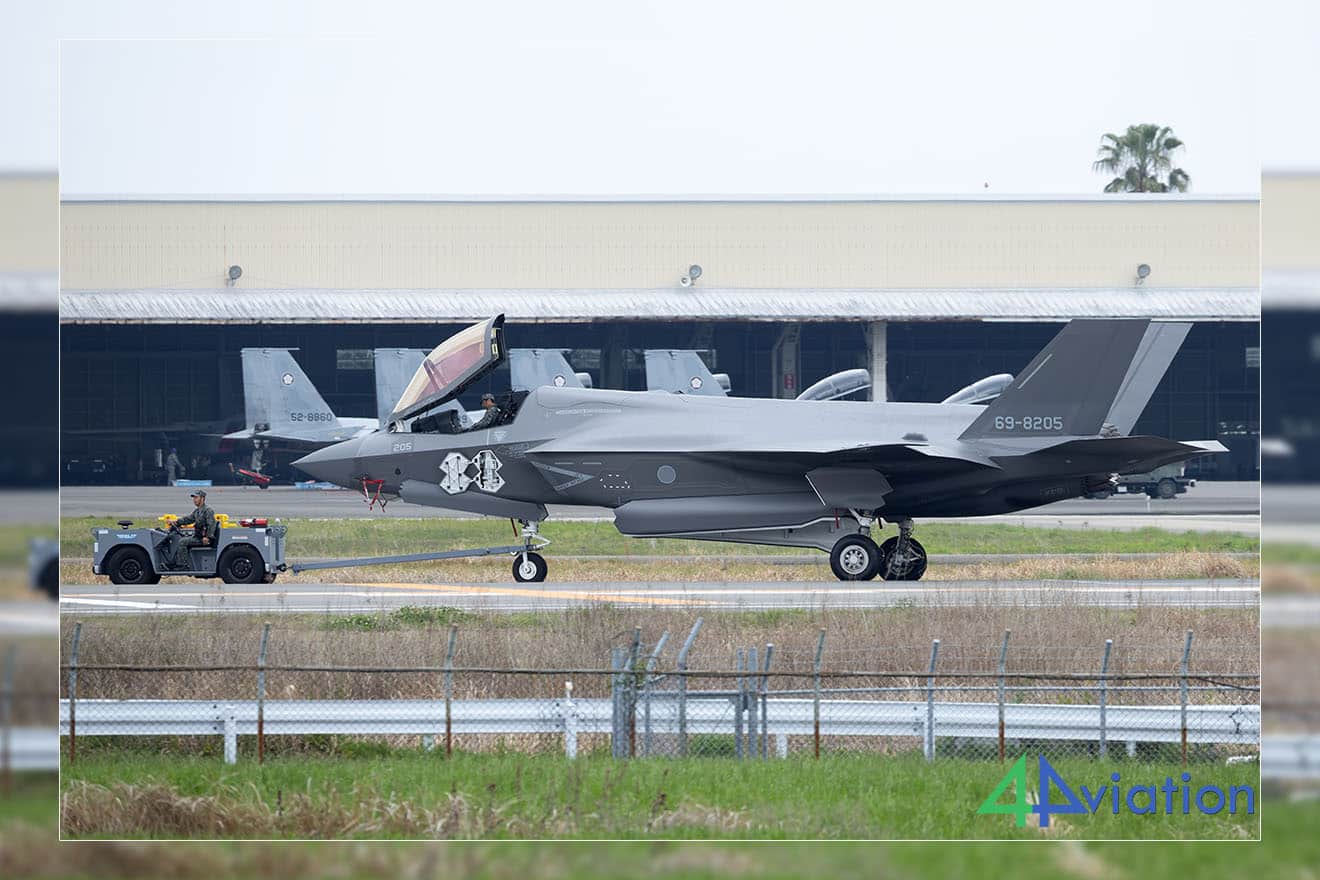
Meanwhile, there was still activity: two brand-new F-35Bs were being towed and exercised on the old runway.
After some time, things suddenly picked up again. The QRA was scrambled with full force, followed by an unmarked Eagle returning later in the afternoon.
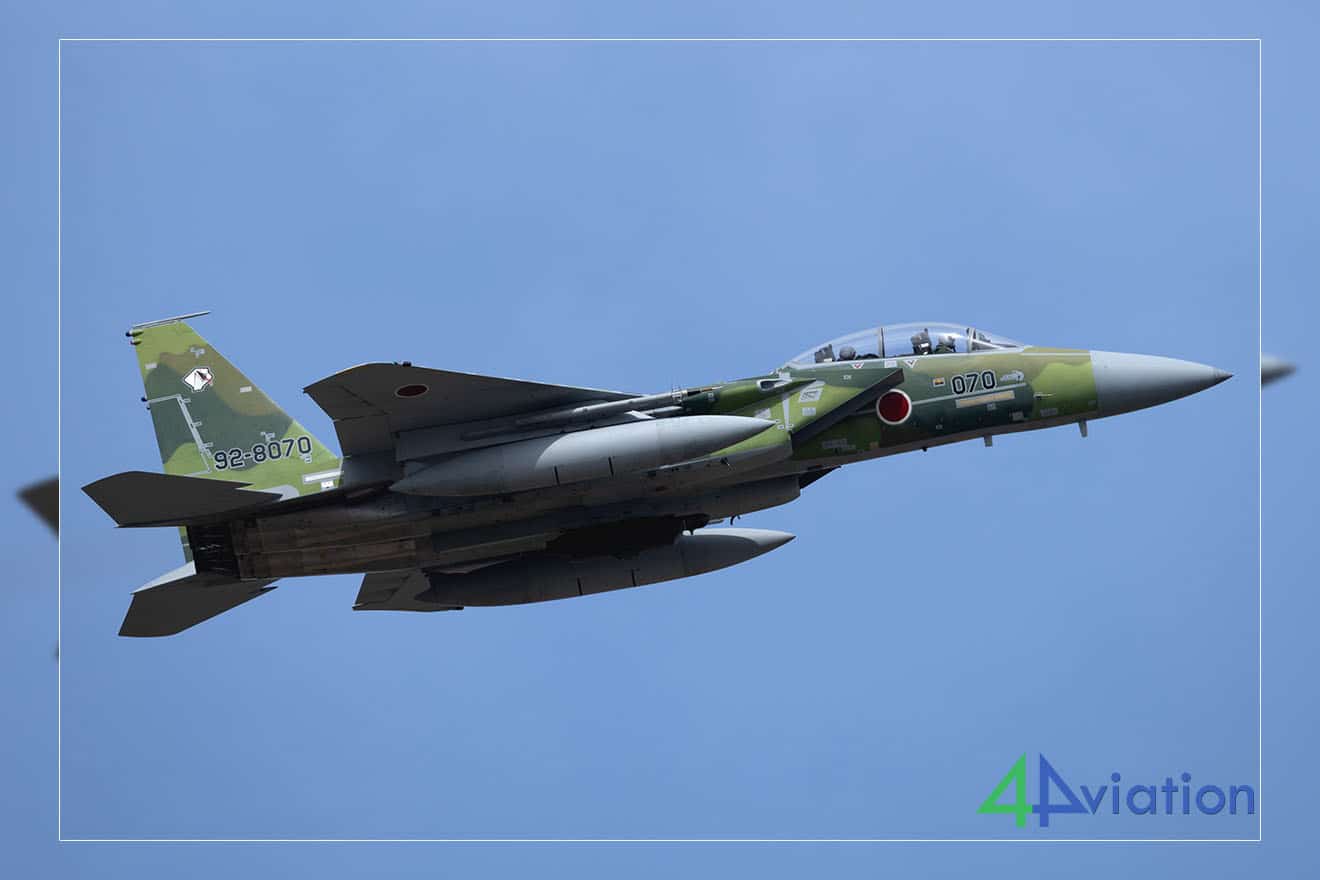
Before 13:00, the rest of the group returned just in time for another wave: eight F-15s from 23 Hikotai took off, followed later by another eight from the other squadron. Despite mixed weather, the flying remained impressive throughout.
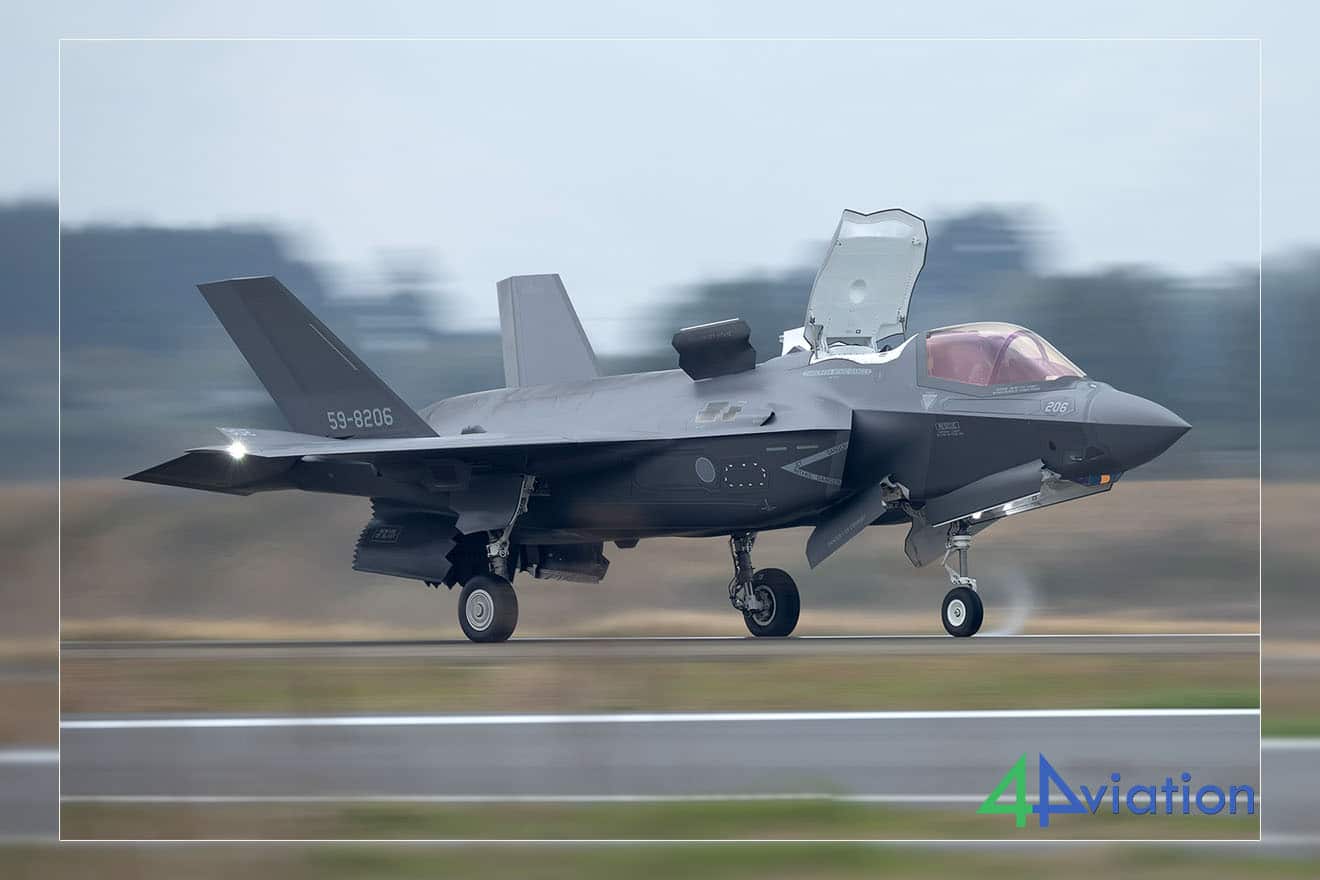
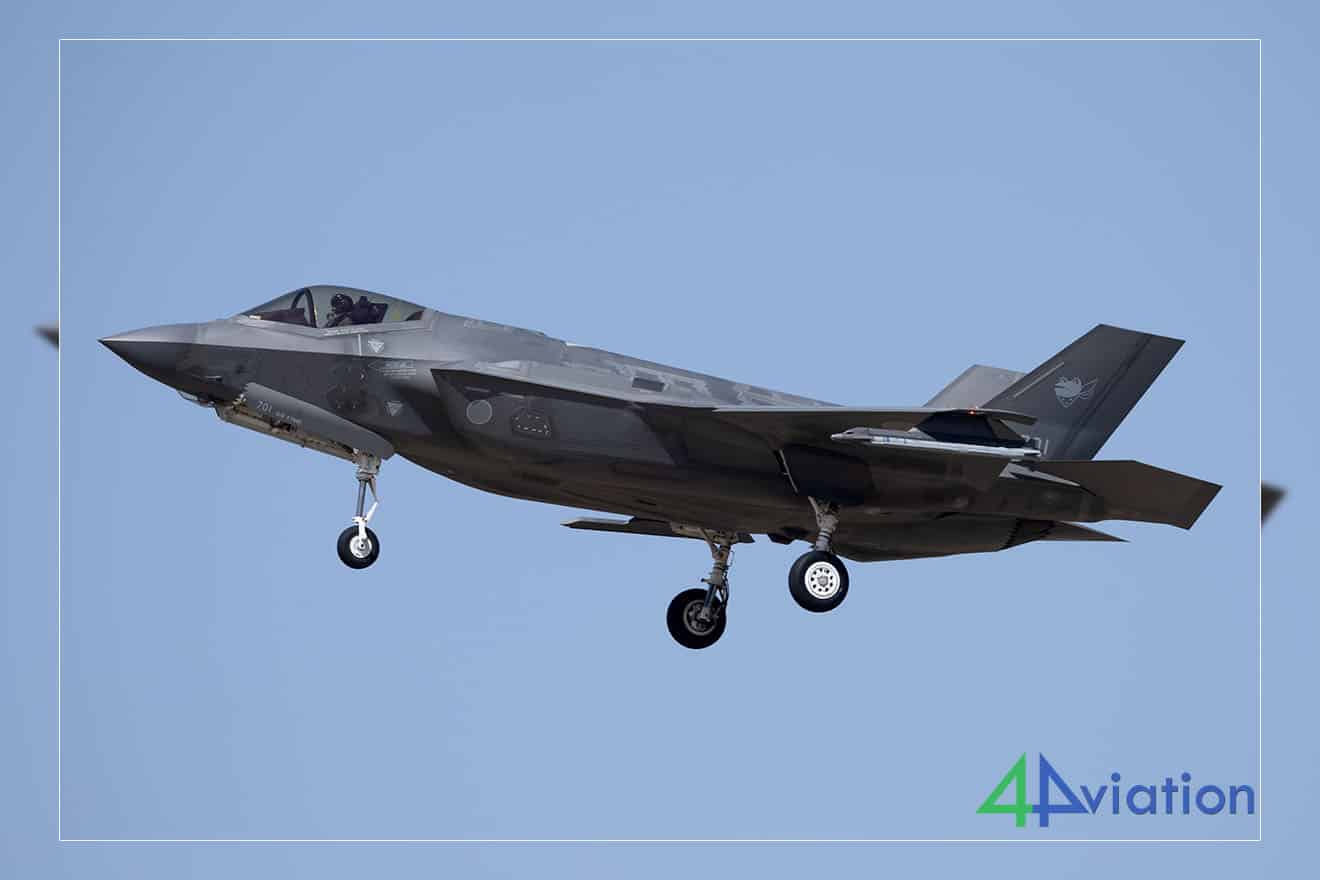
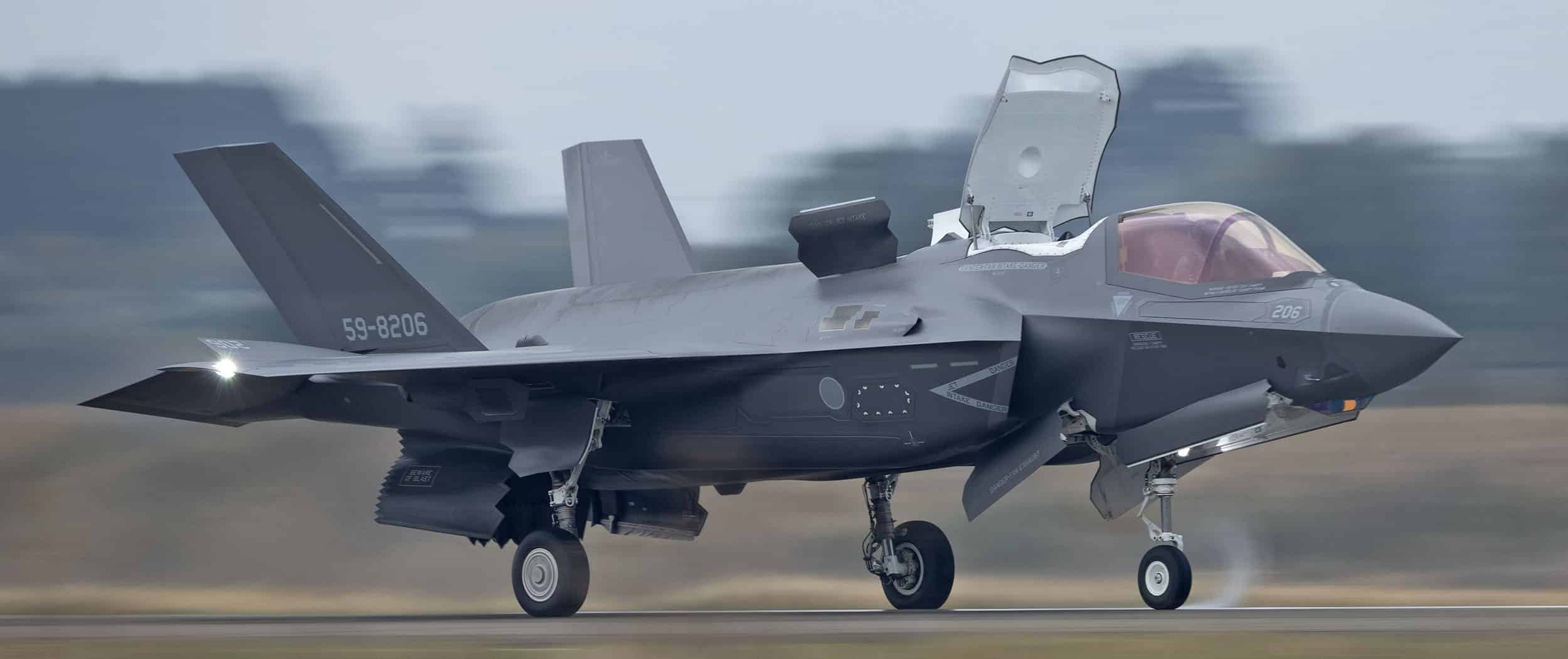
Four F-35Bs were prepared, eventually taking off conventionally. Their return, however, was even more spectacular, landing in full vertical landing configuration.
Towards the end of the day, three F-35Bs attempted further flights, but only one managed to get airborne before darkness fell.
Unexpected find at Saga – Ospreys in action
Friday 10 April 2026 started with poor weather prospects in the south, but we were already back at Nyutabaru around 08:00. It quickly became clear that the flightline was barely visible through heavy rain, and when it briefly cleared, nothing was outside. That confirmed what we had already suspected the evening before: this would likely become an alternative-plan day.
The most logical fallback would have been Ashiya, a training base near Fukuoka known for its grey and red-white Kawasaki T-4s. But we decided to try something more ambitious, and chose Saga Airport instead, where a military section had been opened in September 2025 for the JGSDF V-22B Osprey fleet.
With no real prior intelligence, we simply gave it a go.
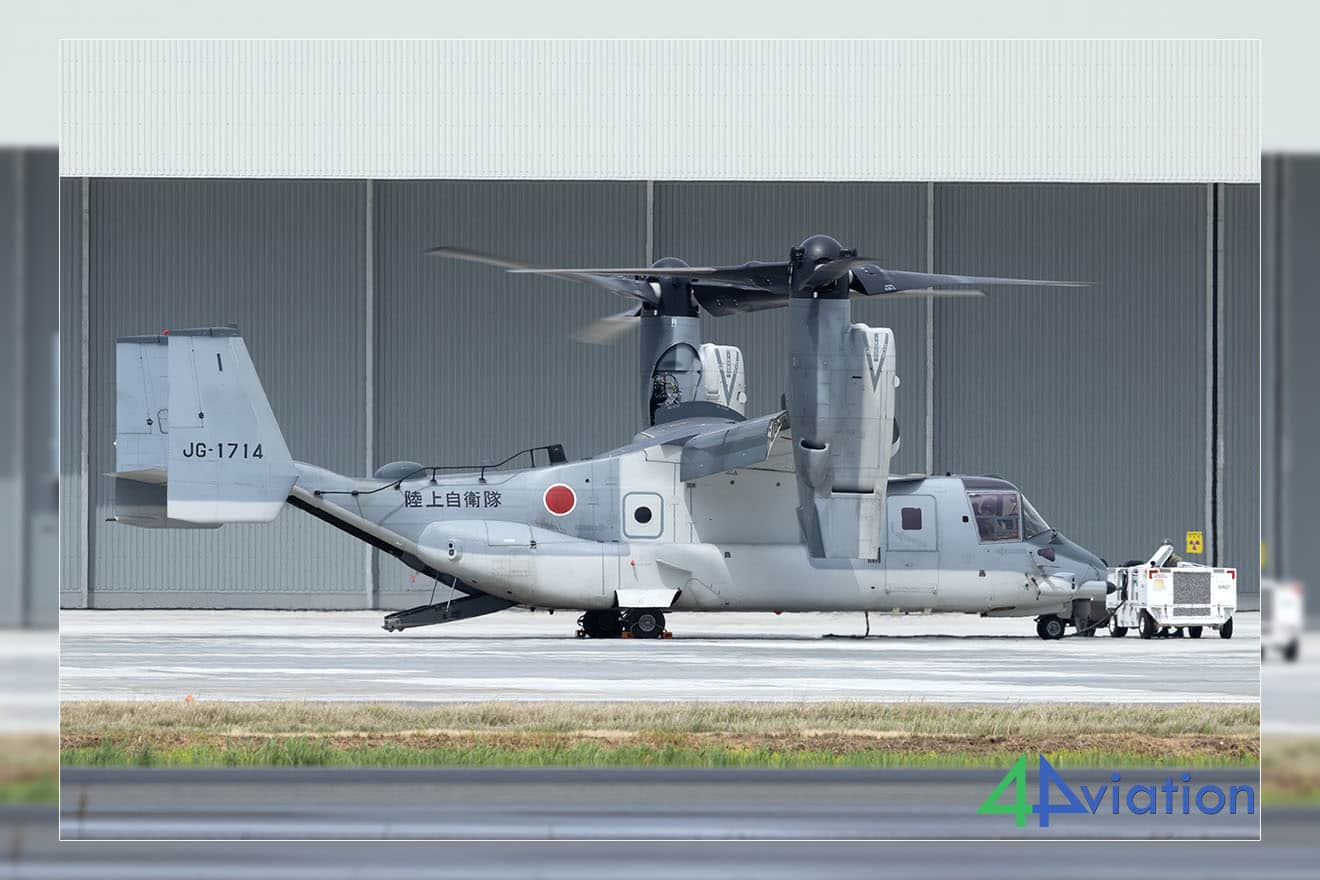
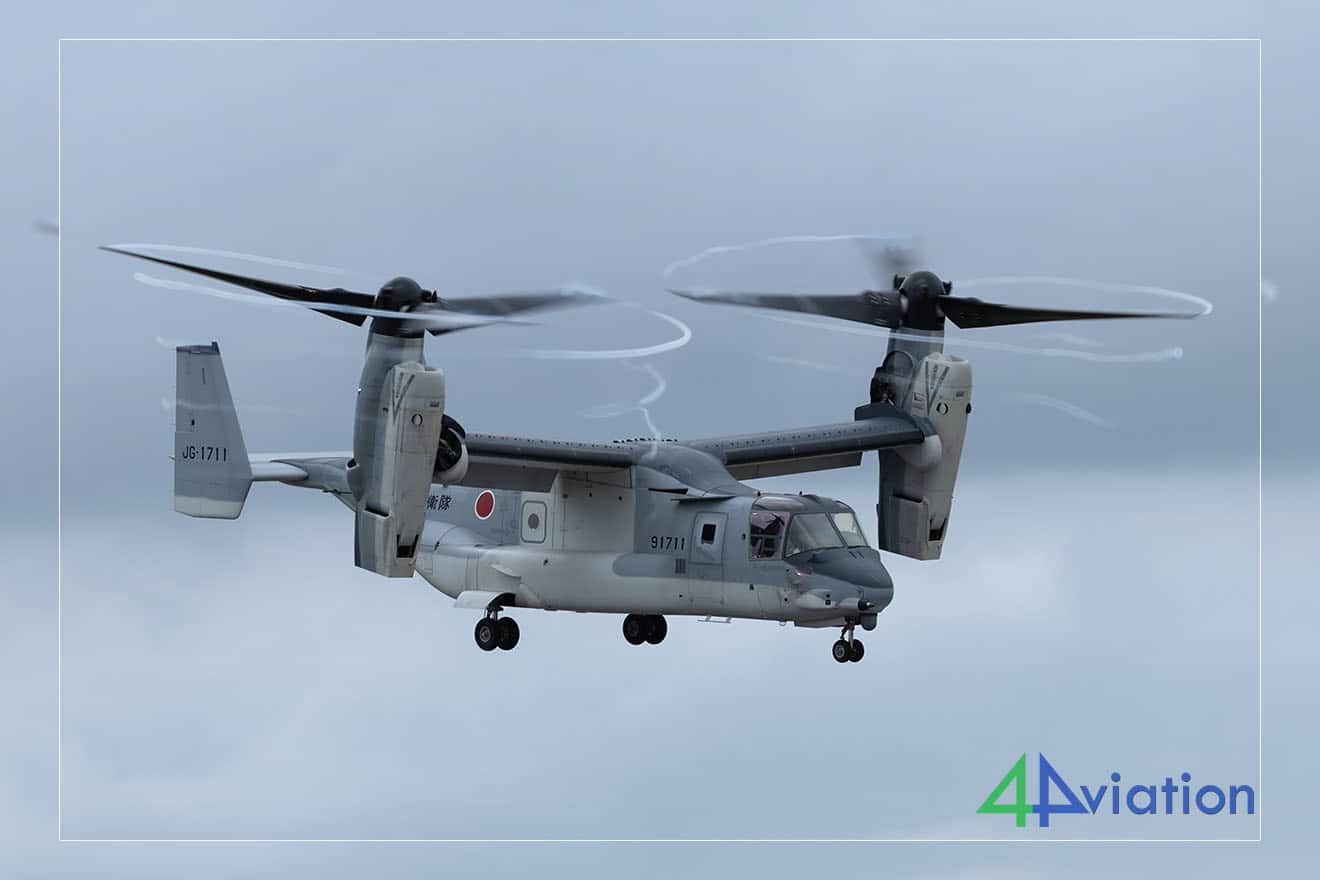
Around 13:00 we arrived at Saga, and it immediately became clear we were in the right place: four V-22 Ospreys were parked on the ramp. After a short recon around the airfield, we found a spot along the fence with a perfect view of the aircraft.
Not long after, activity started around the Ospreys. Two aircraft were powered up but shut down again shortly afterwards. A third, however, eventually taxied out, took off, and flew multiple circuits, practicing a variety of landing profiles. For us, it was a rare and impressive sight—this unique machine operating in full training mode.
After a few hours on site, it was clear that little more would happen, and that moving elsewhere would not add much value. We therefore decided to wrap up the day and drove towards Shimonoseki, where we would stay for the next two nights.
Iwakuni weekend – maritime highlights and rare visitors
Saturday 11 April 2026 marked the first real weekend day in Japan, and despite a slower schedule there was still plenty happening.
Part of the group left the hotel around 08:00 for Hiroshima to visit the historic sites, while the rest opted for a more relaxed morning. Since everyone had already visited Hiroshima before, that group set off around 10:00 towards MCAS Iwakuni.
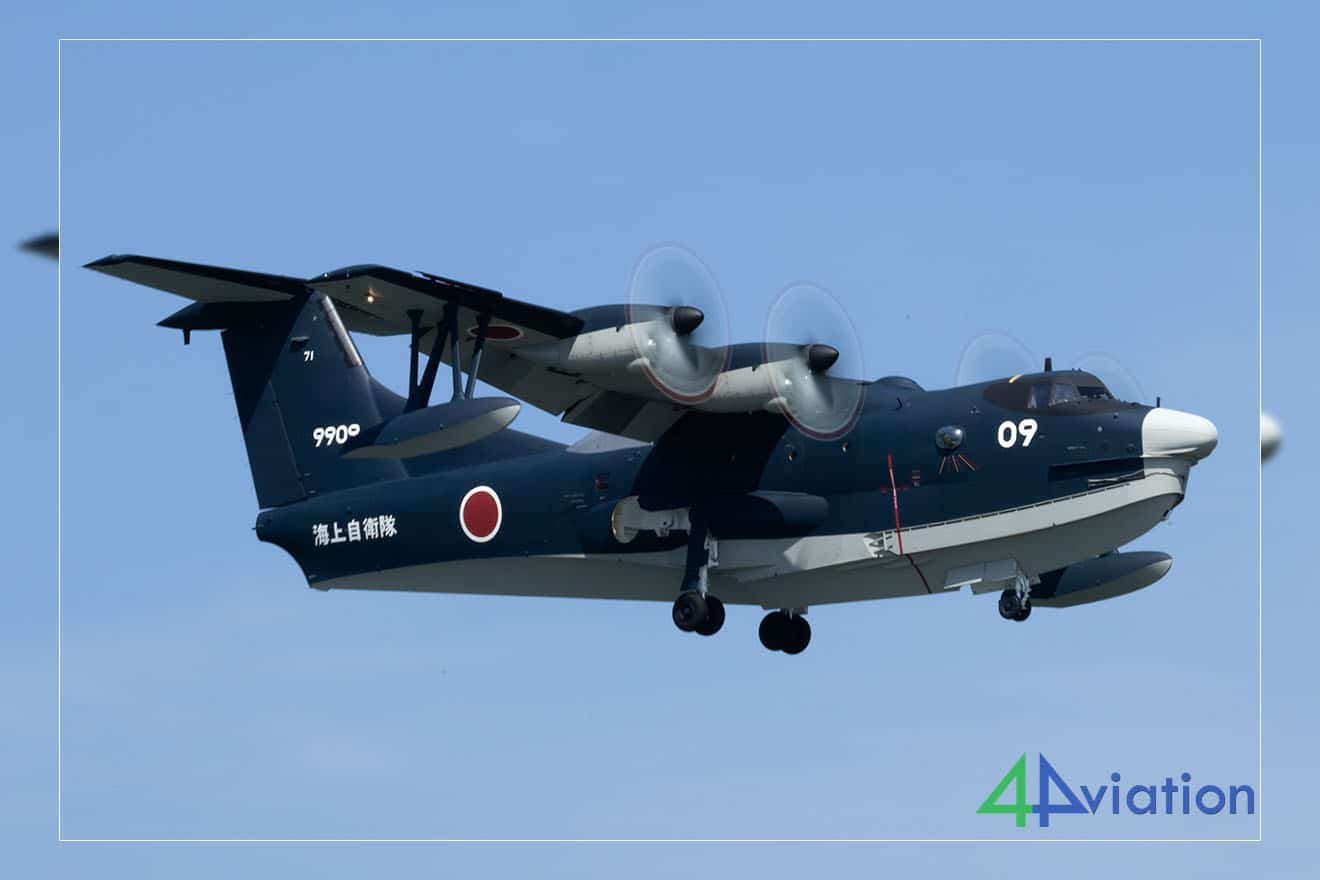
Shortly after arrival, we were treated to a highlight: a ShinMaywa US-2 amphibious aircraft departed on a mission, gracefully lifting off and disappearing over the sea. Not long after, the rest of the group arrived and could still see the aircraft operating in the distance.
Soon afterwards a USMC KC-130J arrived, while the US-2 was already back in the area for another sortie. It was clearly a Saturday: activity was lighter than on weekdays, but still rewarding, with movements including a Hawaii based C-17 and an additional Marine KC-130J.
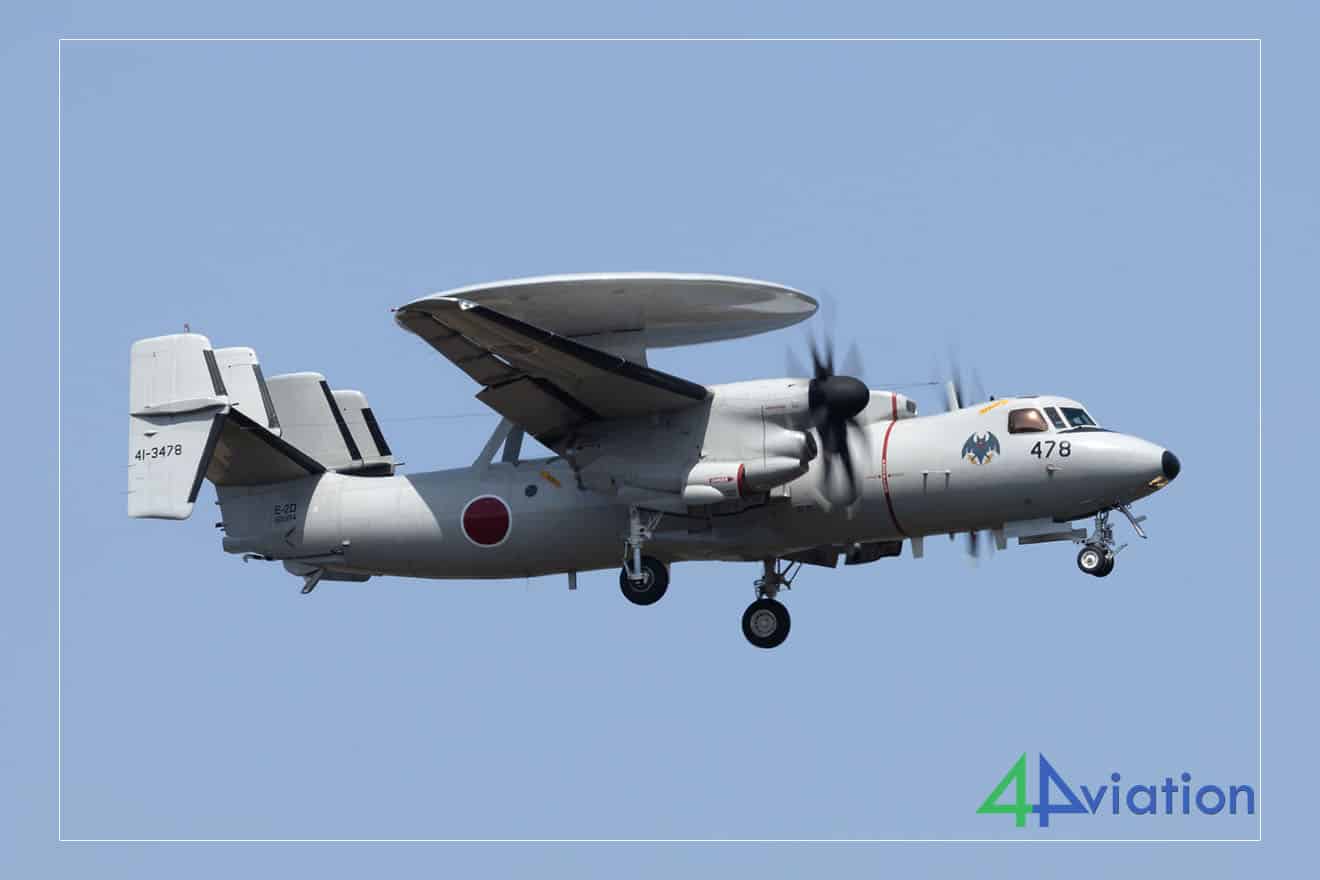
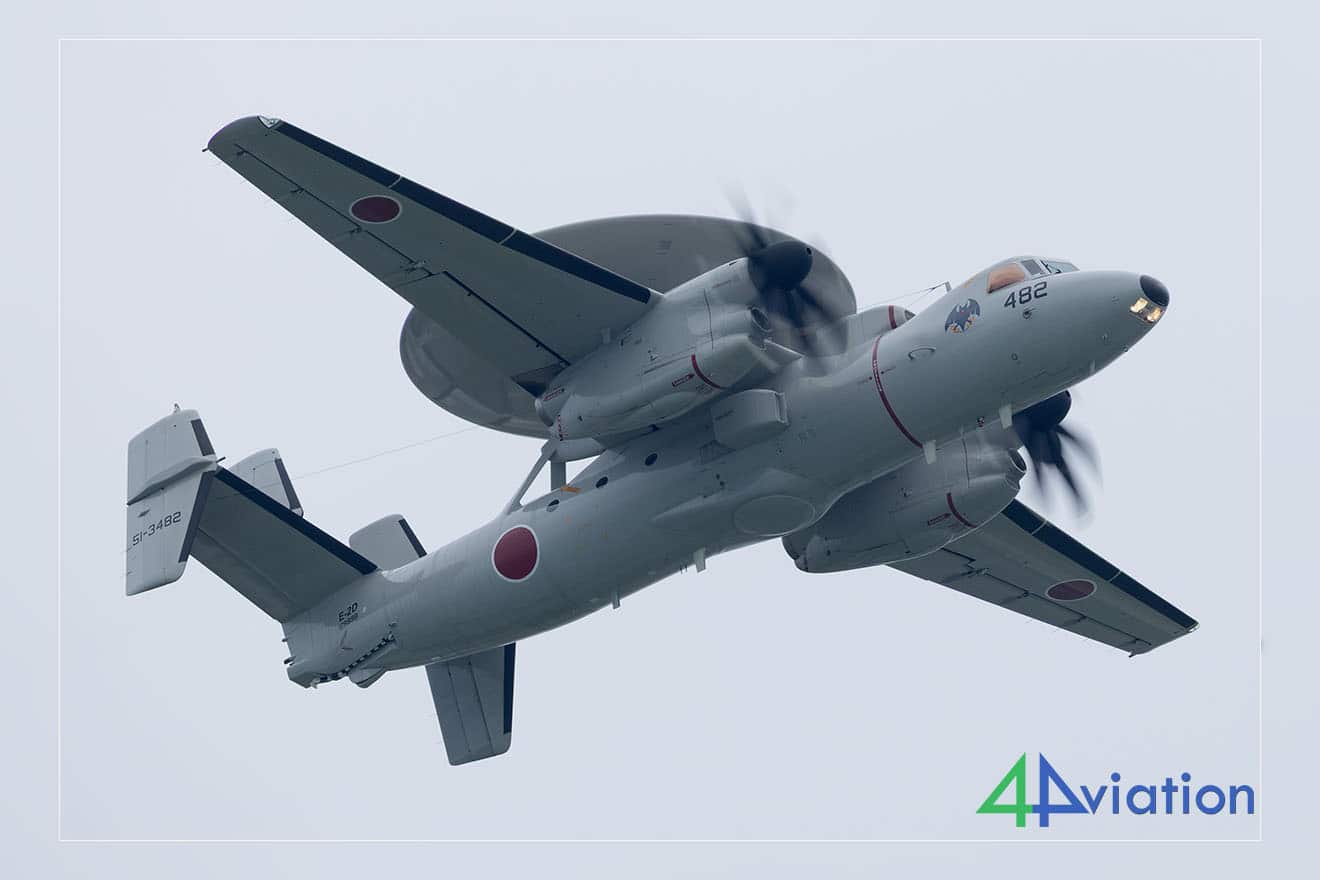
On the Navy ramp, an unusual E-2D Hawkeye caught our attention. Although wearing US markings, it carried a Japanese serial, indicating test activity. Throughout the day it performed multiple groundruns and ramp movements, consistent with the typical evaluation process before formal transfer to the JASDF.
By late afternoon, activity slowed significantly. With no further movements visible on ADS-B, we returned to the hotel, where everyone settled in early—another early start awaited the next morning.
On the move again – through Japan towards Komatsu
Sunday 12 April 2026 started early once more, with a two-hour drive to Fukuoka where we returned the rental cars and checked in for our flight to Nagoya-Chubu. Everything went smoothly.
This was also the moment the well-known “travel ladders” made their first real appearance at the airport. ANA barely reacted, but at Chubu they caused some amusement when the ladders appeared in three separate trays on the baggage belt.
Less than an hour after landing, we were already in new rental cars heading to Hamamatsu. There we were surprised by eleven Kawasaki T-4s and a T-400 parked on the ramp—completely unexpected on a Sunday. Unfortunately, harsh sunlight made photography difficult.
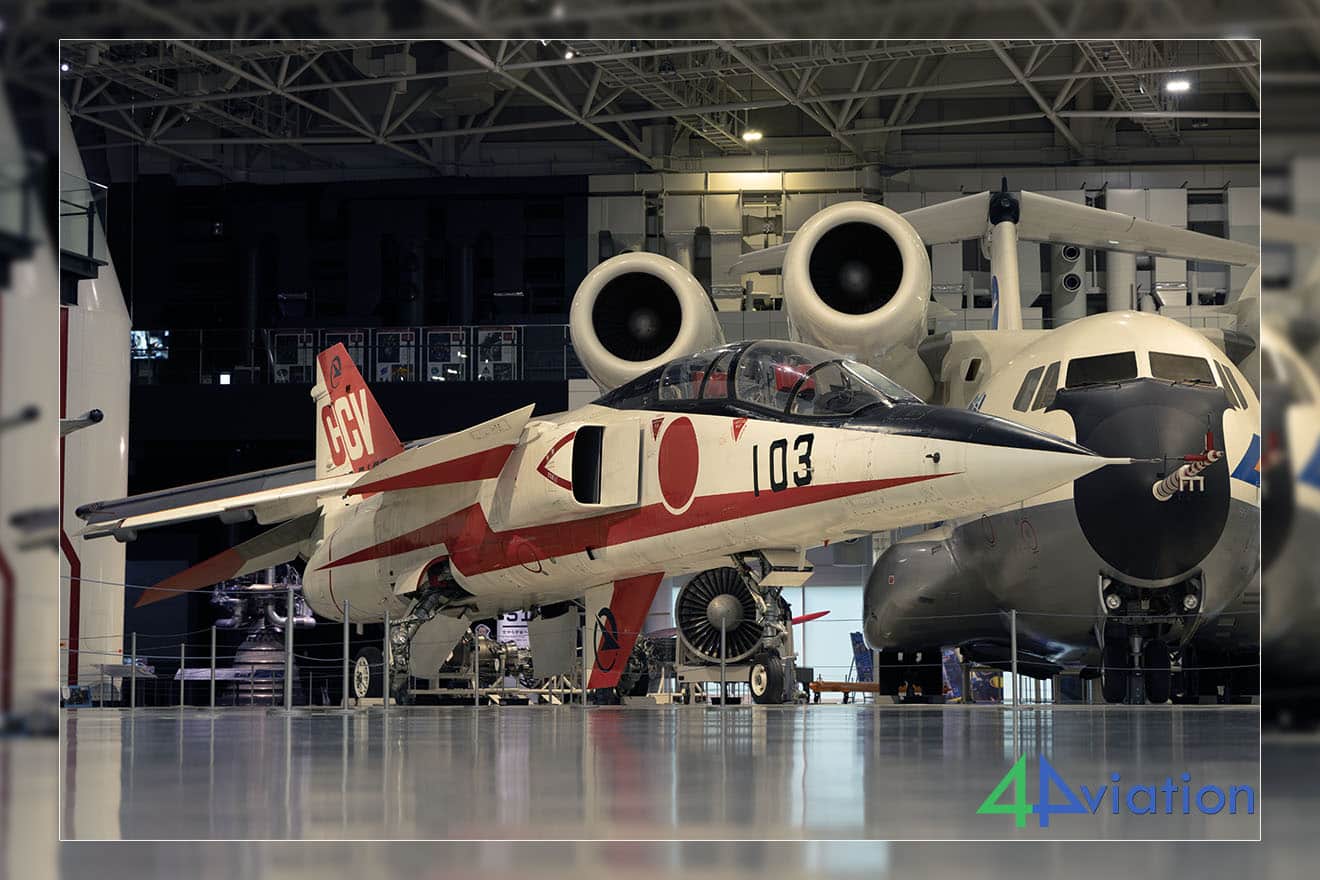
We then visited the adjacent air base museum, spending time exploring the exhibits before continuing on.
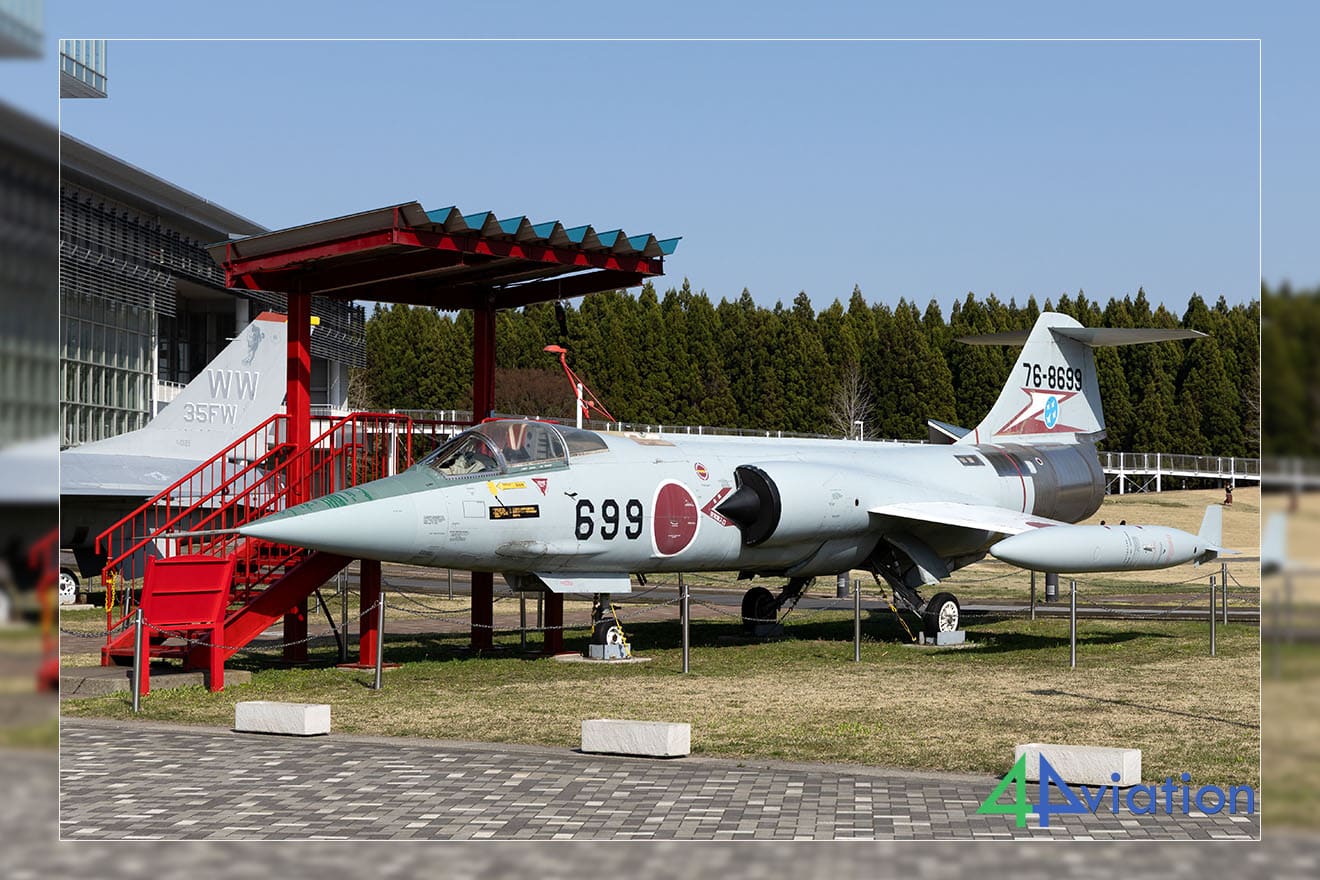
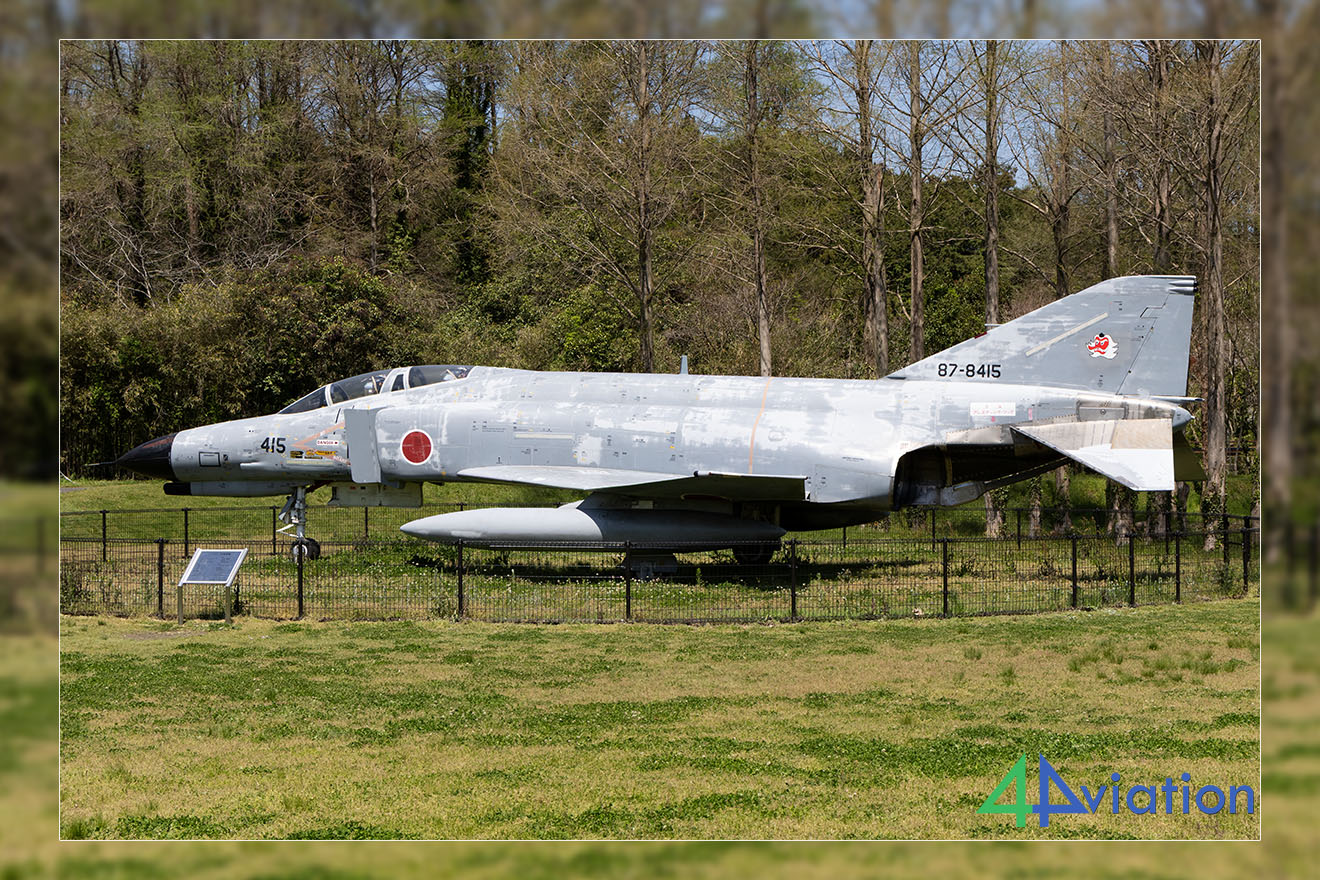
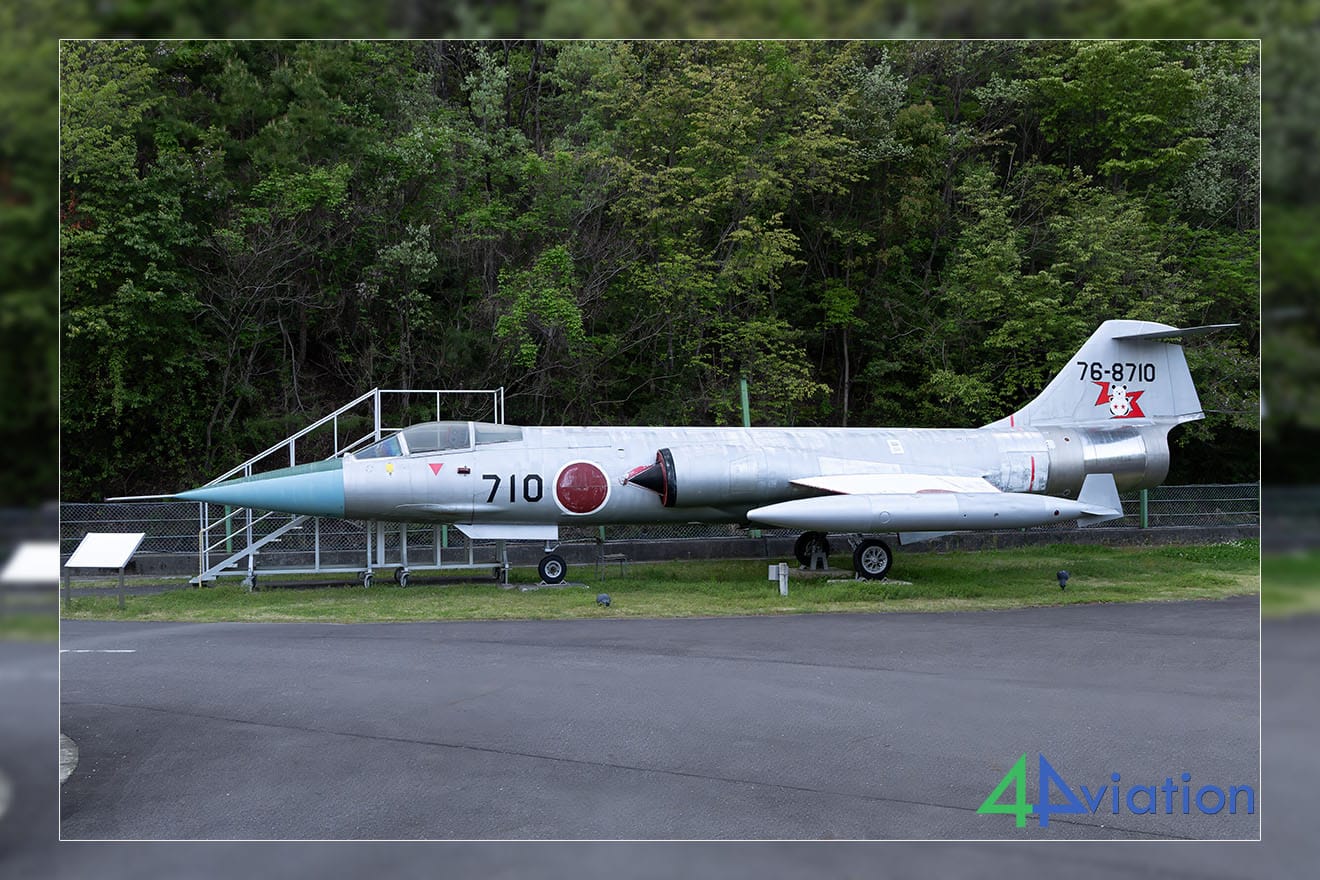
The journey then took us another two hours to a second museum near Gifu, followed by a stop at a technical school north of Gifu featuring a well-known F-104J and several wrecks and relics.
From there we followed a northern mountain route towards Komatsu, resulting in a scenic but demanding drive through winding roads in the dark.
With no restaurants left open, dinner was eventually sourced from a carefully assembled Family Mart selection—more than sufficient after a long day.
Late in the evening we arrived in Komatsu and called it a night.
Komatsu in full swing – Aggressors and Eagles
Monday 13 April 2026 marked the return of operational intensity. Despite staying near the base, we headed out early to Komatsu Air Base. At the civilian terminal we immediately heard multiple F-15 Eagles starting up.
From a vantage point near the runway, we saw several Eagles departing directly from the flightline. Timing was perfect, as there was almost no wind and runway usage was still unclear.
We then moved to the landing side, where more activity unfolded: F-15s, T-4s, and newly introduced F-35As all took to the air. In the distance, four Aggressor Eagles began taxiing, immediately drawing attention.
We stayed for their departures before switching sides again, this time to catch arrivals from the opposite end. Although we missed a few, we were well positioned for the Aggressor wave.
Around midday, we briefly visited the local museum before returning. As the sun angle changed, we moved again—this time to the sports park, offering a closer and more dynamic viewing angle.
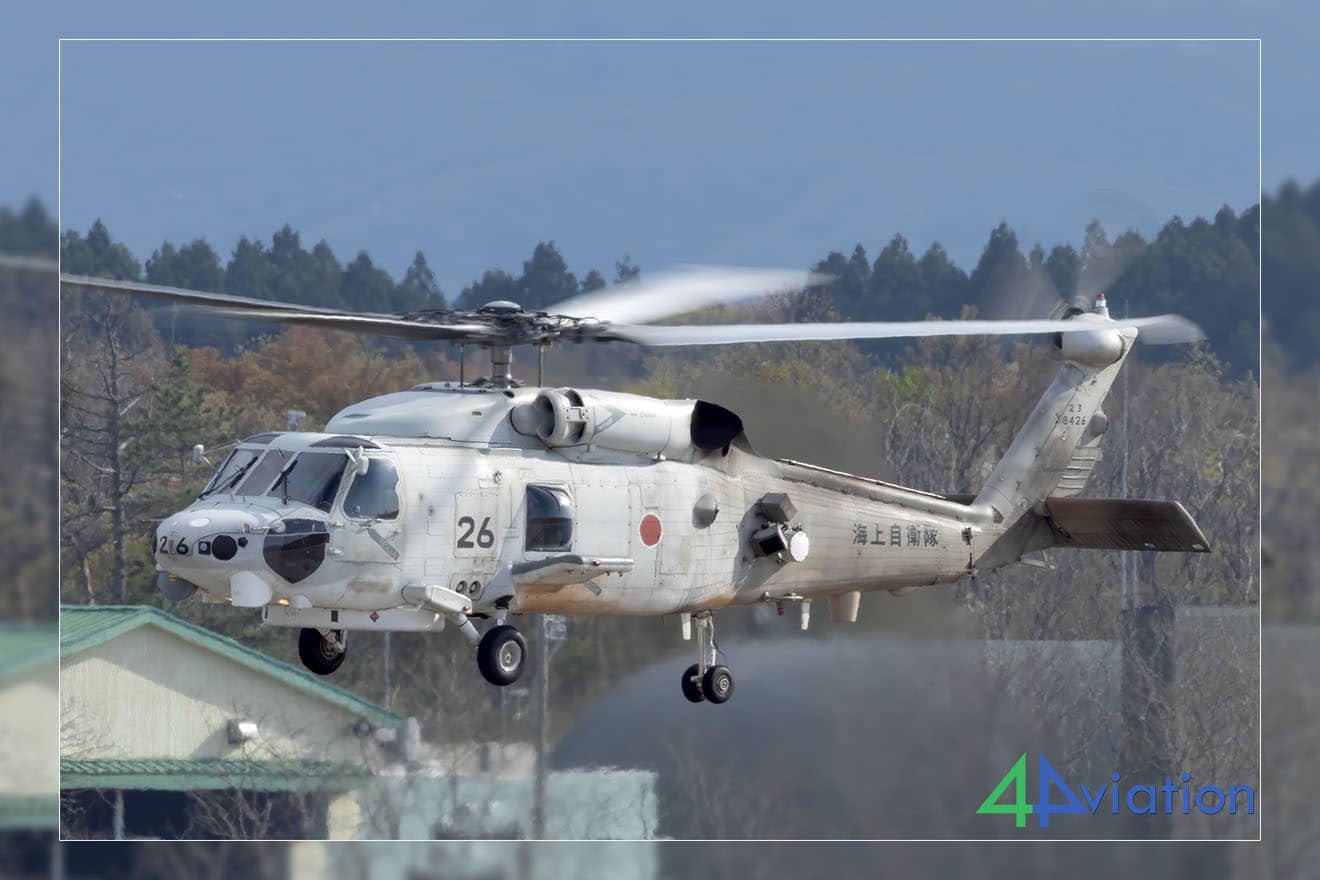
Once again, F-15s, F-35s, and T-4s delivered continuous action. Later in the day, a naval H-60 unexpectedly appeared, briefly landing at the end of the runway before departing again almost immediately—its origin unclear.
By late afternoon, activity gradually wound down, with aircraft being towed back into shelters in the familiar daily rhythm of Komatsu.
Perfect timing – 18 aircraft in one launch
Tuesday 14 April 2026 started with unexpectedly clear skies. We began at the civilian terminal observation deck, where we immediately witnessed four F-15s departing.
We then repositioned to the landing side, where operations paused for a while before suddenly coming alive again after about 90 minutes.
What followed was one of the highlights of the trip: a large coordinated launch. First four Aggressor Eagles departed, followed by three more plus a grey aircraft. Then four F-2s from Tsuiki, followed by another four F-15s, and finally a pair of Eagles. In total, eighteen aircraft launched within minutes.
The variety of units involved made the wave particularly special.
After about an hour, arrivals began steadily. As the sun moved, we relocated to the sports park again, allowing for varied angles and closer perspectives.
F-35s were relatively quiet during the day, but later three launched along with additional F-15s. Several aircraft performed touch-and-go landings against a backdrop of snow-covered mountains.
A visiting U-4 also appeared briefly before departing again.
By evening, Komatsu activity ended and we departed towards Gifu.
Gifu under clouds – but still active
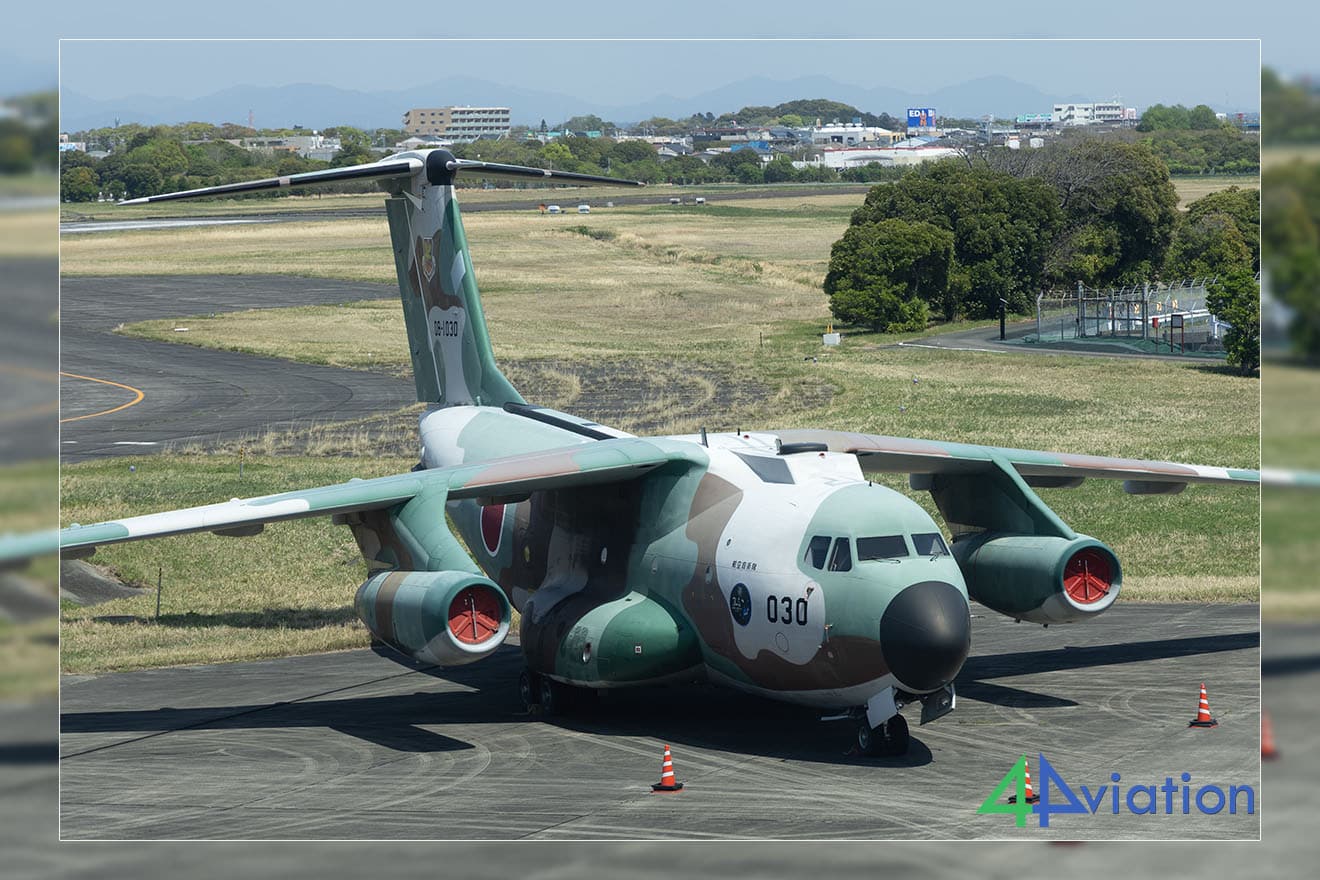
Wednesday 15 April 2026 brought heavy cloud cover and a subdued atmosphere. We started with partial visibility over the field, spotting new P-1s, a C-130, and an EC-2.
A C-2 inbound prompted a quick reposition, where we met several Japanese spotters—usually a good sign.
We later moved through a wooded area to improve our angle on the EC-2, while also observing Chinooks in maintenance and fighters including F-2s, F-15s, and a T-4.
A Hercules taxied out and departed, offering limited but usable photographic opportunities.
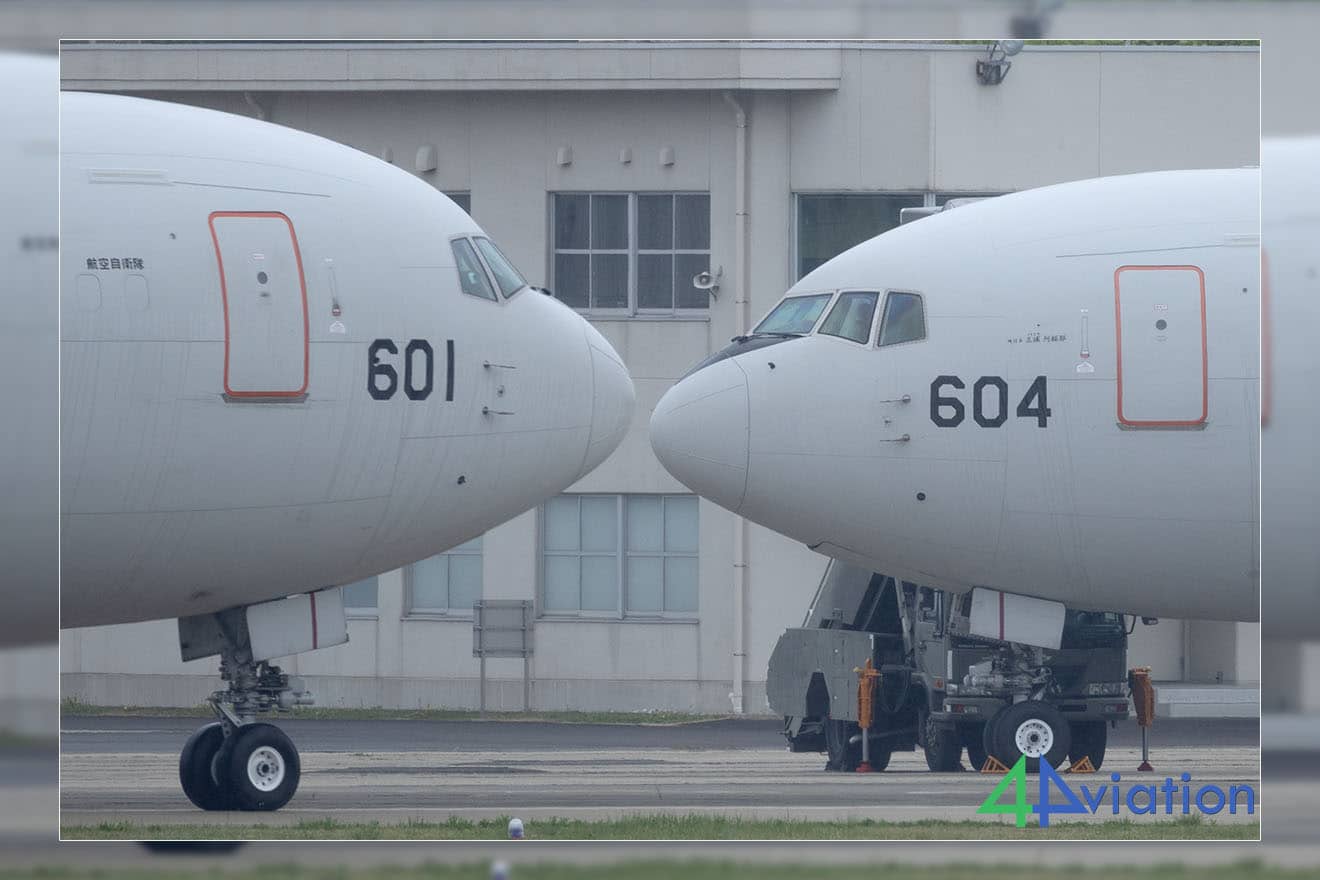
With little more expected, we proceeded to Nagoya-Komaki, where two C-130s, a KC-767, and additional Hercules movements provided a final set of highlights.
We then returned to Chubu to drop off the cars.
Chitose explosion – non-stop operations
Thursday 16 April 2026 brought a complete contrast: clear blue skies over New Chitose.
We were immediately greeted by eight F-15s arriving, followed by an F-35 from Misawa performing an overshoot.
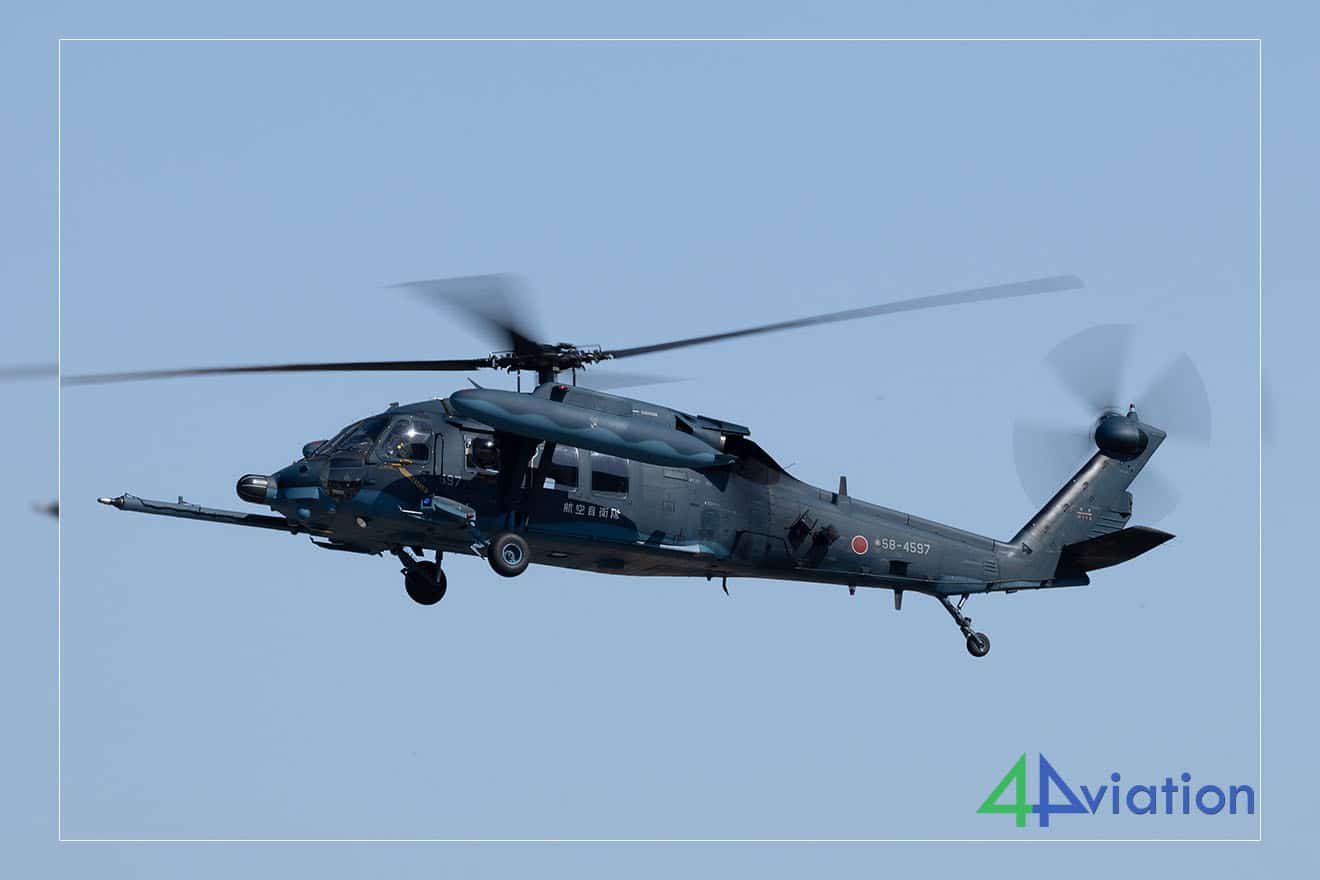
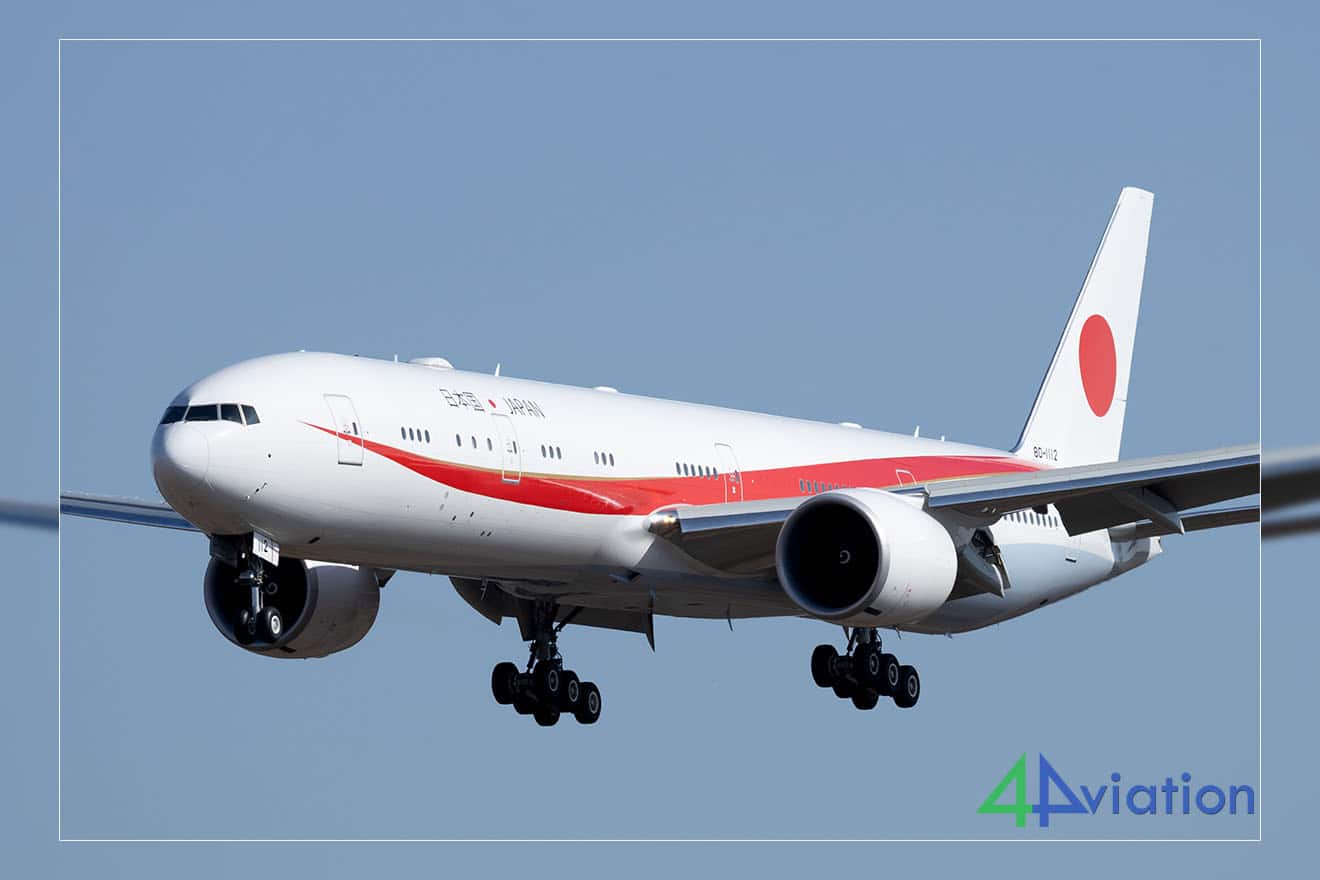
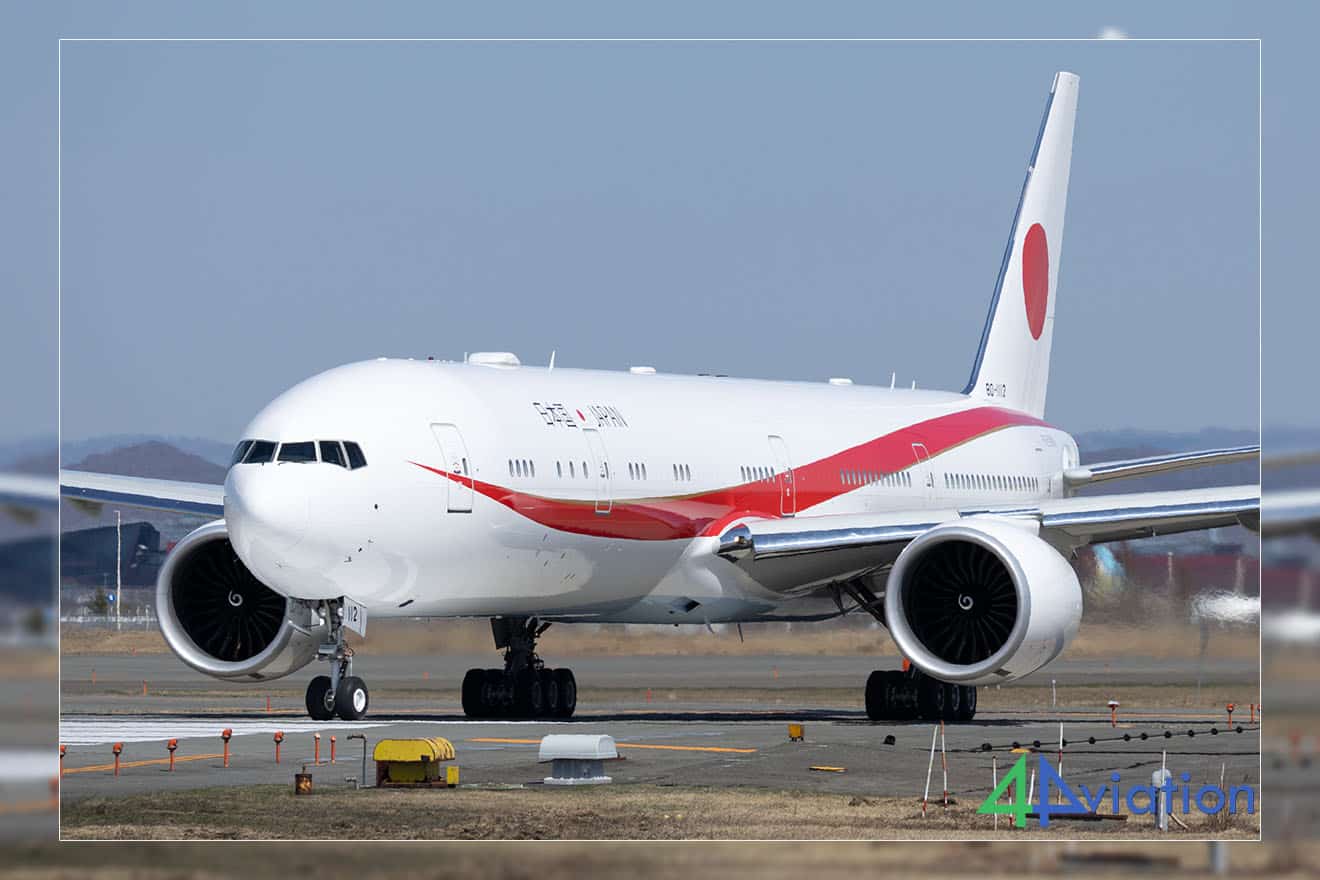
From that point on, the tempo never dropped. Multiple waves of F-15s launched and returned, continuously mixed with T-4s, a presidential B777 overflight, and a UH-60 performing circuits.
Runway direction changes only added to the variety, with aircraft launching from both directions in rapid succession.
It was a continuous cycle of departures, arrivals, and practice approaches—an exceptional operational day.
By evening, activity finally slowed and we prepared for the next day.
A quieter rhythm in northern Hokkaido
Friday 17 April 2026 felt like a complete contrast to the intensity of Chitose the day before. After the nonstop action, we started with a visit to Okadama Airport, a mixed civilian and JGSDF field.
At 08:00 the hangars were still tightly closed, but there was some visible movement around helicopters and smaller civil operators. By around 09:00 the base slowly came to life as the army “woke up” and two UH-1Js were towed outside. They departed shortly after 09:30.
We then returned to Chitose, but on arrival it was immediately clear that everything was shut down, with no indication of reopening for the rest of the day.
With limited aviation activity, we shifted focus to the civilian side and spent a few relaxed hours on the observation deck. Later in the afternoon we made a short stop at a nearby nature area, allowing the day to settle into a calmer pace after the intensity of earlier operations.
We returned to the hotel earlier than usual—something that, given the previous days, felt almost welcome.
Nature, silence, and volcanic landscapes
Saturday 18 April 2026 had been planned as a rest day, and the timing could not have been better. After two demanding weeks of travel, a slower pace was clearly needed.
We started the day at Tarumae Garo before heading deeper into the highlands of Shikotsu–Toya National Park, where patches of snow still remained. The contrast with Okinawa at the start of the trip was striking: here, winter had only just released its grip, and signs of spring were only beginning to appear.
Mid-morning, a suggestion came up to visit Noboribetsu Onsen—and an hour later we were there. It turned out to be one of the highlights of todays journey. The volcanic landscape, steam vents, and vivid mineral colours created an almost otherworldly environment.
We spent several hours walking through the area under clear skies, taking in the silence and scenery. No aircraft, no schedules—just nature at its most raw and active.
It was a perfect reset before the final leg of the trip.
Island hop to Misawa – back to the north-east
On Sunday 19 April 2026 we moved again, boarding a Dash 8 from New Chitose to Aomori. On arrival, two rental cars were waiting and we immediately continued towards Misawa.
About an hour away lay Misawa Air Base and its aviation museum, which was open. As we arrived, a C-17 was already on short final, immediately setting the tone. During the museum visit, a P-8 also arrived, adding to the activity.
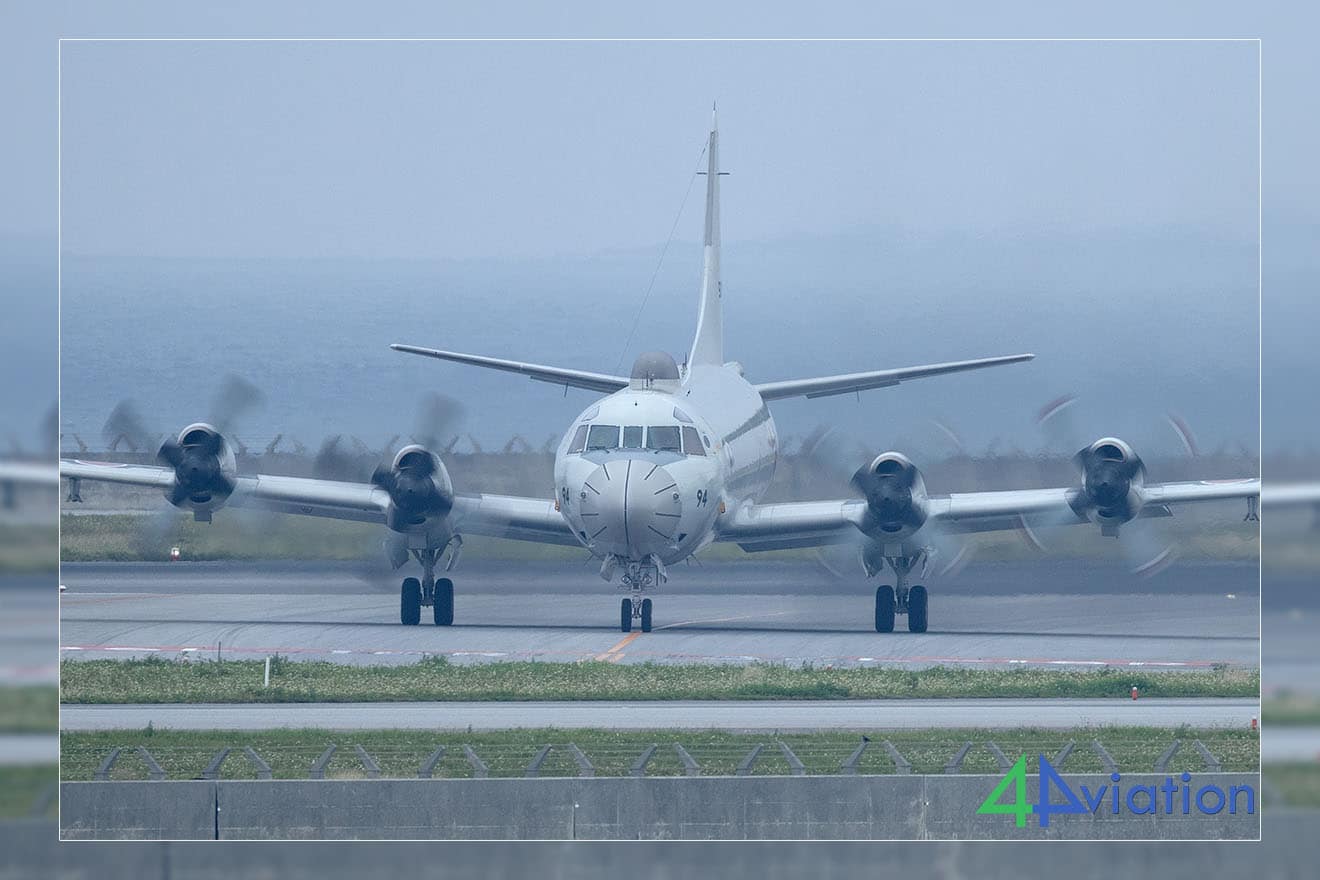
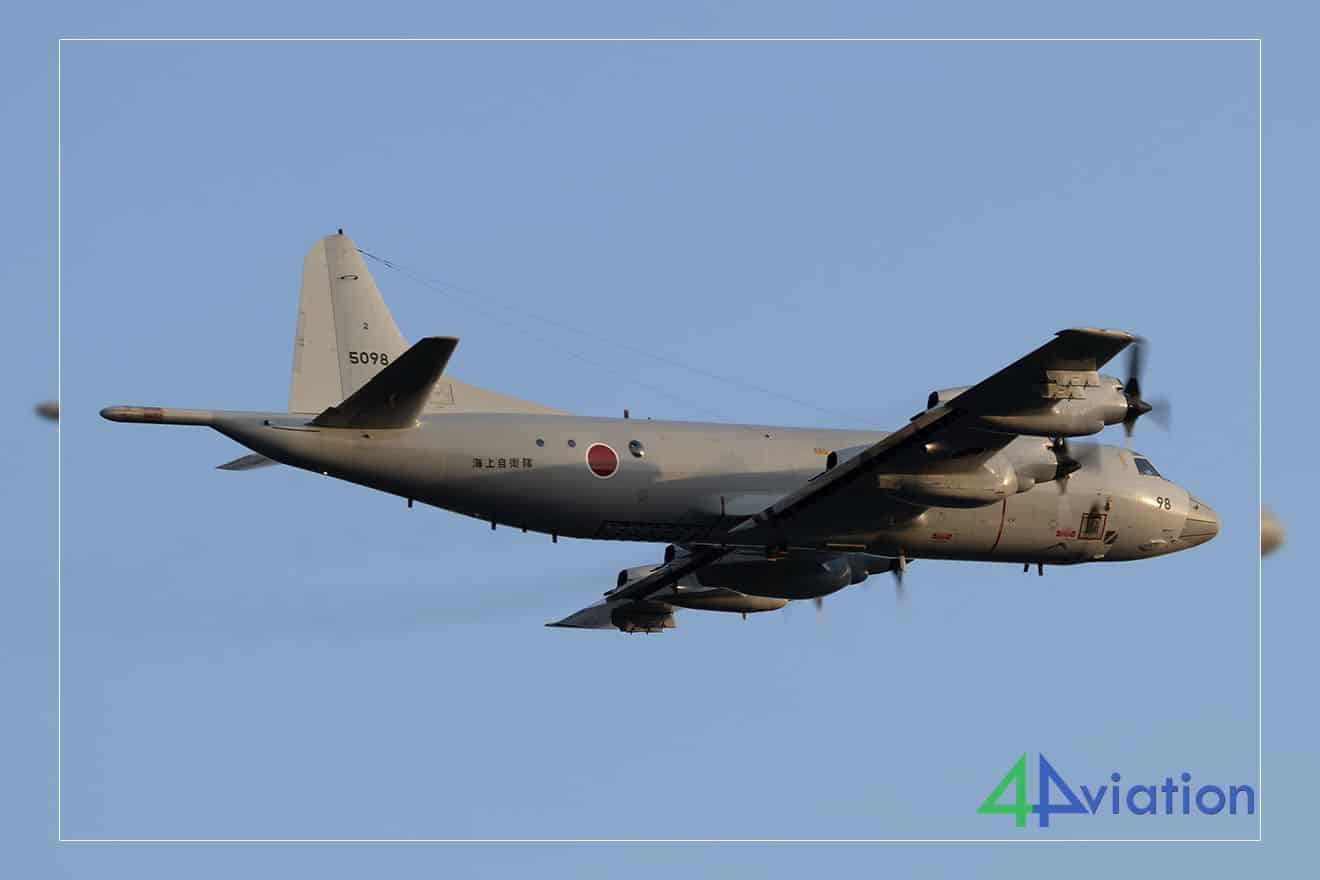
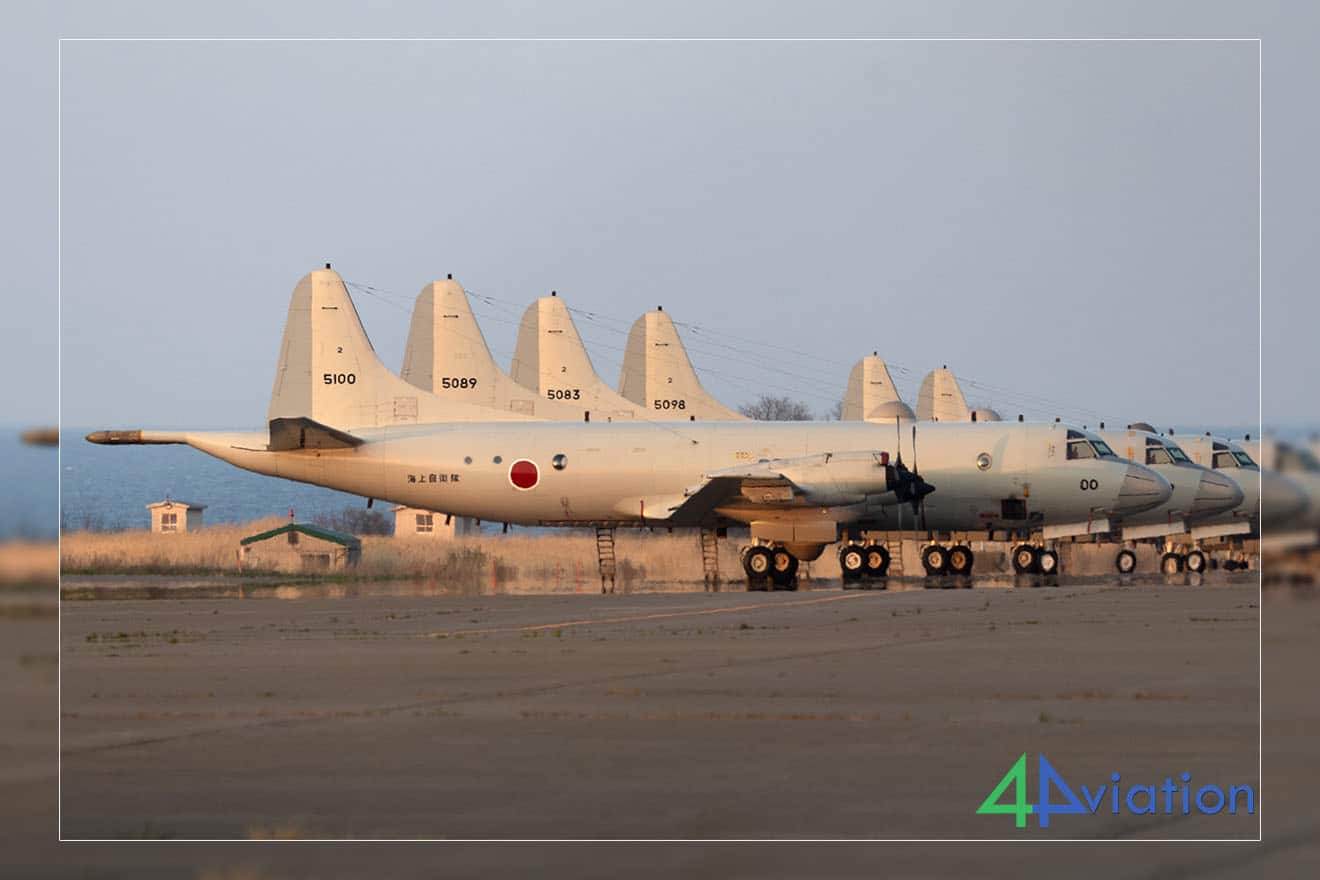
Further north we continued to Hachinohe, where Japanese Maritime Self-Defense Force P-3Cs operate. Late afternoon light made for ideal conditions as aircraft began to cycle through their operations.
From there we passed the gate guards of a nearby Army camp and headed to the hotel for a two-night stay.
Misawa marathon – action, F-35s and an earthquake
Monday 20 April 2026 became one of the most intense and unforgettable days of the entire tour.
We arrived at the western runway area around 08:00, where F-35s were already preparing for departure. Shortly afterwards, eight jets launched and returned about an hour later for multiple practice approaches.
Around 11:00, two US F-35s departed, followed at midday by a large mixed wave: eight Japanese aircraft and four US F-16s. Meanwhile, a steady stream of additional traffic kept the airfield constantly active—T-4s, a local Chinook, an E-2, and a USMC KC-130 all passed through.
Later in the afternoon, a second large wave followed, again with different Japanese serials, maintaining the high tempo.
By 16:00 things briefly settled, and we drove towards Hachinohe for a final check over the fence. Just before arrival, however, mobile alerts began to sound: an earthquake was in progress.
Within moments the car started to shake as the ground moved beneath us. Road signs swayed, but traffic continued—so we cautiously did the same.
Shortly afterwards, a tsunami warning followed, advising evacuation to higher ground. Roads quickly became busier as people reacted. At the airfield, a Huey and a P-3 were seen departing as activity wound down rapidly.
We moved to higher ground and waited while monitoring updates. The earthquake—magnitude 7.5—was now international news, and everyone checked in with home to confirm all was well.
Once the immediate situation stabilised, but the road to our hotel was still closed, we returned towards Misawa, where we found a late-opening restaurant and waited out the situation. The friendly restaurant owner called our hotel to check on the situation as the reception spoke limited English, we could return to the hotel.
Just as we reached our rooms, a strong aftershock reminded us that the situation was still settling.
It had been a long and exhausting day.
Misawa recovery – and an unexpected escape flight
Tuesday 21 April 2026 began under steady rain as we returned to Hachinohe to catch the morning P-3 departure. But then the sun came out again.
We then moved to the Misawa terminal side, where westerly winds suggested good departure views. Activity was lighter than the previous day but still steady.
Our original plan had been to fly from Misawa to Tokyo Haneda that evening as part of the final return journey. However, an ATC system failure at Haneda earlier that morning disrupted JAL operations, compounded by strong winds affecting schedules further.
With support from 4Aviation HQ, alternative options were prepared. When it became clear our flight would not operate, local coordination with JAL began at Misawa Airport.
Against expectations, seats were found on a delayed domestic service that was not visible in the systems and officially marked as cancelled. This last-minute solution proved critical, especially as flights to Amsterdam in the following days were fully booked.
The flight itself operated on an Embraer 190, taking us to Haneda without issue. We spent one final night near the airport, preparing for the journey home.
Return to home – mission complete
On Wednesday 22 April 2026 we arrived at the airport well in time, as operations were exceptionally busy. Security and formalities took nearly two hours, but eventually we reached the gate.
A JAL A350 awaited us for the long 14-hour flight back to Europe. Conditions en route were at times bumpy, but overall the flight was smooth.
Eventually, we all landed safely back home.
An intense, demanding, and unforgettable journey had come to an end. The objective—watching and photographing fighters across Japan—had been achieved beyond expectations. We will be back!